

15 Best World War II Books for History Enthusiasts (2026)
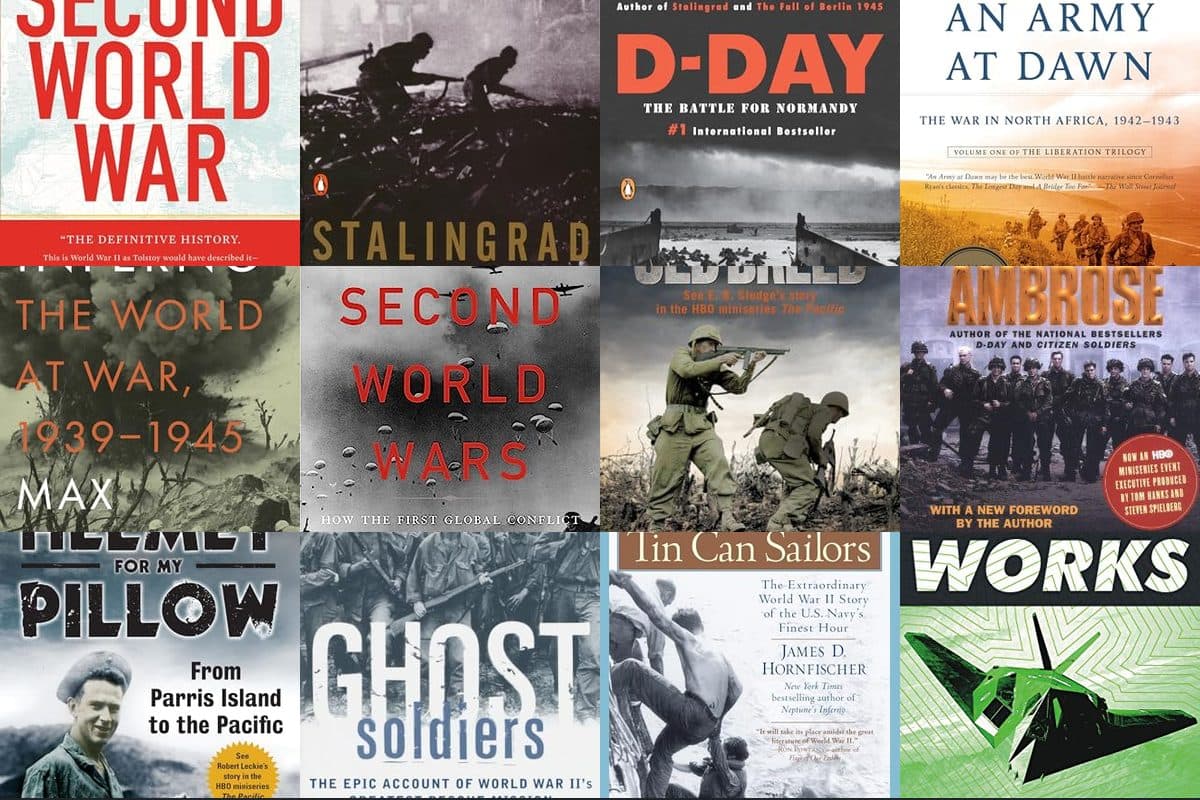
15 essential WW2 books covering every theater. Narrative histories, memoirs, and visual references ranked.
daniel-mercer··21 min read

George Washington, the commanding general of the Continental Army who won American independence and served as the nation's first president, died at his Mount Vernon estate at the age of 67. After riding his horse through freezing rain to inspect his farms, Washington developed a severe throat infection, likely acute epiglottitis, and died within two days despite aggressive treatment that included bloodletting of nearly half his blood supply. The nation plunged into mourning.
A group of Russian army officers led regiments of the Imperial Guard in a Saint Petersburg revolt against Tsar Nicholas I's succession. The uprising, the first modern military revolt in Russian history, was crushed within hours by artillery fire but set in motion political and reform currents that shaped the Russian officer corps for the rest of the 19th century.
Confederate General James Longstreet's forces fought Union troops under General James Shackelford at Bean's Station in East Tennessee, ending the Knoxville Campaign. Though tactically indecisive, the battle confirmed the failure of the Confederate attempt to recapture Knoxville and East Tennessee, securing Union control of this strategically vital region.
Norwegian explorer Roald Amundsen and four companions became the first people to reach the geographic South Pole, beating British Captain Robert Falcon Scott's expedition by 34 days. The achievement had significant military implications, Amundsen's mastery of polar logistics and navigation techniques would later inform military operations in extreme environments, and the race for the poles reflected the broader national rivalries that would explode into World War I three years later.
The United Kingdom held its first general election under the Representation of the People Act, with nearly three times the previous electorate including women over 30 for the first time. The result returned David Lloyd George's wartime coalition with a crushing majority that shaped British military demobilization, reparations policy, and imperial commitments for the following decade.
The League of Nations expelled the Soviet Union over the Red Army's invasion of Finland on November 30, 1939. The expulsion, the only one in the League's history, isolated Moscow diplomatically during the Winter War and underscored the collective security failures that had already doomed the League as a mechanism for preventing major-power aggression.
The League of Nations Assembly in Geneva voted to expel the Soviet Union on December 14, 1939, following the November 30 Soviet invasion of Finland. The expulsion was the only such action the League ever took against a permanent member of its Council and marked one of the last meaningful decisions the organization produced before the Second World War consumed it.
By act of Congress, the five-star rank of Fleet Admiral of the United States Navy was established, and the five-star rank of General of the Army was formalized. The first recipients were Fleet Admirals William Leahy, Ernest King, and Chester Nimitz, and Generals George Marshall, Douglas MacArthur, Dwight Eisenhower, and Henry Arnold, creating a rank equivalent to the British Field Marshal for the first time in modern American military history.
NASA's Mariner 2 spacecraft flew past Venus at a distance of 34,773 kilometers on December 14, 1962, returning the first data from another planet and establishing the deep space tracking and communications infrastructure that military and civilian space programs have relied on ever since.
The Israeli Knesset passed the Golan Heights Law, extending Israeli civilian administration to the strategic plateau captured from Syria in the 1967 Six-Day War. The annexation redrew the northern threat calculus for the Israel Defense Forces and contributed to the strategic geography that shaped later conflicts with Hezbollah and Iran.
The presidents of Bosnia, Croatia, and Serbia signed the Dayton Peace Agreement at Wright-Patterson Air Force Base in Ohio, ending three and a half years of devastating civil war in Bosnia-Herzegovina that had killed over 100,000 people. The agreement established a NATO-led Implementation Force (IFOR) of 60,000 troops to enforce the peace, the largest military operation in NATO's history at that time.

Lieutenant General
Aviation pioneer, racing pilot, and military commander who led the daring April 1942 bombing raid on Tokyo, the famous "Doolittle Raid", that boosted American morale at the lowest point of the Pacific War. Doolittle was the first pilot to perform an instrument-only "blind" flight and held a doctorate in aeronautics from MIT. He later commanded the Twelfth, Fifteenth, and Eighth Air Forces in Europe, and was promoted to full General by act of Congress in 1985.

Field Marshal
German military commander known as the "Desert Fox" for his brilliant leadership of the Afrika Korps in North Africa during World War II. Rommel earned the Knight's Cross and Pour le Mérite for valor in World War I and became one of the war's most respected tacticians, admired even by his Allied opponents. After being implicated in the July 20, 1944 plot to assassinate Hitler, he was forced to take poison in exchange for his family's safety.

Commander-in-Chief of the Continental Army who won American independence and served as the nation's first president, dying on this date in 1799 at Mount Vernon. Washington voluntarily relinquished power twice, resigning his military commission in 1783 and declining a third presidential term, establishing the precedents of civilian control and peaceful transfer of power that define American democracy. King George III reportedly called him "the greatest character of the age" for giving up power when he could have been a king.
Wear the Timeline
10 military events occurred on December 14, spanning multiple centuries. Key events include: Dayton Accords Signed, Ending the Bosnian War (1995).
The most significant military event on December 14 is Death of George Washington (1799). George Washington, the commanding general of the Continental Army who won American independence and served as the nation's first president, died at his Mount Vernon estate at the age of 67. After riding his horse through freezing rain to inspect his farms, Washington developed a severe throat infection, likely acute epiglottitis, and died within two days despite aggressive treatment that included bloodletting of nearly half his blood supply. The nation plunged into mourning.
Notable military figures born on December 14 include Jimmy Doolittle (1896–1993), Erwin Rommel (1891–1944).
Events on December 14 span the Civil War, the Interwar Period, World War II, the Modern Era, the Cold War, the Colonial & Revolutionary era, World War I, covering 10 events across 2 centuries of military history.
Events on December 14 involve 4 branches of the U.S. and allied armed forces, reflecting the global scope of military operations throughout history.
Explore military history from the day you were born.
June 6
The Allied invasion of Normandy, the largest amphibious assault in history.
December 7
Japan attacks the U.S. Pacific Fleet, bringing America into World War II.
September 11
The deadliest terrorist attack in history transforms U.S. national security.
August 6
The first atomic bomb is dropped on a city, ushering in the nuclear age.
May 8
Nazi Germany surrenders unconditionally, ending World War II in Europe.
November 11
Armistice Day marks the end of World War I and honors all who served.
June 4
The turning point of the Pacific War as the U.S. Navy destroys four Japanese carriers.
July 4
The Declaration of Independence is adopted, sparking the American Revolution.
15 essential WW2 books covering every theater. Narrative histories, memoirs, and visual references ranked.
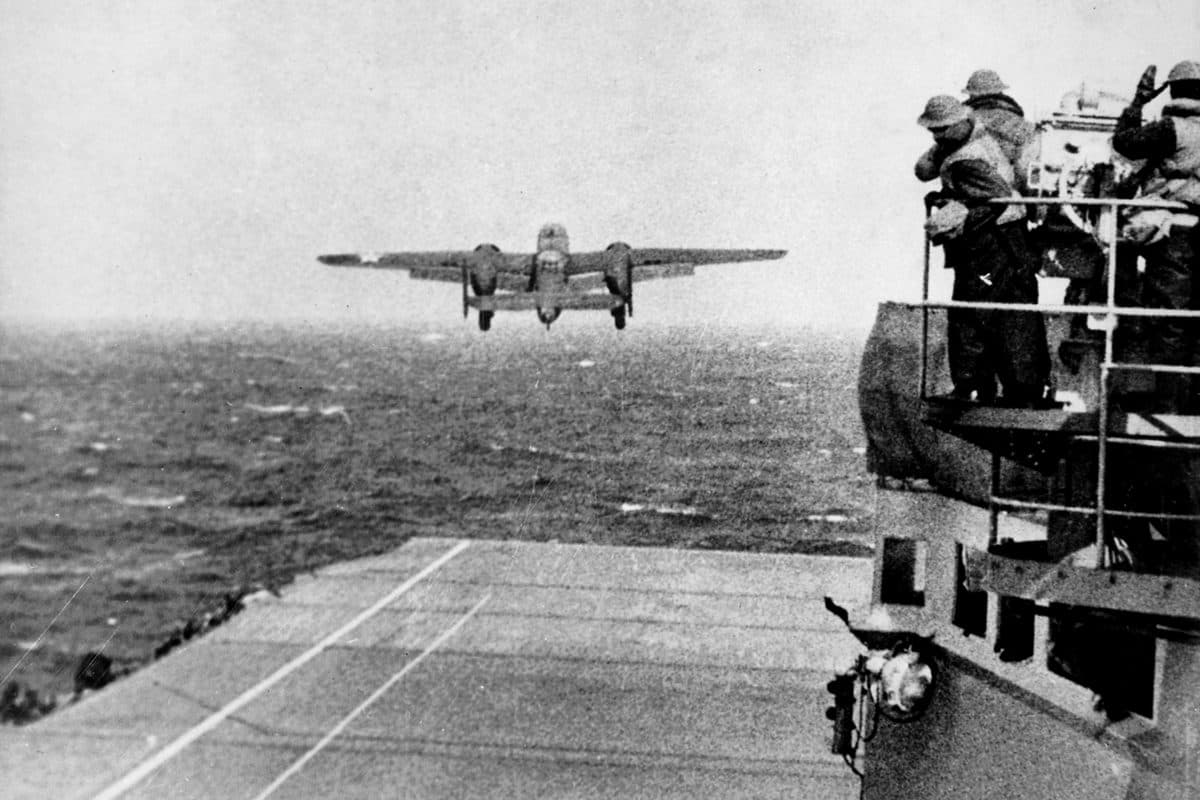
On April 18, 1942, sixteen B-25 Mitchell bombers did something no one thought possible: they launched from the deck of an aircraft carrier, flew 650 miles to Japan, and bombed Tokyo. Every aircraft was lost. The damage was negligible. The consequences changed the war.
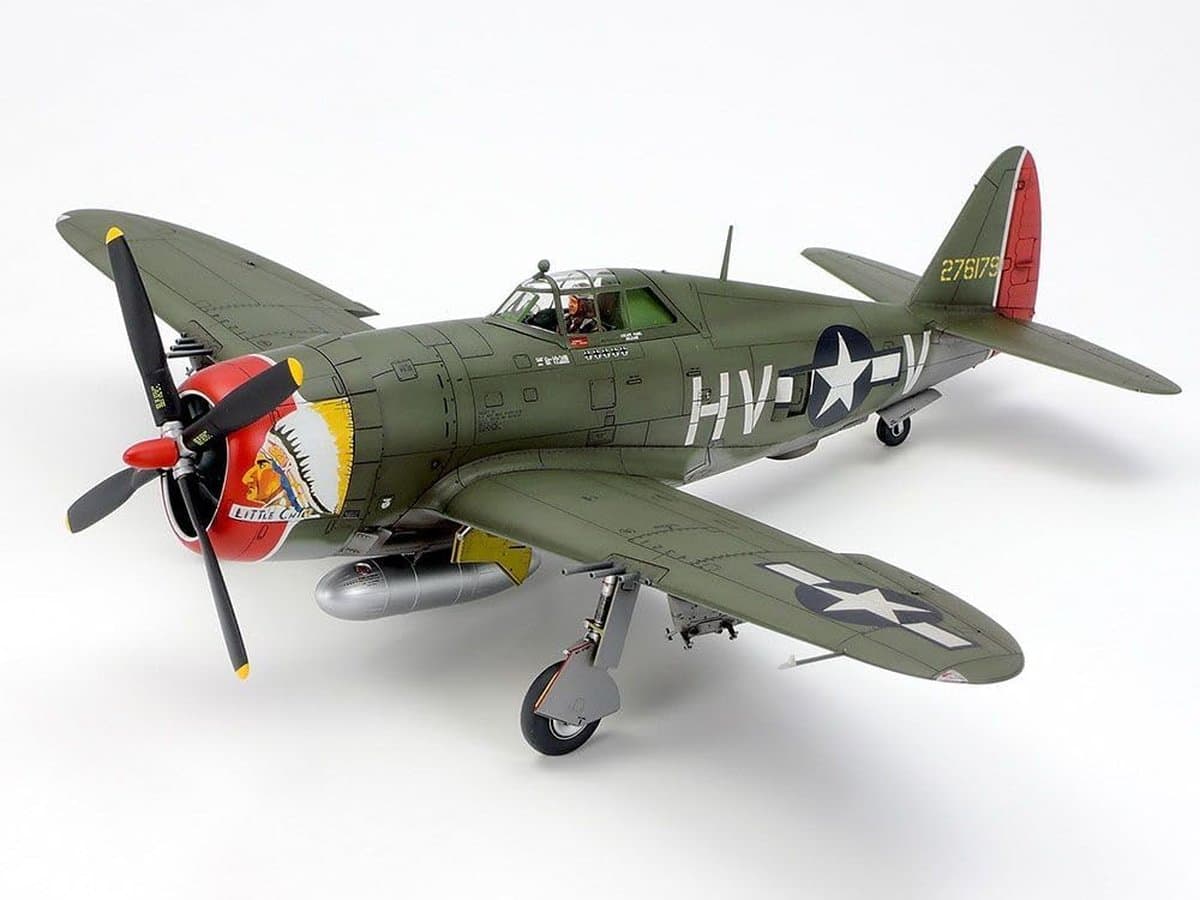
Compare 85+ WW2 scale model kits across aircraft, tanks, and ships. Beginner builds from $9 to museum-grade showpieces at $580. Covers Tamiya, Eduard, HK Models, Trumpeter, and more with honest reviews, trade-offs, and pricing.

On April 7, 1945, the Imperial Japanese Navy sent the largest battleship ever built on a one-way suicide mission to Okinawa. She never arrived. 386 American aircraft found her first, and sank her in under two hours.