



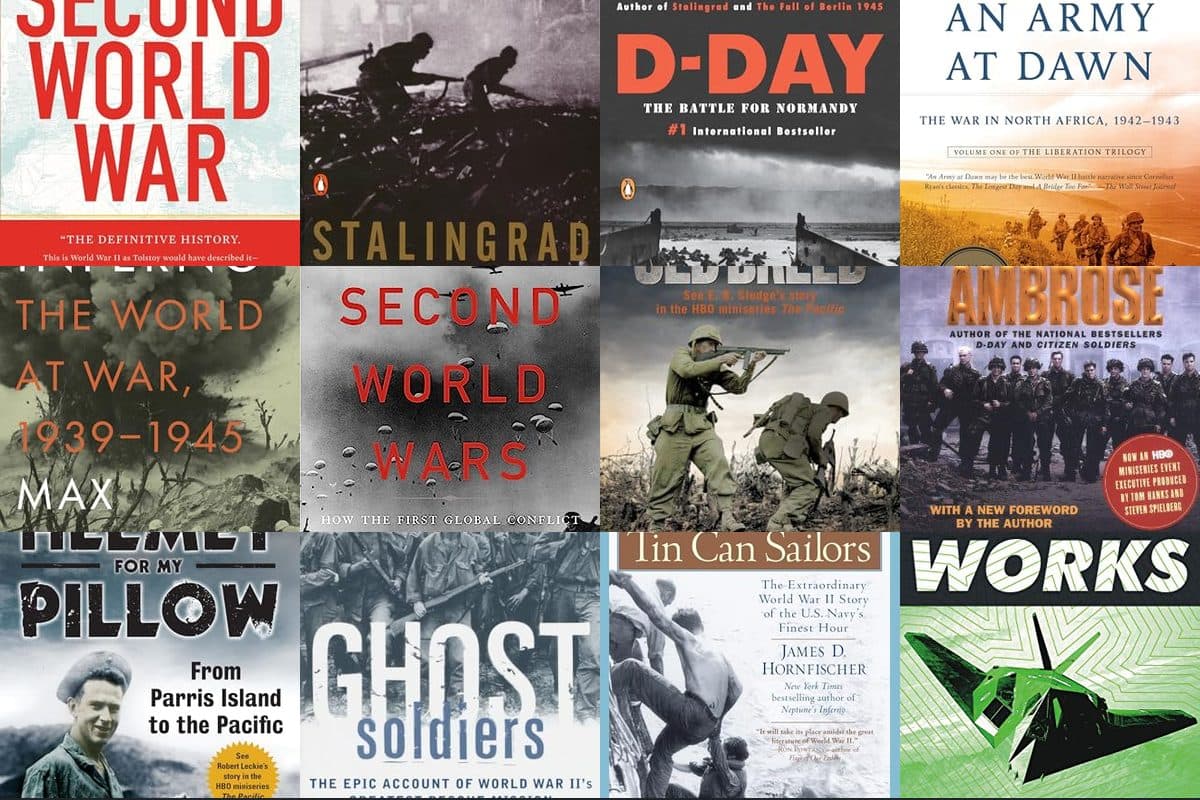
15 Best World War II Books for History Enthusiasts (2026)
15 essential WW2 books covering every theater. Narrative histories, memoirs, and visual references ranked.
daniel-mercer··21 min read

Union forces under Major General George H. Thomas launched a devastating two-day attack against Confederate General John Bell Hood's Army of Tennessee at Nashville, virtually destroying it as a fighting force. Thomas's meticulously planned assault was one of the few battles in the Civil War that resulted in the near-total annihilation of one side, Hood's army was shattered, losing over 6,000 casualties and thousands more as prisoners, ending the Confederate threat in the Western Theater.
The first ten amendments to the United States Constitution, the Bill of Rights, were ratified, including the Second Amendment's right to keep and bear arms and the Third Amendment's prohibition against quartering soldiers in private homes. These amendments reflected the Founders' deep suspicion of standing armies and their determination to protect individual liberties against military overreach.
Napoleon Bonaparte's remains arrived at Les Invalides in Paris after transportation from Saint Helena, twenty years after his death in exile. The Retour des Cendres ceremony reinforced French military identity under the July Monarchy and formalized the Napoleonic legend that shaped French military doctrine through the end of the Third Republic.
Union forces under Major General George H. Thomas launched a devastating two-day attack against Confederate General John Bell Hood's Army of Tennessee at Nashville, virtually destroying it as a fighting force. Thomas's meticulously planned assault was one of the few battles in the Civil War that resulted in the near-total annihilation of one side, Hood's army was shattered, losing over 6,000 casualties and thousands more as prisoners, ending the Confederate threat in the Western Theater.
Hunkpapa Lakota chief Sitting Bull was killed by Indian agency police at his cabin on the Standing Rock Reservation during an attempt to arrest him. The government feared Sitting Bull would join the Ghost Dance movement. The killing, which occurred when Sitting Bull's supporters fired on the police, who then shot the chief in the chest and head, intensified tensions that would explode two weeks later at the Wounded Knee Massacre.
The film adaptation of Margaret Mitchell's Civil War epic "Gone with the Wind" premiered at Loew's Grand Theatre in Atlanta, Georgia. The film's vivid depiction of the burning of Atlanta, the siege of Vicksburg, and the devastation of Sherman's March to the Sea shaped popular understanding of the Civil War for generations, for better and worse, and remains the highest-grossing film of all time when adjusted for inflation.
Major Glenn Miller, commander of the Army Air Forces Orchestra, disappeared on a flight from Britain to liberated France aboard a Noorduyn UC-64 Norseman. The loss of the most popular American bandleader of the war period demonstrated the reach of the USAAF morale mission and produced one of the enduring unsolved aviation mysteries of World War II.
An Israeli court sentenced former SS-Obersturmbannführer Adolf Eichmann to death for his role in organizing the Holocaust. Eichmann, who had been captured by Israeli intelligence agents in Argentina, was found guilty of crimes against humanity and war crimes for his central role in planning and implementing the "Final Solution", the systematic murder of six million Jews during World War II.
Gemini 6-A and Gemini 7 conducted the first successful rendezvous of two crewed spacecraft in orbit, demonstrating the techniques required for the Apollo lunar program and for future military satellite servicing operations. The maneuver involved NASA astronauts drawn exclusively from active-duty military test-pilot ranks.
President Jimmy Carter announced the formal normalization of diplomatic relations between the United States and the People's Republic of China, effective January 1, 1979. The decision ended 30 years of US recognition of the Republic of China on Taiwan and reshaped US military posture in East Asia, including the withdrawal of US forces from Taiwan under the Mutual Defense Treaty termination.
Defense Secretary Leon Panetta and senior US and Iraqi officials presided over a ceremony in Baghdad formally ending Operation New Dawn and the US military mission in Iraq after nearly nine years. The last American combat units had already withdrawn across the Kuwaiti border, closing a campaign that had reshaped US ground forces and counterinsurgency doctrine.

Colonel
Medal of Honor recipient who led the last major American bayonet charge in military history. On February 7, 1951, Captain Millett led Company E, 27th Infantry Regiment, in a bayonet assault up Hill 180 near Soam-Ni, Korea, personally bayoneting two enemy soldiers while urging his men forward despite being wounded by grenade fragments. Of approximately fifty enemy dead, twenty were found killed by bayonets. Millett served in three wars, volunteering for the Canadian Army in WWII before America entered the war, then serving in Korea and Vietnam.

American-born British industrialist and oil magnate who served as a supply officer in the U.S. Navy during World War I. Though best known as one of the richest men in history, Getty's early naval service gave him the organizational and logistical skills that he later applied to building his petroleum empire. During World War II, his oil refineries were critical to the Allied war effort, producing aviation fuel and other petroleum products essential for military operations.

Hunkpapa Lakota holy man and war leader who led the largest Native American military coalition in history, defeating Lieutenant Colonel George Armstrong Custer's 7th Cavalry at the Battle of the Little Bighorn in June 1876. After years of exile in Canada, Sitting Bull returned and was killed on this date in 1890 by Indian agency police during an arrest attempt at Standing Rock Reservation. His death helped trigger the tragedy at Wounded Knee two weeks later.
Wear the Timeline
10 military events occurred on December 15, spanning multiple centuries. Key events include: Battle of Nashville, Union Army Destroys Hood's Confederate Force (1864), Bill of Rights Ratified (1791), Sitting Bull Killed at Standing Rock (1890).
The most significant military event on December 15 is Battle of Nashville, Union Army Destroys Hood's Confederate Force (1864). Union forces under Major General George H. Thomas launched a devastating two-day attack against Confederate General John Bell Hood's Army of Tennessee at Nashville, virtually destroying it as a fighting force. Thomas's meticulously planned assault was one of the few battles in the Civil War that resulted in the near-total annihilation of one side, Hood's army was shattered, losing over 6,000 casualties and thousands more as prisoners, ending the Confederate threat in the Western Theater.
Notable military figures born on December 15 include Lewis Millett (1920–2009), J. Paul Getty (1892–1976).
Events on December 15 span the Civil War, the Colonial & Revolutionary era, the Interwar Period, World War II, the Cold War, the Modern Era, covering 10 events across 4 centuries of military history.
Events on December 15 involve 4 branches of the U.S. and allied armed forces, reflecting the global scope of military operations throughout history.
Explore military history from the day you were born.
June 6
The Allied invasion of Normandy, the largest amphibious assault in history.
December 7
Japan attacks the U.S. Pacific Fleet, bringing America into World War II.
September 11
The deadliest terrorist attack in history transforms U.S. national security.
August 6
The first atomic bomb is dropped on a city, ushering in the nuclear age.
May 8
Nazi Germany surrenders unconditionally, ending World War II in Europe.
November 11
Armistice Day marks the end of World War I and honors all who served.
June 4
The turning point of the Pacific War as the U.S. Navy destroys four Japanese carriers.
July 4
The Declaration of Independence is adopted, sparking the American Revolution.
15 essential WW2 books covering every theater. Narrative histories, memoirs, and visual references ranked.
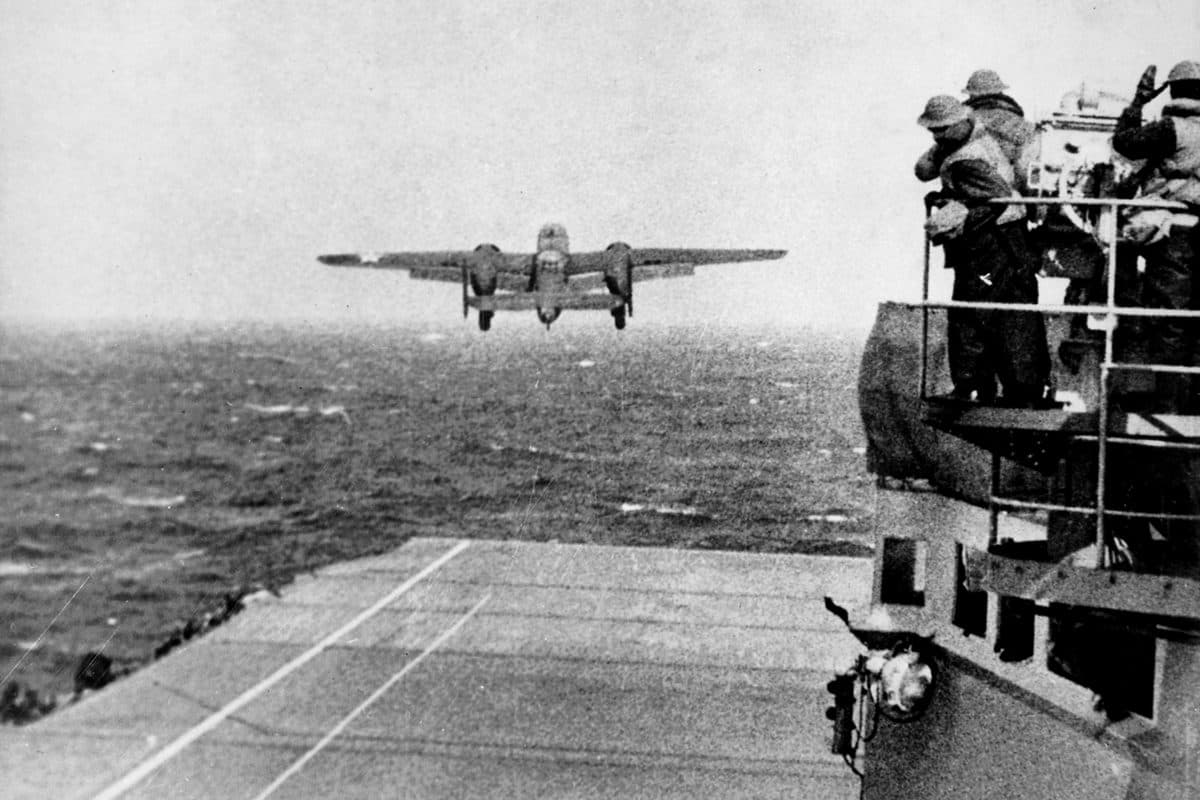
On April 18, 1942, sixteen B-25 Mitchell bombers did something no one thought possible: they launched from the deck of an aircraft carrier, flew 650 miles to Japan, and bombed Tokyo. Every aircraft was lost. The damage was negligible. The consequences changed the war.
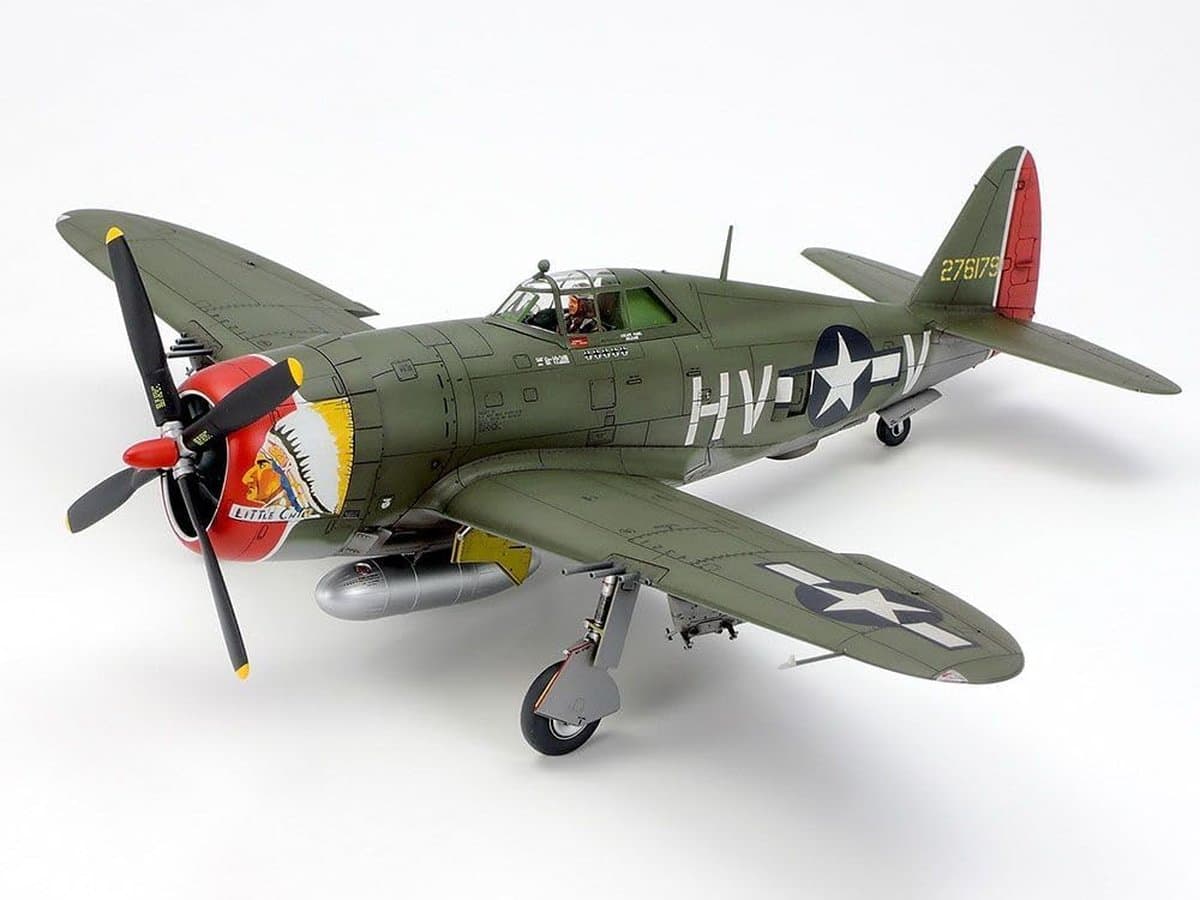
Compare 85+ WW2 scale model kits across aircraft, tanks, and ships. Beginner builds from $9 to museum-grade showpieces at $580. Covers Tamiya, Eduard, HK Models, Trumpeter, and more with honest reviews, trade-offs, and pricing.

On April 7, 1945, the Imperial Japanese Navy sent the largest battleship ever built on a one-way suicide mission to Okinawa. She never arrived. 386 American aircraft found her first, and sank her in under two hours.