

Iconic Aircraft of the Vietnam War
Boeing B-52 Stratofortress US Air Force This American project was first conceived in the immediate wake of the Second World War. The…
michael-trent··19 min read

Union forces under Major General Ulysses S. Grant launched the opening assault of the Battle of Chattanooga, capturing Orchard Knob and breaking the Confederate siege that had trapped the Army of the Cumberland for two months. The three-day battle, which included the dramatic storming of Lookout Mountain and Missionary Ridge, shattered Braxton Bragg's Army of Tennessee, opened the gateway to Atlanta and the Deep South, and confirmed Grant as the Union's most capable commander.
The 18-year-old King Charles XII of Sweden led a dramatically outnumbered Swedish army to a decisive victory over Peter the Great's Russian forces besieging the Estonian city of Narva. The battle established Sweden as a dominant military power in northern Europe and inaugurated the Great Northern War that would reshape the Baltic for the next two decades.
Citizens of Frederick County, Maryland, forced the resignation of the local stamp tax collector, becoming one of the first organized acts of colonial defiance against British taxation. The county's repudiation of the Stamp Act, in which judges and officials refused to use stamped paper, established a pattern of resistance that spread across the American colonies and foreshadowed the revolutionary movement that would erupt a decade later.
Union forces under Grant captured Orchard Knob in the opening move of the three-day Battle of Chattanooga, breaking the Confederate siege and launching one of the most dramatic assaults of the Civil War. The battle opened the gateway to Atlanta and made Grant the Union's supreme commander.
Colonel Ranald Mackenzie's 4th U.S. Cavalry surprised and destroyed the Northern Cheyenne winter camp of Dull Knife on the Red Fork of the Powder River in the Bighorn Mountains. The dawn attack, part of the Powder River Expedition, shattered Cheyenne resistance on the northern Plains and broke the coalition that had defeated Custer five months earlier.
Romanian Prime Minister Ion Antonescu signed the Tripartite Pact in Berlin, formally aligning Romania with Nazi Germany, Fascist Italy, and Imperial Japan. The alliance delivered the Ploiesti oil fields to the Axis war economy and committed the Romanian Army to the subsequent invasion of the Soviet Union.
The northern and southern pincers of Operation Uranus met at Kalach-on-Don, completing the encirclement of the German 6th Army at Stalingrad. Over 250,000 Axis troops were now trapped in a pocket approximately 25 miles wide and 12 miles deep. Hitler ordered Friedrich Paulus to hold at all costs, sealing the fate of an entire army that would surrender in February 1943.
After 76 hours of savage fighting on tiny Betio Island, Marines of the 2nd Marine Division secured the Tarawa Atoll in the Gilbert Islands. The battle cost 1,009 Marines and sailors killed and over 2,100 wounded, the highest casualty rate per square yard of any Pacific battle. The shocking losses from the amphibious assault against fortified Japanese positions led to critical improvements in amphibious doctrine that saved lives at subsequent landings.
General Philippe Leclerc's 2nd French Armored Division liberated Strasbourg, the capital of Alsace, fulfilling a vow Leclerc had made at the Battle of Kufra in 1941 that he would not stop fighting until the French flag flew over Strasbourg's cathedral. The liberation was a deeply symbolic moment for France, as Alsace had been annexed by Germany and its people subjected to forced conscription into the Wehrmacht.
The keel of the USS Long Beach (CGN-9), the world's first nuclear-powered surface warship, was laid at Bethlehem Steel's Fore River Shipyard in Quincy, Massachusetts. The 721-foot cruiser introduced nuclear propulsion, SCANFAR phased-array radar, and an all-missile armament to surface warfare, influencing every subsequent U.S. cruiser design.

Brigadier General
The 14th President of the United States and a veteran of the Mexican-American War, where he served as a brigadier general of volunteers under Winfield Scott during the Mexico City campaign. Though his horse fell during the Battle of Contreras and he fainted from a knee injury, earning him the cruel nickname "Fainting Frank", Pierce remained in the field through the capture of Mexico City. As president, his support for the Kansas-Nebraska Act inflamed tensions that led to the Civil War.

General
The first South Korean officer to achieve four-star general rank and one of the most celebrated military leaders in Korean War history. Commanding the ROK 1st Division at age 30, Paik led critical defensive actions during the North Korean invasion and later played a key role in the Pusan Perimeter defense. He fought alongside American forces throughout the war and became a symbol of the U.S.-South Korean military alliance that endures to this day.

Wing Commander
British fighter pilot and world-renowned author who served with the Royal Air Force during World War II. Flying a Gloster Gladiator biplane in North Africa, Dahl crash-landed in the Libyan desert after running out of fuel, suffering a fractured skull, broken nose, and temporary blindness. After recovery, he flew Hawker Hurricanes in Greece and Syria, shooting down at least five enemy aircraft before severe headaches from his crash injuries forced him out of combat. His wartime intelligence work in Washington, D.C., later inspired some of his most famous writing.
Wear the Timeline
10 military events occurred on November 23, spanning multiple centuries. Key events include: The Battle of Chattanooga Begins (1863), The Battle of Tarawa Ends (1943), Soviet Forces Complete the Stalingrad Encirclement (1942), French Naval Bombardment of Haiphong (1946), The Battle of Narva (1700).
The most significant military event on November 23 is The Battle of Chattanooga Begins (1863). Union forces under Major General Ulysses S. Grant launched the opening assault of the Battle of Chattanooga, capturing Orchard Knob and breaking the Confederate siege that had trapped the Army of the Cumberland for two months. The three-day battle, which included the dramatic storming of Lookout Mountain and Missionary Ridge, shattered Braxton Bragg's Army of Tennessee, opened the gateway to Atlanta and the Deep South, and confirmed Grant as the Union's most capable commander.
Notable military figures born on November 23 include Franklin Pierce (1804–1869), Paik Sun-yup (1920–2020).
Events on November 23 span the Civil War, World War II, the Vietnam War, the Colonial & Revolutionary era, the Interwar Period, the Cold War, covering 10 events across 3 centuries of military history.
Events on November 23 involve 4 branches of the U.S. and allied armed forces, reflecting the global scope of military operations throughout history.
Explore military history from the day you were born.
June 6
The Allied invasion of Normandy, the largest amphibious assault in history.
December 7
Japan attacks the U.S. Pacific Fleet, bringing America into World War II.
September 11
The deadliest terrorist attack in history transforms U.S. national security.
August 6
The first atomic bomb is dropped on a city, ushering in the nuclear age.
May 8
Nazi Germany surrenders unconditionally, ending World War II in Europe.
November 11
Armistice Day marks the end of World War I and honors all who served.
June 4
The turning point of the Pacific War as the U.S. Navy destroys four Japanese carriers.
July 4
The Declaration of Independence is adopted, sparking the American Revolution.
Boeing B-52 Stratofortress US Air Force This American project was first conceived in the immediate wake of the Second World War. The…
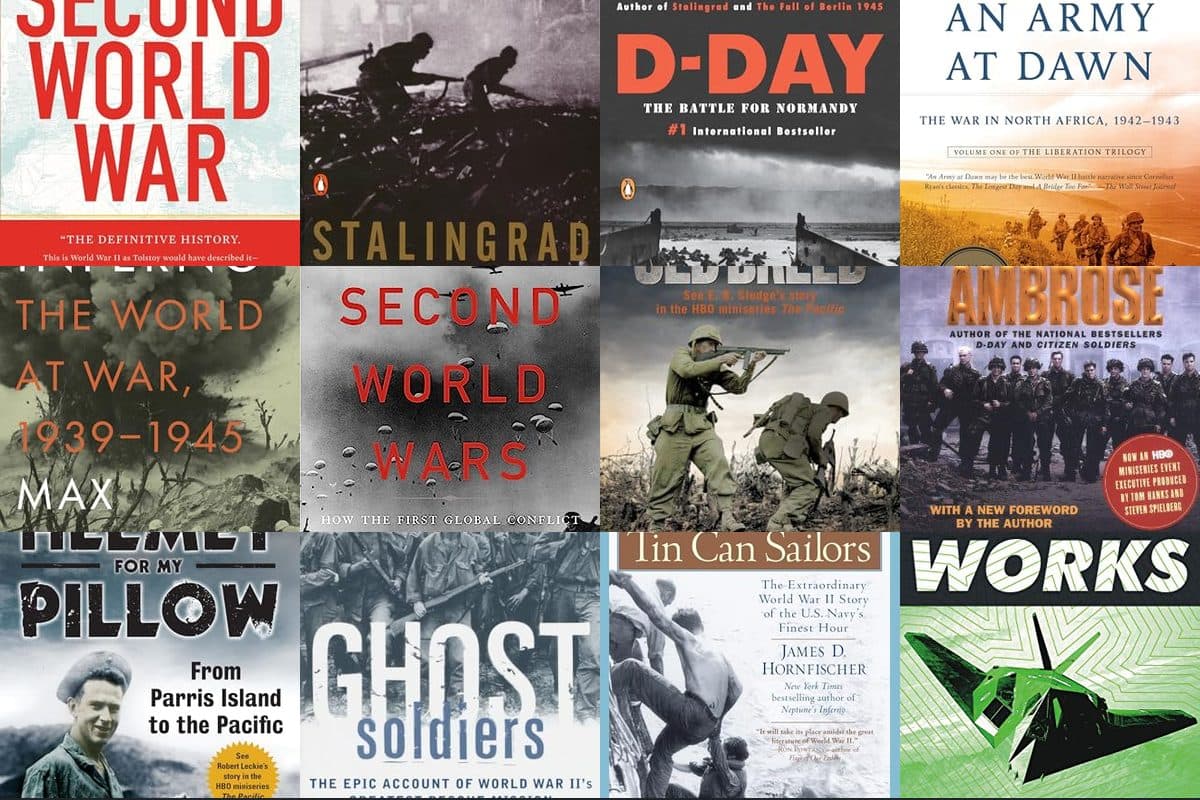
15 essential WW2 books covering every theater. Narrative histories, memoirs, and visual references ranked.
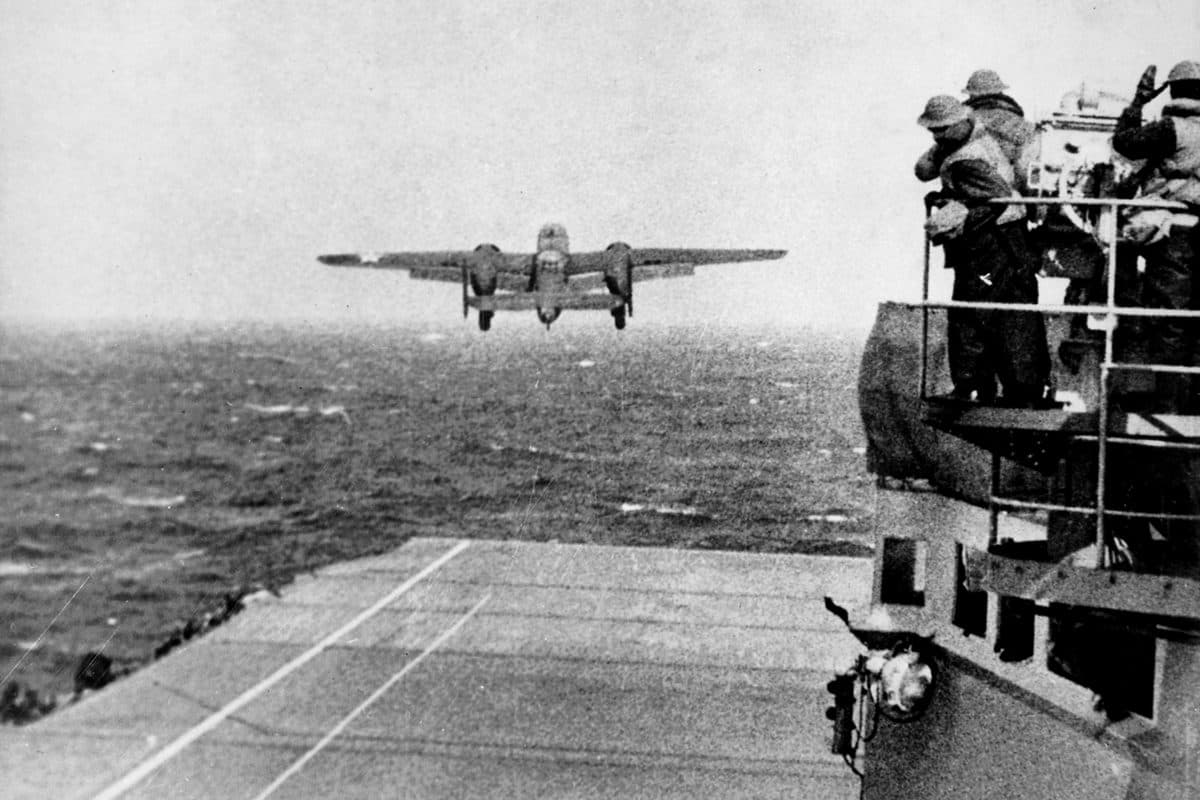
On April 18, 1942, sixteen B-25 Mitchell bombers did something no one thought possible: they launched from the deck of an aircraft carrier, flew 650 miles to Japan, and bombed Tokyo. Every aircraft was lost. The damage was negligible. The consequences changed the war.
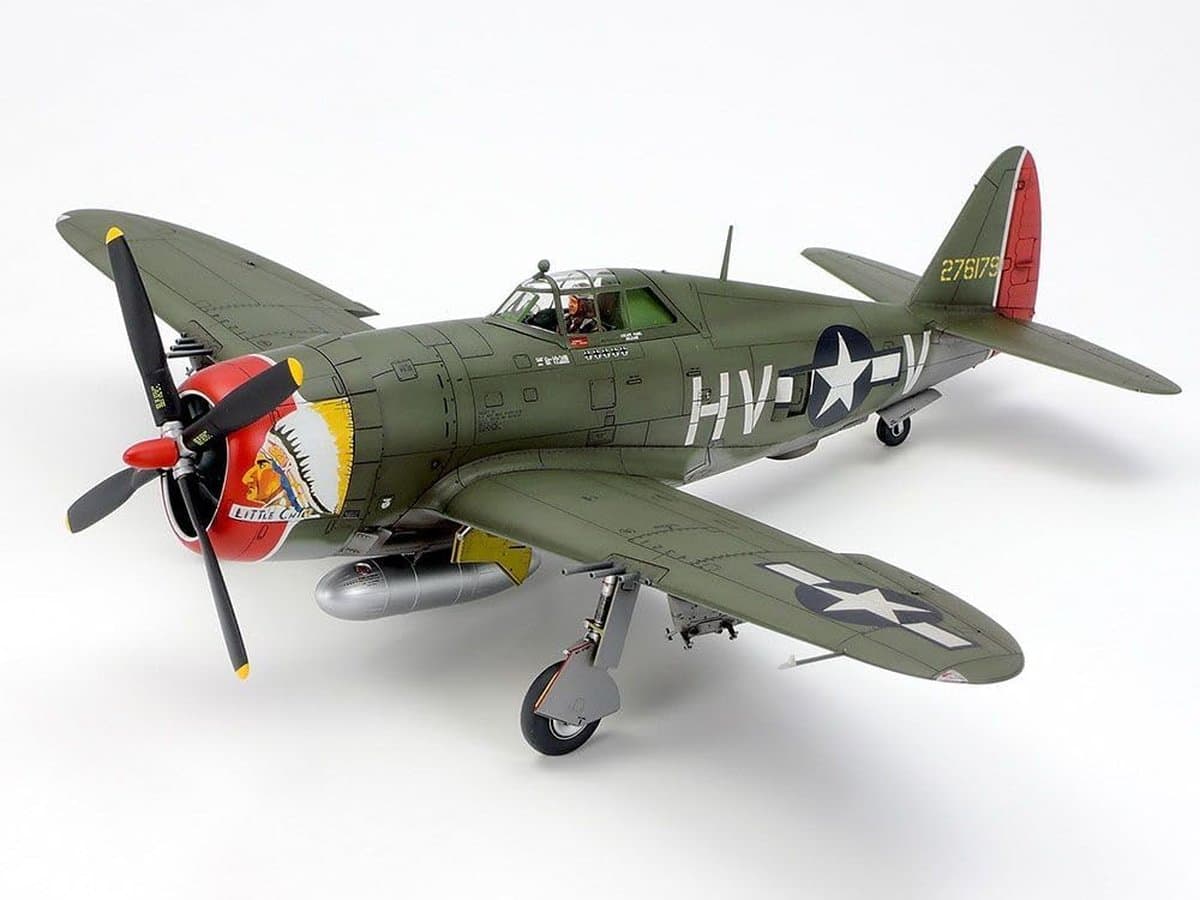
Compare 85+ WW2 scale model kits across aircraft, tanks, and ships. Beginner builds from $9 to museum-grade showpieces at $580. Covers Tamiya, Eduard, HK Models, Trumpeter, and more with honest reviews, trade-offs, and pricing.