

Skip to content
April 30:The Fall of Saigon51yr ago

March 8 in Military History

Share:

This Day in Military History: March 8

Go to Today
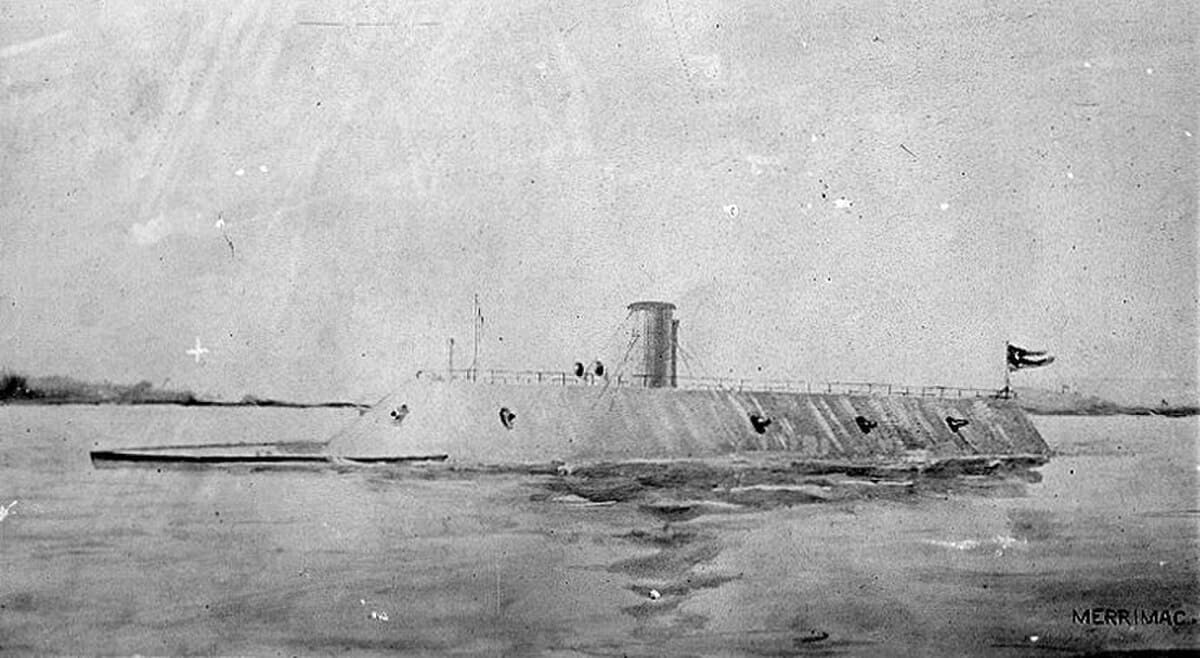
The CSS Virginia attacking Union wooden warships at Hampton Roads, with the USS Cumberland sinking in the background, March 8, 1862
Defining Moment164 years ago

CSS Virginia Destroys the Wooden Fleet at Hampton Roads

Navy· 1862

The Confederate ironclad CSS Virginia, rebuilt from the captured and scuttled USS Merrimack, steamed into Hampton Roads and attacked the Union's wooden blockading fleet, sinking the 24-gun sloop USS Cumberland by ramming and destroying the 50-gun frigate USS Congress by bombardment. Cannonballs bounced harmlessly off Virginia's iron armor. In a single afternoon, every wooden warship in every navy in the world became obsolete.

10 events, 2 notable births, 2 notable deaths, and 5 military quotes10events2births2deaths5quotes

1600s

1658RevolutionaryArmy368 years ago

Oliver Cromwell, Lord Protector of England and commander of the New Model Army, declined Parliament's offer of the title of King for the second and final time. Having overthrown and executed Charles I, Cromwell ruled as a military dictator but refused to restore the very institution he had fought to destroy, establishing the precedent that military power need not lead to monarchy.

1700s

1782RevolutionaryContinental244 years ago

Pennsylvania militia under Lieutenant Colonel David Williamson murdered 96 Christian Lenape (Delaware) Indians, men, women, and children, at the Moravian mission village of Gnadenhutten in the Ohio Country. The victims, pacifist converts who had been falsely accused of harboring warriors, were killed with mallets and scalped. The massacre remains one of the most notorious atrocities of the American frontier wars.

1800s

1801RevolutionaryArmyNavy225 years ago

British forces under Sir Ralph Abercromby began landing at Aboukir Bay, Egypt, to expel the French army that Napoleon had left behind after his 1798 campaign. Despite fierce French resistance on the beach, 5,500 British troops fought their way ashore in one of the most successful opposed amphibious landings before the 20th century.

1862Civil WarNavy164 years agoDefining Moment

The Confederate ironclad CSS Virginia steamed into Hampton Roads and sank the USS Cumberland and destroyed the USS Congress, proving that wooden warships were defenseless against iron-armored vessels. The day marked the end of the wooden navy era and the worst day for the U.S. Navy until Pearl Harbor.

1900s

1917WWIArmy109 years ago

Strikes and bread riots erupted in Petrograd (St. Petersburg), marking the beginning of the February Revolution. Within days, soldiers of the Petrograd garrison mutinied and joined the demonstrators. Tsar Nicholas II abdicated on March 15, ending three centuries of Romanov rule and setting the stage for the Bolshevik Revolution eight months later that would reshape global military alliances for the rest of the century.

1942WWIIArmy84 years ago

Japanese forces captured Rangoon, the capital and main port of Burma, after British and Indian forces evacuated the city. The loss of Rangoon cut the Burma Road, the last overland supply route to China, and forced the Allies into a grueling retreat northward that ranks among the worst military disasters of the Burma campaign.

1944WWIIArmy82 years ago

Japanese Lieutenant General Mutaguchi Renya launched Operation U-Go, sending three divisions across the Chindwin River into India, aiming to capture the British supply bases at Imphal and Kohima. The resulting battles became the largest defeat in Japanese army history, with approximately 55,000 Japanese killed, the majority from starvation, disease, and exhaustion during the catastrophic retreat.

1965VietnamMarines61 years ago

The 9th Marine Expeditionary Brigade, 3,500 Marines of Battalion Landing Team 3/9, waded ashore at Red Beach near Da Nang, South Vietnam, becoming the first American ground combat troops committed to the Vietnam War. They were greeted by South Vietnamese girls placing flower garlands around their necks. Eight years and 58,000 American dead later, the last Americans would leave by helicopter from a Saigon rooftop.

1983Cold WarArmyNavyAir ForceMarines43 years ago

President Ronald Reagan addressed the National Association of Evangelicals in Orlando, Florida, calling the Soviet Union an "evil empire" and warning against moral equivalence between the superpowers. The speech marked a dramatic rhetorical escalation in the Cold War and signaled Reagan's intent to confront Soviet communism rather than accommodate it.

2000s

2014ModernNavyAir Force12 years ago

Malaysia Airlines Flight MH370, carrying 239 people, disappeared during a flight from Kuala Lumpur to Beijing. The disappearance triggered the largest multinational military search operation in aviation history, with naval vessels and military aircraft from more than a dozen countries searching the Indian Ocean for months. The aircraft has never been found.

Enjoyed this page? Share it with someone who loves military history.

Share:

Never Miss a Day in Military History

Get daily military history, analysis, and technology delivered to your inbox.

Born on This Day

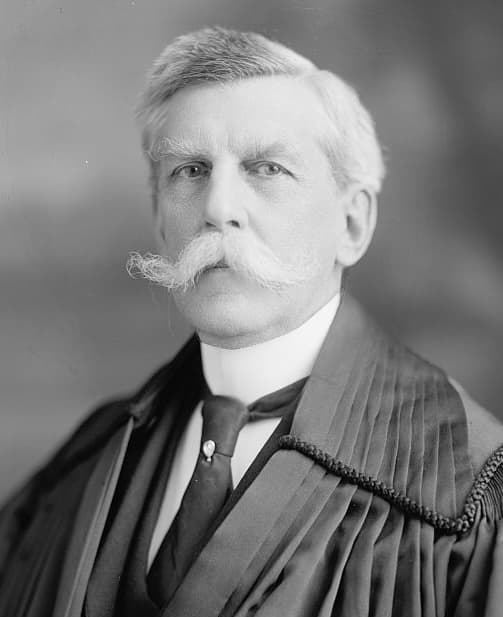
Oliver Wendell Holmes Jr.

Oliver Wendell Holmes Jr.

Captain, 20th Massachusetts Volunteer Infantry

b. 1841
Army

Served as a Union officer in the Civil War, was wounded three times (at Ball's Bluff, Antietam, and Fredericksburg), and later became one of the most influential Supreme Court Justices in American history. His Civil War experience profoundly shaped his judicial philosophy, teaching him that certainty was an illusion and that the law must bend to accommodate changing realities.

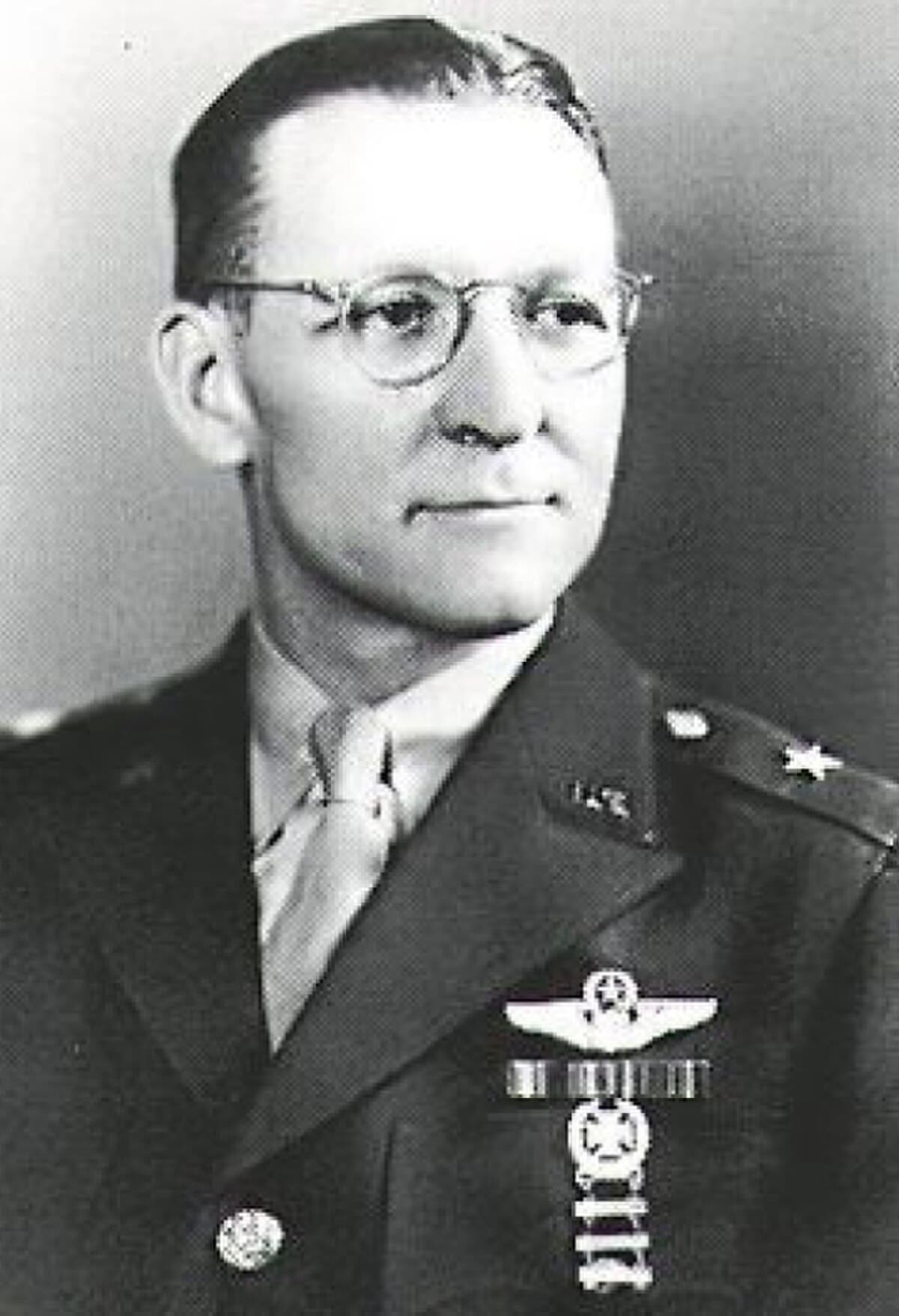
Kenneth Walker

Kenneth Walker

Brigadier General, U.S. Army Air Forces

b. 1898
AAF

A leading proponent of strategic bombing doctrine who received the Medal of Honor posthumously for personally leading bombing missions against heavily defended Japanese targets at Rabaul, New Britain. He was killed in action on January 5, 1943, when his B-17 was shot down. Walker was one of the highest-ranking American officers killed in the Pacific Theater.

Died on This Day

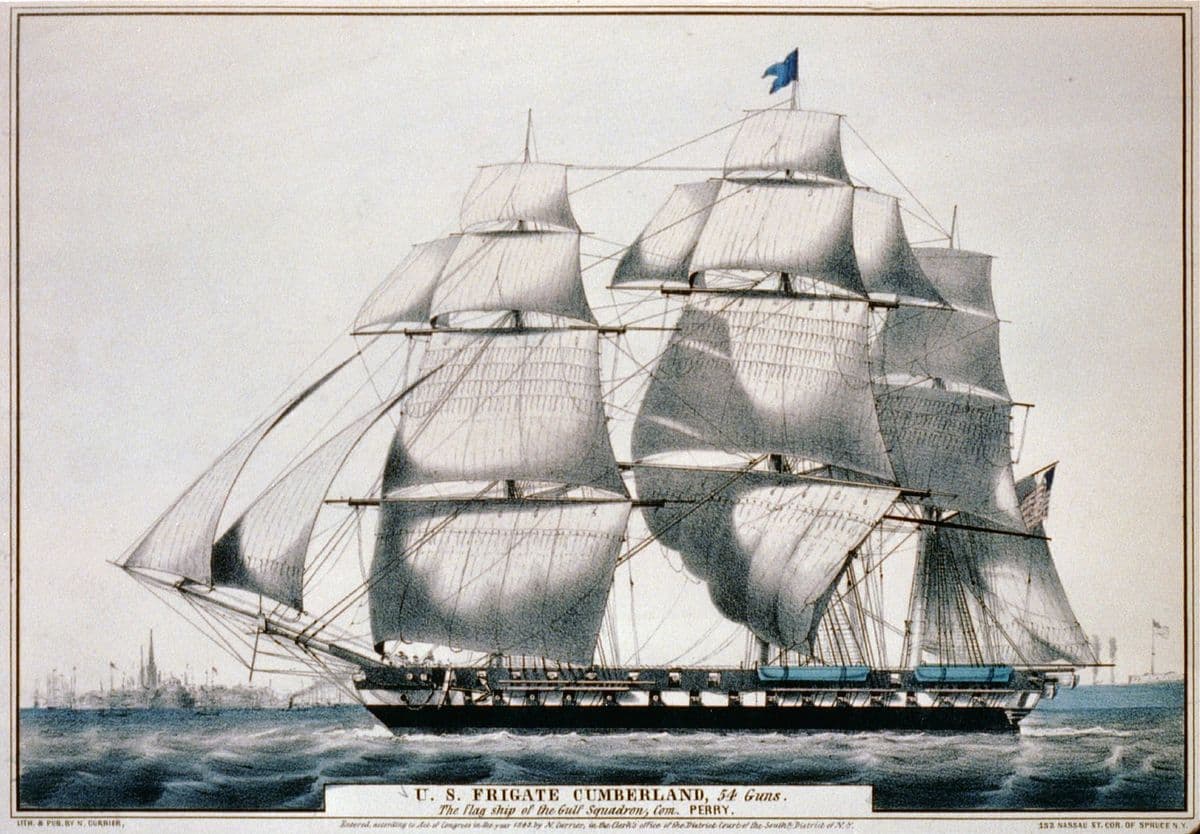
Crew of USS Cumberland

Crew of USS Cumberland

Various Ranks, U.S. Navy

d. 1862
Navy

121 sailors of the USS Cumberland were killed when the Confederate ironclad CSS Virginia rammed and sank their ship at Hampton Roads. The crew fought with extraordinary courage, continuing to fire even as the ship sank beneath them with her guns still blazing, an act of defiance that earned the admiration of both sides.

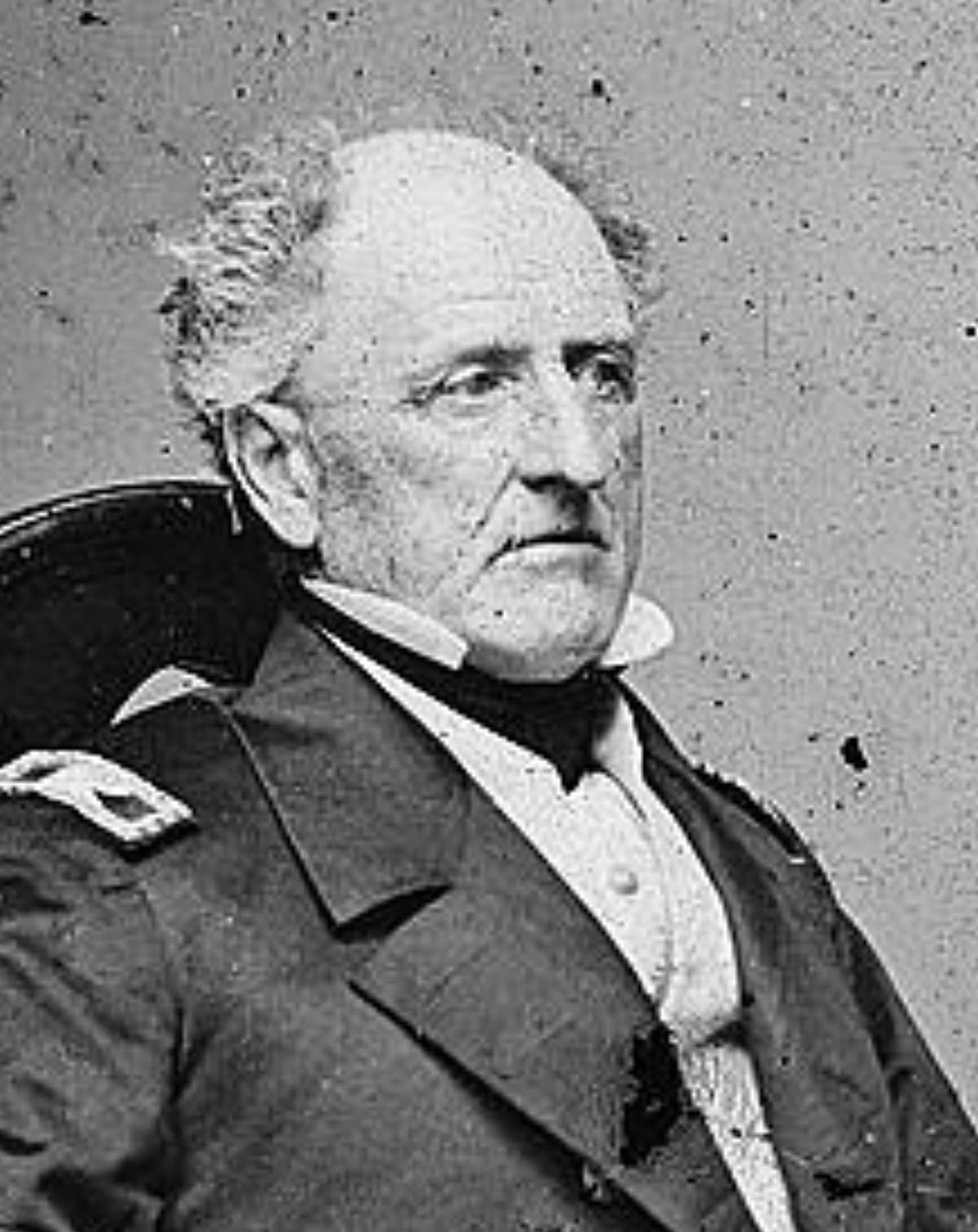
Flag Officer Franklin Buchanan

Flag Officer Franklin Buchanan

Flag Officer, Confederate States Navy

d. 1874

The first superintendent of the U.S. Naval Academy who resigned his commission to join the Confederacy. Commanding the CSS Virginia at Hampton Roads, Buchanan was wounded by musket fire while directing the destruction of the USS Congress and was unable to command during the next day's historic duel with the Monitor. He survived and later commanded Confederate naval forces at the Battle of Mobile Bay.

Military Quotes

I can do nothing more for them.

Lieutenant Joseph B. Smith

Acting Commander, USS Congress

Smith's reported words as he watched the CSS Virginia destroy the USS Cumberland, knowing his own ship was next. Smith was killed shortly afterward when the Virginia turned her guns on the Congress at Hampton Roads., 1862

That thing is coming and will sink every ship in the Roads.

Captain John Marston

Commander, USS Roanoke

Marston's assessment as the CSS Virginia emerged from the Elizabeth River on March 8, 1862, heading for the Union fleet at Hampton Roads, 1862

The whole nature of warfare at sea was changed in a single afternoon.

Contemporary Naval Observer

Reporting on the Battle of Hampton Roads

Assessment of the CSS Virginia's destruction of the wooden fleet at Hampton Roads, which instantly rendered every wooden warship in every navy in the world obsolete, 1862

It is better to die on your feet than live on your knees.

Emiliano Zapata

Mexican Revolutionary General

Zapata's famous declaration during the Mexican Revolution, which began on International Women's Day and saw women soldiers ("soldaderas") play a significant role in combat, 1910

I have returned to my own people and I shall remain with them until peace is restored.

Ho Chi Minh

Leader, Viet Minh

Ho Chi Minh's words upon returning to Vietnam, which he had left 30 years earlier. On March 8, 1965, the first American combat troops would land at Da Nang, beginning the war Ho had long predicted against another Western power., 1945

Frequently Asked Questions

What military events happened on March 8?

10 military events occurred on March 8, spanning multiple centuries. Key events include: CSS Virginia Destroys the Wooden Fleet at Hampton Roads (1862), U.S. Marines Land at Da Nang: America's Ground War Begins (1965), Japan Launches Operation U-Go: The March on India (1944), February Revolution Begins in Russia (1917), Reagan Delivers the "Evil Empire" Speech (1983).

What is the most significant military event on March 8?

The most significant military event on March 8 is CSS Virginia Destroys the Wooden Fleet at Hampton Roads (1862). The Confederate ironclad CSS Virginia, rebuilt from the captured and scuttled USS Merrimack, steamed into Hampton Roads and attacked the Union's wooden blockading fleet, sinking the 24-gun sloop USS Cumberland by ramming and destroying the 50-gun frigate USS Congress by bombardment. Cannonballs bounced harmlessly off Virginia's iron armor. In a single afternoon, every wooden warship in every navy in the world became obsolete.

What famous military figures were born on March 8?

Notable military figures born on March 8 include Oliver Wendell Holmes Jr. (1841–1935), Kenneth Walker (1898–1943).

What wars are represented in March 8's military timeline?

Events on March 8 span the Civil War, the Vietnam War, World War II, World War I, the Colonial & Revolutionary era, the Modern Era, the Cold War, covering 10 events across 5 centuries of military history.

How many military branches are represented on March 8?

Events on March 8 involve 5 branches of the U.S. and allied armed forces, reflecting the global scope of military operations throughout history.

What Happened on Your Birthday?

Explore military history from the day you were born.

Related Days by Era

Explore More Days

Related Articles

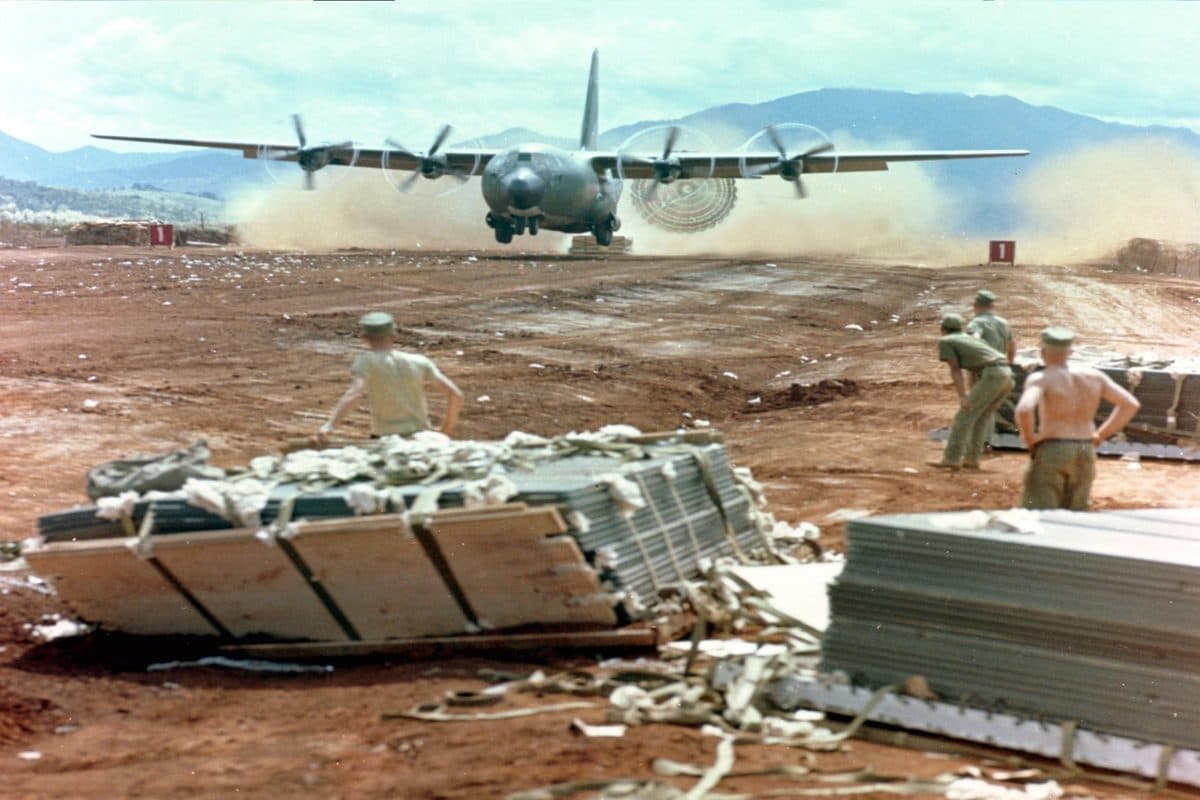
US Marines in foxholes at Khe Sanh combat base during the 1968 siege with fog-shrouded hills in the background

The Forgotten Siege of Khe Sanh: How 6,000 Marines Held a Base for 77 Days Against 20,000 NVA

For 77 days in 1968, 6,000 Marines held a remote hilltop combat base against 20,000-30,000 North Vietnamese soldiers. Operation Niagara dropped 110,000 tons of bombs around the perimeter. Resupply aircraft landed on a runway under constant shelling. The question isn't whether Khe Sanh was a tactical victory, it's whether it mattered.

daniel-mercer··11 min read
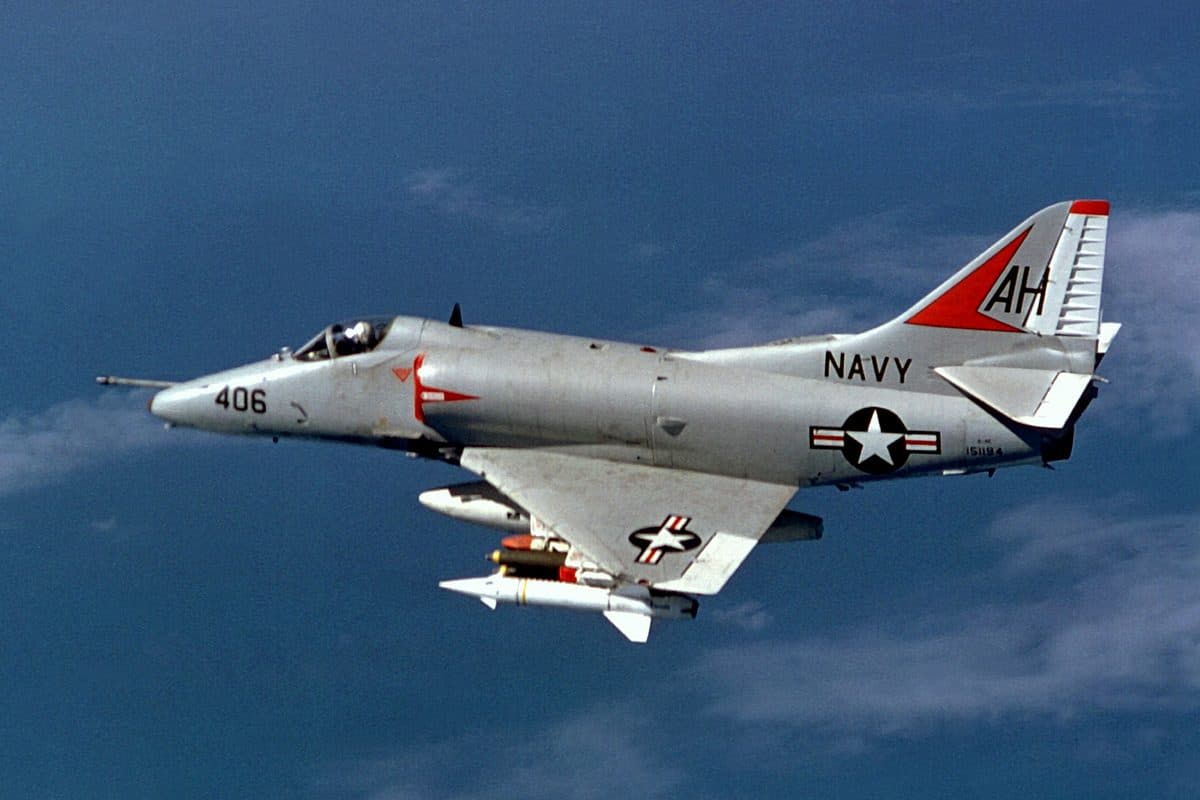
A-4 Skyhawk attack aircraft in flight showing its compact delta wing design and ordnance pylons

The A-4 Skyhawk: Heinemann's Hot Rod

When the Navy asked for a jet attack aircraft weighing 30,000 pounds, Douglas engineer Ed Heinemann delivered one that weighed half that. The A-4 Skyhawk was smaller, lighter, simpler, and cheaper than the Navy specified, and it turned out to be one of the most successful combat aircraft in history, serving with distinction from Vietnam to the Falklands over a career spanning four decades.

michael-trent··12 min read
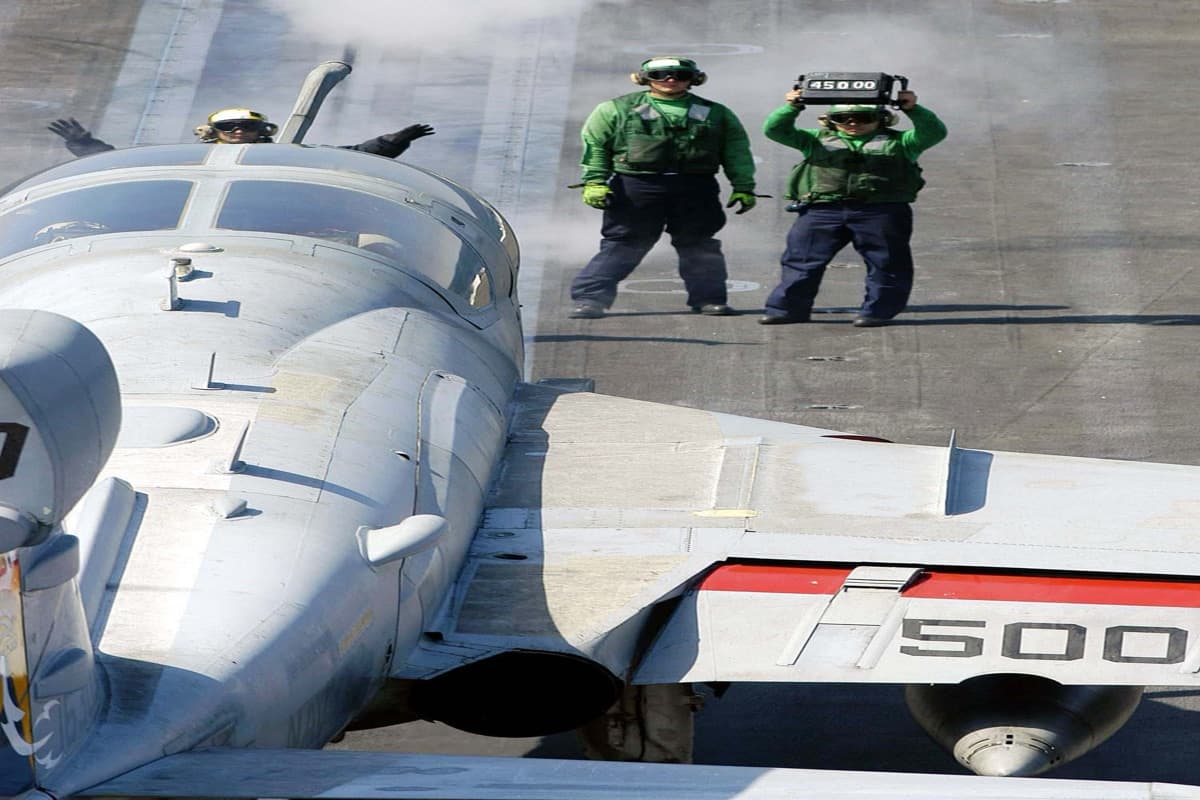
A USMC EA-6B Prowler Preparing for Its Last Deployment

Interesting Facts About The EA-6B Prowler

A Flawless Combat Record Sgt Neysa Huertes Quinones From its first deployments in 1970 during the Vietnam War through the current War…

daniel-mercer··6 min read