

15 Best World War II Books for History Enthusiasts (2026)
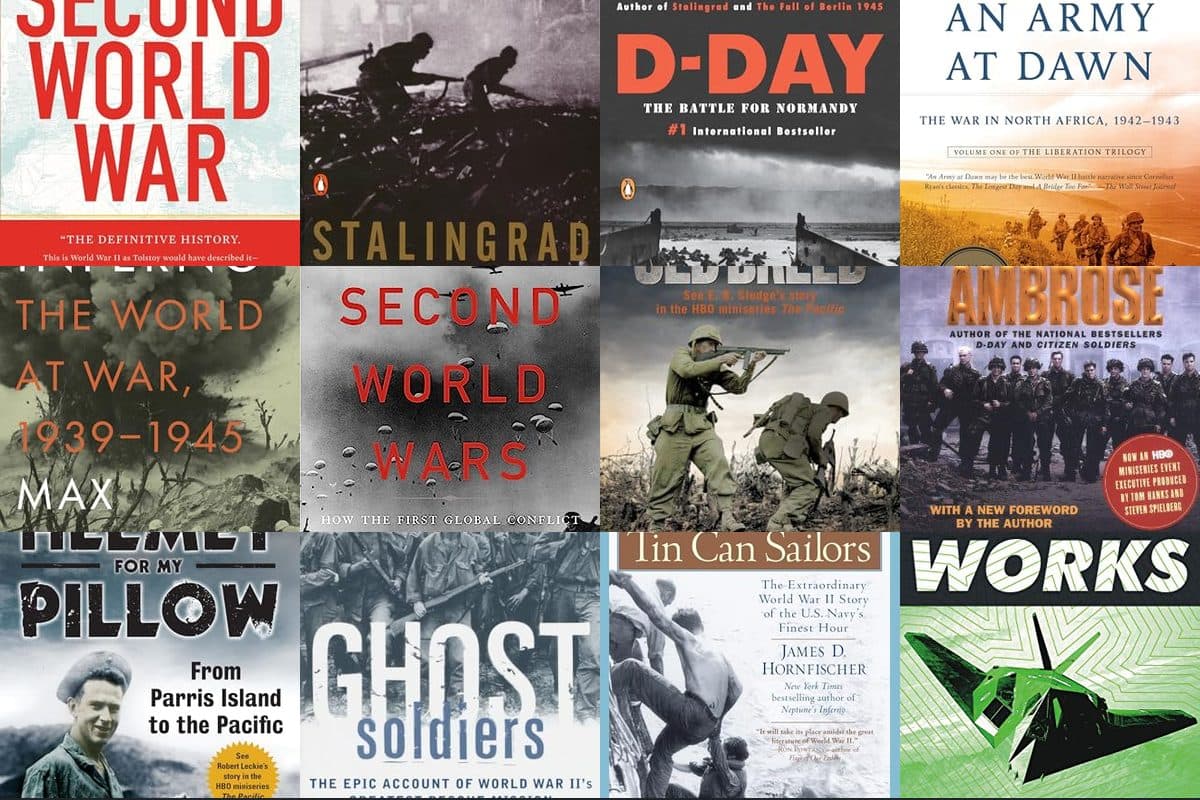
15 essential WW2 books covering every theater. Narrative histories, memoirs, and visual references ranked.
daniel-mercer··21 min read
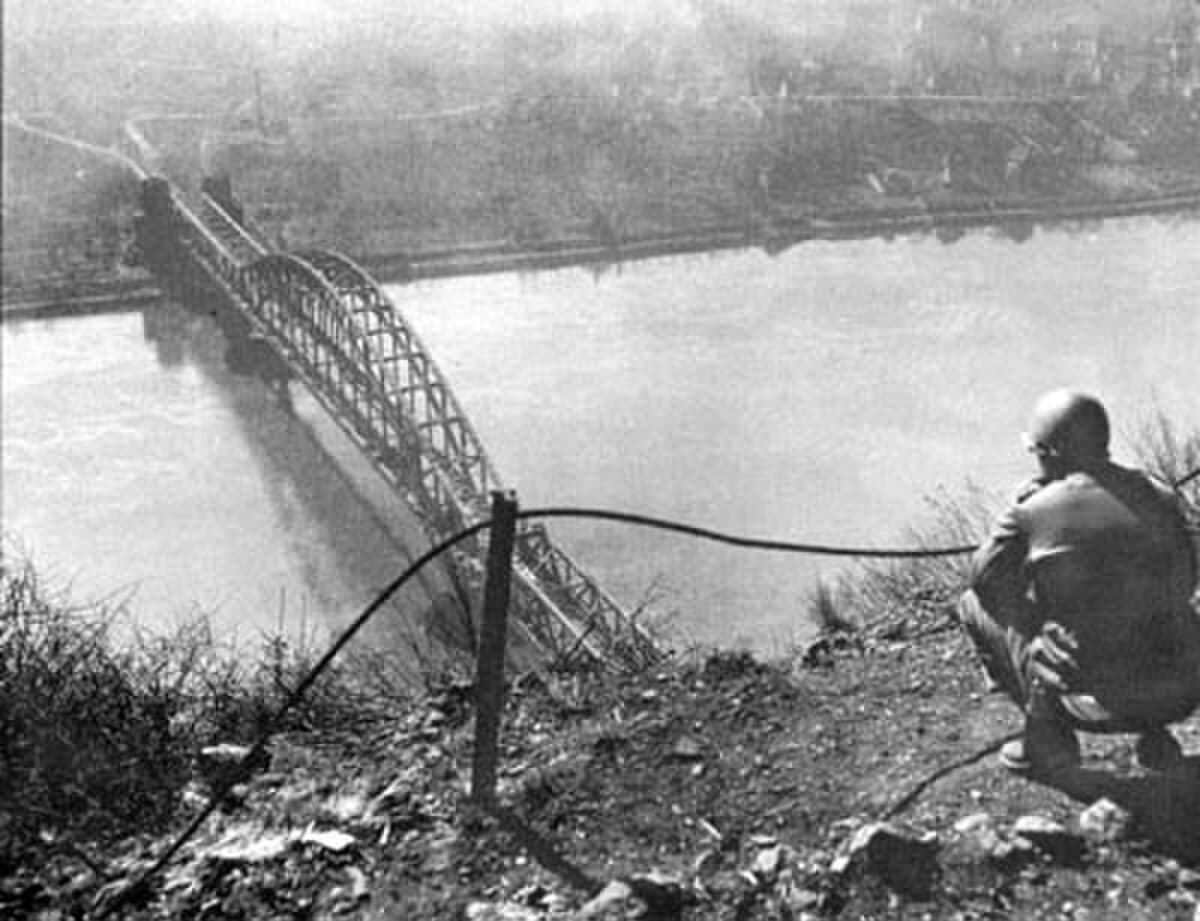
Soldiers of the U.S. 9th Armored Division discovered that the Ludendorff railroad bridge at Remagen was still standing, the only intact bridge over the Rhine. Under fire, infantry of the 27th Armored Infantry Battalion rushed across while German engineers desperately tried to demolish it. The capture gave the Allies their first bridgehead across the Rhine, shocking the German high command and accelerating the collapse of the Western Front.
The siege of Haarlem by Spanish forces during the Dutch Revolt entered its fourth month. The city's fierce resistance, including women fighting on the walls, became a symbol of Dutch determination against the Spanish Empire. The city eventually fell in July 1573 after a seven-month siege, but the resistance inspired the broader Dutch fight for independence.
Napoleon attacked Russian forces under General Mikhail Vorontsov entrenched on the Chemin des Dames plateau near Craonne, France. Despite committing the Young Guard and suffering heavy casualties, Napoleon drove the Russians from the plateau but failed to achieve the decisive victory he desperately needed as Allied armies closed in on Paris.
On the second day of the Battle of Pea Ridge in Arkansas, Union General Samuel Curtis launched a devastating counterattack against Confederate forces under Earl Van Dorn. With the Confederate left wing shattered by the deaths of Generals McCulloch and McIntosh the previous day, and Van Dorn's forces out of ammunition, Curtis drove the Confederates from the field in a decisive victory that secured Missouri for the Union.
Alexander Graham Bell received U.S. Patent No. 174,465 for the telephone. Though not a military event itself, the telephone would revolutionize military communications, replacing the telegraph's limitations with real-time voice communication. By World War I, field telephones connected trenches to headquarters, fundamentally changing the command and control of military operations.
In a massive gamble, Adolf Hitler ordered German troops to reoccupy the Rhineland, which had been demilitarized under the Treaty of Versailles and the Locarno Pact. France and Britain protested but took no military action. Hitler later admitted that the 48 hours after the march-in were "the most nerve-wracking of my life", if France had responded with force, the small German contingent would have had to withdraw.
Soldiers of the U.S. 9th Armored Division discovered that the Ludendorff railroad bridge at Remagen was still standing, the only intact bridge over the Rhine. Under fire, infantry rushed across while German engineers desperately tried to demolish it. The capture gave the Allies their first bridgehead across the Rhine and accelerated the collapse of the Western Front.
As the U.S. 3rd Armored Division pushed deeper into Cologne, the war's most famous tank engagement unfolded near the Cologne Cathedral. An M26 Pershing heavy tank destroyed a German Panther that had already knocked out two Shermans. The duel was captured on film by U.S. Army Signal Corps cameramen and remains some of the most widely viewed tank combat footage from World War II.
The U.S. Eighth Army under General Matthew Ridgway launched Operation Ripper, a major offensive to recapture Seoul and push Chinese and North Korean forces back across the 38th Parallel. The operation employed massive artillery and air support ahead of a methodical infantry advance, the "meat grinder" strategy that Ridgway used to inflict unsustainable casualties on Chinese forces.
Alabama state troopers and Dallas County posse men brutally attacked approximately 600 civil rights marchers at the Edmund Pettus Bridge in Selma, Alabama, using tear gas, clubs, and mounted horsemen. The nationally televised violence, including the beating of future Congressman John Lewis, shocked the nation and directly led to the passage of the Voting Rights Act of 1965.
UN chief weapons inspector Hans Blix told the Security Council that inspectors had found no weapons of mass destruction in Iraq after months of inspections. Despite this report, the United States and Britain continued to press their case for military action, and the invasion of Iraq began 13 days later on March 20, 2003.

Admiral, U.S. Navy
The first admiral in the United States Navy, famous for his victories at New Orleans and Mobile Bay during the Civil War. His command at Mobile Bay on August 5, 1864, produced the legendary order "Damn the torpedoes, full speed ahead!" He was commissioned as a midshipman at the extraordinary age of nine and first saw combat at age twelve.

Brigadier General, Confederate States Army
Both Confederate brigadier generals were killed at the Battle of Pea Ridge on March 7, 1862, McCulloch shot through the heart by a Union sharpshooter, and McIntosh killed leading a cavalry charge shortly after. The loss of both senior commanders in a single afternoon shattered the Confederate left wing and doomed the attack.
Wear the Timeline
10 military events occurred on March 7, spanning multiple centuries. Key events include: Capture of the Ludendorff Bridge at Remagen (1945), Hitler Remilitarizes the Rhineland (1936), Battle of Pea Ridge: The Decisive Day (1862), Bloody Sunday at Selma: National Guard and State Troopers Attack Marchers (1965), Battle of Cologne Continues: Famous Tank Duel at the Cathedral (1945).
The most significant military event on March 7 is Capture of the Ludendorff Bridge at Remagen (1945). Soldiers of the U.S. 9th Armored Division discovered that the Ludendorff railroad bridge at Remagen was still standing, the only intact bridge over the Rhine. Under fire, infantry of the 27th Armored Infantry Battalion rushed across while German engineers desperately tried to demolish it. The capture gave the Allies their first bridgehead across the Rhine, shocking the German high command and accelerating the collapse of the Western Front.
Notable military figures born on March 7 include Admiral David Farragut (1801–1870).
Events on March 7 span World War II, the Interwar Period, the Civil War, the Modern Era, the Korean War, the Colonial & Revolutionary era, covering 10 events across 4 centuries of military history.
Events on March 7 involve 4 branches of the U.S. and allied armed forces, reflecting the global scope of military operations throughout history.
Explore military history from the day you were born.
June 6
The Allied invasion of Normandy, the largest amphibious assault in history.
December 7
Japan attacks the U.S. Pacific Fleet, bringing America into World War II.
September 11
The deadliest terrorist attack in history transforms U.S. national security.
August 6
The first atomic bomb is dropped on a city, ushering in the nuclear age.
May 8
Nazi Germany surrenders unconditionally, ending World War II in Europe.
November 11
Armistice Day marks the end of World War I and honors all who served.
June 4
The turning point of the Pacific War as the U.S. Navy destroys four Japanese carriers.
July 4
The Declaration of Independence is adopted, sparking the American Revolution.
15 essential WW2 books covering every theater. Narrative histories, memoirs, and visual references ranked.
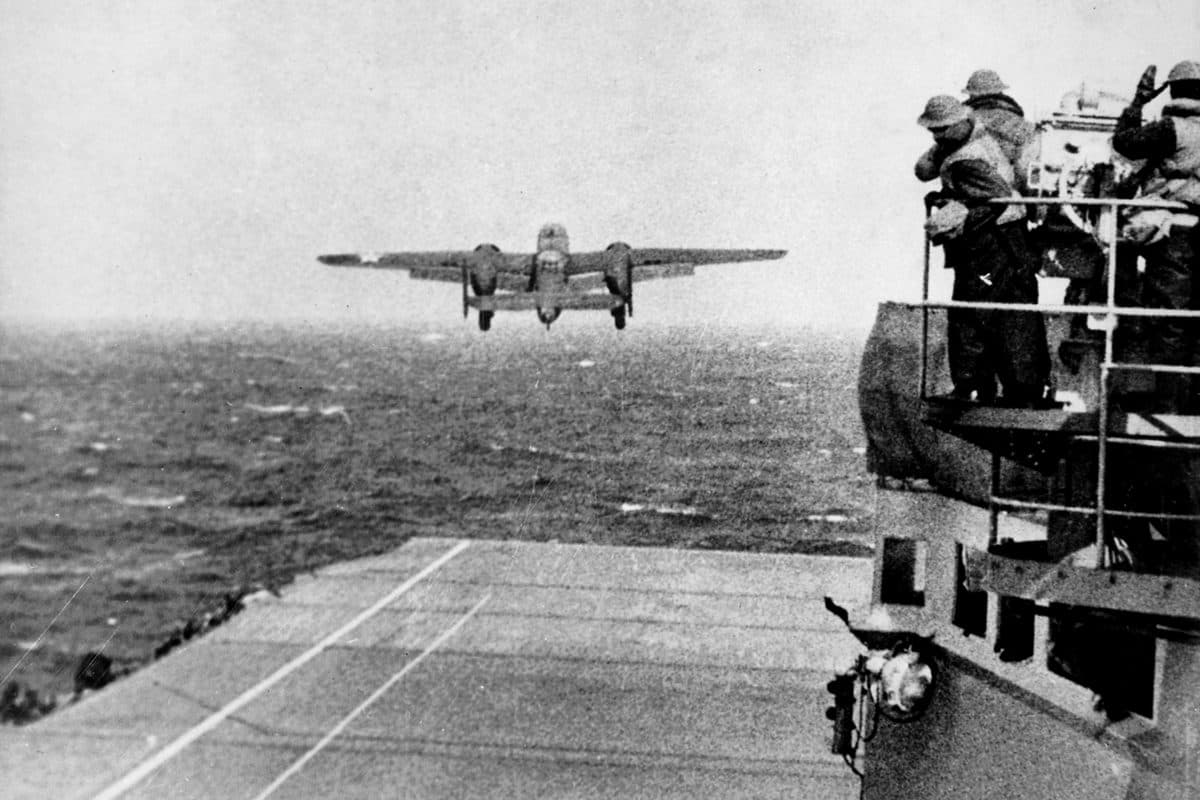
On April 18, 1942, sixteen B-25 Mitchell bombers did something no one thought possible: they launched from the deck of an aircraft carrier, flew 650 miles to Japan, and bombed Tokyo. Every aircraft was lost. The damage was negligible. The consequences changed the war.
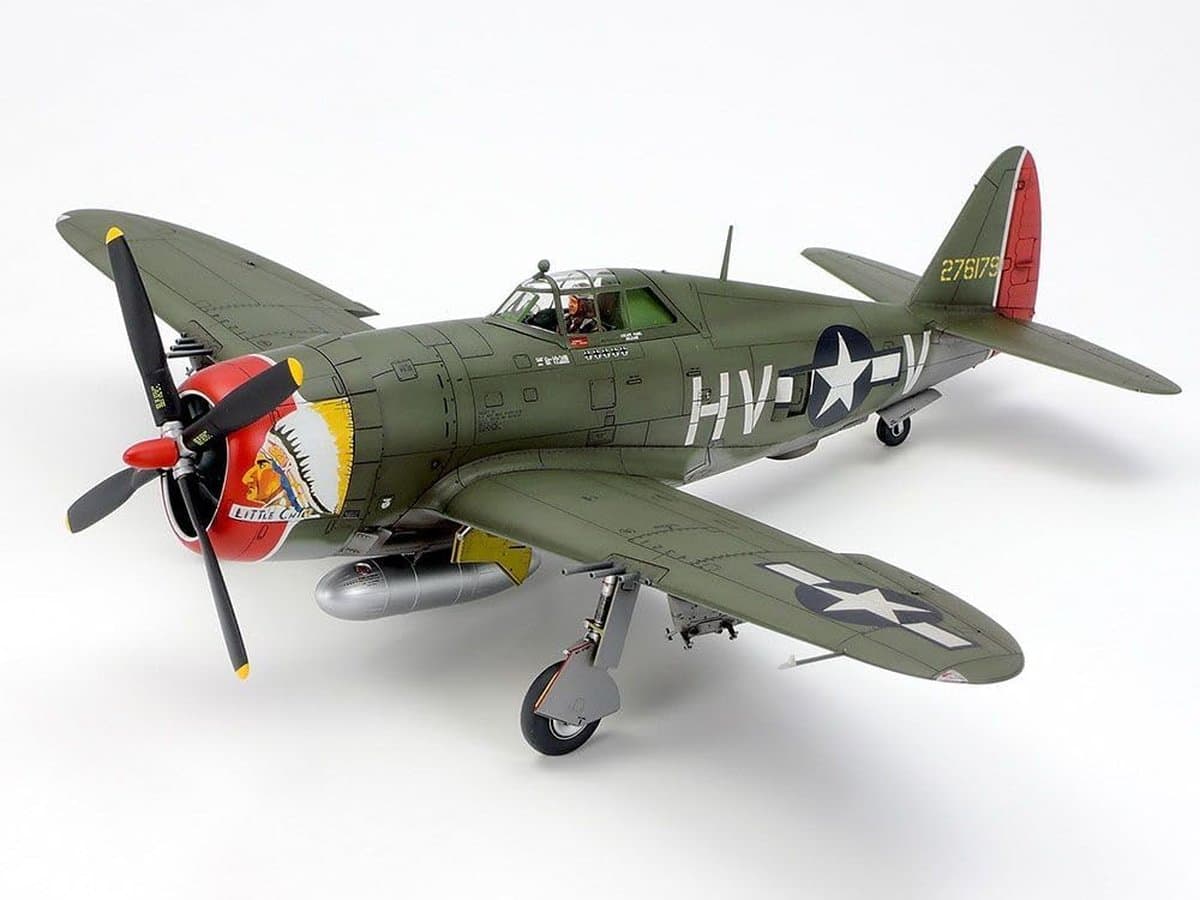
Compare 85+ WW2 scale model kits across aircraft, tanks, and ships. Beginner builds from $9 to museum-grade showpieces at $580. Covers Tamiya, Eduard, HK Models, Trumpeter, and more with honest reviews, trade-offs, and pricing.

On April 7, 1945, the Imperial Japanese Navy sent the largest battleship ever built on a one-way suicide mission to Okinawa. She never arrived. 386 American aircraft found her first, and sank her in under two hours.