

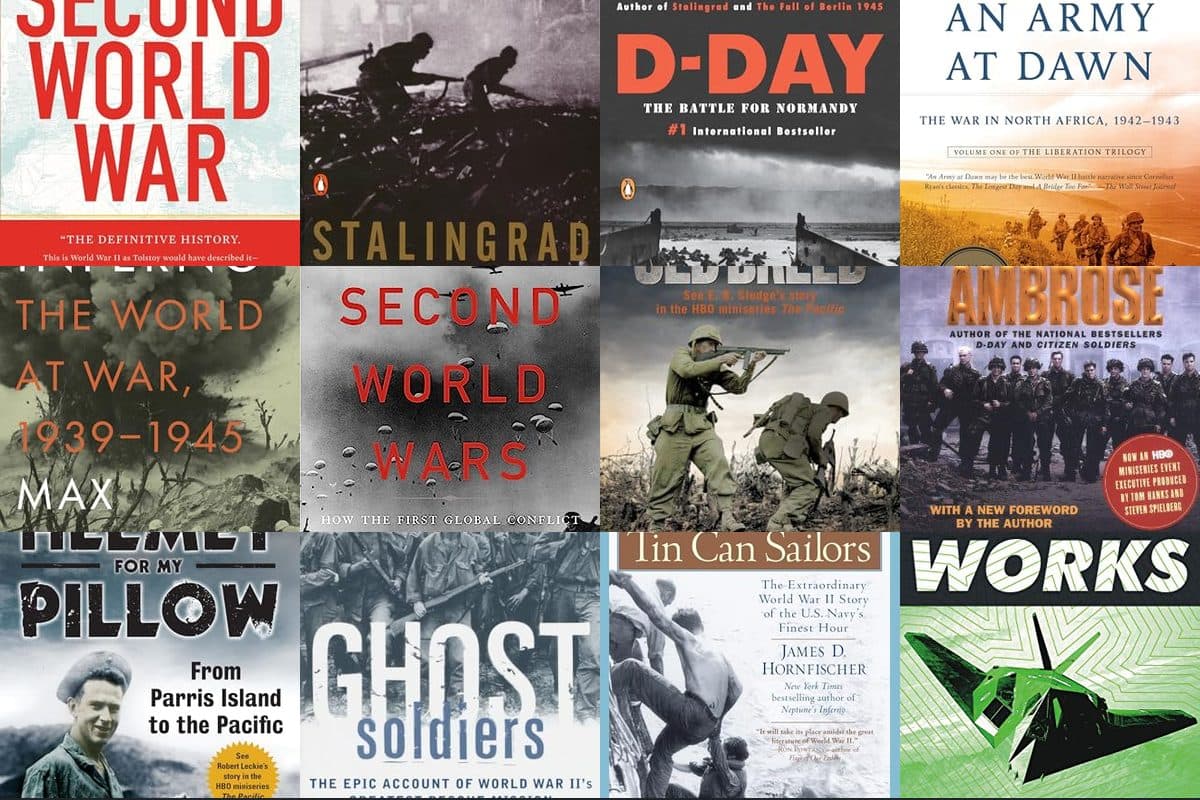
15 Best World War II Books for History Enthusiasts (2026)
15 essential WW2 books covering every theater. Narrative histories, memoirs, and visual references ranked.
daniel-mercer··21 min read
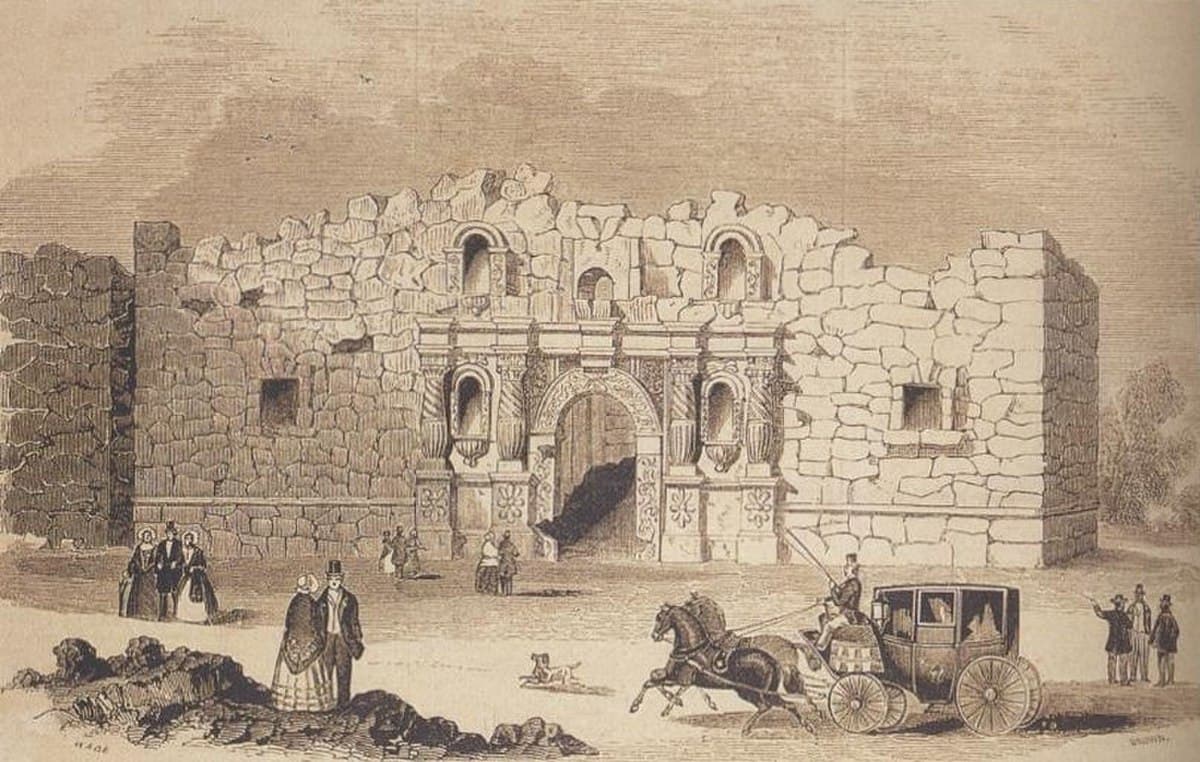
After a 13-day siege, Mexican President-General Antonio López de Santa Anna ordered a pre-dawn assault on the Alamo mission in San Antonio, Texas. All of the roughly 200 Texan and Tejano defenders were killed, including William Barret Travis, Jim Bowie, and Davy Crockett. Santa Anna's order of no quarter transformed the Alamo from a military defeat into a rallying cry, "Remember the Alamo!", that fueled the Texan victory at San Jacinto six weeks later.
President James Monroe signed the Missouri Compromise, admitting Missouri as a slave state and Maine as a free state while prohibiting slavery in the remaining Louisiana Purchase territory north of the 36°30' parallel. The compromise postponed the crisis over slavery for three decades but, as Thomas Jefferson wrote, tolled "a fire bell in the night" for the Union.
After a 13-day siege, Mexican President-General Antonio López de Santa Anna ordered a pre-dawn assault on the Alamo mission in San Antonio, Texas. All of the roughly 200 Texan and Tejano defenders were killed, including William Barret Travis, Jim Bowie, and Davy Crockett. Santa Anna's order of no quarter transformed the Alamo from a military defeat into a rallying cry that fueled the Texan victory at San Jacinto six weeks later.
The U.S. Supreme Court issued its infamous Dred Scott v. Sandford decision, ruling that African Americans were not citizens and had no standing to sue in federal court, and that Congress had no authority to prohibit slavery in the territories. Chief Justice Roger Taney's opinion inflamed sectional tensions and pushed the nation closer to civil war.
Confederate General Earl Van Dorn attacked Union forces under Brigadier General Samuel Curtis at Pea Ridge (Elkhorn Tavern) in northwestern Arkansas. The two-day battle, the largest engagement west of the Mississippi, resulted in a decisive Union victory that secured Missouri for the Union and ensured Confederate forces could not threaten the Northern heartland from the Trans-Mississippi Theater.
Confederate militia and reserve forces, including teenage cadets from the West Florida Seminary, defeated a Union force attempting to capture Tallahassee, making it one of only two Confederate state capitals east of the Mississippi that never fell to Union forces during the Civil War. The battle came just five weeks before Lee's surrender at Appomattox.
Field Marshal Erwin Rommel launched his last offensive in North Africa, attacking the British Eighth Army at Medenine in Tunisia. Forewarned by Ultra intelligence intercepts, General Bernard Montgomery had positioned his forces in prepared defenses with massed anti-tank guns. The attack was a costly failure, Rommel lost 52 tanks and achieved nothing. He left Africa on March 9, never to return.
The U.S. Eighth Air Force launched its first major daylight bombing raid on Berlin, sending 660 B-17 Flying Fortresses and B-24 Liberators against targets in the German capital. The raiders lost 69 bombers and 11 fighters, the heaviest single-day loss in the Eighth Air Force's history, but the raid demonstrated that no target in Germany was beyond the reach of Allied air power.
Lead elements of the U.S. 3rd Armored Division, part of VII Corps, entered the outskirts of Cologne, Germany's fourth-largest city, as part of Operation Lumberjack. The advance to the Rhine continued through fierce street fighting over the next two days, culminating in the famous tank duel near the Cologne Cathedral between an M26 Pershing and a German Panther.
Vietnamese leader Ho Chi Minh signed an accord with France recognizing Vietnam as a "free state" within the French Union, with French troops permitted to return to northern Vietnam. The agreement was a pragmatic compromise, Ho famously said "It is better to sniff French dung for a while than eat China's all our lives", but it merely delayed the First Indochina War, which erupted later that year.
President George H.W. Bush addressed a joint session of Congress to declare victory in the Gulf War, announcing that Kuwait had been liberated and Iraq's military machine had been devastated. Bush declared a "new world order" and enjoyed a 90% approval rating, the highest ever recorded for an American president.

Major General, Soviet Air Force
The first woman in space, flying the Vostok 6 mission in June 1963. A textile factory worker who joined an amateur parachuting club, she was selected from over 400 applicants for the Soviet space program. She orbited Earth 48 times in nearly three days, logging more time in space than all American astronauts combined at that point.

Soldier and Author
French soldier and playwright who served in the French Army during the Thirty Years' War, was wounded at the Siege of Arras in 1640, and later became famous for his literary works. His reputation as a fearless duellist and his prominent nose were later immortalized in Edmond Rostand's famous play.
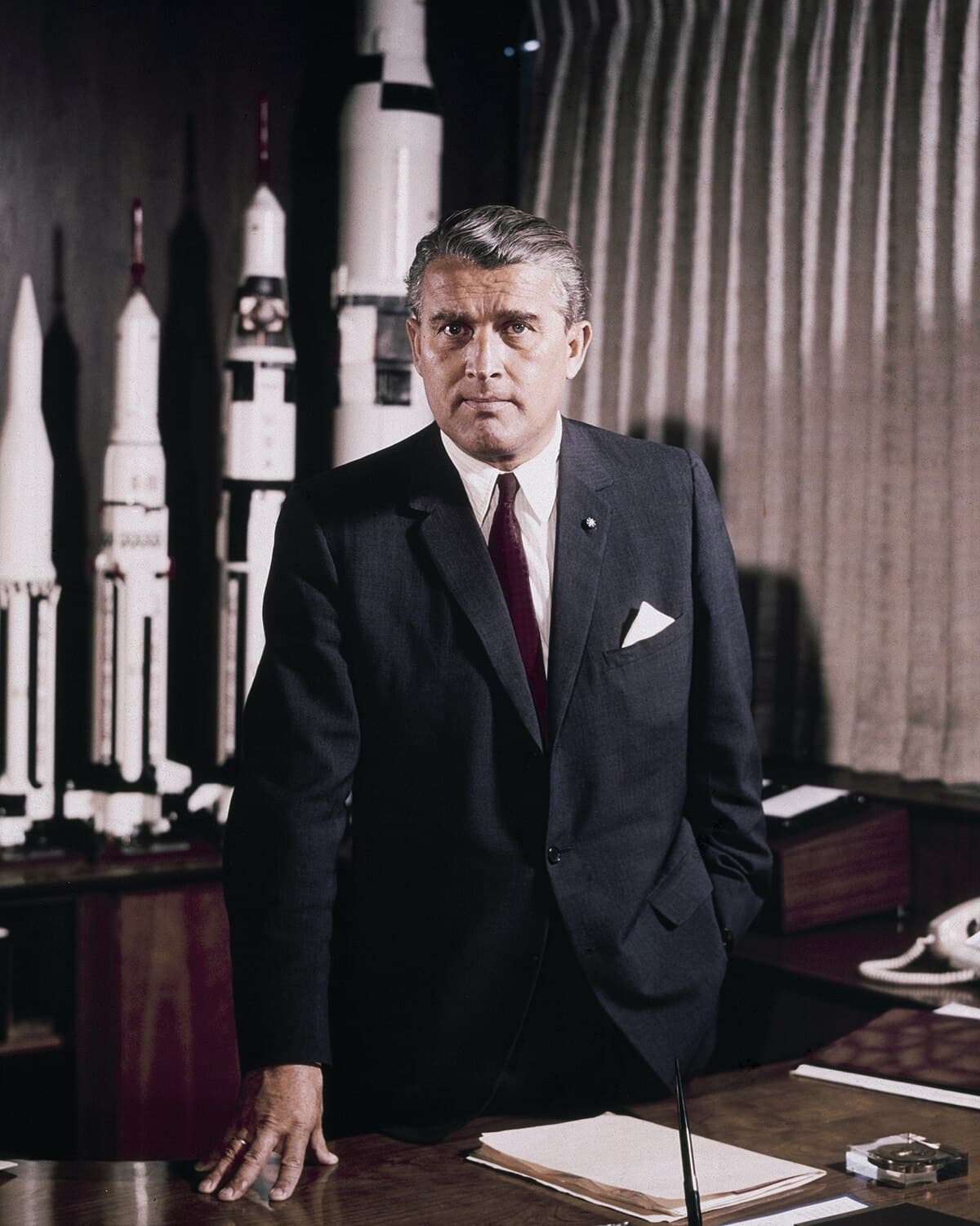
SS-Sturmbannführer / NASA Director
German-American rocket engineer who developed the V-2 rocket for Nazi Germany, the world's first long-range ballistic missile, then became the chief architect of the Saturn V rocket that carried Americans to the Moon. His controversial career spanned from war criminal's workshop to NASA's greatest triumph.

Colonel, Texas Army
Commander of the Alamo garrison, killed during the final Mexican assault at age 26. His letter from the Alamo, "I shall never surrender or retreat... Victory or Death", became one of the most celebrated documents of the Texas Revolution and American frontier history.

Former U.S. Congressman / Alamo Defender
Legendary frontier hero, bear hunter, and three-term U.S. Congressman from Tennessee who came to Texas seeking a new start after losing his re-election bid. Killed at the Alamo at age 49, the circumstances of his death, whether fighting to the last or captured and executed, remain debated among historians.

Colonel, Texas Volunteers
Frontier legend famous for the Bowie knife that bore his name. Co-commander of the Alamo garrison, Bowie was bedridden with a debilitating illness (likely typhoid pneumonia) during the siege and was killed on his cot during the final assault. His reputation as one of the most dangerous fighters on the American frontier made his death at the Alamo particularly resonant.
Wear the Timeline
10 military events occurred on March 6, spanning multiple centuries. Key events include: The Fall of the Alamo (1836), Battle of Pea Ridge Begins (1862), U.S. 3rd Armored Division Enters Cologne (1945), First Major American Daylight Bombing Raid on Berlin (1944), Dred Scott Decision (1857).
The most significant military event on March 6 is The Fall of the Alamo (1836). After a 13-day siege, Mexican President-General Antonio López de Santa Anna ordered a pre-dawn assault on the Alamo mission in San Antonio, Texas. All of the roughly 200 Texan and Tejano defenders were killed, including William Barret Travis, Jim Bowie, and Davy Crockett. Santa Anna's order of no quarter transformed the Alamo from a military defeat into a rallying cry, "Remember the Alamo!", that fueled the Texan victory at San Jacinto six weeks later.
Notable military figures born on March 6 include Valentina Tereshkova (1937–present), Cyrano de Bergerac (1619–1655), Wernher von Braun (1912–1977).
Events on March 6 span the Colonial & Revolutionary era, the Civil War, World War II, the Cold War, the Modern Era, covering 10 events across 2 centuries of military history.
Events on March 6 involve 5 branches of the U.S. and allied armed forces, reflecting the global scope of military operations throughout history.
Explore military history from the day you were born.
June 6
The Allied invasion of Normandy, the largest amphibious assault in history.
December 7
Japan attacks the U.S. Pacific Fleet, bringing America into World War II.
September 11
The deadliest terrorist attack in history transforms U.S. national security.
August 6
The first atomic bomb is dropped on a city, ushering in the nuclear age.
May 8
Nazi Germany surrenders unconditionally, ending World War II in Europe.
November 11
Armistice Day marks the end of World War I and honors all who served.
June 4
The turning point of the Pacific War as the U.S. Navy destroys four Japanese carriers.
July 4
The Declaration of Independence is adopted, sparking the American Revolution.
15 essential WW2 books covering every theater. Narrative histories, memoirs, and visual references ranked.
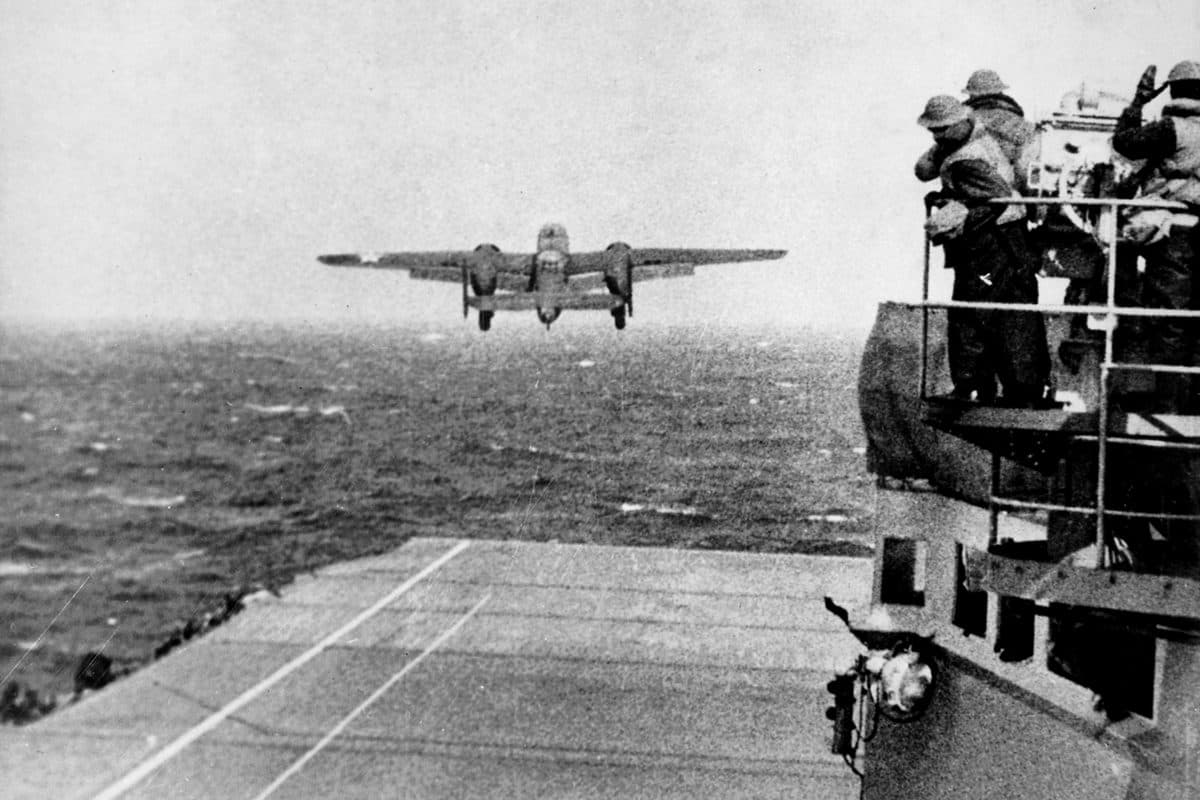
On April 18, 1942, sixteen B-25 Mitchell bombers did something no one thought possible: they launched from the deck of an aircraft carrier, flew 650 miles to Japan, and bombed Tokyo. Every aircraft was lost. The damage was negligible. The consequences changed the war.
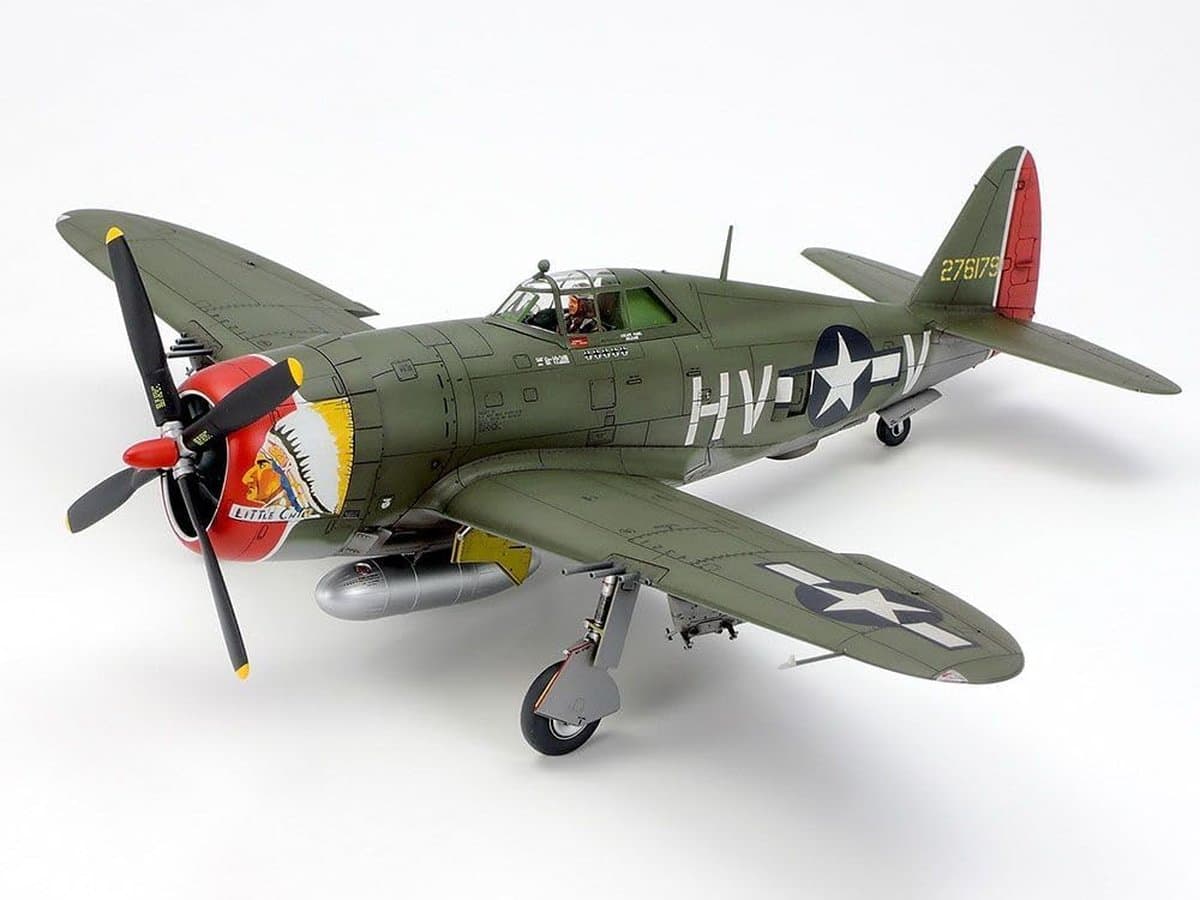
Compare 85+ WW2 scale model kits across aircraft, tanks, and ships. Beginner builds from $9 to museum-grade showpieces at $580. Covers Tamiya, Eduard, HK Models, Trumpeter, and more with honest reviews, trade-offs, and pricing.

On April 7, 1945, the Imperial Japanese Navy sent the largest battleship ever built on a one-way suicide mission to Okinawa. She never arrived. 386 American aircraft found her first, and sank her in under two hours.