

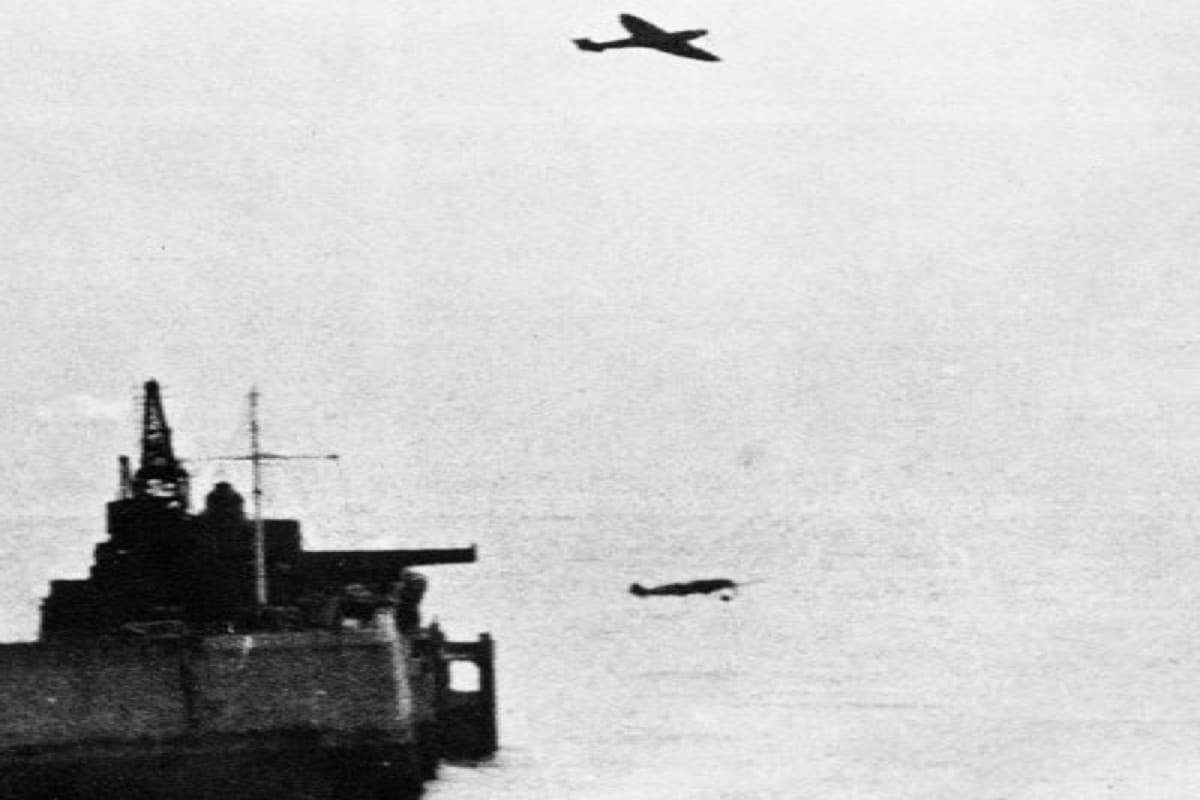
Supermarine Spitfire - Savior of Britain
The Spitfire is more than just the most iconic fighter in British history. In the bleak days early days of WWII when the UK stood alone against the Nazi’s, the…
michael-trent··4 min read
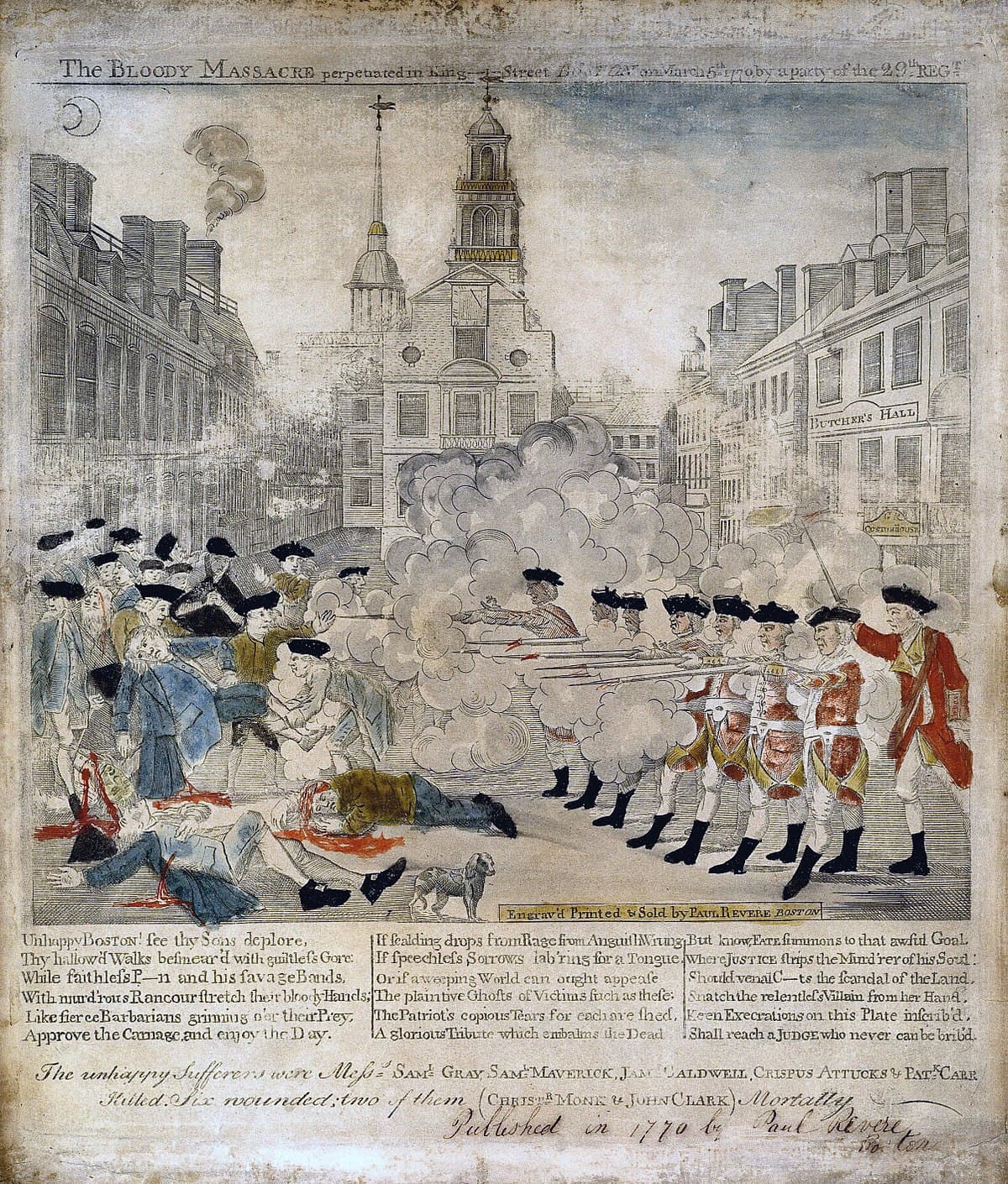
British soldiers fired into a crowd of colonists outside the Custom House on King Street in Boston, killing five men. The incident became a rallying point for the American independence movement and was exploited by patriot leaders like Samuel Adams and Paul Revere to inflame anti-British sentiment throughout the colonies.
British soldiers fired into a crowd of colonists outside the Custom House on King Street in Boston, killing five men. The incident became a rallying point for the American independence movement and was exploited by patriot leaders like Samuel Adams and Paul Revere to inflame anti-British sentiment throughout the colonies.
On the twelfth day of the Siege of the Alamo, Mexican forces under General Santa Anna completed their encirclement of the former mission. Colonel William Barret Travis, co-commanding with Jim Bowie (who was bedridden with illness), sent out his last courier with a desperate plea for reinforcements. The final assault would come the following morning.
President Lincoln formally promoted Ulysses S. Grant to the rank of Lieutenant General, a rank previously held only by George Washington. The promotion made Grant the commanding general of all Union armies. Grant immediately began planning the coordinated multi-front offensive strategy that would ultimately end the Civil War within a year.
President Woodrow Wilson was inaugurated for his second term, having won re-election partly on the slogan "He kept us out of war." Yet within a month, Germany's resumption of unrestricted submarine warfare and the Zimmermann Telegram would compel Wilson to ask Congress for a declaration of war on April 2, 1917, bringing America into World War I.
The prototype Supermarine Spitfire (K5054) made its maiden flight from Eastleigh Aerodrome near Southampton, piloted by Captain Joseph "Mutt" Summers, chief test pilot for Vickers. Upon landing after the eight-minute flight, Summers famously said "don't touch anything," wanting the control settings preserved for consultation with designer R.J. Mitchell. The Spitfire would become the most iconic British fighter of World War II.
Related articleSoviet secret police chief Lavrentiy Beria presented a proposal to Joseph Stalin and the Politburo to execute 25,700 Polish prisoners of war, military officers, police, intellectuals, and other leaders held in Soviet camps since the 1939 invasion of Poland. Stalin and the Politburo approved the order. The executions, carried out in April and May 1940, would be concealed for decades and blamed on Nazi Germany.
The Gloster E.28/39, Britain's first jet-powered aircraft designed by Frank Whittle's team, had already flown in 1941. By March 1943, work on the twin-engine Gloster Meteor, the first operational British jet fighter, was well underway, with the first prototype making taxi tests. The Meteor would become the only Allied jet aircraft to see combat in World War II.
Brigadier Orde Wingate launched Operation Thursday, the largest airborne invasion in the China-Burma-India Theater. Approximately 9,000 Chindits, British and Indian long-range penetration troops, were flown by glider and transport aircraft into jungle clearings deep behind Japanese lines in Burma to establish fortified strongholds and disrupt enemy communications.
As elements of the U.S. 3rd Armored Division's Task Force fought into the streets of Cologne, Germany, one of the war's most famous tank duels took place near the iconic Cologne Cathedral. A brand-new M26 Pershing heavy tank engaged and destroyed a German Panther tank in a dramatic duel captured on film by combat cameramen, footage that remains among the most viewed tank combat film of World War II.
Former British Prime Minister Winston Churchill delivered his famous "Sinews of Peace" address at Westminster College in Fulton, Missouri, with President Harry Truman on the platform. Churchill declared that "an iron curtain has descended across the Continent," warning that Soviet expansion threatened the freedom of Central and Eastern Europe. The speech is widely regarded as marking the public beginning of the Cold War.
Soviet dictator Joseph Stalin died at his Kuntsevo dacha outside Moscow at the age of 74, following a stroke suffered on March 1. His death ended nearly three decades of brutal totalitarian rule, triggered a power struggle within the Soviet leadership, and led to significant shifts in Cold War dynamics including the eventual policy of de-Stalinization under Nikita Khrushchev.
U.S. Army troops of the 101st Airborne Division fought fierce engagements in and around the A Shau Valley in Vietnam. The valley, a major conduit for North Vietnamese troops and supplies moving south along the Ho Chi Minh Trail, was the site of repeated American incursions throughout 1969 as part of operations to interdict enemy supply lines.
In the aftermath of the Gulf War ceasefire declared on February 28, coalition forces continued processing the massive influx of Iraqi prisoners of war. By early March, more than 86,000 Iraqi soldiers had surrendered, the largest mass capitulation since World War II, overwhelming the capacity of prisoner-of-war camps and requiring emergency logistics measures.
During Operation Anaconda in Afghanistan's Shah-i-Kot Valley, intense fighting continued on Takur Ghar mountain (Roberts Ridge). Navy SEAL Neil Roberts had fallen from a helicopter on March 4, and rescue teams fought desperate battles against entrenched al-Qaeda fighters at over 10,000 feet elevation. Seven Americans were killed in the fighting on the mountain, making it one of the deadliest engagements of the early Afghanistan war.

Government Official
British social reformer whose 1942 Beveridge Report laid the foundations for the modern welfare state. While serving in the Ministry of Munitions during World War I, Beveridge developed the organizational skills and understanding of government logistics that would inform his landmark proposals for social insurance covering all citizens "from cradle to grave."

Artist and Author
American illustrator and author who created iconic military illustrations that shaped the public's visual imagination of American military history. His paintings of the American Revolution, pirates, and medieval combat influenced generations of artists and remain among the most widely reproduced images of military history.

Flight Lieutenant, Royal Air Force
British actor who served in the Royal Air Force Volunteer Reserve during World War II, reaching the rank of Flight Lieutenant. Before his fame as Professor Henry Higgins in My Fair Lady, Harrison served from 1942 to 1944, contributing to the war effort before returning to his acting career.

Generalissimus of the Soviet Union
Soviet dictator who led the USSR from the mid-1920s until his death. As Supreme Commander during World War II, Stalin oversaw the Soviet Union's transformation from near-defeat in 1941 to victory in 1945, though at a staggering cost of over 27 million Soviet lives. His postwar consolidation of control over Eastern Europe defined the Cold War confrontation.

Civilian
A man of African and Wampanoag descent who was the first person killed in the Boston Massacre and is widely regarded as the first casualty of the American Revolution. Little is known about his early life, but he may have been a formerly enslaved person who had escaped to become a sailor and ropemaker. His death made him a martyr for the cause of American liberty.
Wear the Timeline
14 military events occurred on March 5, spanning multiple centuries. Key events include: The Boston Massacre (1770), Ulysses S. Grant Receives His Commission as Lieutenant General (1864), First Flight of the Supermarine Spitfire (1936), Soviet Politburo Orders the Katyn Massacre (1940), Operation Thursday: Chindit Air Assault into Burma (1944).
The most significant military event on March 5 is The Boston Massacre (1770). British soldiers fired into a crowd of colonists outside the Custom House on King Street in Boston, killing five men. The incident became a rallying point for the American independence movement and was exploited by patriot leaders like Samuel Adams and Paul Revere to inflame anti-British sentiment throughout the colonies.
Notable military figures born on March 5 include William Beveridge (1879–1963), Howard Pyle (1853–1911), Rex Harrison (1908–1990).
Events on March 5 span the Colonial & Revolutionary era, the Civil War, the Interwar Period, World War II, the Cold War, the Vietnam War, the Modern Era, World War I, covering 14 events across 4 centuries of military history.
Events on March 5 involve 6 branches of the U.S. and allied armed forces, reflecting the global scope of military operations throughout history.
Explore military history from the day you were born.
June 6
The Allied invasion of Normandy, the largest amphibious assault in history.
December 7
Japan attacks the U.S. Pacific Fleet, bringing America into World War II.
September 11
The deadliest terrorist attack in history transforms U.S. national security.
August 6
The first atomic bomb is dropped on a city, ushering in the nuclear age.
May 8
Nazi Germany surrenders unconditionally, ending World War II in Europe.
November 11
Armistice Day marks the end of World War I and honors all who served.
June 4
The turning point of the Pacific War as the U.S. Navy destroys four Japanese carriers.
July 4
The Declaration of Independence is adopted, sparking the American Revolution.
The Spitfire is more than just the most iconic fighter in British history. In the bleak days early days of WWII when the UK stood alone against the Nazi’s, the…
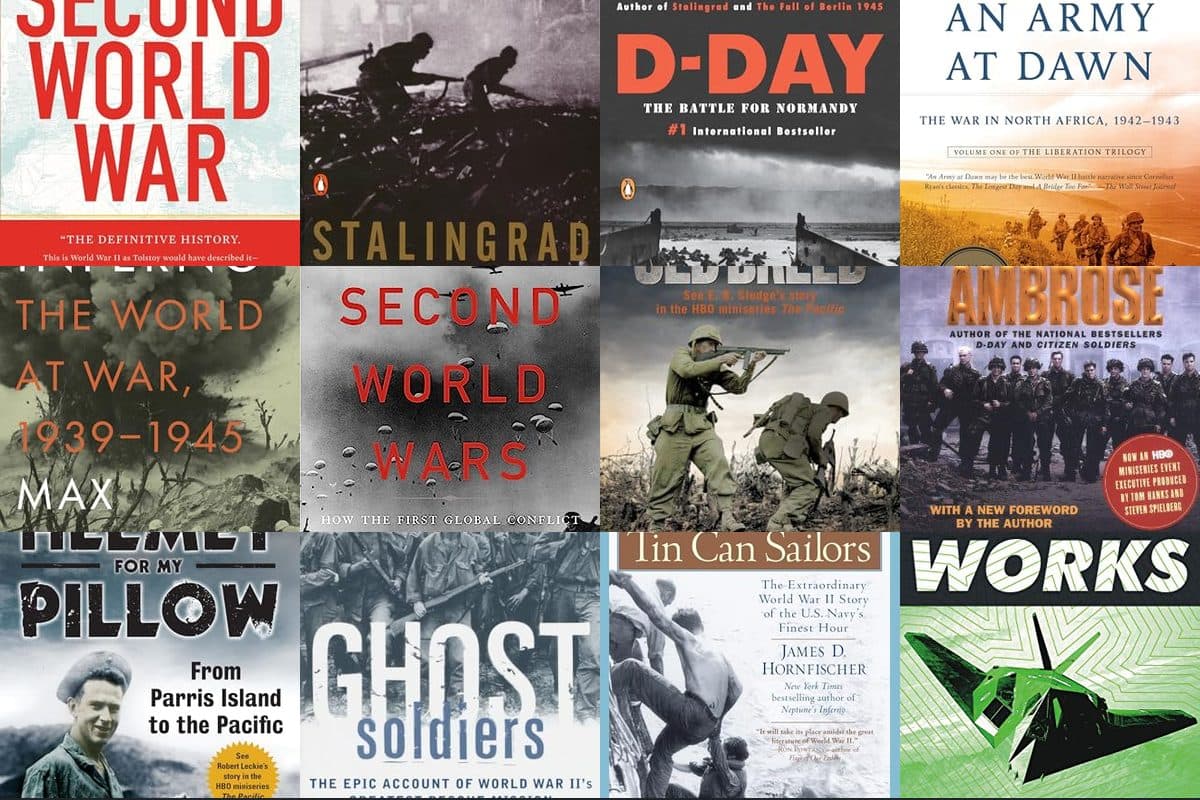
15 essential WW2 books covering every theater. Narrative histories, memoirs, and visual references ranked.
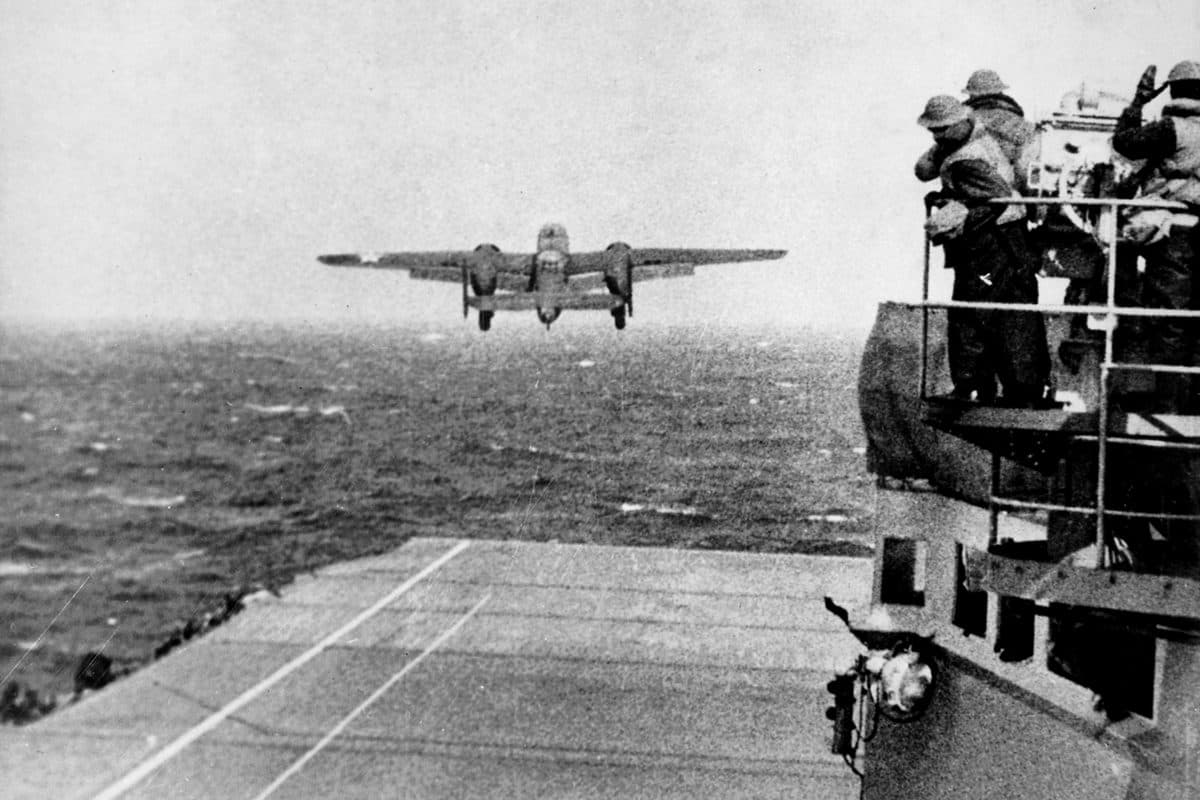
On April 18, 1942, sixteen B-25 Mitchell bombers did something no one thought possible: they launched from the deck of an aircraft carrier, flew 650 miles to Japan, and bombed Tokyo. Every aircraft was lost. The damage was negligible. The consequences changed the war.
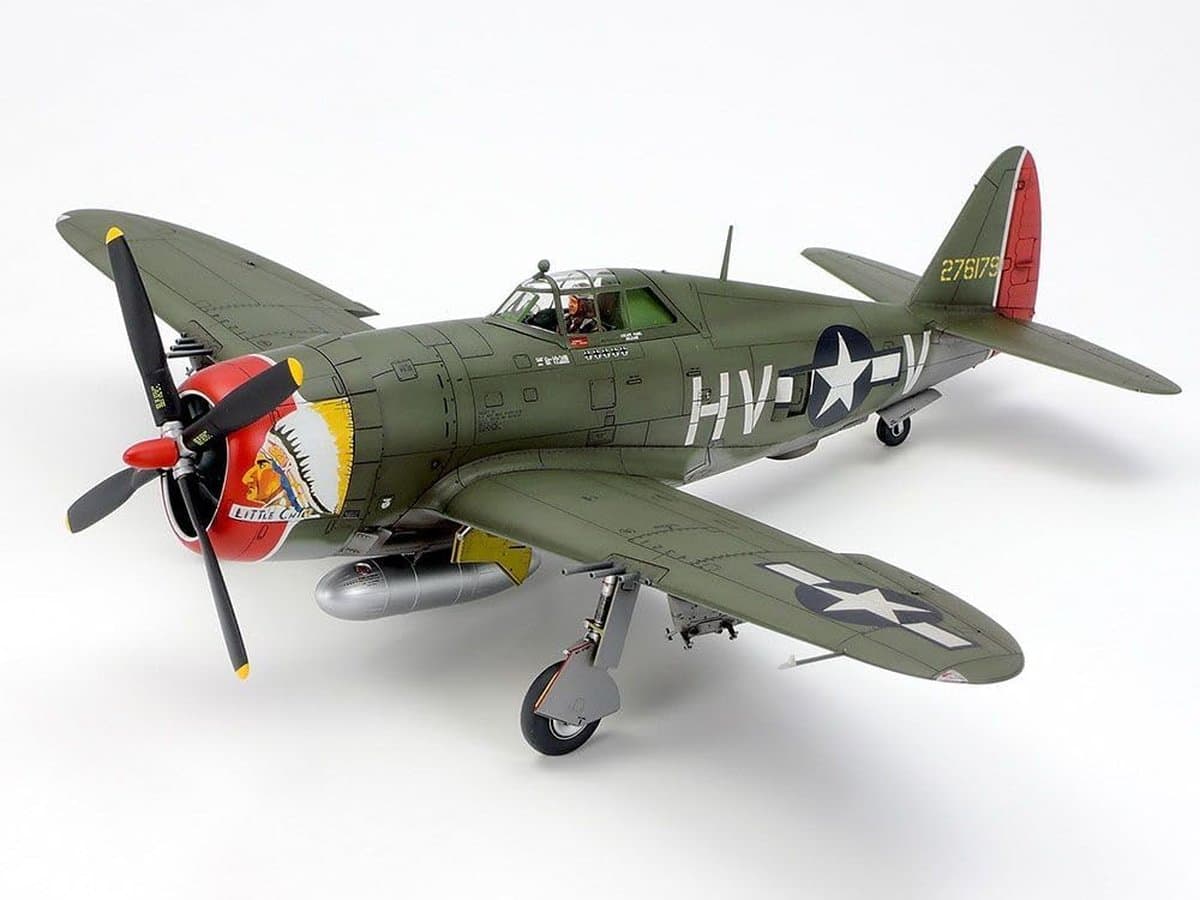
Compare 85+ WW2 scale model kits across aircraft, tanks, and ships. Beginner builds from $9 to museum-grade showpieces at $580. Covers Tamiya, Eduard, HK Models, Trumpeter, and more with honest reviews, trade-offs, and pricing.