


Iconic Planes Of The Second World War
Northrop P-61 Black Widow U.S. Airforce Despite its ominous name, the Northrop P-61 doesn’t get the attention that more iconic American planes…
daniel-mercer··18 min read
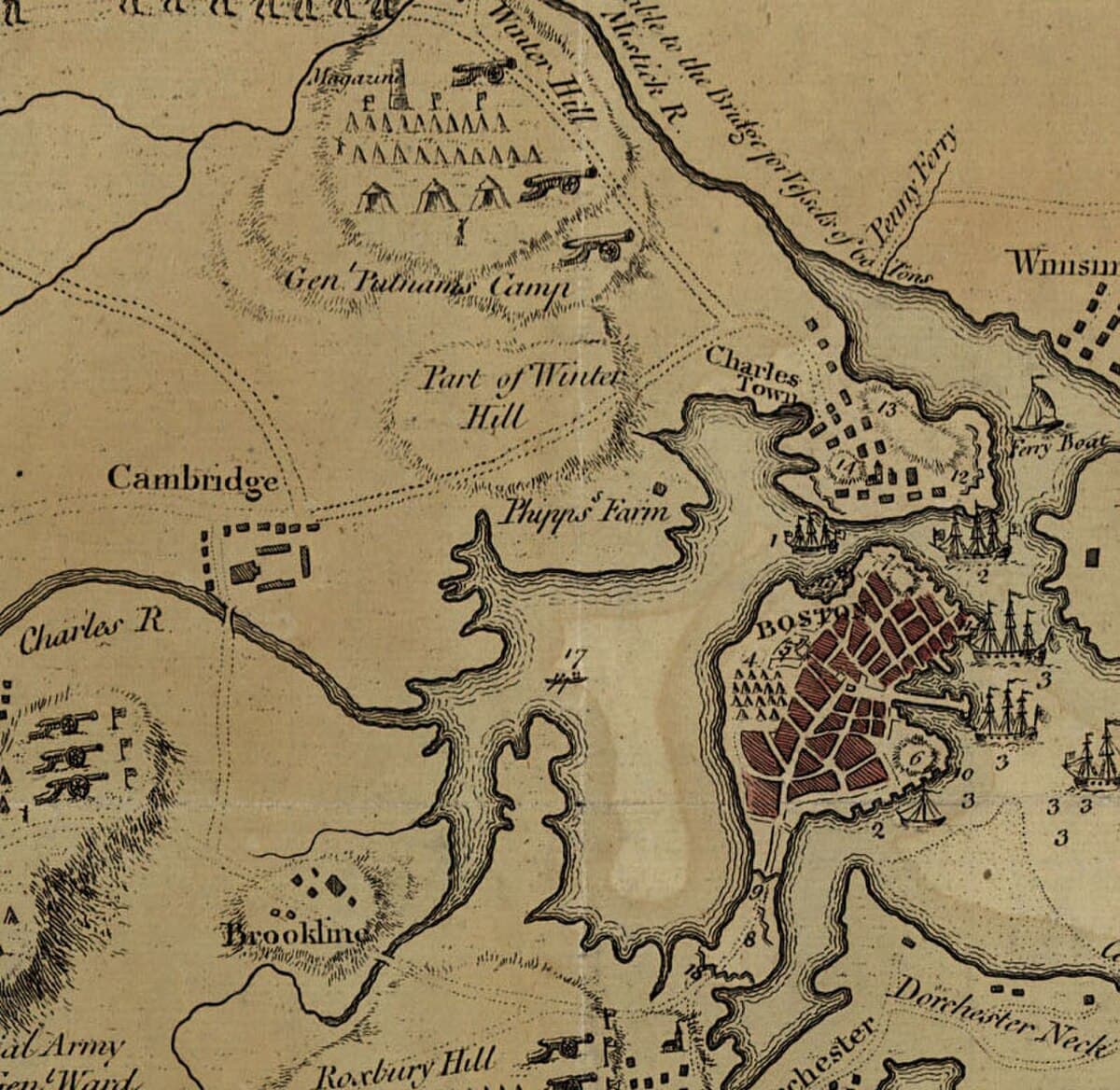
In one of the most audacious operations of the American Revolution, General Washington's troops fortified Dorchester Heights overlooking Boston Harbor in a single night, using cannons hauled 300 miles from Fort Ticonderoga. When dawn broke, the British found a fortress above them. Unable to dislodge the Americans, they evacuated Boston, the first major strategic victory of the Revolution.
Washington's troops built a fortress overnight on Dorchester Heights using prefabricated fortifications and cannons from Fort Ticonderoga. The position made British-held Boston indefensible, forcing General Howe to evacuate on March 17, the first major American strategic victory of the Revolution.
Abraham Lincoln took the oath of office under unprecedented military security, General Winfield Scott deployed riflemen on rooftops and cavalry along the route, as seven states had already seceded. Lincoln pledged to "hold, occupy, and possess" federal property while promising not to be the aggressor, setting the framework for the coming conflict.
As the Civil War entered its final weeks, Lincoln delivered one of the greatest speeches in American history, just 700 words that identified slavery as the war's cause and called for national reconciliation. His phrase "to care for him who shall have borne the battle" became the motto of the Department of Veterans Affairs. He was assassinated 41 days later.
Private Albert Gitchell, an Army cook at Camp Funston in Fort Riley, Kansas, reported to the base hospital with a sore throat, fever, and headache, conventionally recognized as the first recorded case of the 1918 Spanish Flu pandemic. Within weeks, thousands of soldiers were ill. The pandemic would kill 50-100 million people worldwide, far more than the war itself.
The Navy collier USS Cyclops, carrying 306 crew and passengers and 11,000 tons of manganese ore, made an unscheduled stop at Barbados. It was the last time anyone saw the ship. The Cyclops vanished without a trace on its voyage to Baltimore, no distress call, no debris, no survivors, the single largest loss of life in U.S. Navy history not involving combat.
Franklin Roosevelt delivered his famous First Inaugural Address, using explicitly military language: he asked Congress for "broad Executive power to wage a war against the emergency, as great as the power that would be given to me if we were in fact invaded by a foreign foe." His presidency would see the largest military mobilization in American history.
Five hundred British commandos raided the Lofoten Islands in northern Norway, destroying fish oil factories vital to the German war economy, capturing 228 German prisoners and 314 Norwegian volunteers, and, most critically, seizing components of an Enigma machine and codebooks that aided the codebreaking effort at Bletchley Park.
The U.S. Eighth Air Force launched its first daylight bombing mission against Berlin, the most heavily defended target in Europe. Though only about 30 B-17s penetrated to the city through deteriorating weather, the raid demonstrated that no target in the Reich was beyond reach. Three massive follow-up raids on March 6 and 8 forced the Luftwaffe into a battle of attrition it could not win.
Related articleIn the early hours of March 4, a Navy SEAL fell from a damaged helicopter onto a 10,000-foot mountain peak held by al-Qaeda fighters, sparking one of the fiercest small-unit engagements of the War in Afghanistan. Seven Americans were killed in 17 hours of desperate fighting. Two Medals of Honor were awarded, one to Air Force Combat Controller John Chapman, the first airman so honored since Vietnam.
Related article
Brigadier General, Continental Army
Polish nobleman known as "The Father of American Cavalry." Fought against Russian domination in Poland before joining the American Revolution at Washington's request. Created Pulaski's Legion and reformed Continental cavalry tactics. Mortally wounded leading a cavalry charge at the Siege of Savannah. One of only eight people granted honorary U.S. citizenship.

Major General (brevet), U.S. Army
Union cavalry officer whose tactical decision to hold the high ground at Gettysburg on July 1, 1863, may have determined the outcome of the Civil War's most important battle. His dismounted troopers delayed the Confederate advance long enough for Union infantry to secure the dominant terrain. Promoted to Major General on his deathbed by President Lincoln.

Son of a freed slave who invented the safety hood, an early gas mask, adopted by the U.S. Army in World War I to protect soldiers from poison gas attacks on the Western Front. Also invented the modern traffic signal. His gas mask innovation directly influenced military chemical warfare protection equipment for decades.

Technical Sergeant, U.S. Air Force
Air Force Combat Controller killed at the Battle of Takur Ghar in Afghanistan. Despite mortal wounds, he single-handedly assaulted and cleared an enemy bunker, then continued fighting alone for over an hour. First airman to receive the Medal of Honor since Vietnam and the first whose actions were captured on Predator drone video.

Petty Officer First Class, U.S. Navy
Navy SEAL killed after falling from a damaged helicopter onto an enemy-held mountain peak at Takur Ghar, Afghanistan. He survived alone on the mountaintop for at least 30 minutes before being killed. First Navy SEAL killed in Afghanistan. The mountain ridge was renamed Roberts Ridge in his honor.

Lieutenant General, U.S. Army
Medal of Honor recipient for actions at the Battle of Wilson's Creek (1861). Served as Secretary of War, Commanding General of the Army, and key commander at the Battle of Franklin (1864). Schofield Barracks, Hawaii, is named in his honor.
Wear the Timeline
10 military events occurred on March 4, spanning multiple centuries. Key events include: Fortification of Dorchester Heights (1776), Lincoln Inaugurated on the Brink of Civil War (1861), Lincoln's Second Inaugural: "With Malice Toward None" (1865), First Case of the Spanish Flu at Camp Funston (1918), First American Daylight Bombing Raid on Berlin (1944).
The most significant military event on March 4 is The Overnight Miracle at Dorchester Heights (1776). In one of the most audacious operations of the American Revolution, General Washington's troops fortified Dorchester Heights overlooking Boston Harbor in a single night, using cannons hauled 300 miles from Fort Ticonderoga. When dawn broke, the British found a fortress above them. Unable to dislodge the Americans, they evacuated Boston, the first major strategic victory of the Revolution.
Notable military figures born on March 4 include Casimir Pulaski (1745–1779), John Buford Jr. (1826–1863), Garrett Morgan (1877–1963).
Events on March 4 span the Colonial & Revolutionary era, the Civil War, World War I, World War II, the Interwar Period, the Modern Era, covering 10 events across 4 centuries of military history.
Events on March 4 involve 6 branches of the U.S. and allied armed forces, reflecting the global scope of military operations throughout history.
Explore military history from the day you were born.
June 6
The Allied invasion of Normandy, the largest amphibious assault in history.
December 7
Japan attacks the U.S. Pacific Fleet, bringing America into World War II.
September 11
The deadliest terrorist attack in history transforms U.S. national security.
August 6
The first atomic bomb is dropped on a city, ushering in the nuclear age.
May 8
Nazi Germany surrenders unconditionally, ending World War II in Europe.
November 11
Armistice Day marks the end of World War I and honors all who served.
June 4
The turning point of the Pacific War as the U.S. Navy destroys four Japanese carriers.
July 4
The Declaration of Independence is adopted, sparking the American Revolution.
Northrop P-61 Black Widow U.S. Airforce Despite its ominous name, the Northrop P-61 doesn’t get the attention that more iconic American planes…
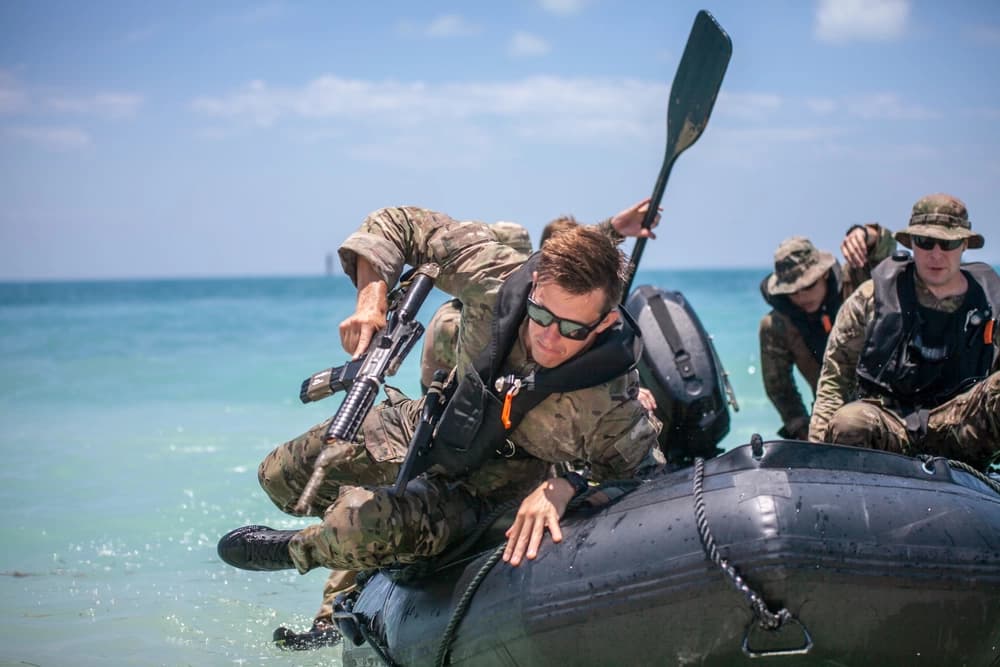
An in-depth look at the selection, qualification, and lifelong training that produces America's most capable special operations units.
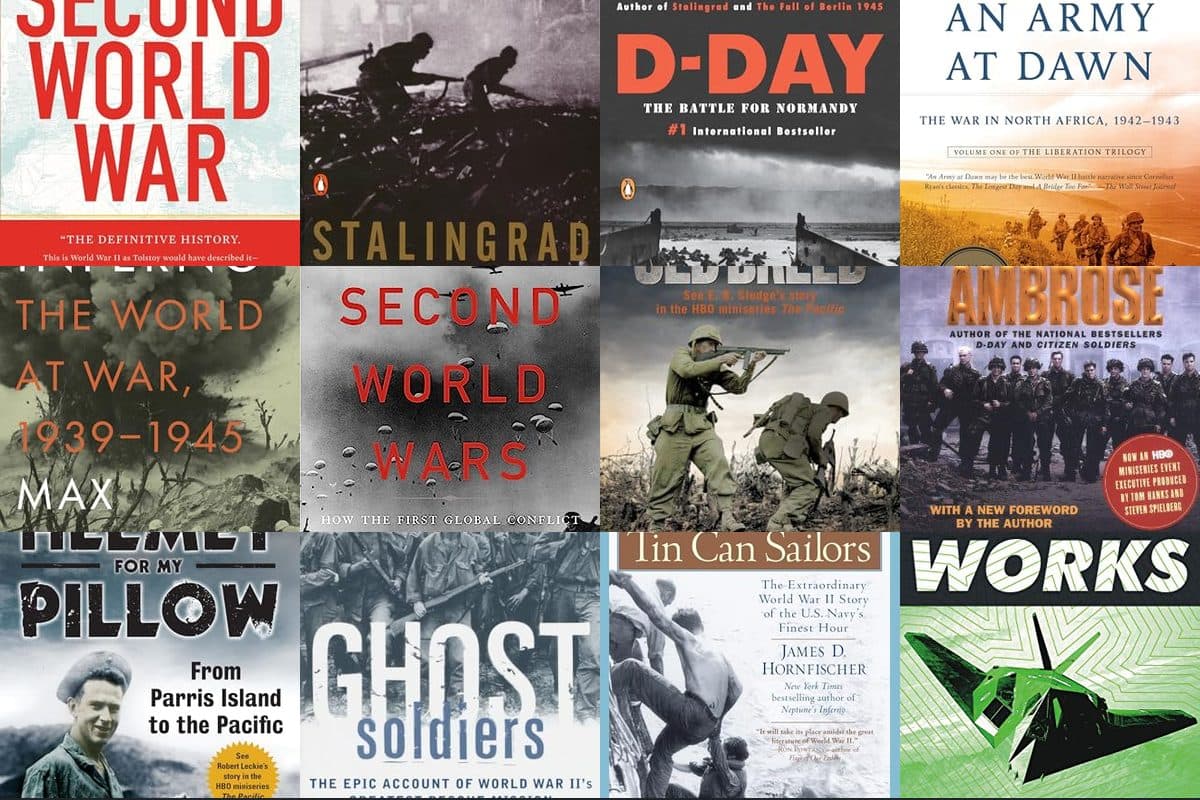
15 essential WW2 books covering every theater. Narrative histories, memoirs, and visual references ranked.
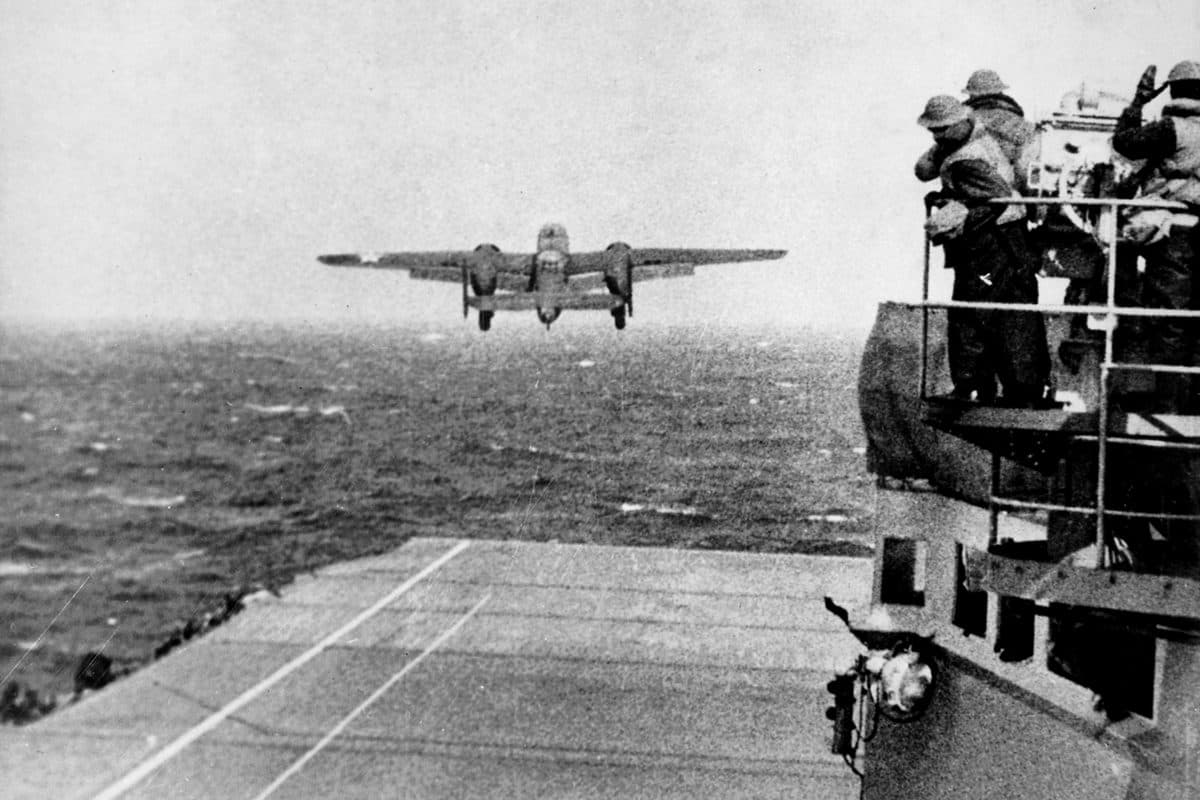
On April 18, 1942, sixteen B-25 Mitchell bombers did something no one thought possible: they launched from the deck of an aircraft carrier, flew 650 miles to Japan, and bombed Tokyo. Every aircraft was lost. The damage was negligible. The consequences changed the war.