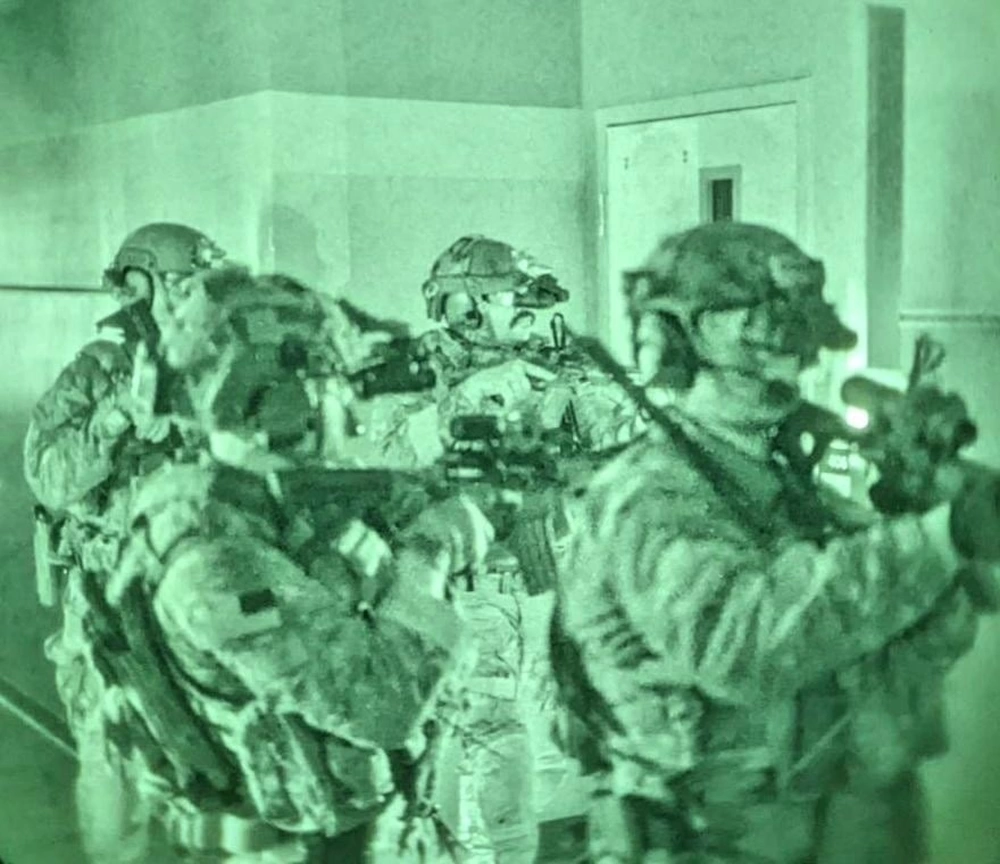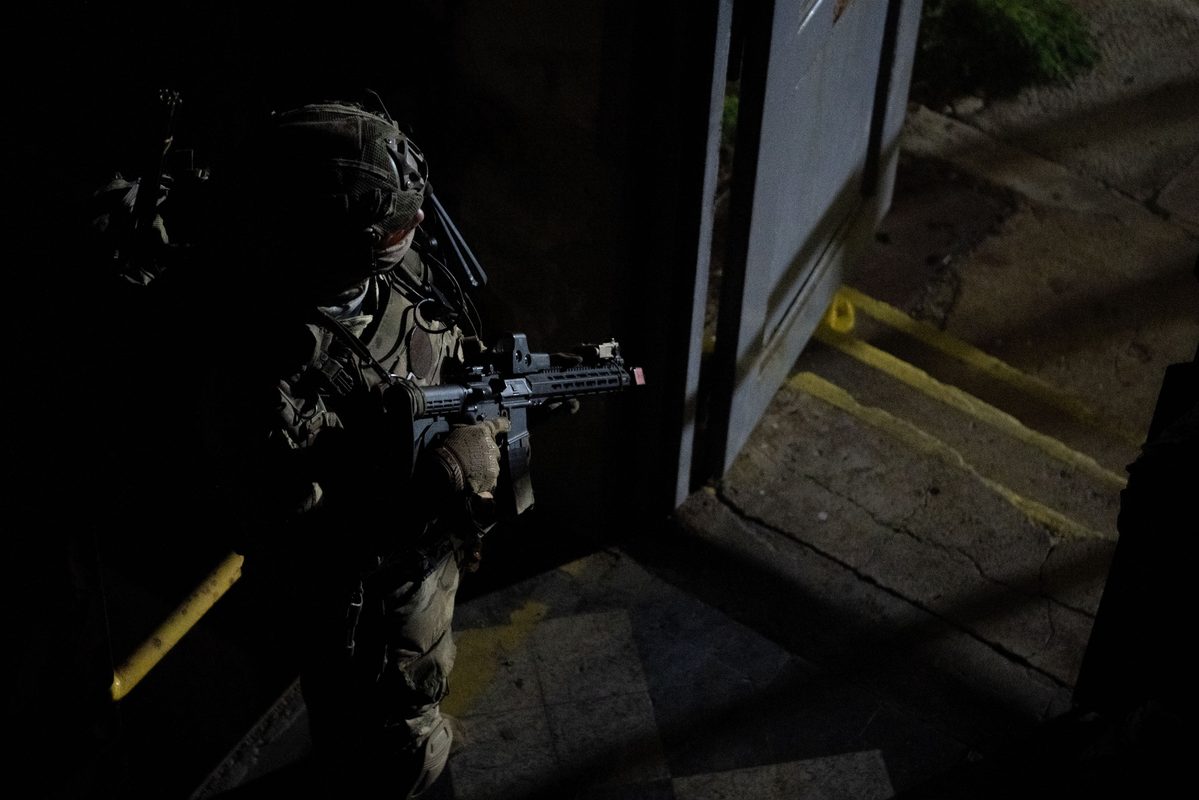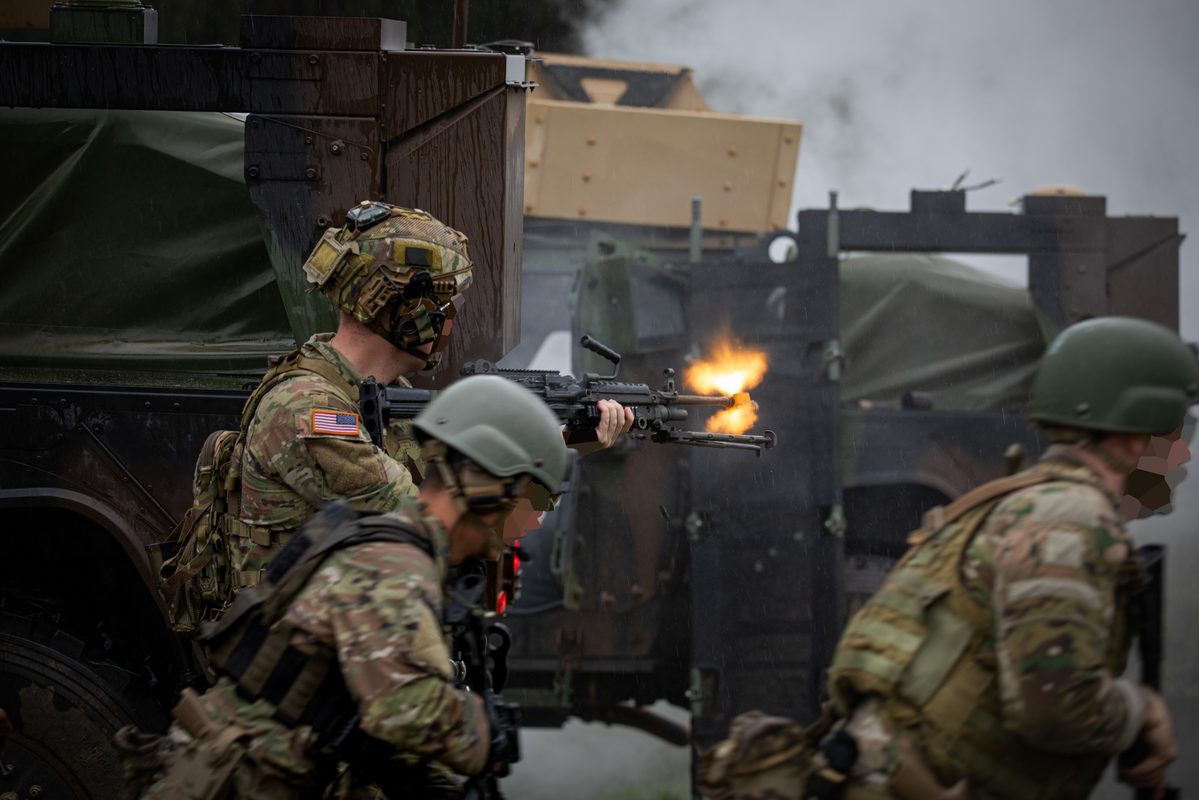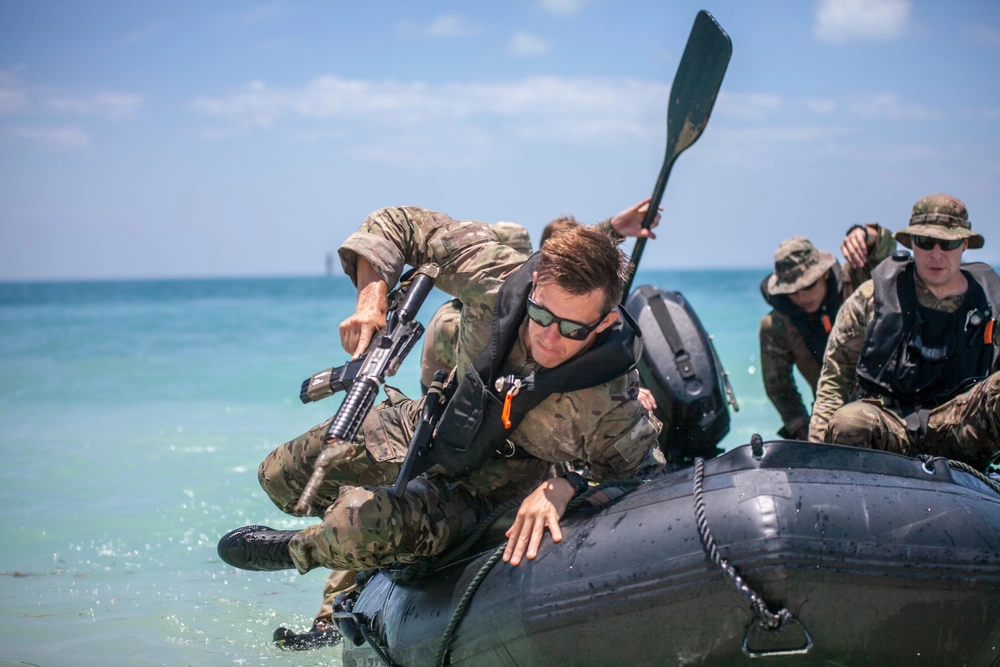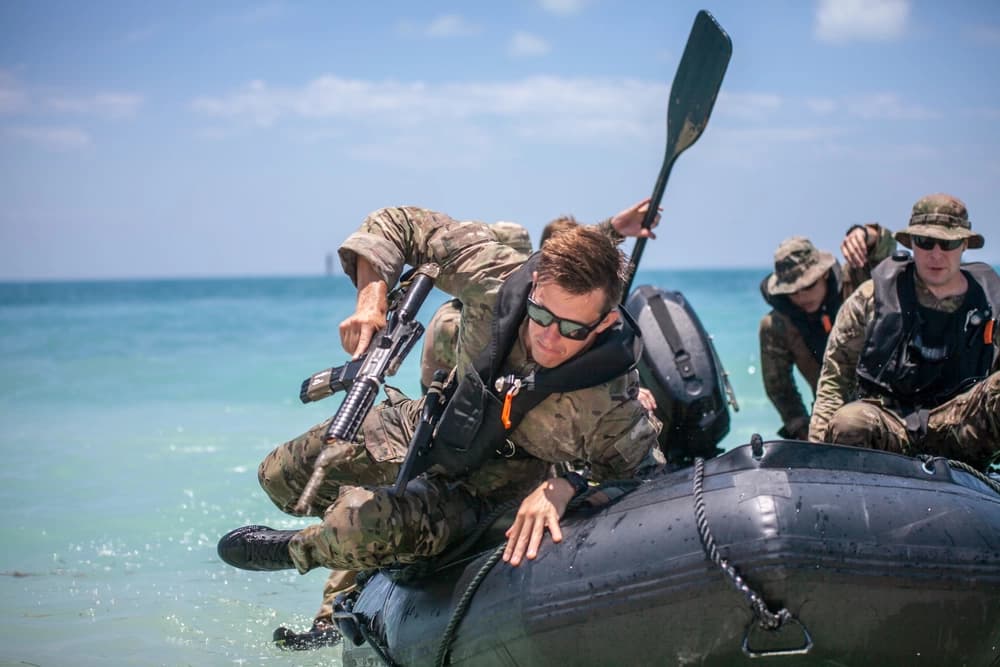

Most people assume they understand how Special Forces are trained. The popular image involves brutal physical tests, drill instructors screaming at exhausted candidates, and a finish line where survivors earn a tab or a beret. This image is not entirely wrong, but it captures only a fragment of what actually happens. The training pipeline for Special Operations Forces is longer, more nuanced, and more deliberately designed than the dramatic snippets suggest. It prioritizes judgment over toughness, teamwork over individual heroics, and learning over performance. The process is not about finding the strongest candidate. It is about finding the candidate most likely to function effectively under ambiguous, high-stakes conditions while working with a team and, often, with foreign partners.
Why Special Forces Training Is Misunderstood
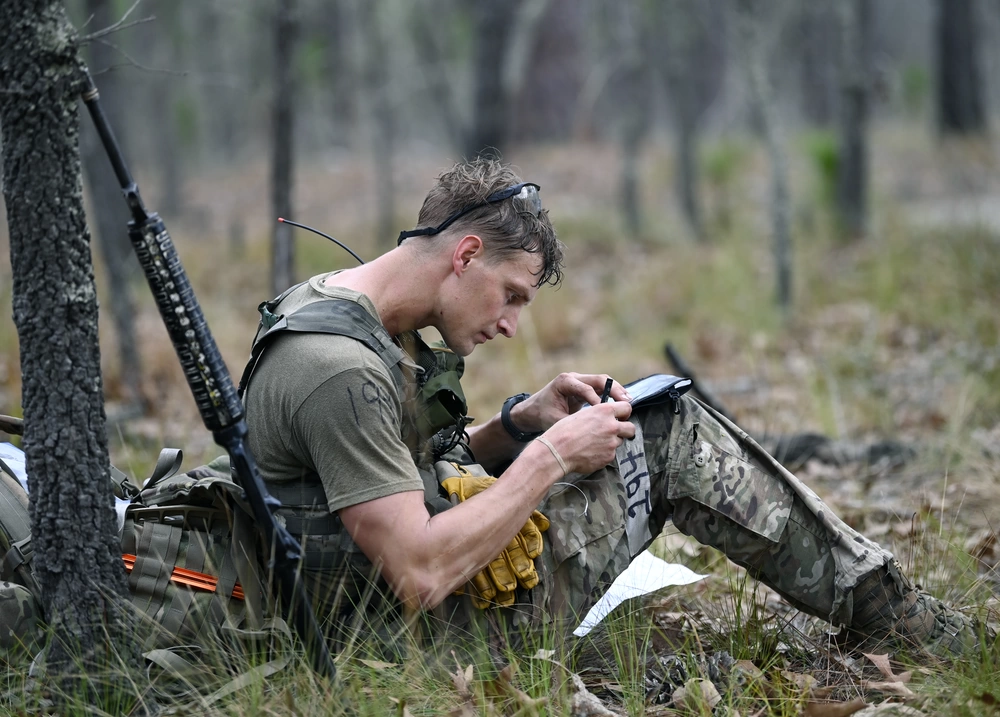
The public perception of Special Forces training comes largely from documentaries, films, and recruiting materials. These sources tend to emphasize physical extremity because it is visually compelling. A candidate struggling through mud with a log on his shoulders makes better footage than a candidate quietly solving a navigation problem in the woods. But the navigation problem matters more.
Special Forces training is misunderstood because the visible parts are not the most important parts. The physical demands exist for a reason, but that reason is not simply to weed out the weak. Physical stress is a forcing function. It reveals how candidates think, adapt, and interact when they are tired, uncomfortable, and uncertain. The military is not looking for people who can run the fastest or carry the heaviest load. It is looking for people who can still make good decisions after days of minimal sleep, who can communicate clearly when everything is going wrong, and who can subordinate their ego to the requirements of the mission and the team.
This misunderstanding extends to what training is supposed to produce. The goal is not a superhuman individual. The goal is a competent professional who can operate in small teams, often in austere environments, often alongside foreign forces, and often without direct oversight. This requires a specific combination of technical skill, cultural awareness, emotional maturity, and independent judgment. None of these qualities can be developed by running up hills.