
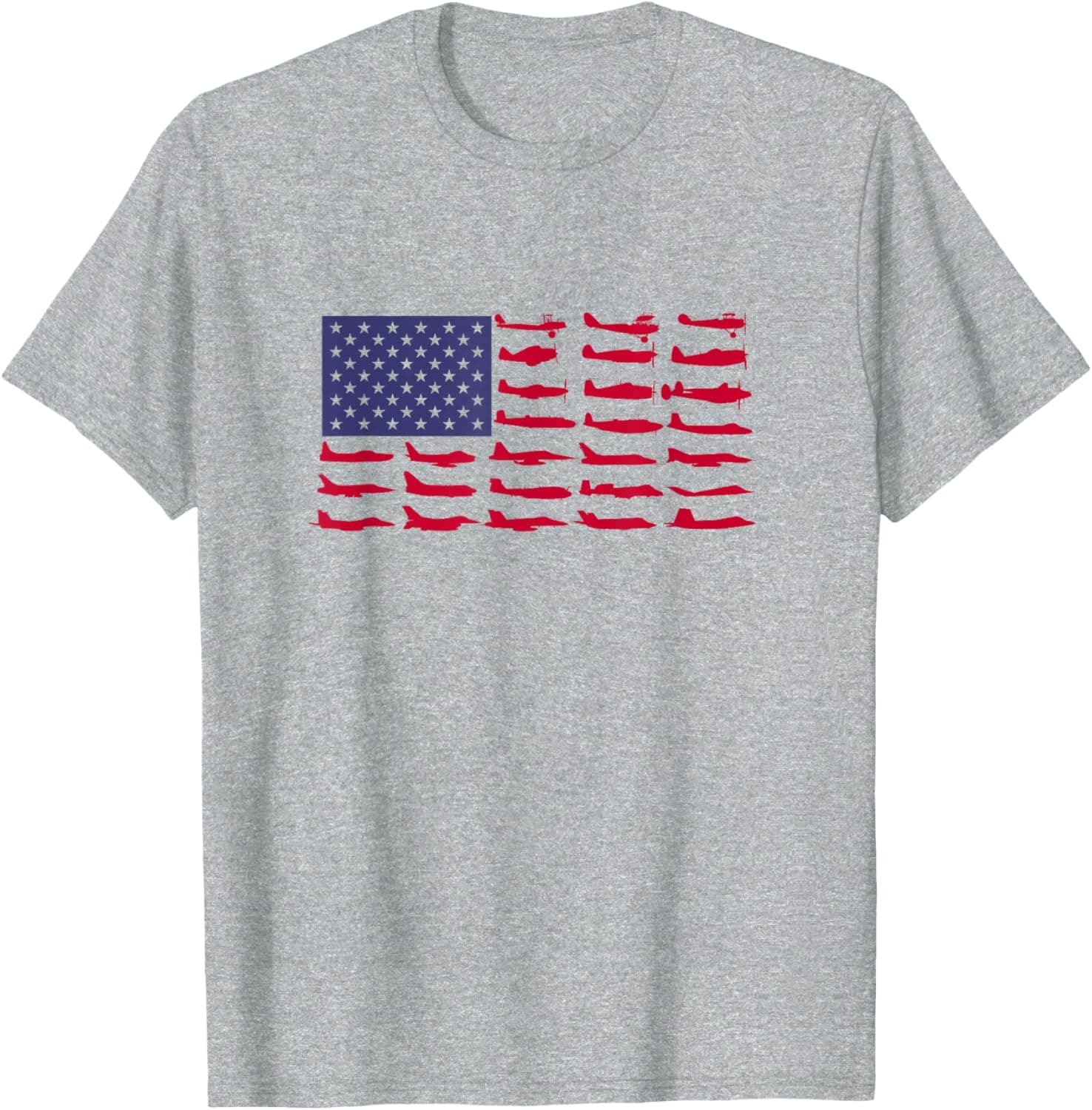



Iconic Planes Of The Second World War
Northrop P-61 Black Widow U.S. Airforce Despite its ominous name, the Northrop P-61 doesn’t get the attention that more iconic American planes…
daniel-mercer··18 min read

One hundred and eleven B-29 Superfortress bombers of the XXI Bomber Command lifted off from Saipan's Isley Field and struck the Nakajima Musashino aircraft engine factory on the outskirts of Tokyo, the first bombing of the Japanese capital since the Doolittle Raid in April 1942. The mission inaugurated the strategic bombing campaign from the Marianas that would ultimately devastate Japan's cities and industrial capacity, culminating in the atomic bombings of Hiroshima and Nagasaki.
King Baldwin IV of Jerusalem led a dramatically outnumbered Crusader force to a decisive victory over Saladin's Ayyubid army at Montgisard in Palestine. The battle preserved the Crusader Kingdom of Jerusalem for another decade and demonstrated the tactical effectiveness of heavy cavalry when committed at the decisive moment.
British General John Forbes's expedition, including a young Colonel George Washington, reached the forks of the Ohio River to find that the French had burned and abandoned Fort Duquesne rather than face the overwhelming British force. Forbes rebuilt the position as Fort Pitt, the future city of Pittsburgh, securing British control of the Ohio Valley and eliminating the French threat to the American frontier.
Union forces under Major General Joseph Hooker stormed the slopes of Lookout Mountain overlooking Chattanooga in the famous "Battle Above the Clouds." Heavy fog obscured the fighting, creating an eerie spectacle visible only by the flashes of musketry through the mist. By the next morning, the American flag flew from the summit, and Confederate forces had been driven from the mountain.
American farmer Joseph Glidden received U.S. patent 157,124 for a design of twisted double-strand barbed wire that could be mass-produced cheaply. Within two decades, barbed wire reshaped both agricultural land enclosure and military defensive doctrine, becoming a defining feature of the trench systems of World War I.
The Battle of Cambrai entered its fifth day as British forces consolidated gains achieved in the first massed tank assault in history. On November 20, nearly 400 Mark IV tanks had breached the Hindenburg Line, advancing up to five miles in hours, a distance that had previously cost months and hundreds of thousands of casualties. But German counterattacks were eroding the gains, foreshadowing the battle's ultimately inconclusive result.
The Evolution of TanksOne hundred and eleven B-29 Superfortress bombers struck Tokyo from Saipan in the first bombing of the Japanese capital since the Doolittle Raid. The mission inaugurated the devastating strategic bombing campaign that would destroy 67 Japanese cities and culminate in the atomic bombings.
Planes of WWIILee Harvey Oswald, the former Marine accused of assassinating President Kennedy two days earlier, was shot and killed by Dallas nightclub owner Jack Ruby in the basement of the Dallas Police headquarters while being transferred to county jail. The killing, broadcast live on national television, eliminated the only suspect in the presidential assassination and spawned conspiracy theories that persist to this day.
A passenger using the alias Dan Cooper hijacked a Northwest Orient Boeing 727-100 between Portland and Seattle, extorted $200,000 and four parachutes, then released the passengers and ordered the aircraft flown toward Mexico before parachuting from the rear airstair somewhere over southwest Washington.
The Taliban stronghold of Kunduz in northern Afghanistan fell to Northern Alliance forces supported by U.S. Special Forces and air power. The city was the last major Taliban position in northern Afghanistan, and its capture, after a two-week siege, marked the effective end of Taliban control in the north. Thousands of Taliban and foreign fighters surrendered, though many al-Qaeda operatives escaped.
A Turkish Air Force F-16C fired an AIM-120 AMRAAM missile and downed a Russian Sukhoi Su-24M tactical bomber near the Syrian-Turkish border, the first NATO member air-to-air kill of a Russian aircraft since the Korean War. The engagement triggered a severe diplomatic crisis and reshaped Russian and Turkish air operations over Syria.

Major General
The 12th President of the United States and one of America's most celebrated military commanders, known as "Old Rough and Ready" for his informal style and willingness to share the hardships of his troops. Taylor's victories at Palo Alto, Resaca de la Palma, and Buena Vista during the Mexican-American War made him a national hero and propelled him to the presidency. His defeat of a Mexican force three times his size at Buena Vista remains one of the most remarkable victories in American military history.

Field Marshal
German field marshal widely regarded as one of the most brilliant operational commanders of World War II. Manstein devised the audacious "Sichelschnitt" (sickle cut) plan that sent German armored forces through the Ardennes in May 1940, achieving the most decisive military victory in European history since Napoleon. He later commanded Army Group South on the Eastern Front, winning the Third Battle of Kharkov before being dismissed by Hitler for advocating strategic retreats.

Private First Class
Former U.S. Marine and accused assassin of President John F. Kennedy, killed by Jack Ruby on live television two days after the assassination. Oswald had served as a radar operator at Marine Corps Air Station El Toro and at Atsugi, Japan, before defecting to the Soviet Union in 1959. He returned to the United States in 1962 with a Russian wife. His murder before trial left countless questions unanswered about the assassination.
Wear the Timeline
10 military events occurred on November 24, spanning multiple centuries. Key events include: First B-29 Raid on Tokyo from the Marianas (1944), The Battle of Lookout Mountain (1863), Lee Harvey Oswald Killed by Jack Ruby (1963), Turkish F-16 Shoots Down Russian Su-24 Over Syria (2015).
The most significant military event on November 24 is First B-29 Raid on Tokyo from the Marianas (1944). One hundred and eleven B-29 Superfortress bombers of the XXI Bomber Command lifted off from Saipan's Isley Field and struck the Nakajima Musashino aircraft engine factory on the outskirts of Tokyo, the first bombing of the Japanese capital since the Doolittle Raid in April 1942. The mission inaugurated the strategic bombing campaign from the Marianas that would ultimately devastate Japan's cities and industrial capacity, culminating in the atomic bombings of Hiroshima and Nagasaki.
Notable military figures born on November 24 include Zachary Taylor (1784–1850), Erich von Manstein (1887–1973).
Events on November 24 span World War II, the Civil War, the Colonial & Revolutionary era, World War I, the Cold War, the Modern Era, covering 10 events across 5 centuries of military history.
Events on November 24 involve 4 branches of the U.S. and allied armed forces, reflecting the global scope of military operations throughout history.
Explore military history from the day you were born.
February 2
1943
February 3
1943
February 4
1945
February 5
1945
June 6
The Allied invasion of Normandy, the largest amphibious assault in history.
December 7
Japan attacks the U.S. Pacific Fleet, bringing America into World War II.
September 11
The deadliest terrorist attack in history transforms U.S. national security.
August 6
The first atomic bomb is dropped on a city, ushering in the nuclear age.
May 8
Nazi Germany surrenders unconditionally, ending World War II in Europe.
November 11
Armistice Day marks the end of World War I and honors all who served.
June 4
The turning point of the Pacific War as the U.S. Navy destroys four Japanese carriers.
July 4
The Declaration of Independence is adopted, sparking the American Revolution.
Northrop P-61 Black Widow U.S. Airforce Despite its ominous name, the Northrop P-61 doesn’t get the attention that more iconic American planes…
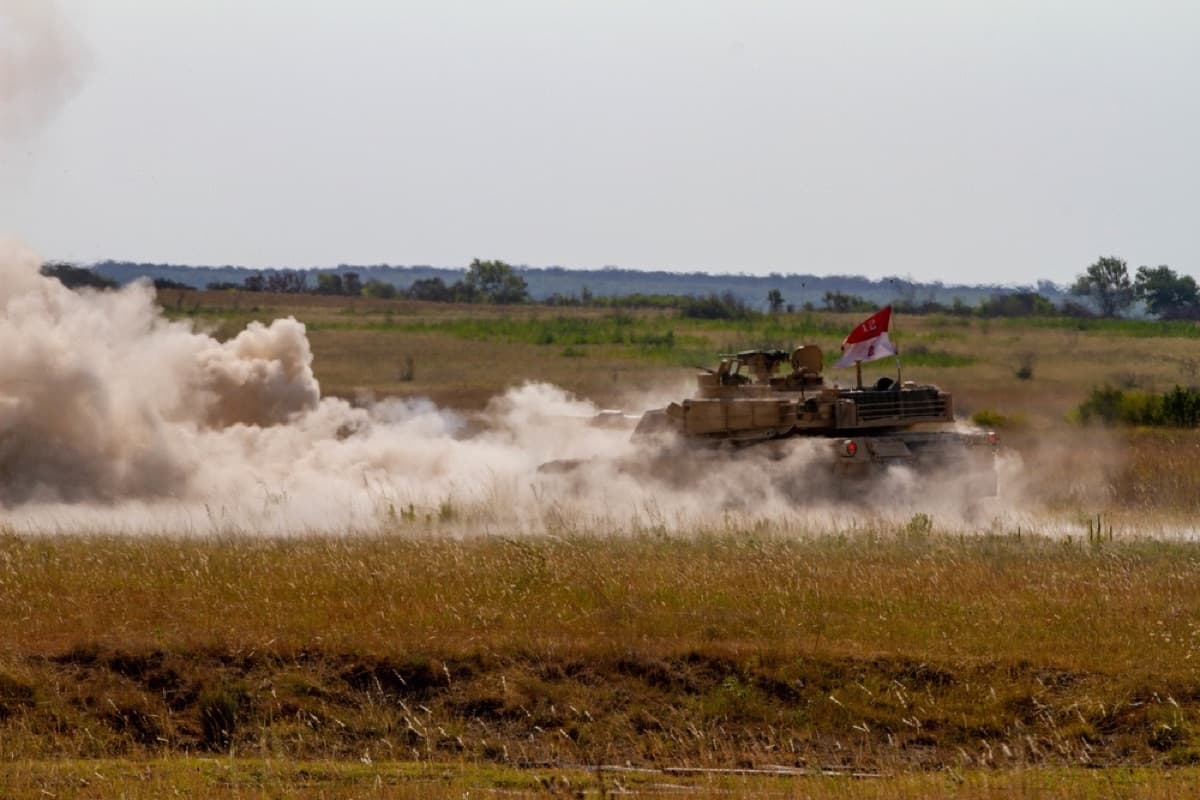
The Evolution of Modern Armor: How Tanks Changed Warfare from World War I to Today For more than a century, the tank has been one of the most powerful…
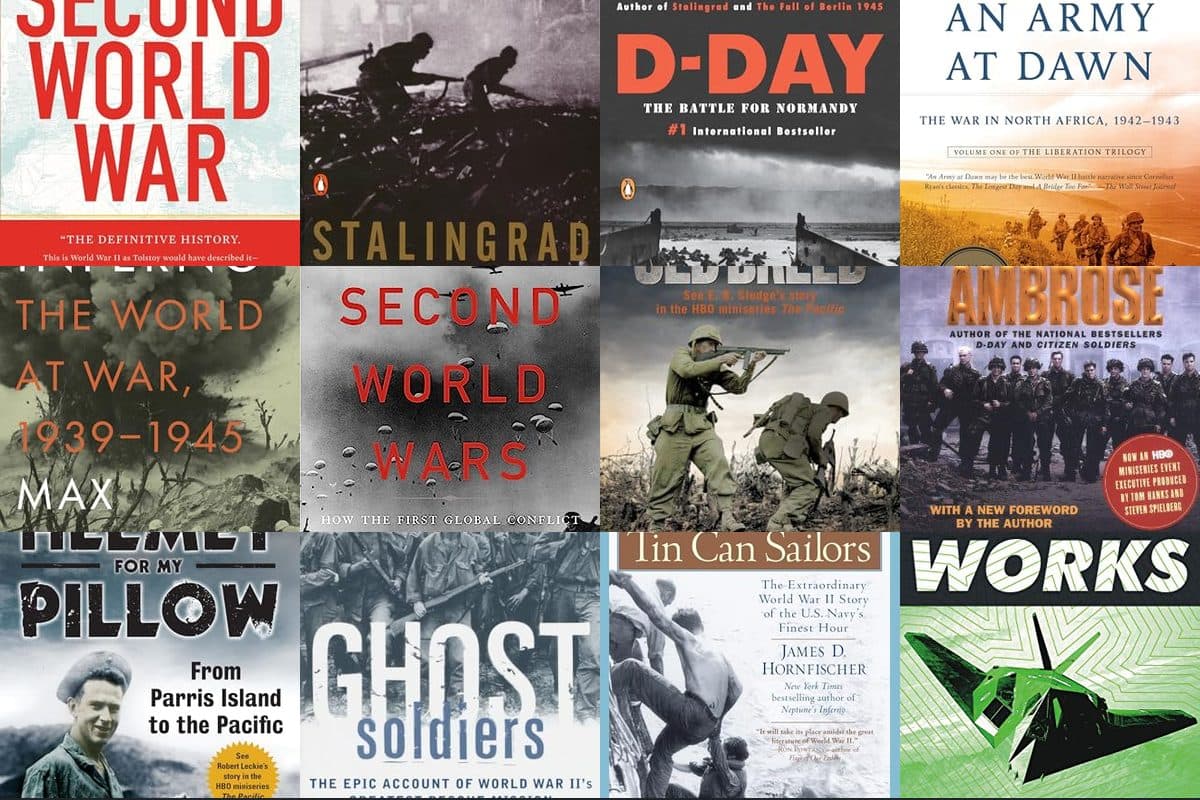
15 essential WW2 books covering every theater. Narrative histories, memoirs, and visual references ranked.
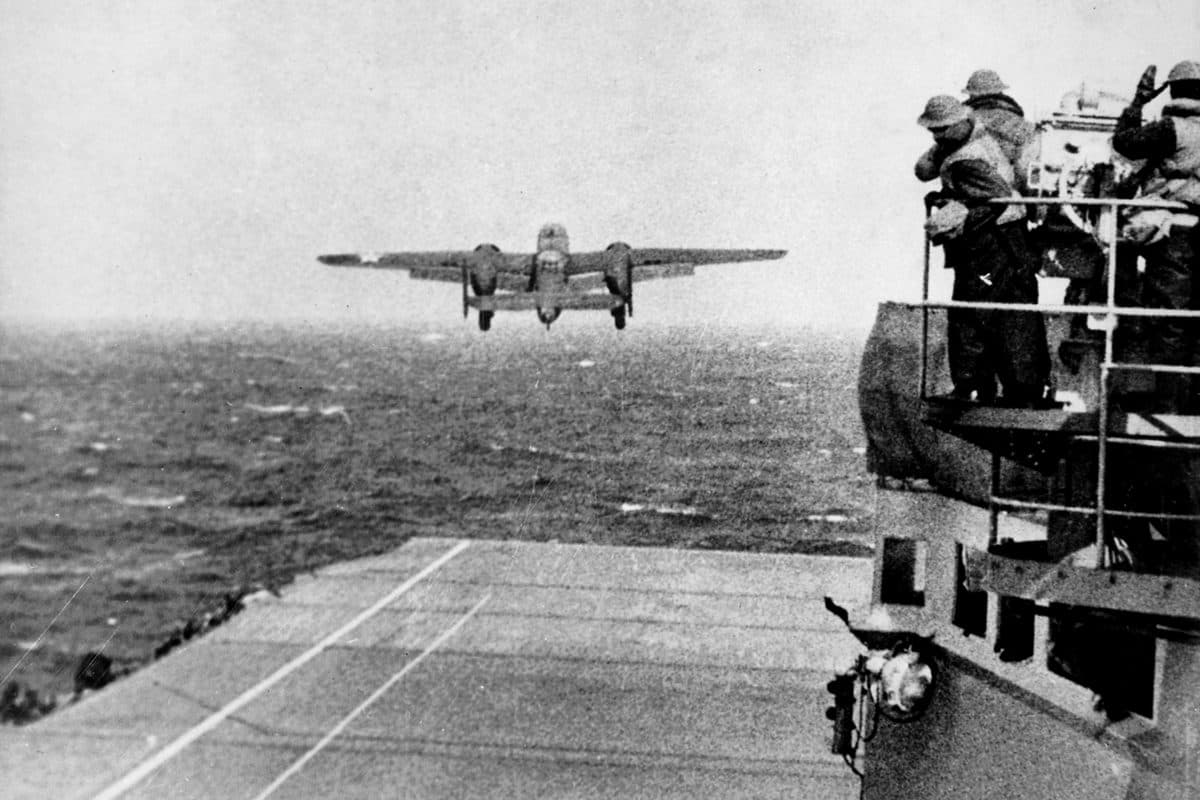
On April 18, 1942, sixteen B-25 Mitchell bombers did something no one thought possible: they launched from the deck of an aircraft carrier, flew 650 miles to Japan, and bombed Tokyo. Every aircraft was lost. The damage was negligible. The consequences changed the war.