

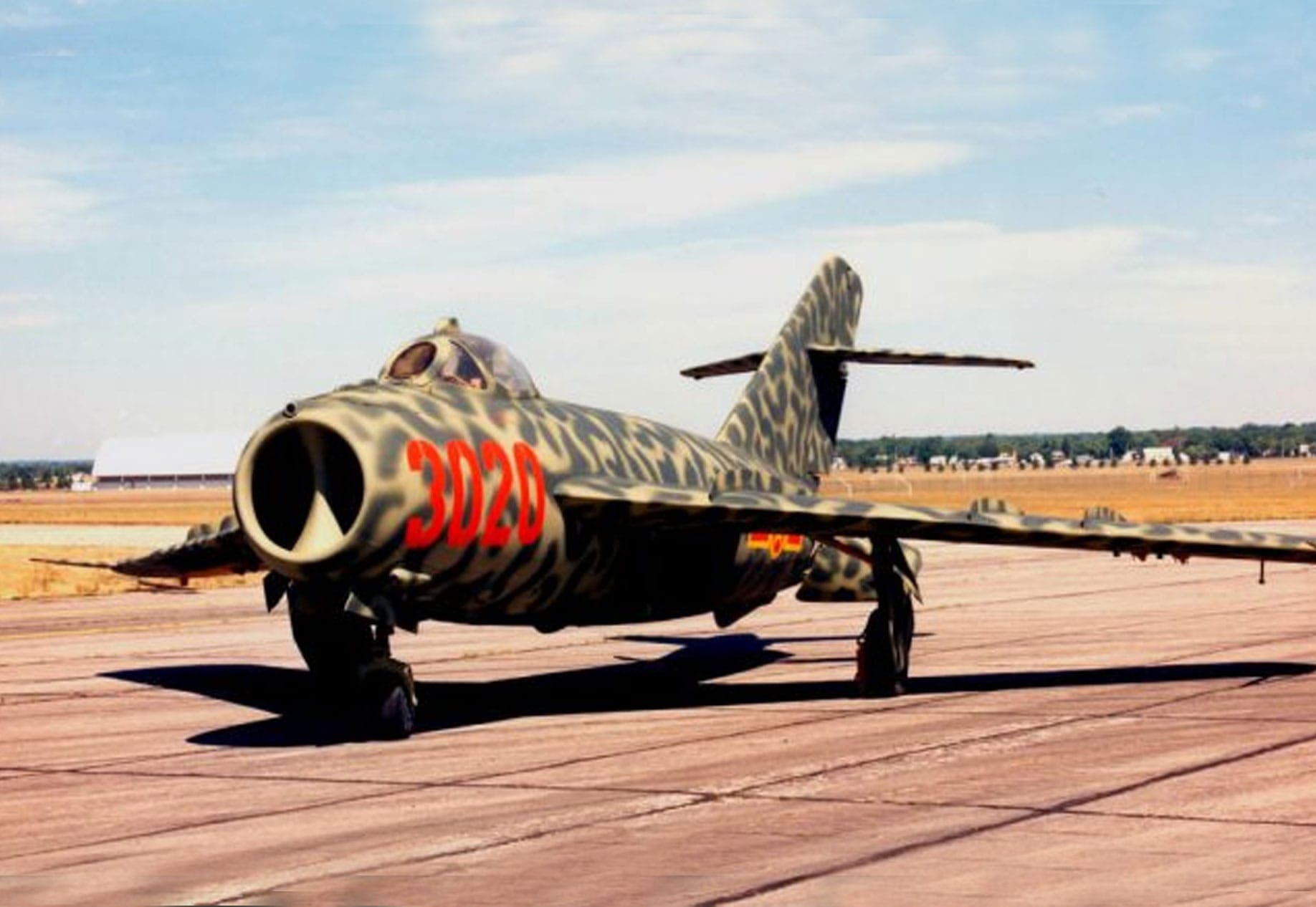
Top Aircraft Of The Korean War
North American F-28 Twin Mustang US Air Force The F-28 Twin Mustang was one of the top Korean War aircraft from the very beginning….
ryan-caldwell··10 min read

The last British soldiers departed New York City, ending seven years of military occupation and marking the true conclusion of the American Revolutionary War. As British troops boarded transports in the harbor, General George Washington led the Continental Army into Manhattan in a triumphant procession, reclaiming the city that had been the center of British power in America since September 1776. Evacuation Day was celebrated as a national holiday for over a century.
A British and colonial American expedition under Brigadier General John Forbes occupied the ruins of Fort Duquesne at the forks of the Ohio River after French forces burned and abandoned the post. The capture secured the strategic gateway between the Ohio Valley and the Atlantic colonies and laid the foundation for what became the city of Pittsburgh.
The last British troops departed New York City after seven years of occupation, and General Washington led the Continental Army into Manhattan in triumph. Evacuation Day marked the true end of the Revolutionary War and was celebrated as a major American holiday for over a century.
In one of the Civil War's most dramatic moments, Union soldiers of the Army of the Cumberland charged up the steep face of Missionary Ridge without orders, shattering the Confederate Army of Tennessee and completing the three-day victory at Chattanooga. The spontaneous charge, which Grant had not ordered and Sherman could not believe, broke Braxton Bragg's line and opened the road to Atlanta.
Germany and Japan signed the Anti-Comintern Pact in Berlin, pledging cooperation against the Communist International and secretly binding each party to neutrality if the other became engaged in war with the Soviet Union. The pact laid the diplomatic foundation for the Axis alliance that would emerge fully with the Tripartite Pact of 1940.
The de Havilland DH.98 Mosquito made its maiden flight at Hatfield, Hertfordshire, stunning observers with performance that would make it one of the most versatile aircraft of World War II. Built primarily of wood to conserve strategic metals, the "Wooden Wonder" served as a bomber, fighter, reconnaissance aircraft, and pathfinder. It was so fast that it could outrun most enemy fighters, and it became the backbone of RAF Bomber Command's precision strike force.
Planes of WWIIThe Royal Navy battleship HMS Barham was struck by three torpedoes from the German submarine U-331 off the coast of Egypt and sank within four minutes, killing 862 sailors. The magazine explosion that destroyed her was filmed by a nearby newsreel cameraman, producing one of the most famous naval combat films of the Second World War.
Over 180,000 Chinese People's Volunteer Army soldiers launched a massive offensive against United Nations forces along the Ch'ongch'on River in North Korea, springing a devastating trap on the advancing Eighth Army. The attack shattered several South Korean and American units and began the longest retreat in U.S. Army history, driving UN forces back below the 38th parallel within weeks.
Aircraft of the Korean WarThe USS Enterprise, the world's first nuclear-powered aircraft carrier, was commissioned at Newport News, Virginia. At 1,123 feet and over 90,000 tons, she was the largest warship ever built at the time. Enterprise served for 51 years, participating in the Cuban Missile Crisis blockade, Vietnam War operations, and the Global War on Terror before decommissioning in 2012, the longest naval service of any U.S. aircraft carrier.
Greek Military Police Brigadier Dimitrios Ioannidis overthrew the existing junta of Georgios Papadopoulos in Athens, consolidating control after the bloody suppression of the Athens Polytechnic uprising. The coup tightened military rule in Greece but set in motion the chain of events that led to the Cyprus crisis and the collapse of the dictatorship in 1974.
President George W. Bush signed the Homeland Security Act, creating the Department of Homeland Security, the largest reorganization of the federal government since the creation of the Department of Defense in 1947. The new department consolidated 22 existing agencies, including the Coast Guard, Customs, Immigration, the Secret Service, and FEMA, into a single cabinet-level department focused on preventing terrorist attacks on American soil.

General
Chilean Army general who led the military coup that overthrew President Salvador Allende on September 11, 1973, and ruled Chile as dictator for 17 years. His regime killed or "disappeared" over 3,000 political opponents and tortured tens of thousands more, while implementing free-market economic reforms that transformed Chile's economy. Pinochet's 1998 arrest in London on a Spanish extradition warrant established the precedent that former heads of state could be held accountable for human rights abuses.

Sergeant
Legendary baseball player who interrupted his career at its peak to serve in the U.S. Army Air Forces during World War II from 1943 to 1945. DiMaggio, who had hit in a record 56 consecutive games in 1941, served at training bases in California, Hawaii, and New Jersey, playing on military baseball teams that boosted troop morale. His three years of military service cost him what would likely have been three of his most productive baseball seasons.

Japan's most celebrated post-war novelist, who committed ritual seppuku after leading a failed coup attempt at the headquarters of the Japan Self-Defense Forces in Tokyo. On November 25, 1970, Mishima and four members of his private militia, the Tatenokai ("Shield Society"), seized the commandant of the Ichigaya Camp, addressed assembled soldiers from a balcony urging them to restore the Emperor's power, and then, when his speech was met with jeers, retreated inside and disemboweled himself in the ancient samurai tradition.
Wear the Timeline
10 military events occurred on November 25, spanning multiple centuries. Key events include: Evacuation Day: The British Leave New York (1783), The Battle of Missionary Ridge (1863), Chinese Forces Launch Offensive at Ch'ongch'on River (1950), HMS Barham Sunk by U-331 (1941), Germany and Japan Sign the Anti-Comintern Pact (1936).
The most significant military event on November 25 is Evacuation Day: The British Leave New York (1783). The last British soldiers departed New York City, ending seven years of military occupation and marking the true conclusion of the American Revolutionary War. As British troops boarded transports in the harbor, General George Washington led the Continental Army into Manhattan in a triumphant procession, reclaiming the city that had been the center of British power in America since September 1776. Evacuation Day was celebrated as a national holiday for over a century.
Notable military figures born on November 25 include Augusto Pinochet (1915–2006), Joe DiMaggio (1914–1999).
Events on November 25 span the Colonial & Revolutionary era, the Civil War, the Korean War, World War II, the Cold War, the Modern Era, covering 10 events across 4 centuries of military history.
Events on November 25 involve 5 branches of the U.S. and allied armed forces, reflecting the global scope of military operations throughout history.
Explore military history from the day you were born.
June 6
The Allied invasion of Normandy, the largest amphibious assault in history.
December 7
Japan attacks the U.S. Pacific Fleet, bringing America into World War II.
September 11
The deadliest terrorist attack in history transforms U.S. national security.
August 6
The first atomic bomb is dropped on a city, ushering in the nuclear age.
May 8
Nazi Germany surrenders unconditionally, ending World War II in Europe.
November 11
Armistice Day marks the end of World War I and honors all who served.
June 4
The turning point of the Pacific War as the U.S. Navy destroys four Japanese carriers.
July 4
The Declaration of Independence is adopted, sparking the American Revolution.
North American F-28 Twin Mustang US Air Force The F-28 Twin Mustang was one of the top Korean War aircraft from the very beginning….

Northrop P-61 Black Widow U.S. Airforce Despite its ominous name, the Northrop P-61 doesn’t get the attention that more iconic American planes…
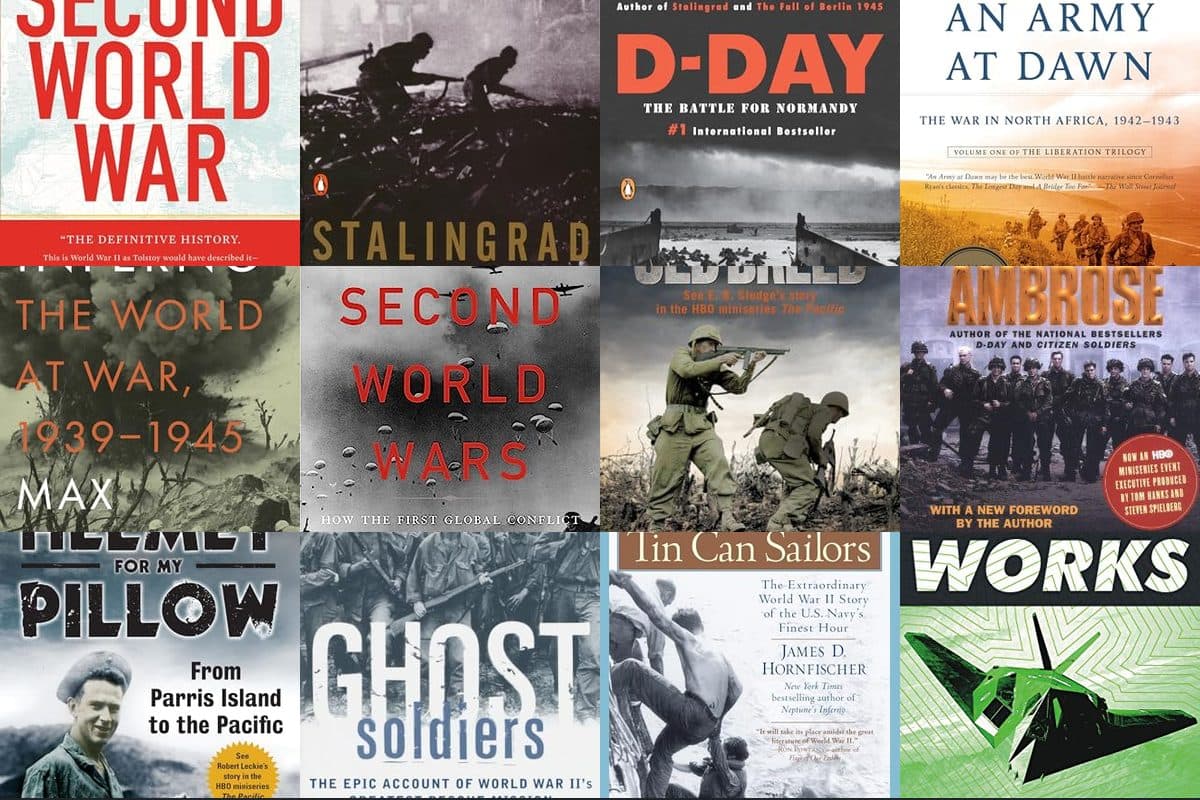
15 essential WW2 books covering every theater. Narrative histories, memoirs, and visual references ranked.
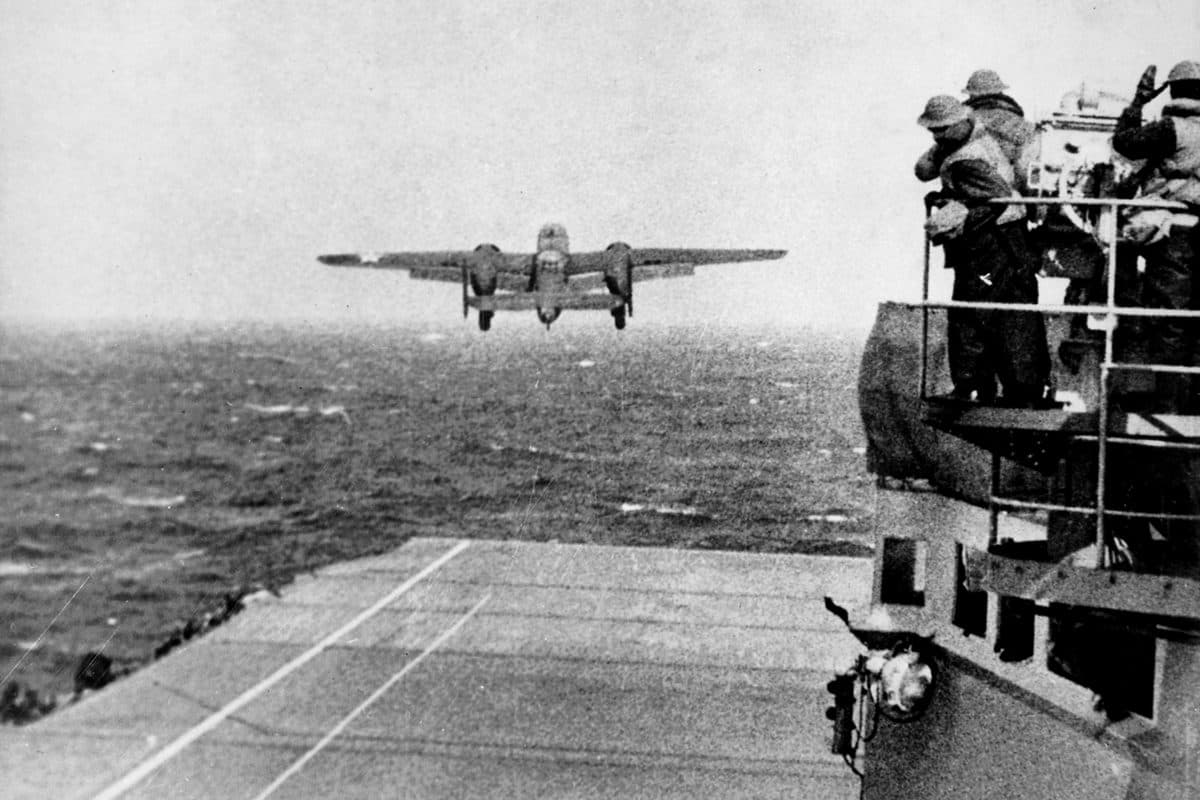
On April 18, 1942, sixteen B-25 Mitchell bombers did something no one thought possible: they launched from the deck of an aircraft carrier, flew 650 miles to Japan, and bombed Tokyo. Every aircraft was lost. The damage was negligible. The consequences changed the war.