



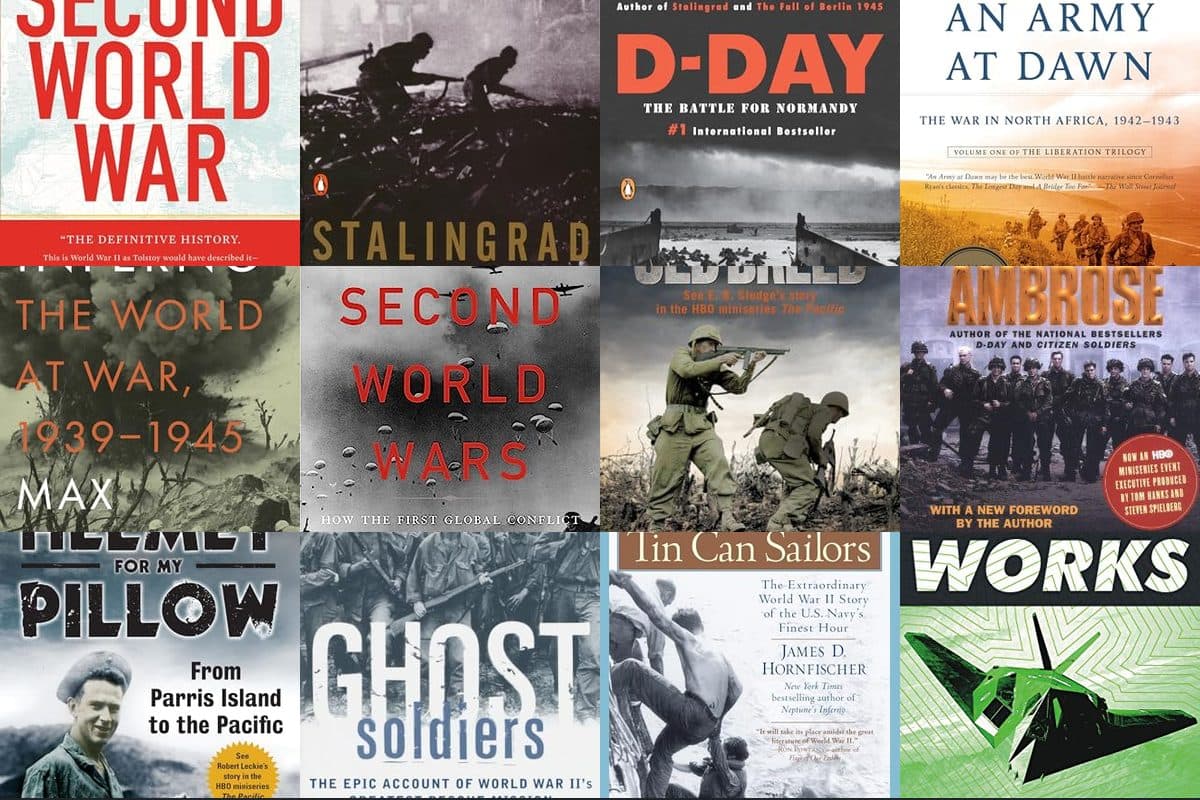
15 Best World War II Books for History Enthusiasts (2026)
15 essential WW2 books covering every theater. Narrative histories, memoirs, and visual references ranked.
daniel-mercer··21 min read
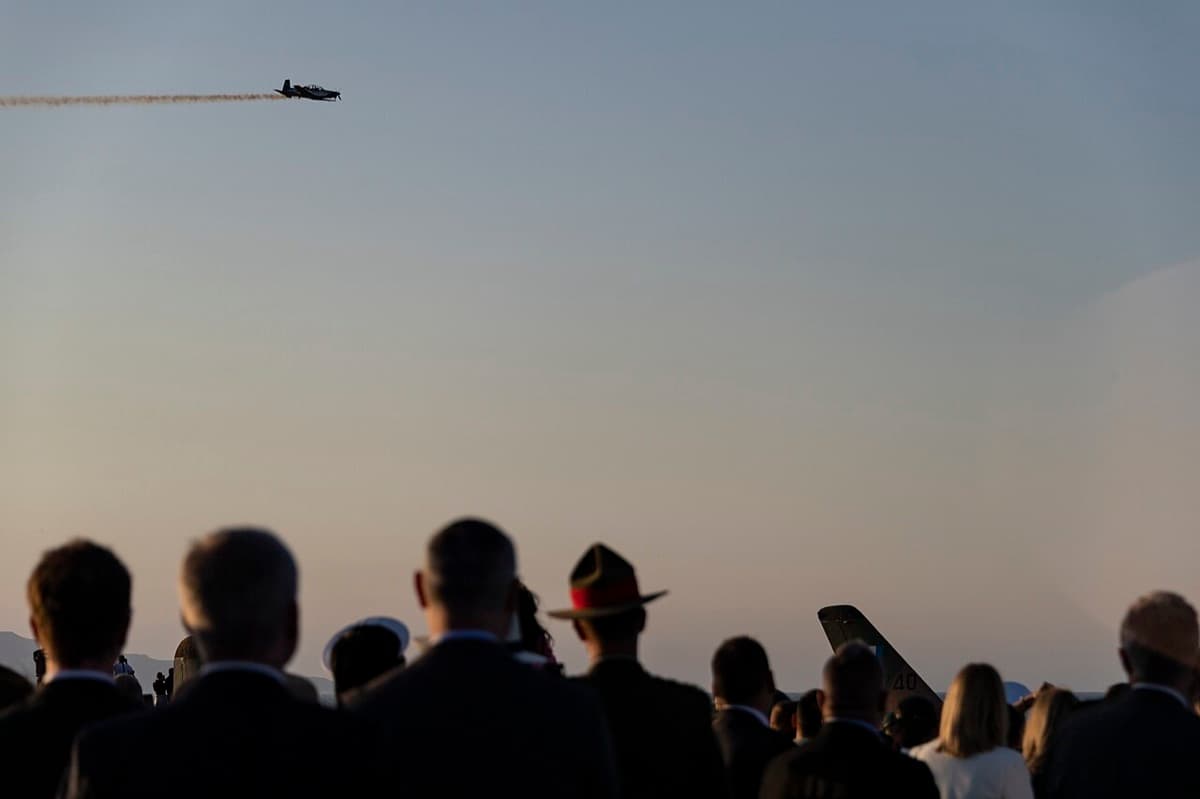
Germany launched Operation Mercury, the largest airborne invasion in history, dropping over 15,000 paratroopers and glider troops onto the island of Crete. The operation, though ultimately successful, inflicted such devastating losses on Germany's elite paratrooper force that Hitler never again authorized a large-scale airborne assault.
English royalist forces under William Marshal, at age 70 the greatest knight in Christendom, routed a French invasion army at Lincoln. The victory turned the tide of the First Barons' War and preserved the throne for the young Henry III, securing the future of the Magna Carta.
North Carolina became the last of the eleven Confederate states to secede, completing the formation of the Confederacy. The state would provide more troops to the Confederate army than any other and suffer more casualties, including the devastating losses at Gettysburg's Pickett's Charge.
Confederate forces attacked Butler's Army of the James at Ware Bottom Church, Virginia, forcing the Union troops back and effectively bottling them up on the Bermuda Hundred peninsula between the James and Appomattox Rivers. Grant would later describe Butler as "corked in a bottle."
The Republic of Cuba formally declared its independence and Tomas Estrada Palma was inaugurated as the first Cuban president, ending three and a half years of U.S. military occupation after the Spanish-American War. The U.S. retained the right under the Platt Amendment to intervene militarily and kept the Guantanamo Bay naval station.
Ottoman and Allied commanders at Gallipoli agreed to a nine-hour armistice for the burial of the dead from the previous weeks of fighting around ANZAC Cove. The truce produced one of the most remarkable moments of cross-line humanity in the Great War and influenced the evolution of the laws of armed conflict.
U.S. Army Air Service reserve pilot Charles Lindbergh took off from Roosevelt Field on Long Island in the Ryan NYP monoplane Spirit of St. Louis, beginning the first solo non-stop transatlantic flight. The 33.5-hour crossing to Paris transformed aviation and accelerated American and European investment in long-range military aircraft.
Amelia Earhart took off from Harbour Grace, Newfoundland, in a single-engine Lockheed Vega 5B on the flight that would make her the first woman to fly solo across the Atlantic. The 14-hour, 56-minute crossing ended in a cow pasture in Northern Ireland and reshaped public expectations for long-range aircraft and crew endurance.
Germany launched the largest airborne invasion in history on Crete. Though successful, the devastating losses convinced Hitler to never authorize another major airborne assault.
The United States dropped the first airborne hydrogen bomb from a B-52 bomber over Bikini Atoll during Operation Redwing. The test, codenamed Cherokee, demonstrated the ability to deliver thermonuclear weapons by air, making the bomber fleet a credible nuclear deterrent and accelerating the arms race.
Premier Li Peng declared martial law in Beijing, authorizing the People's Liberation Army to deploy into the capital and restore order during the Tiananmen Square protests. The resulting military operation on June 4 killed hundreds of civilians and reshaped China's internal security apparatus for a generation.
The last Ukrainian defenders at the Azovstal steel plant in Mariupol surrendered after a nearly three-month siege. The defenders' resistance had tied down significant Russian forces and provided crucial time for Ukraine to organize its defenses elsewhere, becoming a symbol of Ukrainian determination.

Lieutenant General
Israel's most famous military commander, who lost an eye fighting Vichy French forces in Syria in 1941 and led Israel's forces during the Sinai Campaign (1956) and Six-Day War (1967). His distinctive eye patch made him one of the most recognizable military figures of the 20th century.

Union general whose March to the Sea through Georgia in 1864 demonstrated the concept of total war, targeting not just enemy armies but the civilian infrastructure that sustained them. His methods, though devastating, helped end the Civil War and influenced military strategy for generations.

Major General
French nobleman who volunteered for the Continental Army at age 19, became George Washington's most trusted foreign officer, and was wounded at Brandywine. His key role in securing French military support was instrumental in winning American independence.
Wear the Timeline
11 military events occurred on May 20, spanning multiple centuries. Key events include: Battle of Crete: Germany's Airborne Invasion (1941), First Airborne Hydrogen Bomb Test (Operation Redwing) (1956), Charles Lindbergh Takes Off on Transatlantic Solo Flight (1927), China Declares Martial Law in Beijing (1989).
The most significant military event on May 20 is Battle of Crete: Germany's Airborne Invasion (1941). Germany launched Operation Mercury, the largest airborne invasion in history, dropping over 15,000 paratroopers and glider troops onto the island of Crete. The operation, though ultimately successful, inflicted such devastating losses on Germany's elite paratrooper force that Hitler never again authorized a large-scale airborne assault.
Notable military figures born on May 20 include Moshe Dayan (1915–1981), William Tecumseh Sherman (1820–1891).
Events on May 20 span World War II, the Civil War, the Cold War, the Colonial & Revolutionary era, the Modern Era, World War I, the Interwar Period, covering 11 events across 4 centuries of military history.
Events on May 20 involve 3 branches of the U.S. and allied armed forces, reflecting the global scope of military operations throughout history.
Explore military history from the day you were born.
June 6
The Allied invasion of Normandy, the largest amphibious assault in history.
December 7
Japan attacks the U.S. Pacific Fleet, bringing America into World War II.
September 11
The deadliest terrorist attack in history transforms U.S. national security.
August 6
The first atomic bomb is dropped on a city, ushering in the nuclear age.
May 8
Nazi Germany surrenders unconditionally, ending World War II in Europe.
November 11
Armistice Day marks the end of World War I and honors all who served.
June 4
The turning point of the Pacific War as the U.S. Navy destroys four Japanese carriers.
July 4
The Declaration of Independence is adopted, sparking the American Revolution.
15 essential WW2 books covering every theater. Narrative histories, memoirs, and visual references ranked.
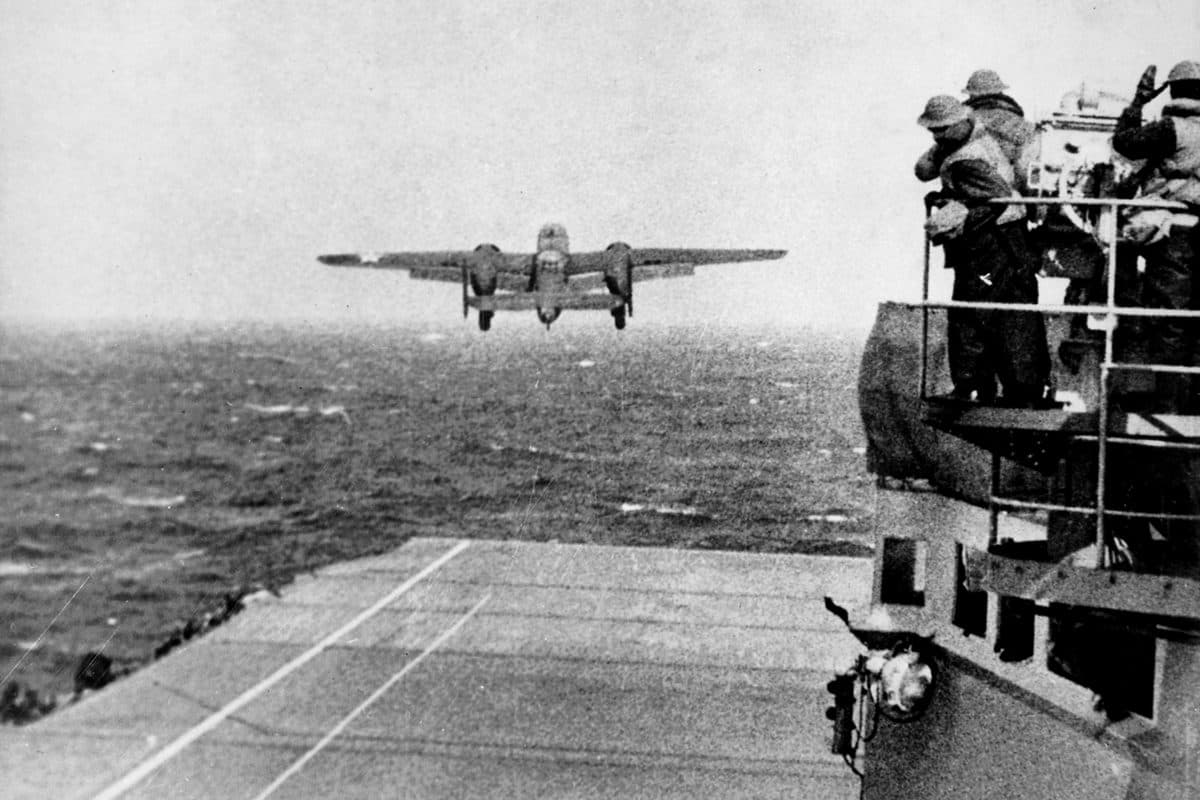
On April 18, 1942, sixteen B-25 Mitchell bombers did something no one thought possible: they launched from the deck of an aircraft carrier, flew 650 miles to Japan, and bombed Tokyo. Every aircraft was lost. The damage was negligible. The consequences changed the war.
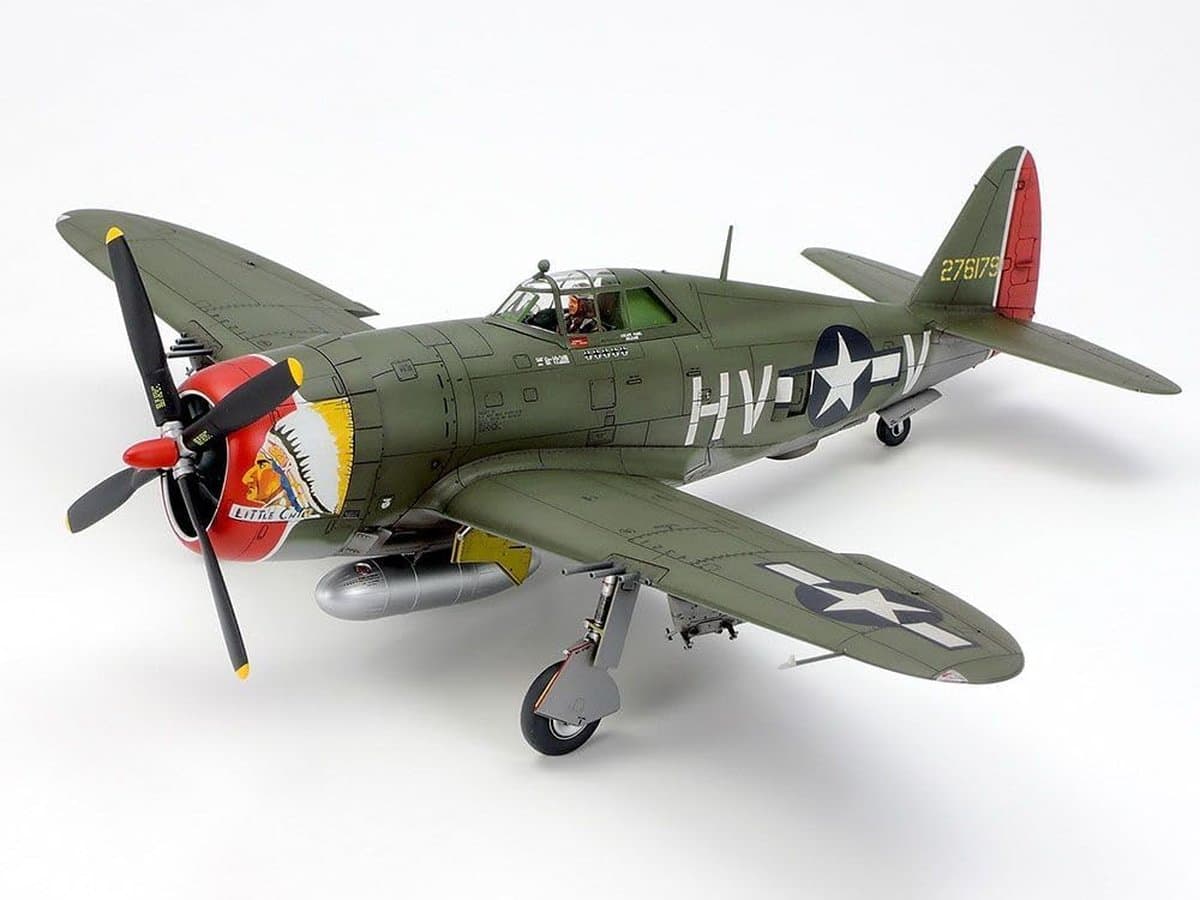
Compare 85+ WW2 scale model kits across aircraft, tanks, and ships. Beginner builds from $9 to museum-grade showpieces at $580. Covers Tamiya, Eduard, HK Models, Trumpeter, and more with honest reviews, trade-offs, and pricing.

On April 7, 1945, the Imperial Japanese Navy sent the largest battleship ever built on a one-way suicide mission to Okinawa. She never arrived. 386 American aircraft found her first, and sank her in under two hours.