

50 Military Decisions That Quietly Shaped Modern Warfare
Decisions that shaped modern military power across history.
ryan-caldwell··45 min read
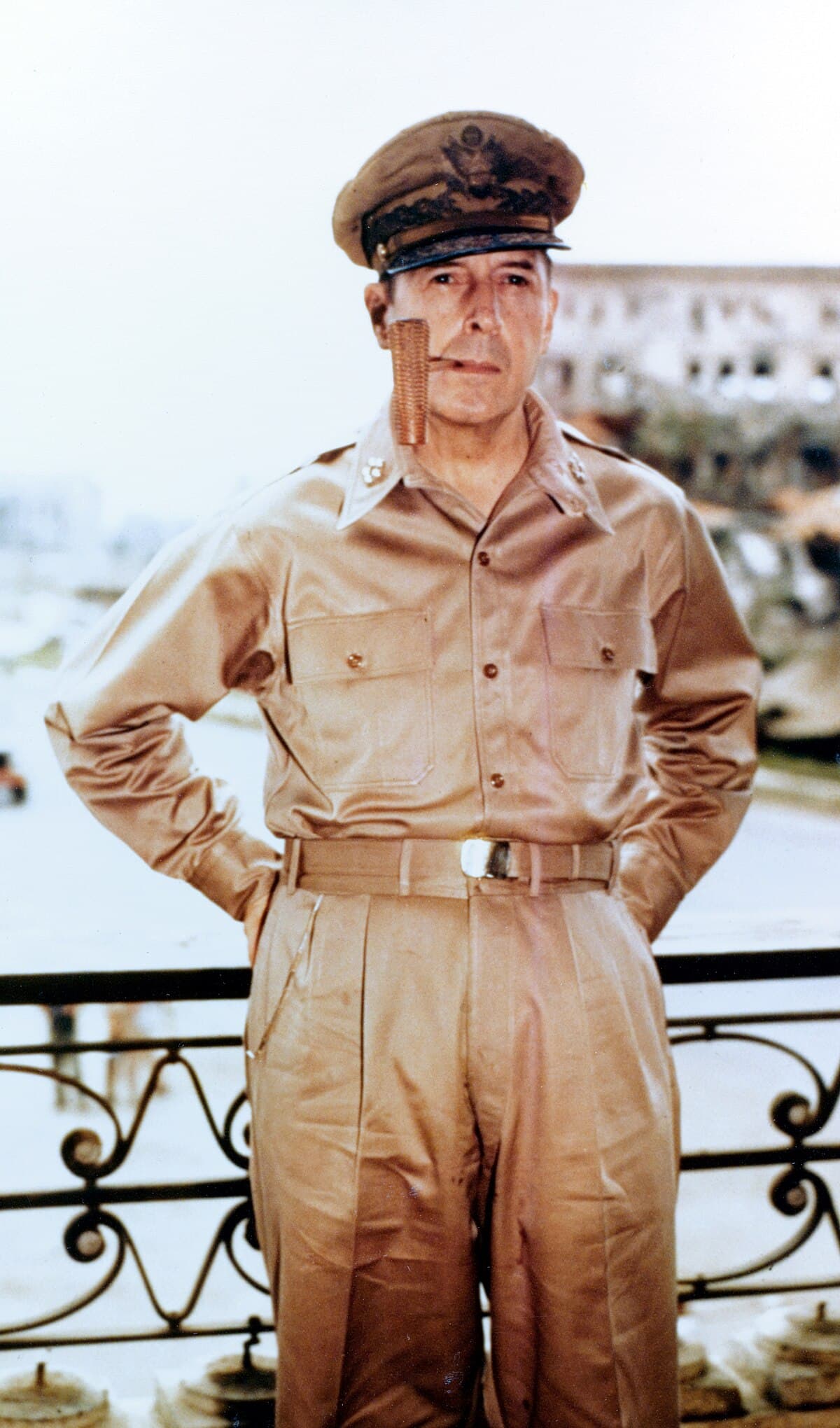
General Douglas MacArthur, his family, and a small party departed Corregidor Island aboard PT boats under direct orders from President Roosevelt, leaving behind 76,000 American and Filipino troops besieged on the Bataan Peninsula. MacArthur's evacuation through Japanese-controlled waters to Australia produced one of the war's most famous pledges, "I shall return", and shaped the entire Allied strategy in the Pacific Theater.
Related articlePresident Abraham Lincoln issued War Order No. 3, removing Major General George B. McClellan from his position as General-in-Chief of the Union Army while retaining him as commander of the Army of the Potomac. Frustrated by McClellan's chronic refusal to advance, Lincoln and Secretary of War Stanton began directing Union strategy themselves, a pivotal shift in Civil War command.
Related articleBritish and Indian forces under Lieutenant General Sir Stanley Maude captured Baghdad during the Mesopotamian Campaign of World War I, reversing the humiliating British defeat at Kut al-Amara in 1916 where nearly 13,000 troops had surrendered. Maude's proclamation, "Our armies do not come into your cities and lands as conquerors or enemies, but as liberators", would be eerily echoed 86 years later.
The first documented cases of the Spanish Flu pandemic were reported at Camp Funston, Fort Riley, Kansas, when company cook Albert Gitchell reported to the camp hospital with fever, sore throat, and headache. Within weeks, over 1,100 soldiers at the camp were hospitalized. The pandemic would ultimately kill more soldiers than combat in World War I and between 50-100 million people worldwide.
President Franklin D. Roosevelt signed the Lend-Lease Act, enabling the United States to supply Britain, the Soviet Union, China, and other Allied nations with war materiel without requiring immediate payment. Over the course of the war, the U.S. provided approximately $50.1 billion in supplies, roughly $700 billion today, including 400,000 trucks, 12,000 armored vehicles, and 11,400 aircraft to the Soviet Union alone.
Related articleGeneral Douglas MacArthur, his family, and a small party departed Corregidor Island aboard PT boats under direct orders from President Roosevelt, leaving behind 76,000 American and Filipino troops besieged on the Bataan Peninsula. MacArthur's evacuation through Japanese-controlled waters to Australia produced one of the war's most famous pledges, "I shall return", and shaped the entire Allied strategy in the Pacific Theater.
Related articleLess than 48 hours after the devastating firebombing of Tokyo, U.S. Army Air Forces launched a major incendiary raid on Nagoya, Japan's third-largest city and a critical center of aircraft production. Over 300 B-29 Superfortresses dropped incendiary bombs, destroying approximately two square miles of the city as part of General Curtis LeMay's new low-altitude firebombing strategy.
Related articleMikhail Gorbachev became General Secretary of the Communist Party of the Soviet Union following the death of Konstantin Chernenko. His policies of glasnost and perestroika led to the INF Treaty, the withdrawal from Afghanistan, and ultimately the dissolution of the Soviet Union, ending the nuclear standoff that had defined global military strategy for four decades.
Lithuania became the first Soviet republic to declare independence, with the Supreme Council voting unanimously to restore the pre-1940 Lithuanian state. Moscow responded with an economic blockade and military intimidation, including the deployment of Soviet tanks through Vilnius, a Cold War endgame crisis that tested whether the Soviet Union would use force to preserve its empire.
Ten bombs detonated on four commuter trains during morning rush hour in Madrid, killing 193 people and wounding approximately 2,000. The al-Qaeda-inspired attack, carried out three days before Spain's general elections, led to the ruling party's defeat and Spain's subsequent withdrawal of troops from Iraq, demonstrating terrorism's power to influence democratic politics.
A magnitude 9.0 earthquake struck off northeastern Japan, generating a massive tsunami that devastated coastal communities and triggered a triple meltdown at the Fukushima Daiichi Nuclear Power Plant. The U.S. military launched Operation Tomodachi, the largest bilateral disaster relief operation in history, deploying 24,000 service members, 189 aircraft, and 24 naval vessels including the aircraft carrier USS Ronald Reagan.

Rear Admiral, U.S. Navy
Commanded the Cruiser and Transport Force during World War I, responsible for safely transporting over two million American troops across the Atlantic to France. Under his command, not a single eastbound troopship was lost to German U-boats, one of the most remarkable logistics achievements in naval history.

Chief Arctic Submarine Scientist, U.S. Navy
Known as the "Father of the Nuclear Submarine Arctic Program," he was the chief scientist aboard USS Nautilus during its historic 1958 voyage beneath the North Pole ice cap. He spent decades developing navigation and sonar techniques for under-ice submarine operations, capabilities critical to Cold War nuclear deterrence.

General, British Army
Commanded the 1st Armoured Division during the Gulf War and served as UN Commander in Bosnia during the critical year of 1995. Author of "The Utility of Force," one of the most influential books on modern warfare, arguing that industrial war between states has been replaced by "war amongst the people."

President of Serbia and Yugoslavia
The Serbian leader whose nationalist policies triggered the Yugoslav Wars of the 1990s, including ethnic cleansing in Bosnia and Kosovo that prompted NATO military intervention. Found dead in his cell at The Hague while standing trial for war crimes, crimes against humanity, and genocide before the International Criminal Tribunal.

General Secretary, Communist Party of the Soviet Union
The last of the "old guard" Soviet leaders, whose death after just thirteen months in power led directly to Mikhail Gorbachev's rise and the chain of events that ended the Cold War. He was the third Soviet leader to die in office in just over two years, convincing the Politburo that younger leadership was essential.
Wear the Timeline
10 military events occurred on March 11, spanning multiple centuries. Key events include: MacArthur Evacuates the Philippines: "I Shall Return" (1942), Lend-Lease Act Signed: America Becomes the Arsenal of Democracy (1941), British Forces Capture Baghdad from the Ottoman Empire (1917), Gorbachev Becomes Soviet Leader, Beginning the End of the Cold War (1985), Fukushima Earthquake Triggers Operation Tomodachi (2011).
The most significant military event on March 11 is MacArthur Evacuates the Philippines: "I Shall Return" (1942). General Douglas MacArthur, his family, and a small party departed Corregidor Island aboard PT boats under direct orders from President Roosevelt, leaving behind 76,000 American and Filipino troops besieged on the Bataan Peninsula. MacArthur's evacuation through Japanese-controlled waters to Australia produced one of the war's most famous pledges, "I shall return", and shaped the entire Allied strategy in the Pacific Theater.
Notable military figures born on March 11 include Rear Admiral Albert Gleaves (1858–1937), Waldo Lyon (1914–1998), General Sir Rupert Smith (1943–present).
Events on March 11 span World War II, World War I, the Cold War, the Modern Era, the Civil War, covering 10 events across 3 centuries of military history.
Events on March 11 involve 5 branches of the U.S. and allied armed forces, reflecting the global scope of military operations throughout history.
Explore military history from the day you were born.
June 6
The Allied invasion of Normandy, the largest amphibious assault in history.
December 7
Japan attacks the U.S. Pacific Fleet, bringing America into World War II.
September 11
The deadliest terrorist attack in history transforms U.S. national security.
August 6
The first atomic bomb is dropped on a city, ushering in the nuclear age.
May 8
Nazi Germany surrenders unconditionally, ending World War II in Europe.
November 11
Armistice Day marks the end of World War I and honors all who served.
June 4
The turning point of the Pacific War as the U.S. Navy destroys four Japanese carriers.
July 4
The Declaration of Independence is adopted, sparking the American Revolution.
Decisions that shaped modern military power across history.
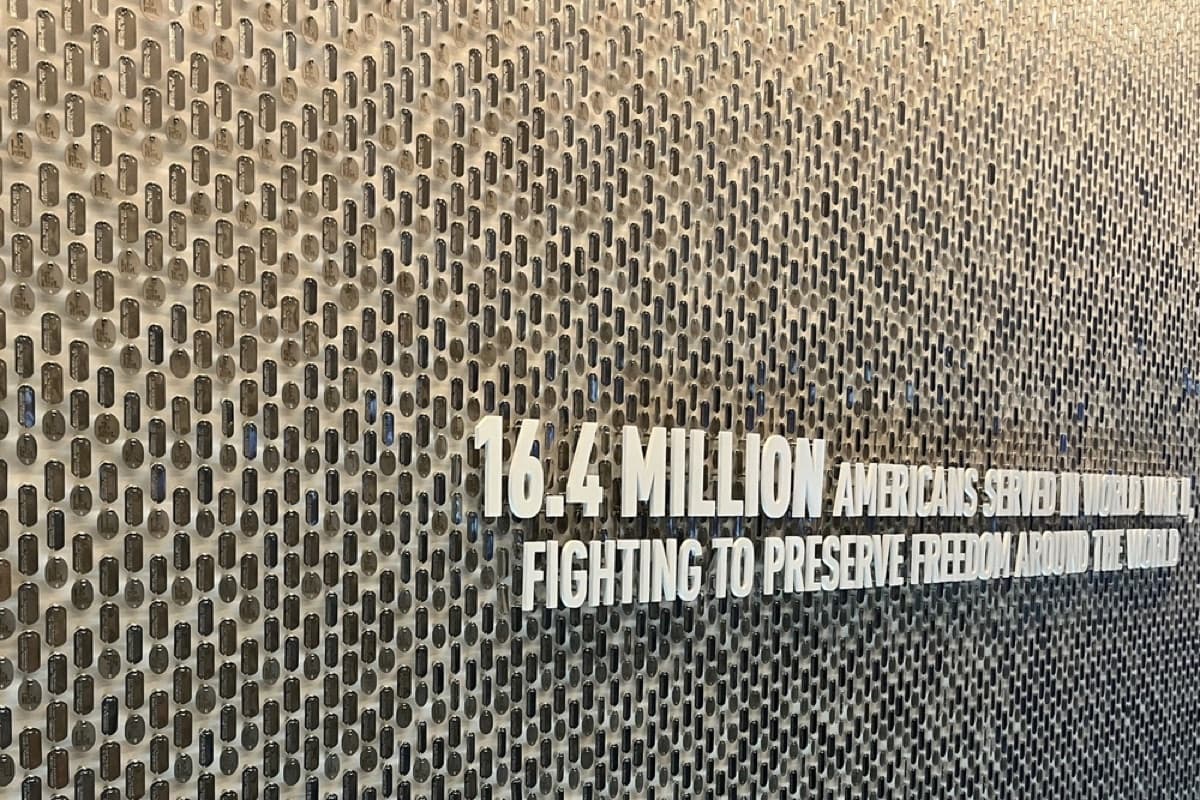
Calvin Graham Was Youngest Decorated US Soldier at 12 Pearl Harbor Visitors Bureau “Green Boys” was a term given to soldiers who…

From wrong turns to unlocked gates - real mistakes that shaped the course of history.
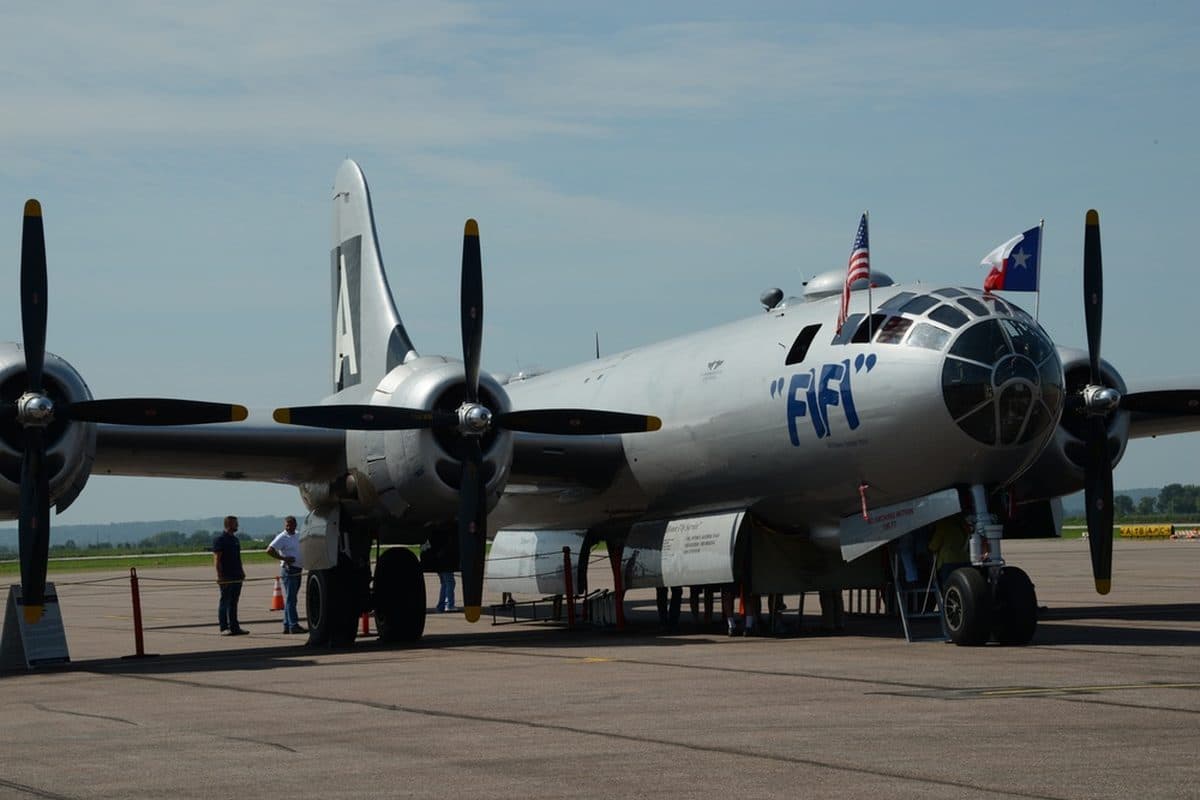
The first flight of the B-29 Superfortress was on the 21st of September, 1942. Produced by Boeing, the Superfortress was considered to be the most advanced bomber aircraft of its…