

15 Best World War II Books for History Enthusiasts (2026)
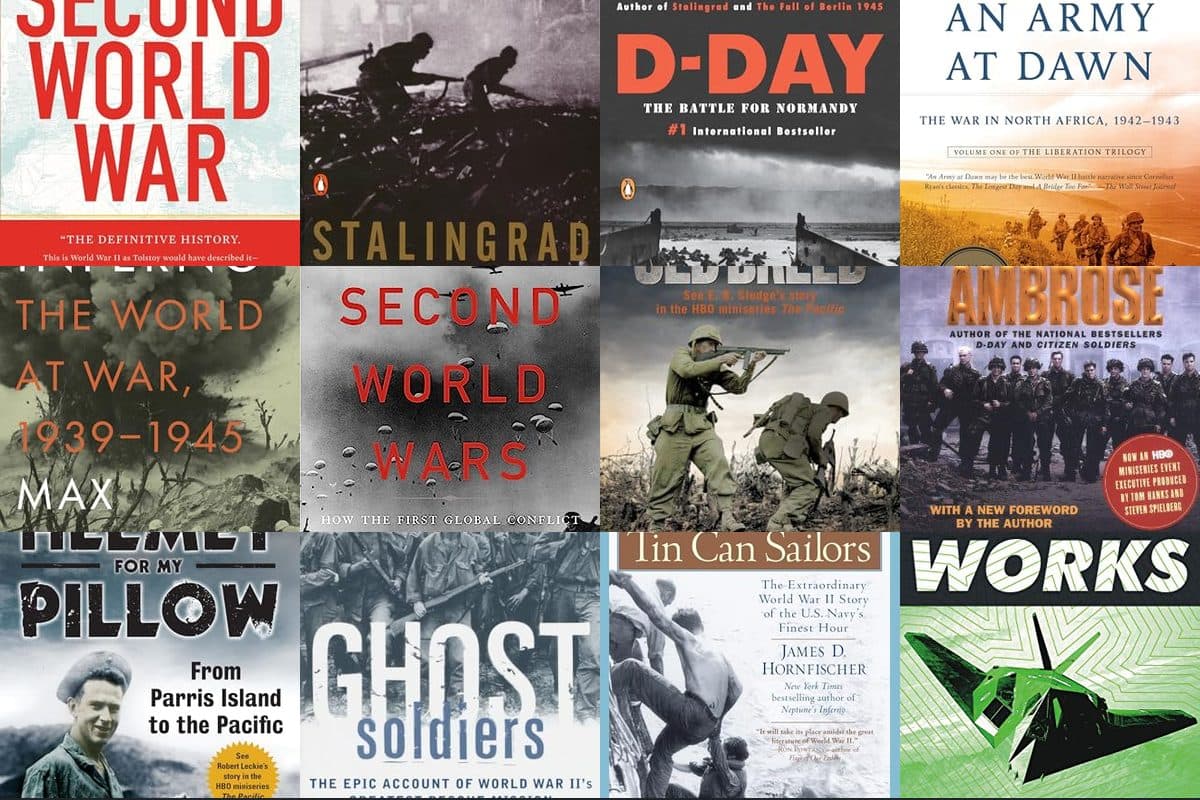
15 essential WW2 books covering every theater. Narrative histories, memoirs, and visual references ranked.
daniel-mercer··21 min read

President Abraham Lincoln delivered a 272-word speech at the dedication of the Soldiers' National Cemetery in Gettysburg, Pennsylvania. In just over two minutes, Lincoln redefined the Civil War not merely as a struggle to preserve the Union but as a fight for human equality, "a new birth of freedom", transforming the conflict's meaning for all time.
Chief Justice John Jay signed a treaty with Britain that averted war, secured British withdrawal from frontier forts in the Northwest Territory, and granted limited American trading rights. Though bitterly controversial, critics accused Jay of surrender to British interests, the treaty bought critical time for the young republic to strengthen its military position.
Lincoln's 272-word speech at the Gettysburg cemetery dedication redefined the Civil War as a struggle for equality and democratic government, becoming the most important speech in American history.
British and French forces suspended offensive operations along the Somme River after 141 days of continuous combat that had killed roughly 300,000 men and wounded nearly a million more. The campaign introduced the tank to warfare and entrenched Allied industrial-scale infantry-artillery attrition doctrine that shaped the rest of the war.
The United States Senate voted against ratification of the Treaty of Versailles, rejecting membership in the League of Nations and withdrawing American political authority from the post-war settlement. The decision reshaped interwar international security arrangements and set the conditions for the rise of the Axis powers two decades later.
The Royal Australian Navy light cruiser HMAS Sydney engaged the disguised German auxiliary cruiser Kormoran off the coast of Western Australia. Both ships were destroyed in the brief battle, and all 645 Australian sailors aboard Sydney were lost, the worst single loss of life in Australian naval history.
The Red Army launched Operation Uranus, a massive double envelopment of the German Sixth Army at Stalingrad. Soviet forces broke through the weak Romanian flanks north and south of the city, and within four days the pincers met at Kalach, trapping approximately 300,000 German and Axis troops in the largest encirclement of the war.
As the 1st Marine Division and elements of the 7th Infantry Division advanced toward the Yalu River in North Korea, Chinese forces of the 9th Army Group, approximately 120,000 troops, were moving into position around the Chosin Reservoir. The trap that would soon spring shut would produce one of the most epic fighting withdrawals in military history.
Navy Commanders Pete Conrad and Alan Bean landed the Lunar Module Intrepid on the Ocean of Storms, making Apollo 12 the second crewed Moon landing. Conrad's first words, "Whoopee! Man, that may have been a small one for Neil, but that's a long one for me!", were part of a bet to prove the astronauts' words were not scripted by NASA.
Egyptian President Anwar Sadat became the first Arab leader to formally visit Israel and address the Knesset, stunning both sides of the conflict and initiating the process that produced the 1978 Camp David Accords and the 1979 Egypt-Israel peace treaty. Sadat's flight and address transformed the military balance of the Middle East.
Twenty-two NATO and Warsaw Pact nations signed the Treaty on Conventional Armed Forces in Europe (CFE), imposing limits on tanks, armored vehicles, artillery, aircraft, and helicopters deployed between the Atlantic and the Urals. The treaty effectively ended the conventional military standoff that had defined the Cold War in Europe.

Major General
Twentieth President of the United States and the last president born in a log cabin. Garfield served as a Union general during the Civil War, winning the Battle of Middle Creek in Kentucky and commanding a brigade at Shiloh and Chickamauga. He was elected to Congress while still in uniform and was assassinated less than four months into his presidency.

Prime Minister of India who led her country through the 1971 Indo-Pakistani War, which resulted in the creation of Bangladesh. Her decision to intervene militarily was one of the most successful demonstrations of military force for political objectives in the Cold War era, defeating Pakistan in just 13 days.

The last leader of the Quilombo dos Palmares, a community of escaped slaves in northeastern Brazil that resisted Portuguese colonial forces for nearly a century. Zumbi led guerrilla warfare against Portuguese expeditions for over 15 years before being betrayed and killed. November 20, the date he is commemorated, is Black Consciousness Day in Brazil.
Wear the Timeline
10 military events occurred on November 19, spanning multiple centuries. Key events include: The Gettysburg Address (1863), Soviet Counteroffensive at Stalingrad Begins (1942), HMAS Sydney and German Raider Kormoran Destroy Each Other (1941), Anwar Sadat Addresses the Israeli Knesset (1977), The Battle of the Somme Officially Ends (1916).
The most significant military event on November 19 is The Gettysburg Address (1863). President Abraham Lincoln delivered a 272-word speech at the dedication of the Soldiers' National Cemetery in Gettysburg, Pennsylvania. In just over two minutes, Lincoln redefined the Civil War not merely as a struggle to preserve the Union but as a fight for human equality, "a new birth of freedom", transforming the conflict's meaning for all time.
Notable military figures born on November 19 include James A. Garfield (1831–1881), Indira Gandhi (1917–1984).
Events on November 19 span the Civil War, World War II, the Colonial & Revolutionary era, the Korean War, the Cold War, World War I, covering 10 events across 3 centuries of military history.
Events on November 19 involve 4 branches of the U.S. and allied armed forces, reflecting the global scope of military operations throughout history.
Explore military history from the day you were born.
June 6
The Allied invasion of Normandy, the largest amphibious assault in history.
December 7
Japan attacks the U.S. Pacific Fleet, bringing America into World War II.
September 11
The deadliest terrorist attack in history transforms U.S. national security.
August 6
The first atomic bomb is dropped on a city, ushering in the nuclear age.
May 8
Nazi Germany surrenders unconditionally, ending World War II in Europe.
November 11
Armistice Day marks the end of World War I and honors all who served.
June 4
The turning point of the Pacific War as the U.S. Navy destroys four Japanese carriers.
July 4
The Declaration of Independence is adopted, sparking the American Revolution.
15 essential WW2 books covering every theater. Narrative histories, memoirs, and visual references ranked.
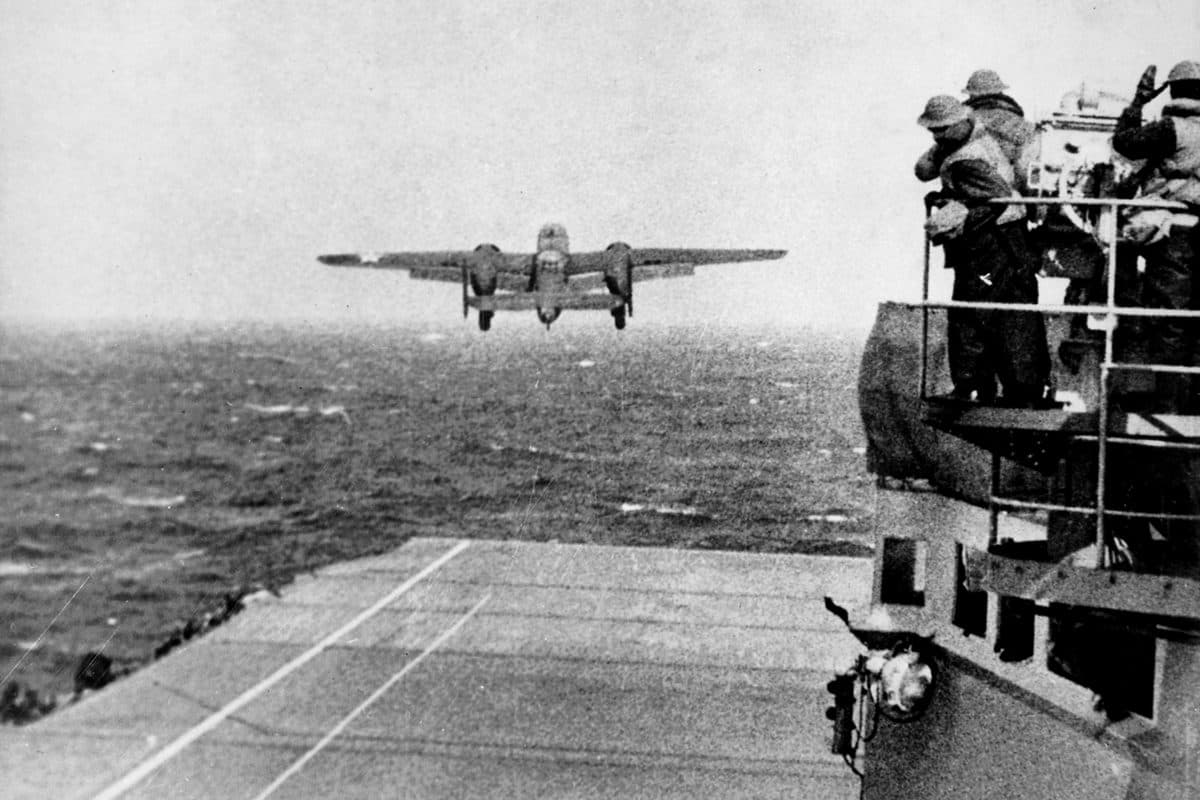
On April 18, 1942, sixteen B-25 Mitchell bombers did something no one thought possible: they launched from the deck of an aircraft carrier, flew 650 miles to Japan, and bombed Tokyo. Every aircraft was lost. The damage was negligible. The consequences changed the war.
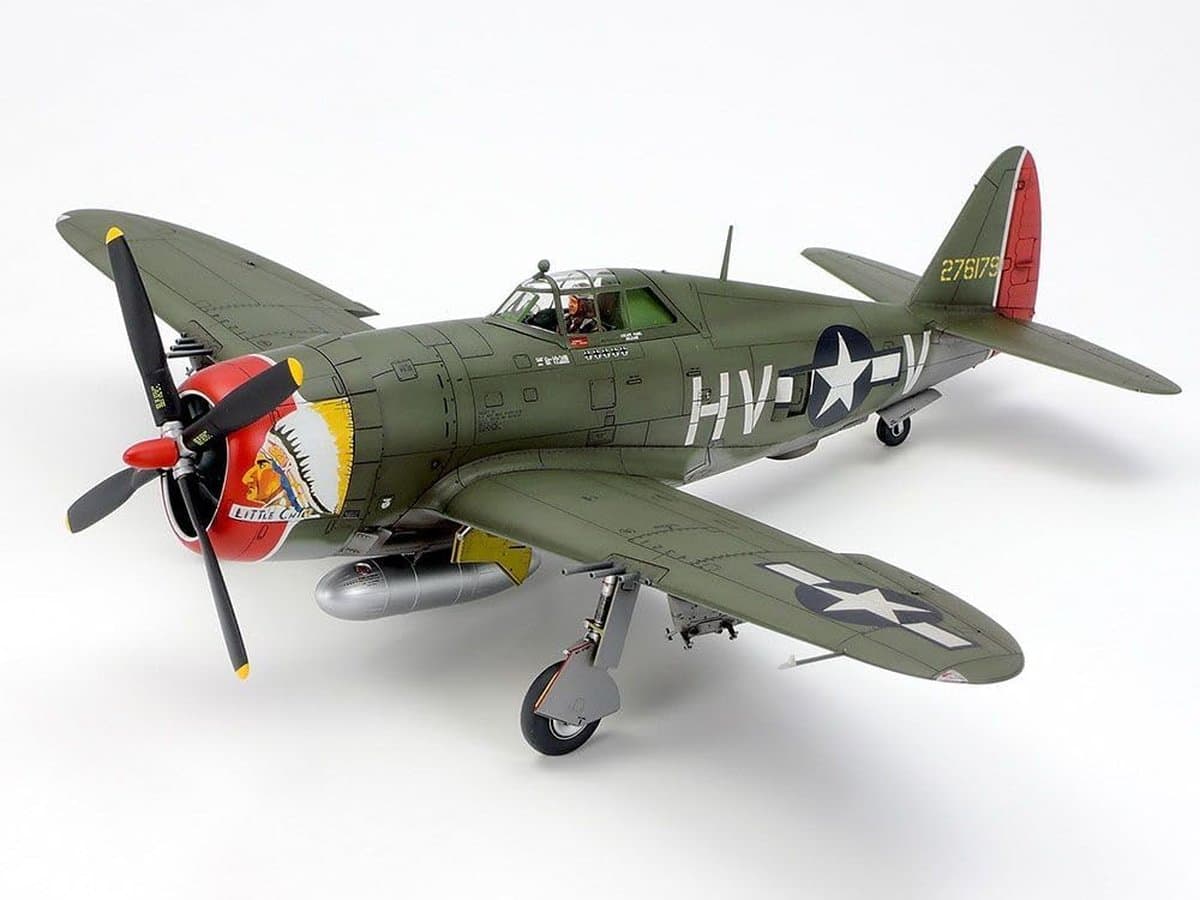
Compare 85+ WW2 scale model kits across aircraft, tanks, and ships. Beginner builds from $9 to museum-grade showpieces at $580. Covers Tamiya, Eduard, HK Models, Trumpeter, and more with honest reviews, trade-offs, and pricing.

On April 7, 1945, the Imperial Japanese Navy sent the largest battleship ever built on a one-way suicide mission to Okinawa. She never arrived. 386 American aircraft found her first, and sank her in under two hours.