

20 Chilling Quotes from the Trenches of World War I
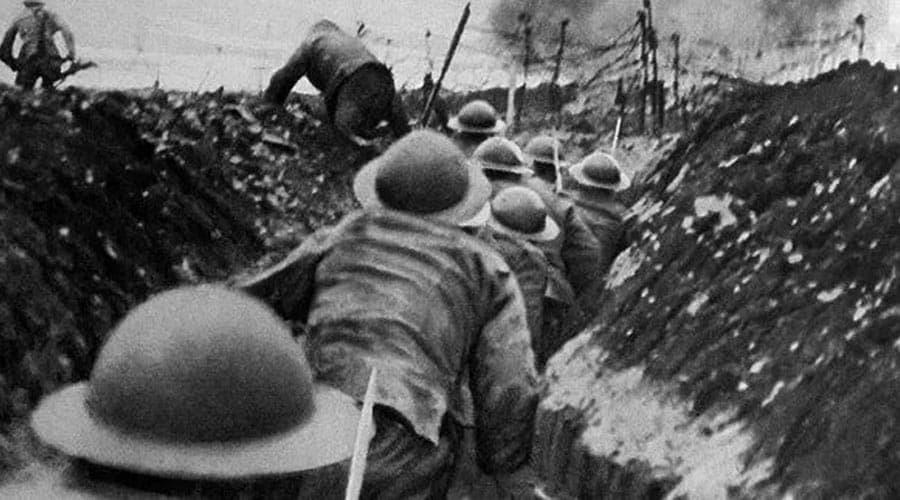
Harrowing first-person accounts from soldiers who endured the mud, gas, and constant shelling of World War I's Western Front.
james-holloway··8 min read

Field Marshal Sir Douglas Haig called off the Battle of the Somme after 141 days of fighting that produced over one million total casualties for a maximum advance of seven miles. The battle, which began with 57,470 British casualties on its first day alone, became the defining symbol of the futility and horror of Western Front trench warfare in World War I.
The Haitian revolutionary army under Jean-Jacques Dessalines decisively defeated the French colonial army under General Donatien de Rochambeau at Vertières, ending the Haitian Revolution and establishing the first successful independence struggle by a formerly enslaved population. The victory produced the second independent republic in the Americas and the first Black-led nation in modern history.
Marshal Ney's rearguard of 8,000 men was cut off by Russian forces at Krasnoi during Napoleon's catastrophic retreat from Moscow. Surrounded and outnumbered, Ney personally led repeated bayonet charges to break through, eventually reaching the Grande Armée with only 800 survivors. Napoleon called Ney "the bravest of the brave" for his actions.
President Lincoln traveled by train from Washington to Gettysburg, Pennsylvania, where he would deliver the Gettysburg Address the following day. Contrary to legend, Lincoln did not write the speech on the back of an envelope; he had been working on it for weeks. The 272-word address would redefine the meaning of the Civil War and American democracy.
American and Canadian railroads implemented a system of four continental time zones at noon on November 18, replacing the previous patchwork of roughly 300 local time standards. The standardization transformed military logistics, rail mobilization planning, and the coordination of multi-theater operations that would define modern warfare.
The Somme ended after 141 days with over one million total casualties for a maximum advance of seven miles. The battle became the defining symbol of World War I's futility.
Chilling Quotes from WWI TrenchesThe People's Council of Latvia proclaimed Latvian independence in Riga, forming the first Latvian national government during the collapse of the Russian and German empires at the end of the First World War. The proclamation initiated the Latvian War of Independence, a two-and-a-half-year conflict against Bolshevik and Baltic German forces that produced the modern Latvian military tradition.
The British Eighth Army launched Operation Crusader, a major offensive to relieve the besieged garrison at Tobruk, Libya. The five-week campaign involved some of the most confused armored fighting of the desert war, with both sides claiming victory at different points. The operation ultimately succeeded in relieving Tobruk and pushing Rommel back to El Agheila.
The 2nd Battalion, 7th Cavalry Regiment was ambushed by People's Army of Vietnam forces while marching overland to Landing Zone Albany in the Central Highlands. The resulting engagement, the bloodiest single day for U.S. ground forces in the Vietnam War to that point, killed 155 American soldiers and wounded 124 more, exposing critical weaknesses in the U.S. Army's approach to air mobility.
Over 900 Americans died in a mass murder-suicide at the Peoples Temple agricultural compound in Jonestown, Guyana, after cult leader Jim Jones ordered his followers to drink cyanide-laced punch. Earlier that day, Jones had ordered the assassination of Congressman Leo Ryan and four others at the Port Kaituma airstrip. U.S. military personnel were deployed to recover the bodies.
The Massachusetts Supreme Judicial Court ruled that denying marriage to same-sex couples violated the state constitution, eventually leading to the repeal of "Don't Ask, Don't Tell" in 2010 and the full integration of LGBTQ+ service members into the U.S. military. The ruling's ripple effects transformed military personnel policy.

Inspector General
Twenty-first President of the United States who served as Inspector General of New York during the Civil War, overseeing the equipping and housing of hundreds of thousands of Union soldiers passing through New York City. As president, Arthur signed the Naval Appropriations Act of 1883, authorizing the construction of the first modern steel warships of the "New Navy."

World-renowned Polish pianist and statesman who used his international fame to champion Polish independence during World War I. His advocacy influenced President Wilson's Fourteen Points to include an independent Poland. He served briefly as Prime Minister in 1919 and helped establish the Polish Army that defended the new state against Soviet invasion in the Polish-Soviet War of 1920.

Fleet Admiral
Commander in Chief of the U.S. Pacific Fleet who directed the defeat of Japan from the dark days after Pearl Harbor through the victories at Midway, Leyte Gulf, and Iwo Jima. Nimitz signed the Japanese surrender document aboard USS Missouri on September 2, 1945. His calm, methodical leadership stood in contrast to MacArthur's flamboyance but was equally decisive.
Wear the Timeline
10 military events occurred on November 18, spanning multiple centuries. Key events include: The Battle of the Somme Ends (1916), Operation Crusader Begins in North Africa (1941), The Battle of Vertières (1803), Battle of LZ Albany in the Ia Drang Valley (1965).
The most significant military event on November 18 is The Battle of the Somme Ends (1916). Field Marshal Sir Douglas Haig called off the Battle of the Somme after 141 days of fighting that produced over one million total casualties for a maximum advance of seven miles. The battle, which began with 57,470 British casualties on its first day alone, became the defining symbol of the futility and horror of Western Front trench warfare in World War I.
Notable military figures born on November 18 include Chester A. Arthur (1829–1886), Ignacy Paderewski (1860–1941).
Events on November 18 span World War I, the Civil War, World War II, the Cold War, the Colonial & Revolutionary era, the Modern Era, the Interwar Period, the Vietnam War, covering 10 events across 3 centuries of military history.
Events on November 18 involve 1 branches of the U.S. and allied armed forces, reflecting the global scope of military operations throughout history.
Explore military history from the day you were born.
June 6
The Allied invasion of Normandy, the largest amphibious assault in history.
December 7
Japan attacks the U.S. Pacific Fleet, bringing America into World War II.
September 11
The deadliest terrorist attack in history transforms U.S. national security.
August 6
The first atomic bomb is dropped on a city, ushering in the nuclear age.
May 8
Nazi Germany surrenders unconditionally, ending World War II in Europe.
November 11
Armistice Day marks the end of World War I and honors all who served.
June 4
The turning point of the Pacific War as the U.S. Navy destroys four Japanese carriers.
July 4
The Declaration of Independence is adopted, sparking the American Revolution.
Harrowing first-person accounts from soldiers who endured the mud, gas, and constant shelling of World War I's Western Front.
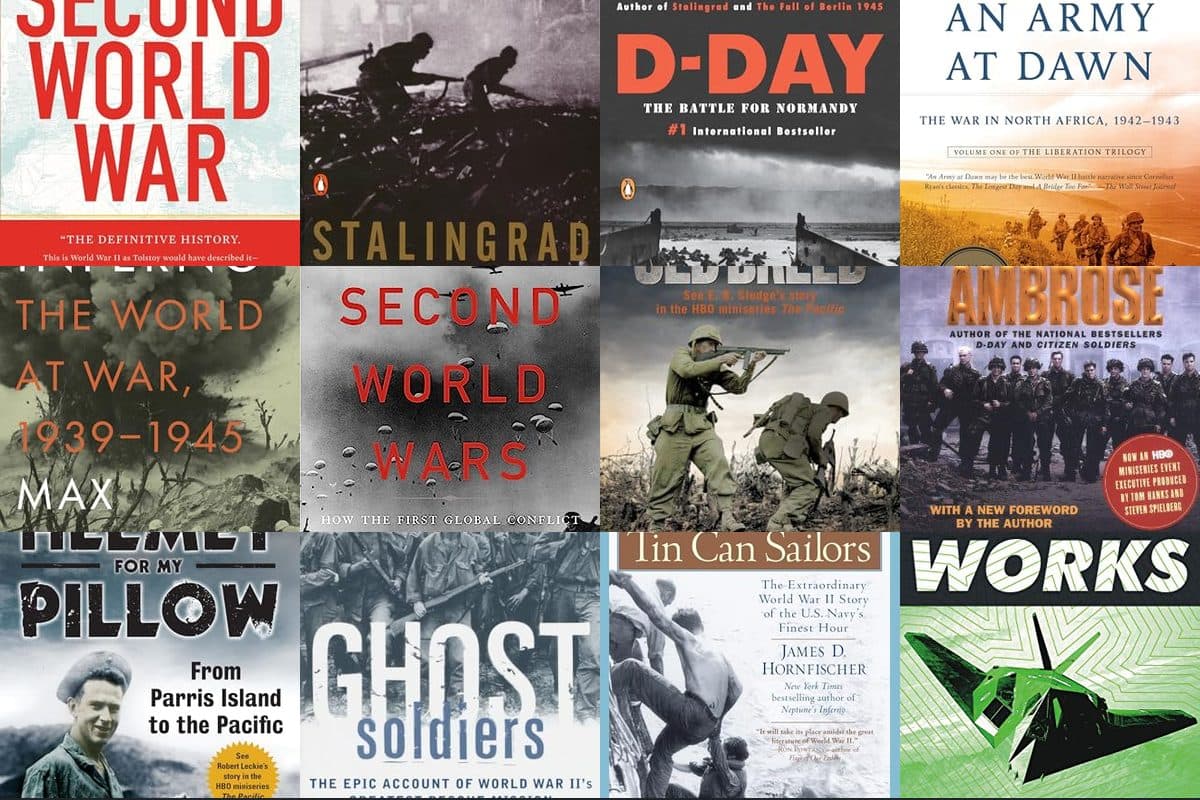
15 essential WW2 books covering every theater. Narrative histories, memoirs, and visual references ranked.
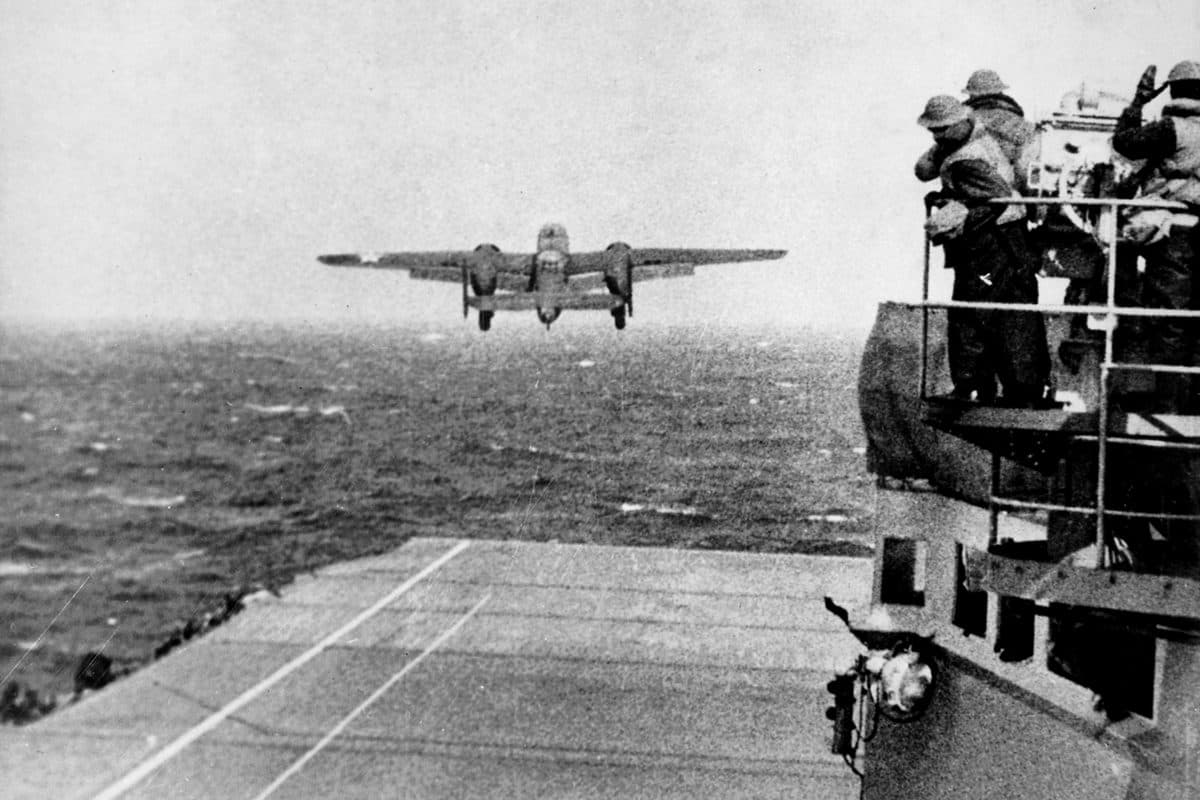
On April 18, 1942, sixteen B-25 Mitchell bombers did something no one thought possible: they launched from the deck of an aircraft carrier, flew 650 miles to Japan, and bombed Tokyo. Every aircraft was lost. The damage was negligible. The consequences changed the war.
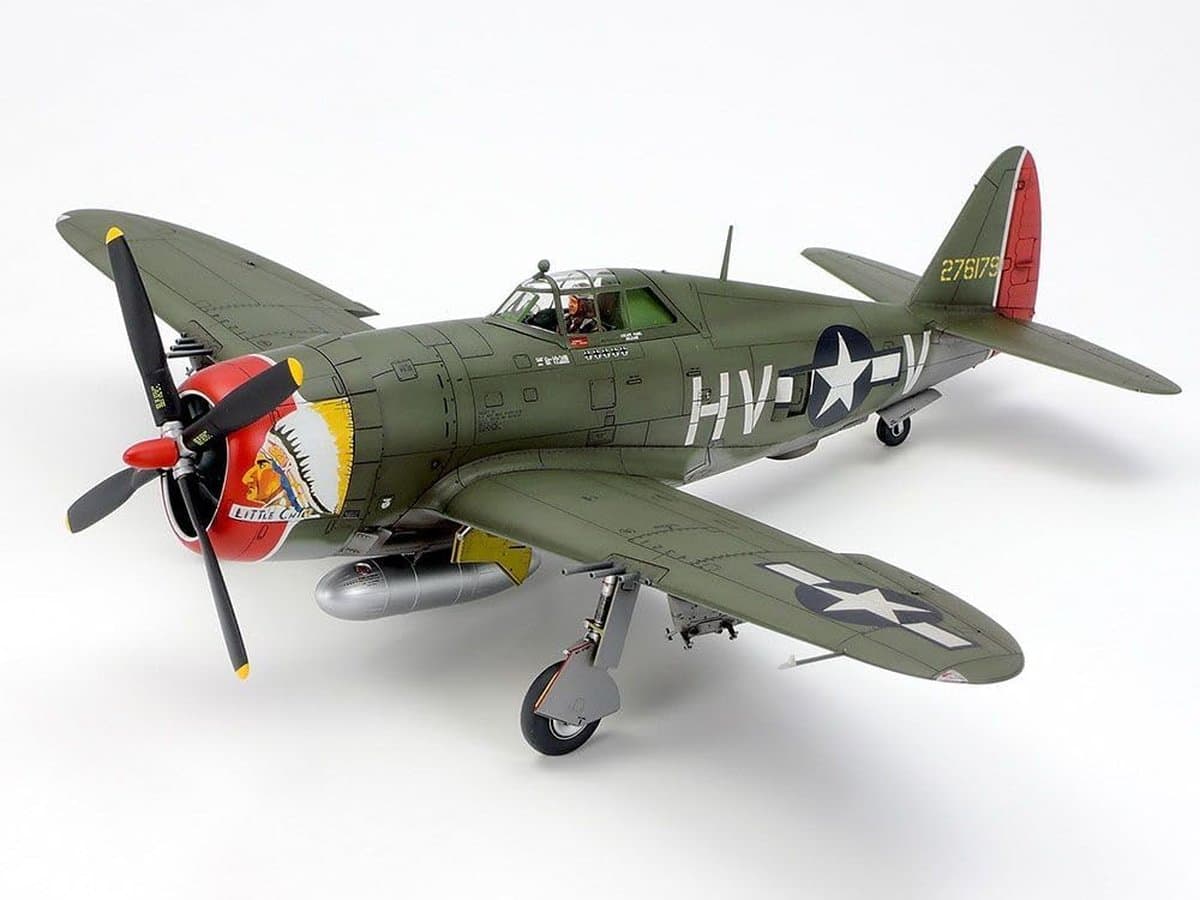
Compare 85+ WW2 scale model kits across aircraft, tanks, and ships. Beginner builds from $9 to museum-grade showpieces at $580. Covers Tamiya, Eduard, HK Models, Trumpeter, and more with honest reviews, trade-offs, and pricing.