



15 Best World War II Books for History Enthusiasts (2026)
15 essential WW2 books covering every theater. Narrative histories, memoirs, and visual references ranked.
daniel-mercer··21 min read

General Douglas MacArthur's Sixth Army, comprising 175,000 troops, stormed the beaches of Lingayen Gulf on Luzon, the Philippines' largest island and the site of Manila. The invasion fulfilled MacArthur's famous promise to return and began the largest land campaign of the Pacific War, a brutal three-month battle that would cost over 190,000 Japanese and 10,000 American lives.
Jean-Pierre Blanchard made the first manned balloon flight in the Americas, ascending from the yard of the Walnut Street Prison in Philadelphia before President George Washington and a crowd of thousands. Washington gave Blanchard a "passport" ordering citizens to assist him wherever he landed. The flight demonstrated potential military applications of aerial observation that would be realized during the Civil War.
The civilian steamship Star of the West, carrying reinforcements and supplies to Fort Sumter in Charleston Harbor, was fired upon by South Carolina militia batteries, one of the first shots of the coming Civil War, three months before the bombardment of Fort Sumter itself. The ship turned back, leaving the garrison isolated and setting the stage for the crisis that would ignite the conflict.
South Carolina militia batteries on Morris Island fired on the unarmed merchant steamer Star of the West as it attempted to resupply the federal garrison at Fort Sumter in Charleston Harbor. The shots, fired over three months before the attack on Fort Sumter, were among the first hostile acts of the secession crisis.
The last Allied troops evacuated the Gallipoli Peninsula, ending one of the most disastrous campaigns of World War I. The eight-month campaign, conceived by Winston Churchill to force the Dardanelles and knock the Ottoman Empire out of the war, had cost the Allies over 180,000 casualties. Paradoxically, the evacuation itself was brilliantly executed, with not a single casualty.
The final Allied troops evacuated from the Gallipoli Peninsula, ending one of the most disastrous campaigns of World War I. Over eight months, the failed attempt to knock the Ottoman Empire out of the war had cost the Allies approximately 250,000 casualties, including 46,000 dead.
The Anzac Mounted Division and the British Imperial Camel Corps routed the Ottoman garrison at Rafa on the Egypt-Palestine border, capturing roughly 1,600 prisoners and clearing the last Ottoman stronghold in the Sinai Peninsula. The victory opened the door to the Southern Palestine Offensive and set the stage for the British drive on Gaza and Jerusalem.
General MacArthur's Sixth Army stormed the beaches of Lingayen Gulf on Luzon with 175,000 troops, beginning the largest land campaign of the Pacific War. The invasion fulfilled MacArthur's promise to return to the Philippines.
General Douglas MacArthur's Sixth Army, comprising 175,000 troops, landed at Lingayen Gulf on the western coast of Luzon in the Philippines, beginning the liberation of the main Philippine island. The landing fulfilled MacArthur's famous promise of "I shall return" made nearly three years earlier.
Construction began on the Aswan High Dam in Egypt, a massive Cold War infrastructure project funded by the Soviet Union after the United States withdrew its offer. The dam's construction was a direct consequence of the Suez Crisis of 1956 and cemented Soviet influence in the Middle East, reshaping Cold War alliances in the region for decades.
Steve Jobs introduced the iPhone at the Macworld Conference in San Francisco. While a consumer product, the smartphone revolution it ignited transformed military operations, from secure communications and real-time intelligence sharing to the proliferation of encrypted messaging apps used by both military forces and insurgent groups, fundamentally changing modern warfare and intelligence gathering.

The 37th President, Nixon served as a Navy lieutenant commander in the Pacific during World War II before entering politics. As president, he opened relations with China, negotiated arms control with the Soviet Union, and ended American involvement in Vietnam, though his secret bombing campaigns and Watergate scandal defined his controversial legacy.

Suffragist leader who strategically supported the U.S. war effort during World War I to build the case for women's voting rights. Her argument, that women who had contributed to the war effort through factory work, nursing, and organizing deserved the franchise, helped win passage of the 19th Amendment in 1920.

Emperor of France who led the nation into the disastrous Franco-Prussian War of 1870-1871, where he was personally captured at the Battle of Sedan, one of the most humiliating defeats in French military history. His downfall led to the creation of the German Empire and reshaped the European balance of power.
Wear the Timeline
10 military events occurred on January 9, spanning multiple centuries. Key events include: U.S. Sixth Army Invades Luzon (1945), Gallipoli Campaign Ends, Last Allied Troops Evacuate (1916), Star of the West Fired Upon at Fort Sumter (1861), Gallipoli Evacuation Completed, Last Allied Troops Leave the Peninsula (1916), MacArthur's Forces Land at Lingayen Gulf, Liberating the Philippines (1945).
The most significant military event on January 9 is U.S. Sixth Army Invades Luzon (1945). General Douglas MacArthur's Sixth Army, comprising 175,000 troops, stormed the beaches of Lingayen Gulf on Luzon, the Philippines' largest island and the site of Manila. The invasion fulfilled MacArthur's famous promise to return and began the largest land campaign of the Pacific War, a brutal three-month battle that would cost over 190,000 Japanese and 10,000 American lives.
Notable military figures born on January 9 include Richard Nixon (1913–1994), Carrie Chapman Catt (1859–1947).
Events on January 9 span World War II, the Colonial & Revolutionary era, World War I, the Modern Era, the Civil War, the Cold War, covering 10 events across 4 centuries of military history.
Events on January 9 involve 2 branches of the U.S. and allied armed forces, reflecting the global scope of military operations throughout history.
Explore military history from the day you were born.
June 6
The Allied invasion of Normandy, the largest amphibious assault in history.
December 7
Japan attacks the U.S. Pacific Fleet, bringing America into World War II.
September 11
The deadliest terrorist attack in history transforms U.S. national security.
August 6
The first atomic bomb is dropped on a city, ushering in the nuclear age.
May 8
Nazi Germany surrenders unconditionally, ending World War II in Europe.
November 11
Armistice Day marks the end of World War I and honors all who served.
June 4
The turning point of the Pacific War as the U.S. Navy destroys four Japanese carriers.
July 4
The Declaration of Independence is adopted, sparking the American Revolution.
15 essential WW2 books covering every theater. Narrative histories, memoirs, and visual references ranked.
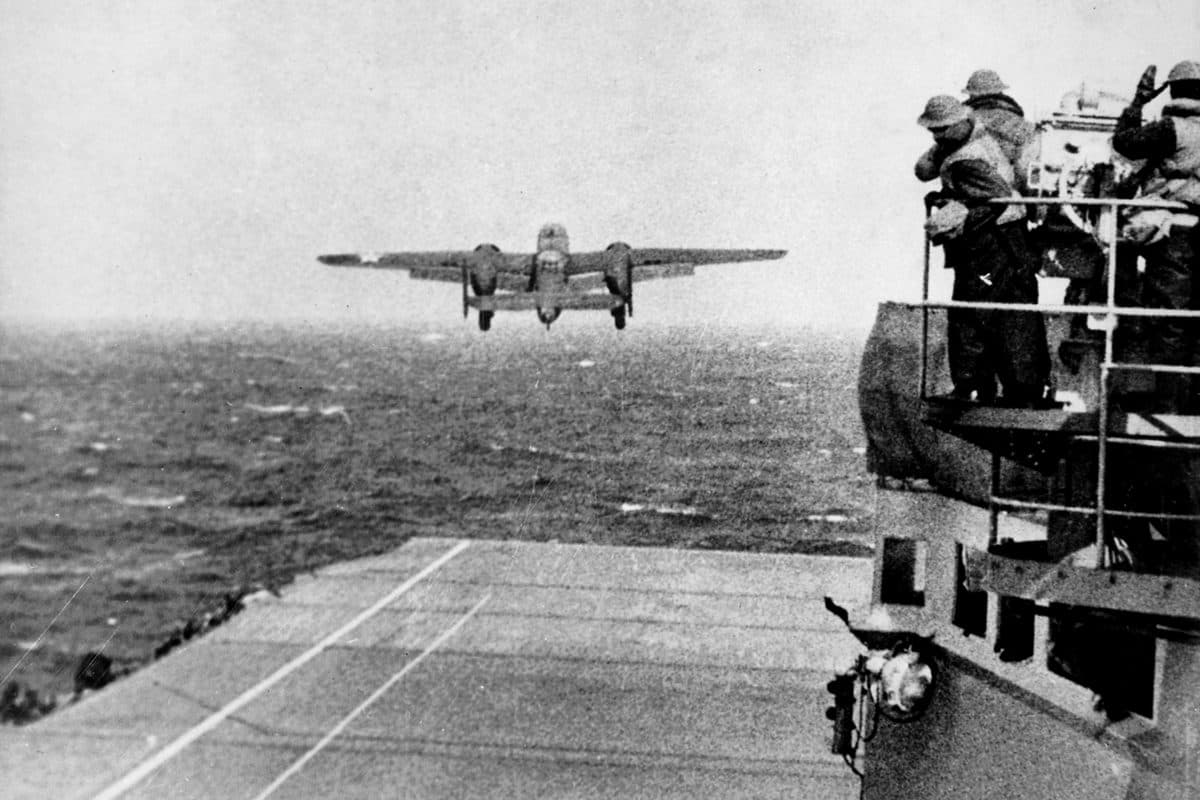
On April 18, 1942, sixteen B-25 Mitchell bombers did something no one thought possible: they launched from the deck of an aircraft carrier, flew 650 miles to Japan, and bombed Tokyo. Every aircraft was lost. The damage was negligible. The consequences changed the war.
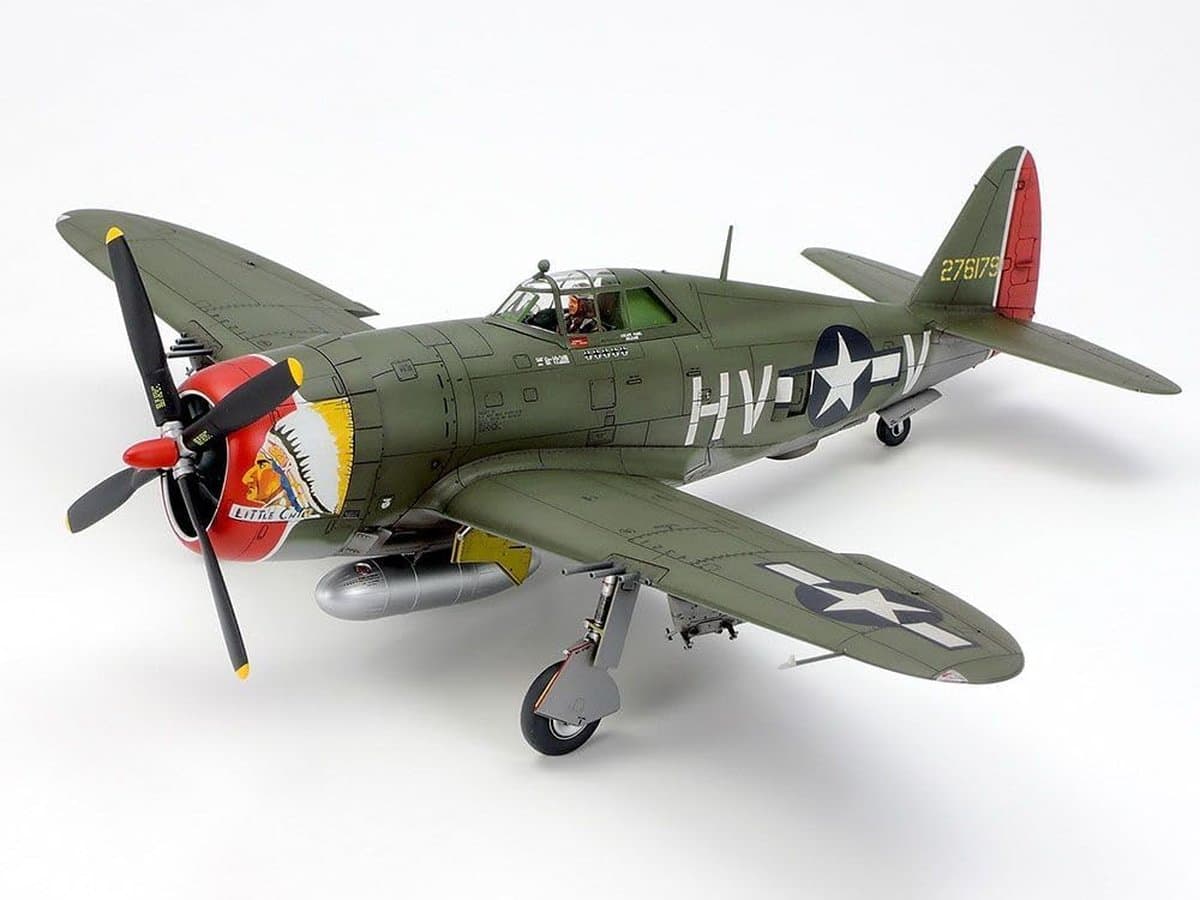
Compare 85+ WW2 scale model kits across aircraft, tanks, and ships. Beginner builds from $9 to museum-grade showpieces at $580. Covers Tamiya, Eduard, HK Models, Trumpeter, and more with honest reviews, trade-offs, and pricing.

On April 7, 1945, the Imperial Japanese Navy sent the largest battleship ever built on a one-way suicide mission to Okinawa. She never arrived. 386 American aircraft found her first, and sank her in under two hours.