

World World 2 Facts: Did You Know These 29 Interesting Details?
Calvin Graham Was Youngest Decorated US Soldier at 12 Pearl Harbor Visitors Bureau “Green Boys” was a term given to soldiers who…
daniel-mercer··27 min read
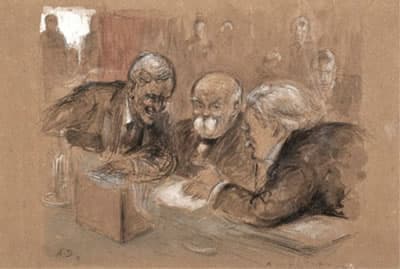
The Treaty of Versailles officially entered into force, formally ending World War I and establishing the League of Nations, the world's first international organization dedicated to preventing war. The treaty imposed devastating reparations on Germany, redrew the map of Europe and the Middle East, and created the conditions that would lead, with terrible inevitability, to an even more catastrophic war twenty years later.
Julius Caesar led the 13th Legion across the Rubicon River from Gaul into Italy, defying the Roman Senate's order to disband his army. The act of crossing the Rubicon, a stream marking the boundary beyond which no Roman general could bring troops under arms, triggered a civil war that destroyed the Roman Republic and eventually led to the Roman Empire. "The die is cast," Caesar reportedly declared.
Roman general Julius Caesar crossed the Rubicon River with his 13th Legion, defying the Roman Senate's order to disband his army and triggering a civil war that would destroy the Roman Republic. His reported declaration "alea iacta est", "the die is cast", became one of history's most famous military phrases.
Thomas Paine published his pamphlet "Common Sense," the most influential political document of the American Revolution. In plain, forceful language accessible to common people, Paine argued that independence from Britain was not only necessary but inevitable. The pamphlet sold 500,000 copies, in a country of 2.5 million, and transformed the colonial debate from grievance over taxes to a demand for independence.
The Confederate commerce raider CSS Alabama, captained by Raphael Semmes, sank the USS Hatteras off the coast of Galveston, Texas, in one of the few ship-to-ship naval engagements of the Civil War. The Alabama, built secretly in Britain, went on to capture or destroy 65 Union merchant vessels, making Semmes the most successful commerce raider of the war.
The Confederate commerce raider CSS Alabama, commanded by Captain Raphael Semmes, sank the Union gunboat USS Hatteras in a brief engagement off the coast of Galveston, Texas. It was the only time during the Civil War that a Confederate warship sank a Union warship in open ocean combat.
The Treaty of Versailles officially entered into force, ending World War I and establishing the League of Nations. The treaty imposed devastating terms on Germany and redrew the map of Europe and the Middle East, sowing the seeds of World War II.
World War 2 FactsAmerican forces on Guadalcanal launched the final offensive to eliminate the remaining Japanese garrison. The Japanese Imperial General Headquarters had secretly decided to evacuate the island, but the remaining defenders fought with suicidal determination. The campaign, which had begun with the Marine landing on August 7, 1942, was the first major Allied offensive of the Pacific War.
The first session of the United Nations General Assembly opened in London with delegates from 51 nations. Created from the ashes of World War II to replace the failed League of Nations, the UN represented humanity's second attempt at an international organization to prevent war. Unlike the League, the UN included the United States and had a Security Council with enforcement powers.
The first session of the United Nations General Assembly convened at the Methodist Central Hall in London, with delegates from 51 nations attending. The assembly represented the culmination of wartime planning to create an international body capable of preventing future global conflicts.
Indian Prime Minister Lal Bahadur Shastri and Pakistani President Ayub Khan signed the Tashkent Declaration in the Uzbek SSR, formally ending the Second Kashmir War. The agreement, mediated by Soviet Premier Alexei Kosygin, returned forces to pre-war positions, exchanged over 600 square miles of captured territory, and demonstrated Moscow's rising diplomatic influence in South Asia.

Field Marshal
British military icon whose pointing finger on the "Your Country Needs YOU" recruitment poster became the most famous military image of World War I. Kitchener conquered the Sudan at the Battle of Omdurman, managed the Boer War concentration camps, and as Secretary of State for War in 1914-1916, raised the massive volunteer army that fought on the Somme. He drowned when HMS Hampshire was sunk by a mine.

Major General
German Army officer and one of the principal architects of the July 20, 1944, plot to assassinate Adolf Hitler. Tresckow organized multiple assassination attempts and was the driving moral force behind the military resistance to Nazism. When the final plot failed, he committed suicide rather than be captured, saying: "The whole world will vilify us, but I am convinced we did the right thing."

While known as a fashion designer, Chanel had a controversial wartime record. She collaborated with German intelligence during the occupation of Paris, acting as Agent F-7124 for the Abwehr. Her relationships with German officers, including intelligence operative Baron Hans Günther von Dincklage, were investigated after the Liberation, though she escaped prosecution with Churchill's reported intervention.
Wear the Timeline
10 military events occurred on January 10, spanning multiple centuries. Key events include: Treaty of Versailles Takes Effect, League of Nations Founded (1920), Julius Caesar Crosses the Rubicon (49), First United Nations General Assembly Meets (1946), Thomas Paine Publishes "Common Sense" (1776), First United Nations General Assembly Convenes in London (1946).
The most significant military event on January 10 is Treaty of Versailles Takes Effect, League of Nations Founded (1920). The Treaty of Versailles officially entered into force, formally ending World War I and establishing the League of Nations, the world's first international organization dedicated to preventing war. The treaty imposed devastating reparations on Germany, redrew the map of Europe and the Middle East, and created the conditions that would lead, with terrible inevitability, to an even more catastrophic war twenty years later.
Notable military figures born on January 10 include Lord Kitchener (1850–1916), Henning von Tresckow (1901–1944).
Events on January 10 span the Interwar Period, the Colonial & Revolutionary era, World War II, the Cold War, the Civil War, covering 10 events across 4 centuries of military history.
Events on January 10 involve 4 branches of the U.S. and allied armed forces, reflecting the global scope of military operations throughout history.
Explore military history from the day you were born.
June 6
The Allied invasion of Normandy, the largest amphibious assault in history.
December 7
Japan attacks the U.S. Pacific Fleet, bringing America into World War II.
September 11
The deadliest terrorist attack in history transforms U.S. national security.
August 6
The first atomic bomb is dropped on a city, ushering in the nuclear age.
May 8
Nazi Germany surrenders unconditionally, ending World War II in Europe.
November 11
Armistice Day marks the end of World War I and honors all who served.
June 4
The turning point of the Pacific War as the U.S. Navy destroys four Japanese carriers.
July 4
The Declaration of Independence is adopted, sparking the American Revolution.
Calvin Graham Was Youngest Decorated US Soldier at 12 Pearl Harbor Visitors Bureau “Green Boys” was a term given to soldiers who…
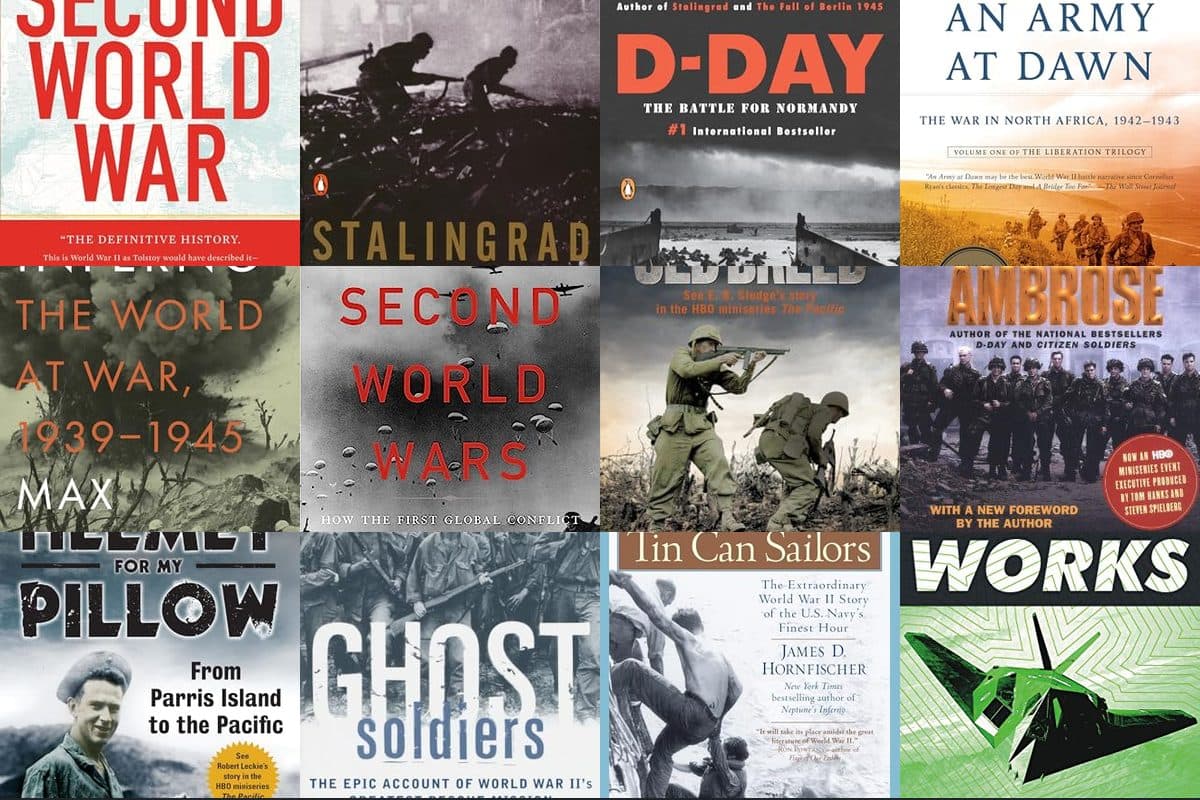
15 essential WW2 books covering every theater. Narrative histories, memoirs, and visual references ranked.
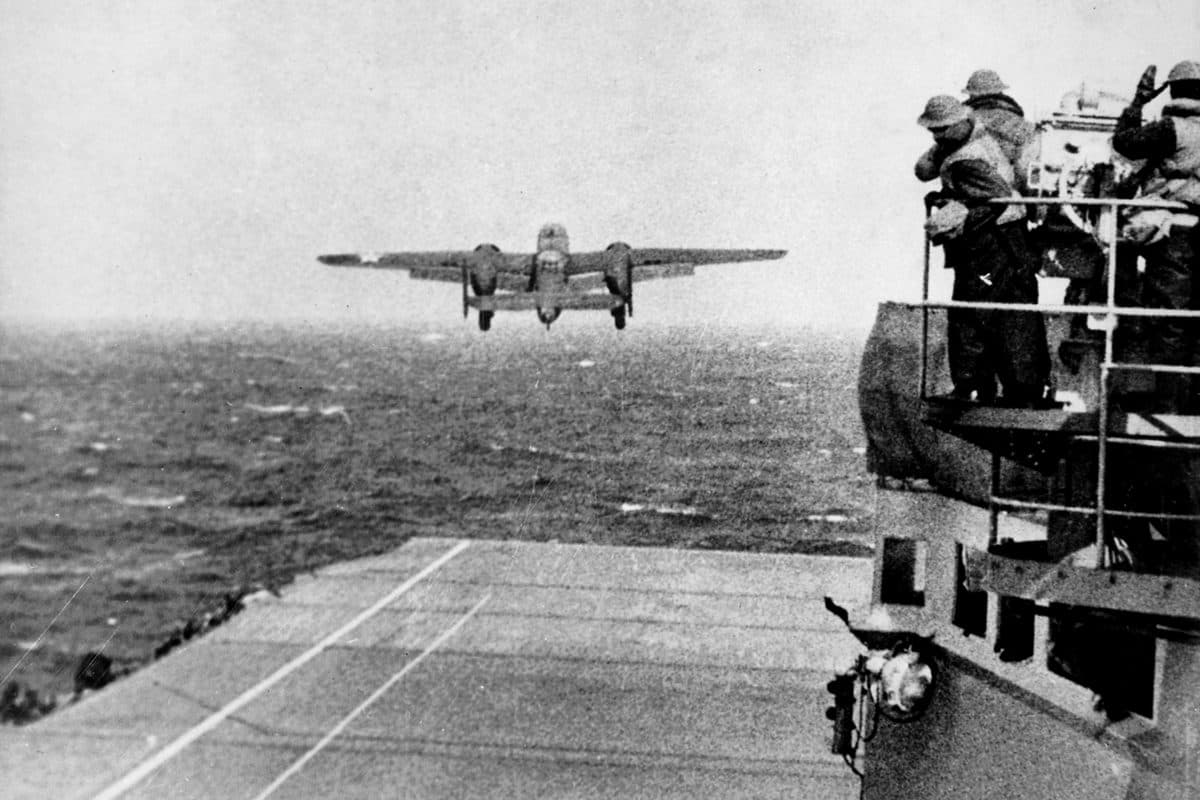
On April 18, 1942, sixteen B-25 Mitchell bombers did something no one thought possible: they launched from the deck of an aircraft carrier, flew 650 miles to Japan, and bombed Tokyo. Every aircraft was lost. The damage was negligible. The consequences changed the war.
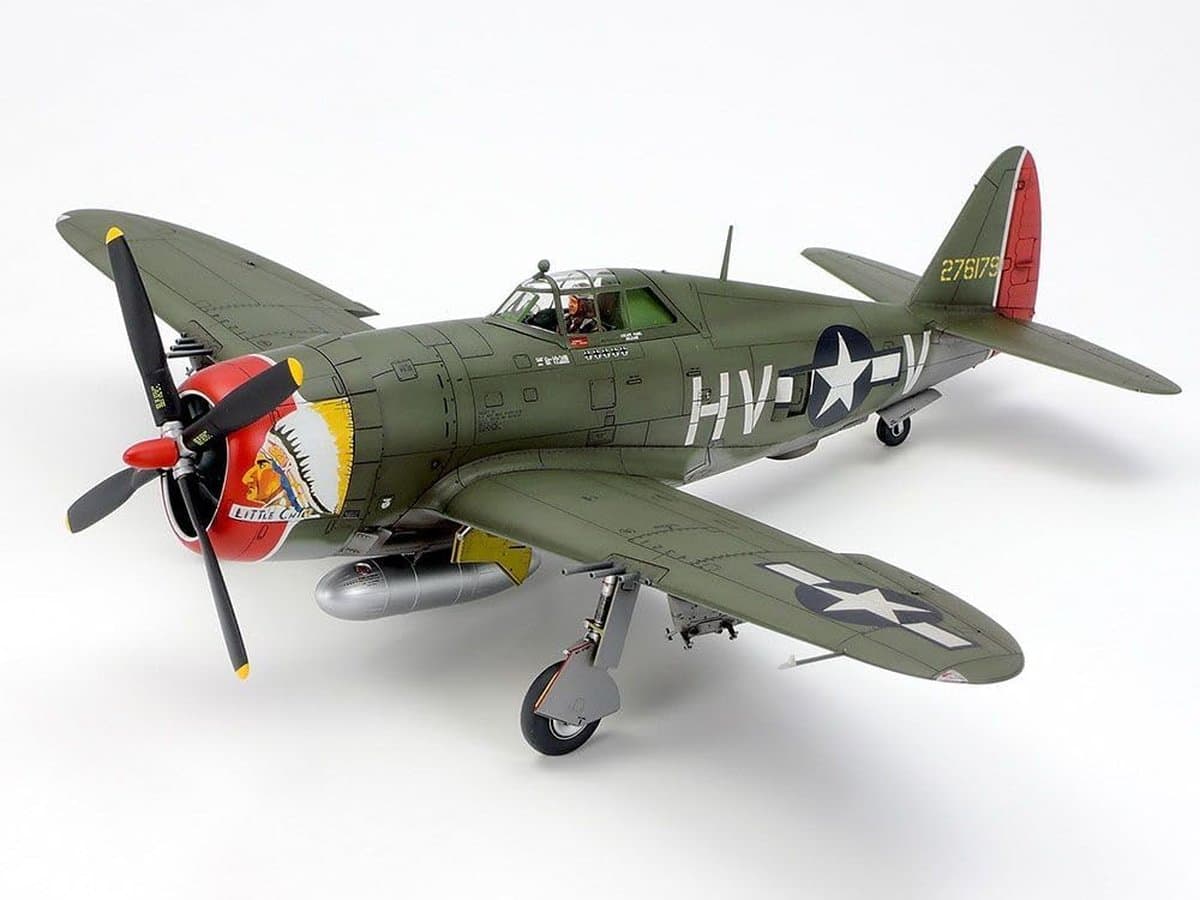
Compare 85+ WW2 scale model kits across aircraft, tanks, and ships. Beginner builds from $9 to museum-grade showpieces at $580. Covers Tamiya, Eduard, HK Models, Trumpeter, and more with honest reviews, trade-offs, and pricing.