



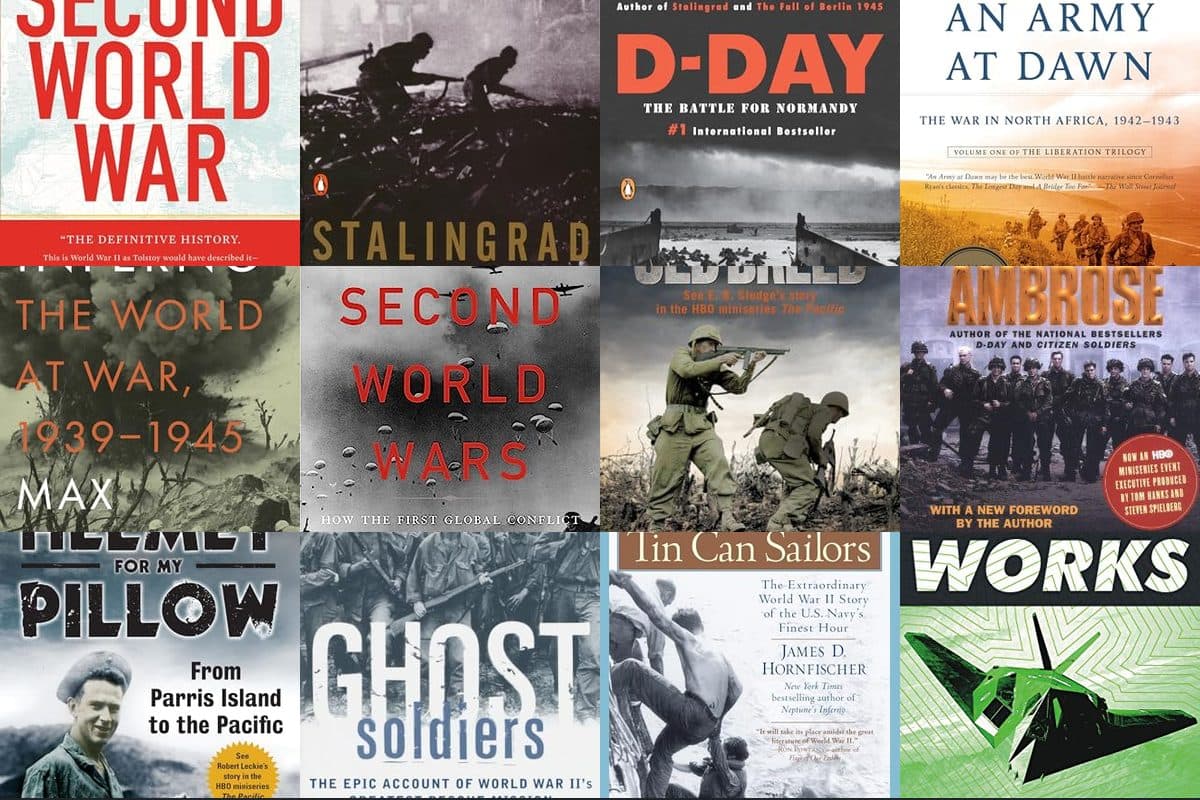
15 Best World War II Books for History Enthusiasts (2026)
15 essential WW2 books covering every theater. Narrative histories, memoirs, and visual references ranked.
daniel-mercer··21 min read
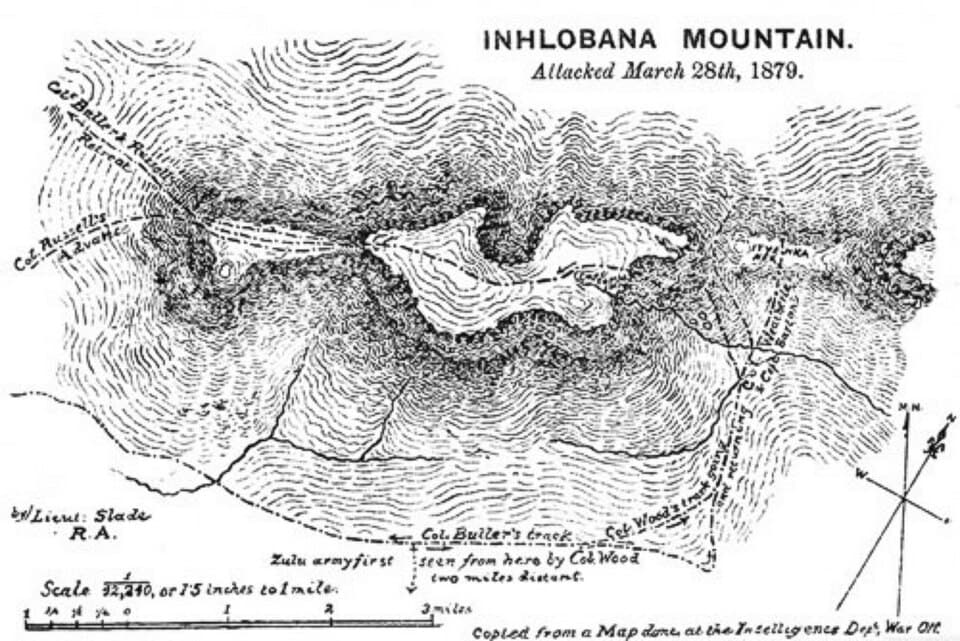
A British force of 15,000 under Lord Chelmsford crossed the Buffalo River into Zululand, beginning the Anglo-Zulu War. The invasion, launched without authorization from London and based on an expired ultimatum to King Cetshwayo, would produce one of the most shocking defeats in British military history at Isandlwana eleven days later, and one of its most celebrated defensive stands at Rorke's Drift.
Alabama became the fourth state to secede from the Union, joining South Carolina, Mississippi, and Florida. Montgomery, Alabama's capital, would serve as the first capital of the Confederate States of America. Alabama's strategic importance lay in its iron and coal resources around Birmingham, which would support Confederate arms manufacturing throughout the war.
A British force of 15,000 under Lord Chelmsford crossed the Buffalo River into Zululand, beginning the Anglo-Zulu War. The invasion would produce one of the most shocking defeats in British history at Isandlwana and one of its most celebrated stands at Rorke's Drift.
British forces under Lieutenant General Lord Chelmsford crossed the Buffalo River into Zululand, beginning the Anglo-Zulu War. Within two weeks, the invasion force would suffer one of the most stunning defeats in British colonial history at Isandlwana.
Italian Lieutenant Giulio Gavotti dropped four grenades from his Etrich Taube monoplane onto Ottoman positions near Tripoli during the Italo-Turkish War, marking the first time an aircraft was used to bomb an enemy in combat. The modest attack inaugurated the age of aerial bombardment.
Italian Lieutenant Giulio Gavotti dropped grenades from his Etrich Taube monoplane onto Ottoman positions near Tripoli, Libya, during the Italo-Turkish War, history's first aerial bombing in combat. Though the damage was negligible, the attack demonstrated that aircraft could be used as offensive weapons, foreshadowing the strategic bombing campaigns that would define twentieth-century warfare.
Japanese forces captured Kuala Lumpur, the capital of British Malaya, as part of their lightning advance down the Malay Peninsula toward Singapore. The rapid collapse of British defenses, Japanese troops on bicycles outpaced retreating British forces, shattered the myth of European invincibility in Asia and foreshadowed the catastrophic fall of Singapore a month later.
Japanese forces occupied Kuala Lumpur, the capital of British Malaya, just 34 days after the invasion began. The rapid fall of the capital, 200 miles from the landing beaches, exposed the catastrophic failure of British defense planning and accelerated the collapse that would end with Singapore's surrender.
Imperial Japanese Army and Navy forces landed on Tarakan Island off the northeast coast of Borneo, capturing the Dutch oil fields and refinery after a short but vicious fight. The seizure of Tarakan gave Japan its first operational oil production facility in the captured Southern Resource Area, a core strategic objective of the war launched at Pearl Harbor.
The United States and Britain signed treaties with China relinquishing the extraterritorial rights that foreign powers had imposed on China since the Opium Wars. The gesture, aimed at bolstering Chinese morale during the brutal Japanese occupation, recognized China as a full sovereign ally and laid the diplomatic groundwork for China's permanent seat on the UN Security Council after the war.
The first twenty detainees from the War on Terror arrived at the U.S. Naval Base at Guantanamo Bay, Cuba, transported from Afghanistan in shackles and orange jumpsuits. The detention facility, established outside U.S. legal jurisdiction, became the most controversial element of America's response to 9/11, sparking global debate about indefinite detention, enhanced interrogation, and the laws of war in the age of terrorism.

Lieutenant Colonel
Washington's chief aide-de-camp during the Revolution and hero of the assault on Redoubt 10 at Yorktown, Hamilton went on to serve as the first Secretary of the Treasury. He established the financial system that funded the young nation's military, created the Revenue Cutter Service (precursor to the Coast Guard), and advocated for a strong permanent military establishment.

The influential modernist poet who broadcast fascist propaganda from Italy during World War II, earning charges of treason from the United States. Captured by Italian partisans in 1945, he was held in a cage at the American Disciplinary Training Center near Pisa before being declared unfit for trial and confined to a psychiatric hospital for twelve years.

The great English novelist whose works frequently explored the impact of war on rural English life. His epic verse-drama "The Dynasts" depicted the Napoleonic Wars on a cosmic scale, and his poetry from World War I captured the devastating effect of industrial warfare on the pastoral England he loved.
Wear the Timeline
10 military events occurred on January 11, spanning multiple centuries. Key events include: British Forces Cross into Zululand, Anglo-Zulu War Begins (1879), Japanese Forces Capture Kuala Lumpur (1942), First Use of Aerial Bombing in Combat (1912), First Detainees Arrive at Guantanamo Bay (2002), Japanese Forces Capture Kuala Lumpur (1942).
The most significant military event on January 11 is British Forces Cross into Zululand, Anglo-Zulu War Begins (1879). A British force of 15,000 under Lord Chelmsford crossed the Buffalo River into Zululand, beginning the Anglo-Zulu War. The invasion, launched without authorization from London and based on an expired ultimatum to King Cetshwayo, would produce one of the most shocking defeats in British military history at Isandlwana eleven days later, and one of its most celebrated defensive stands at Rorke's Drift.
Notable military figures born on January 11 include Alexander Hamilton (1755–1804), Ezra Pound (1885–1972).
Events on January 11 span the Interwar Period, World War II, the Civil War, the Modern Era, covering 10 events across 3 centuries of military history.
Events on January 11 involve 2 branches of the U.S. and allied armed forces, reflecting the global scope of military operations throughout history.
Explore military history from the day you were born.
June 6
The Allied invasion of Normandy, the largest amphibious assault in history.
December 7
Japan attacks the U.S. Pacific Fleet, bringing America into World War II.
September 11
The deadliest terrorist attack in history transforms U.S. national security.
August 6
The first atomic bomb is dropped on a city, ushering in the nuclear age.
May 8
Nazi Germany surrenders unconditionally, ending World War II in Europe.
November 11
Armistice Day marks the end of World War I and honors all who served.
June 4
The turning point of the Pacific War as the U.S. Navy destroys four Japanese carriers.
July 4
The Declaration of Independence is adopted, sparking the American Revolution.
15 essential WW2 books covering every theater. Narrative histories, memoirs, and visual references ranked.
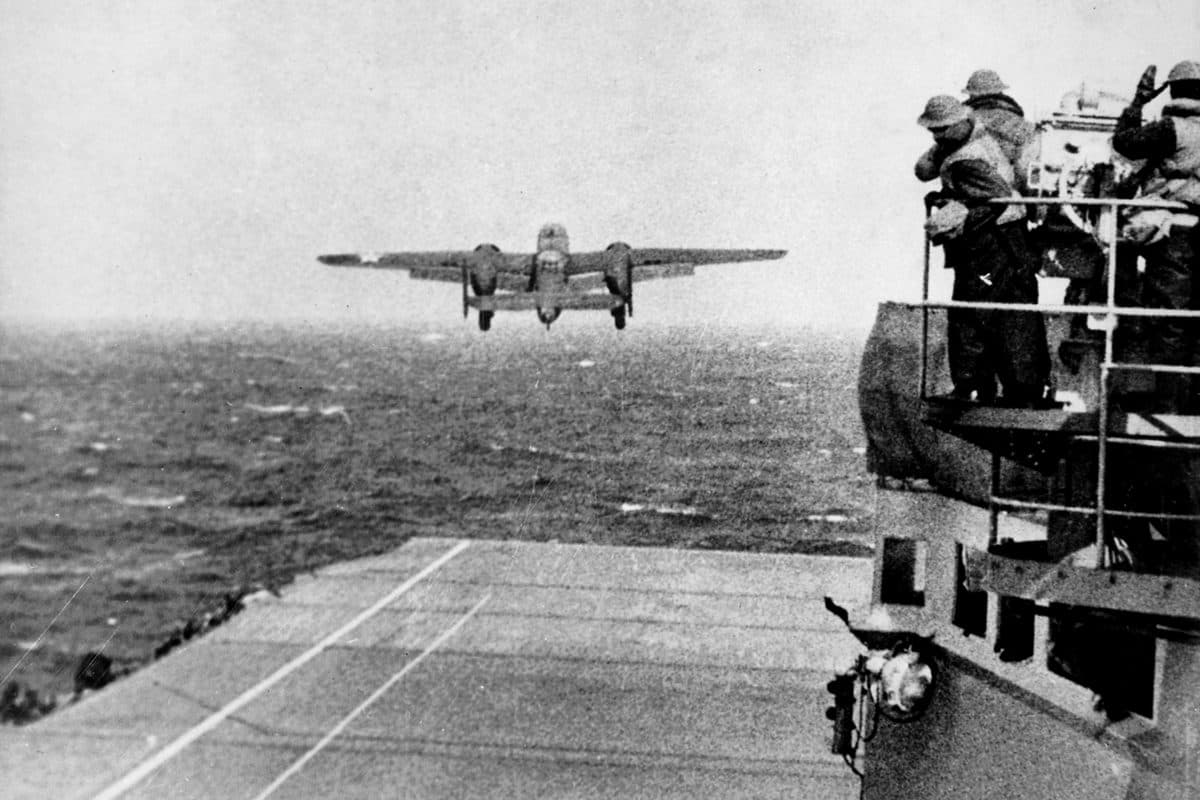
On April 18, 1942, sixteen B-25 Mitchell bombers did something no one thought possible: they launched from the deck of an aircraft carrier, flew 650 miles to Japan, and bombed Tokyo. Every aircraft was lost. The damage was negligible. The consequences changed the war.
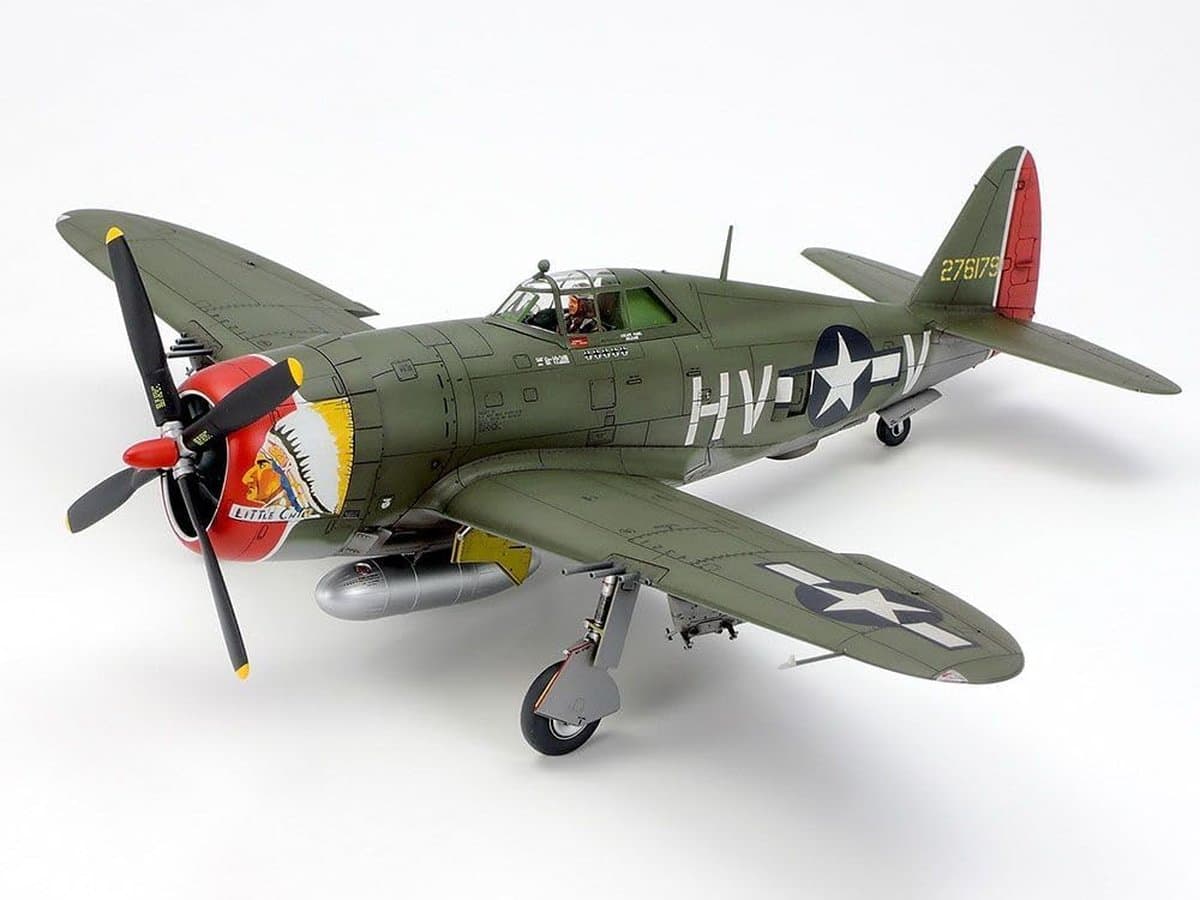
Compare 85+ WW2 scale model kits across aircraft, tanks, and ships. Beginner builds from $9 to museum-grade showpieces at $580. Covers Tamiya, Eduard, HK Models, Trumpeter, and more with honest reviews, trade-offs, and pricing.

On April 7, 1945, the Imperial Japanese Navy sent the largest battleship ever built on a one-way suicide mission to Okinawa. She never arrived. 386 American aircraft found her first, and sank her in under two hours.