
15 Best World War II Books for History Enthusiasts (2026)
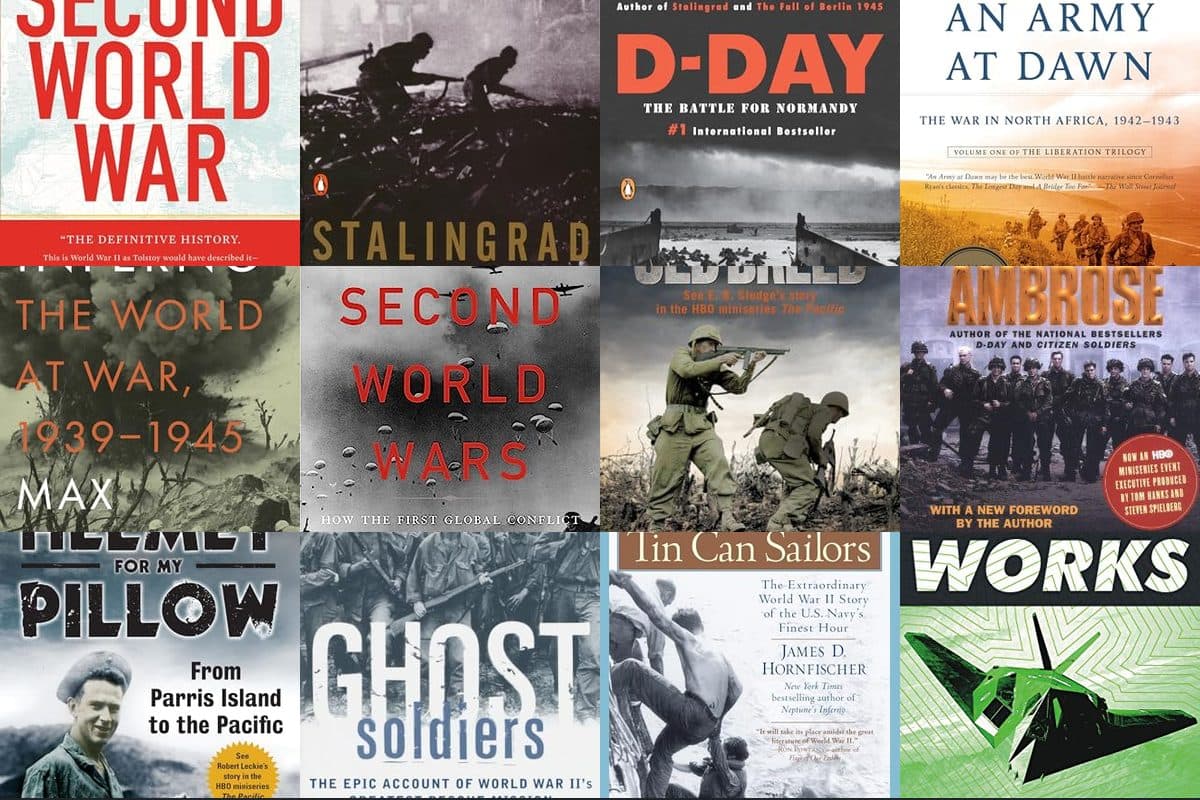
15 essential WW2 books covering every theater. Narrative histories, memoirs, and visual references ranked.
daniel-mercer··21 min read

SS operatives staged a fake Polish attack on the German radio station at Gleiwitz (now Gliwice, Poland), leaving the body of a murdered concentration camp prisoner dressed in a Polish uniform as "evidence." The false flag operation, part of Operation Himmler, was used as a pretext for Germany's invasion of Poland the following morning, the event that started World War II.
Union General William Tecumseh Sherman's forces captured Atlanta, Georgia, after a four-month campaign. The fall of the Confederacy's most important industrial city was the military victory that secured Abraham Lincoln's reelection in November 1864, ensuring that the war would be fought to complete Union victory rather than a negotiated peace.
The protected cruiser USS Baltimore (C-3) was launched at the William Cramp and Sons shipyard in Philadelphia. She was one of the first American warships built under the New Navy program that would transform the U.S. fleet from a collection of obsolete Civil War relics into a modern steel navy capable of operating on every ocean.
Britain and Russia signed the Anglo-Russian Convention, resolving colonial disputes in Central Asia and forming the final link of the Triple Entente (with France). The agreement completed the alliance system that would face the Triple Alliance of Germany, Austria-Hungary, and Italy in World War I.
President Franklin Roosevelt signed the Neutrality Act of 1935, imposing a mandatory arms embargo on all parties to any declared foreign war. The act, a reaction to the interwar revisionist arguments that munitions makers had drawn the United States into World War I, constrained American military-industrial diplomacy for four years until the outbreak of World War II in Europe forced progressive revisions.
SS operatives staged a fake Polish attack on the German radio station at Gleiwitz (now Gliwice, Poland), leaving the body of a murdered concentration camp prisoner dressed in a Polish uniform as "evidence." The false flag operation, part of Operation Himmler, was used as a pretext for Germany's invasion of Poland the following morning, the event that started World War II.
General Douglas MacArthur established the Supreme Commander for the Allied Powers (SCAP) headquarters in Yokohama, beginning the formal military government of occupied Japan. Over the next seven years, SCAP would oversee the transformation of Japan's political, economic, and social institutions, one of the most successful military occupations in history.
SAC B-52D Stratofortresses operating out of Andersen Air Force Base, Guam, and U-Tapao Royal Thai Navy Airfield flew their typical daily tempo of 30 to 45 Arc Light sorties against targets in South Vietnam and along the Ho Chi Minh Trail. The big Wet Dog campaign of 1969 represented the peak of sustained strategic bomber commitment to tactical support of ground operations, an employment pattern the aircraft had not been designed for.
Polish government representatives and the Inter-Factory Strike Committee signed the Gdansk Agreement at the Lenin Shipyard, legalizing the Solidarity independent trade union. The agreement was the first Eastern Bloc labor concession outside Communist Party control and began a political process that would eventually end Soviet military dominance over Central Europe.
The last units of the Western Group of Forces, the former Group of Soviet Forces Germany, completed their withdrawal from reunified Germany. The departure of 338,000 troops and the removal of 4,116 tanks, 8,208 armored vehicles, and 106 tactical and strategic missile systems ended 49 years of continuous Russian military presence in Central Europe.
President Obama declared the end of U.S. combat operations in Iraq, redesignating the remaining 50,000 American troops as an "advise and assist" force under Operation New Dawn. The seven-year combat mission had cost 4,400 American lives, over 100,000 Iraqi civilian deaths, and approximately $2 trillion.

Roman Emperor whose brief, tyrannical reign (37-41 AD) included the notorious appointment of his horse as a consul. Raised in military camps (his nickname means "little soldier's boot"), his erratic behavior and assassination by the Praetorian Guard exemplified the dangers of unchecked military-political power.

Italian educator who developed the Montessori method of education that emphasized independence and self-directed learning. Her educational philosophy influenced military training approaches, and her schools continued operating through both world wars, serving children displaced by conflict across Europe.

German Silesian farmer of Polish sympathies who was arrested by the Gestapo, drugged, shot, and his body left at the Gleiwitz radio station as "evidence" of a Polish attack. He is considered the first casualty of World War II, murdered not by the enemy but by his own government to justify a war of aggression.
Wear the Timeline
10 military events occurred on August 31, spanning multiple centuries. Key events include: Gleiwitz Incident, False Flag That Started WWII (1939), Fall of Atlanta (1864), Operation Iraqi Freedom Ends (2010).
The most significant military event on August 31 is Gleiwitz Incident, False Flag That Started WWII (1939). SS operatives staged a fake Polish attack on the German radio station at Gleiwitz (now Gliwice, Poland), leaving the body of a murdered concentration camp prisoner dressed in a Polish uniform as "evidence." The false flag operation, part of Operation Himmler, was used as a pretext for Germany's invasion of Poland the following morning, the event that started World War II.
Notable military figures born on August 31 include Caligula (12–41), Maria Montessori (1870–1952).
Events on August 31 span the Interwar Period, the Civil War, World War I, World War II, the Modern Era, the Cold War, the Vietnam War, covering 10 events across 3 centuries of military history.
Events on August 31 involve 4 branches of the U.S. and allied armed forces, reflecting the global scope of military operations throughout history.
Explore military history from the day you were born.
June 6
The Allied invasion of Normandy, the largest amphibious assault in history.
December 7
Japan attacks the U.S. Pacific Fleet, bringing America into World War II.
September 11
The deadliest terrorist attack in history transforms U.S. national security.
August 6
The first atomic bomb is dropped on a city, ushering in the nuclear age.
May 8
Nazi Germany surrenders unconditionally, ending World War II in Europe.
November 11
Armistice Day marks the end of World War I and honors all who served.
June 4
The turning point of the Pacific War as the U.S. Navy destroys four Japanese carriers.
July 4
The Declaration of Independence is adopted, sparking the American Revolution.
15 essential WW2 books covering every theater. Narrative histories, memoirs, and visual references ranked.
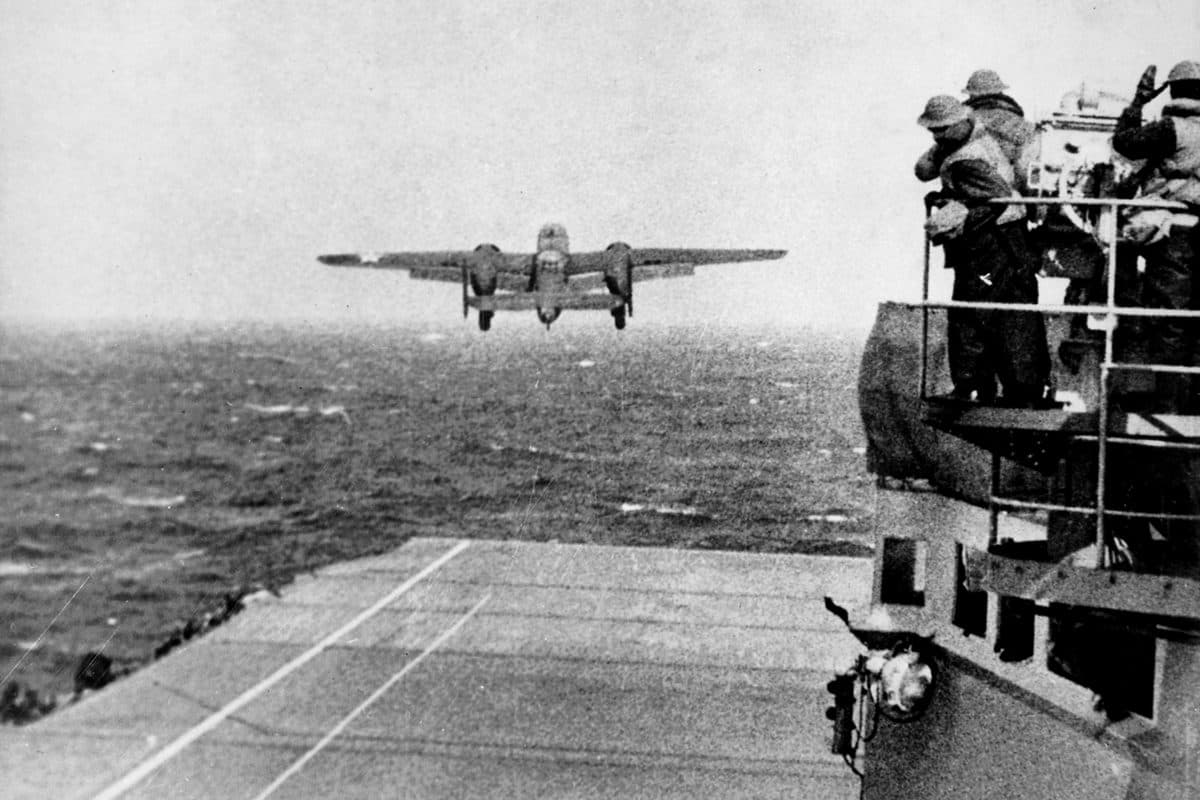
On April 18, 1942, sixteen B-25 Mitchell bombers did something no one thought possible: they launched from the deck of an aircraft carrier, flew 650 miles to Japan, and bombed Tokyo. Every aircraft was lost. The damage was negligible. The consequences changed the war.
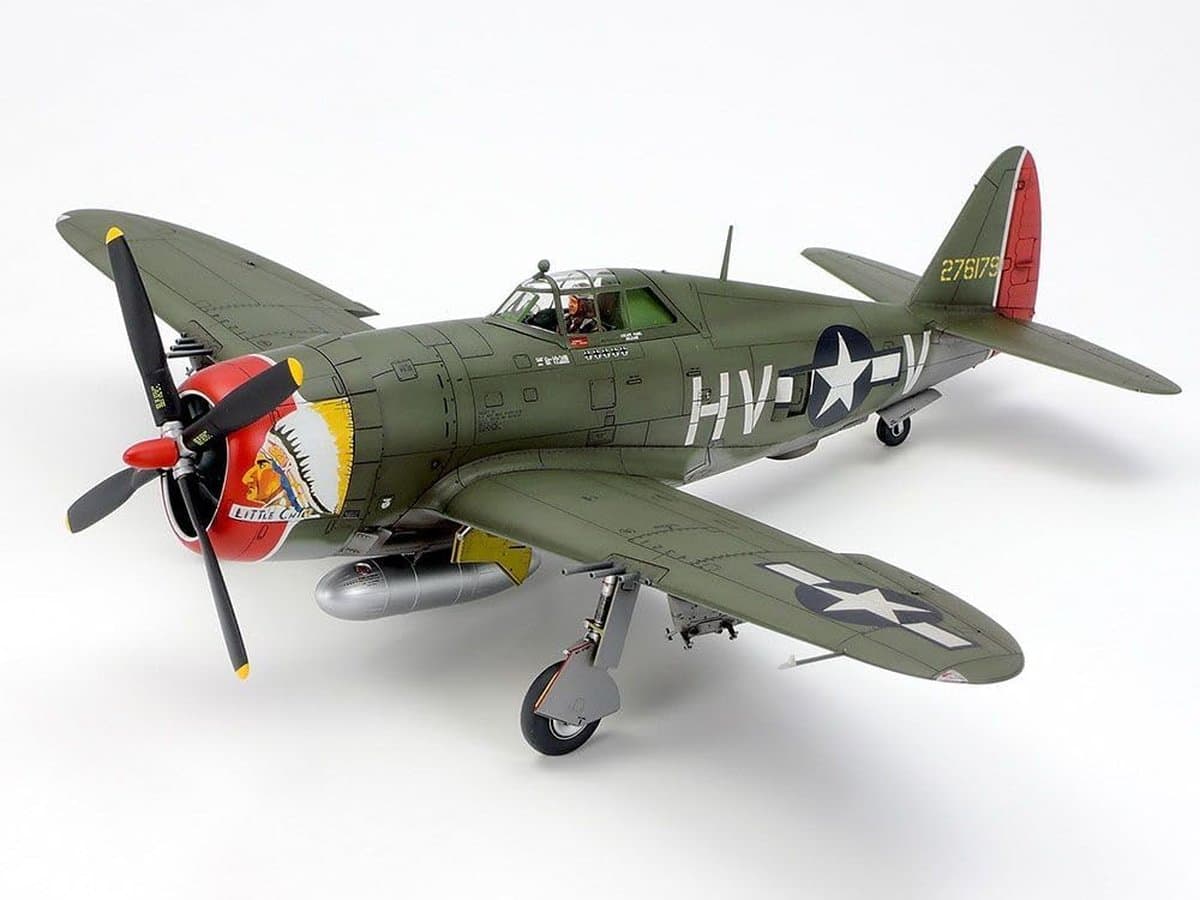
Compare 85+ WW2 scale model kits across aircraft, tanks, and ships. Beginner builds from $9 to museum-grade showpieces at $580. Covers Tamiya, Eduard, HK Models, Trumpeter, and more with honest reviews, trade-offs, and pricing.

On April 7, 1945, the Imperial Japanese Navy sent the largest battleship ever built on a one-way suicide mission to Okinawa. She never arrived. 386 American aircraft found her first, and sank her in under two hours.