

15 Best World War II Books for History Enthusiasts (2026)
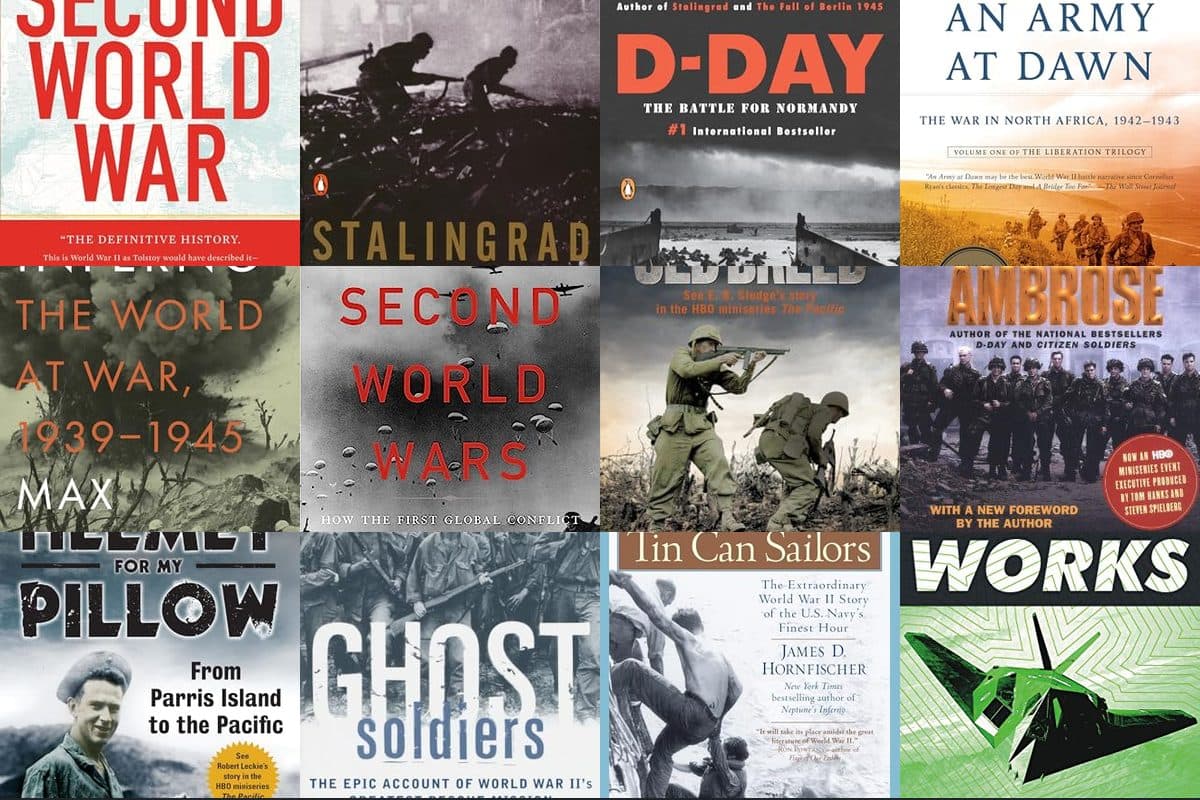
15 essential WW2 books covering every theater. Narrative histories, memoirs, and visual references ranked.
daniel-mercer··21 min read
The Soviet Vistula-Oder Offensive, the largest military operation of World War II, reached its full destructive power as 2.2 million Soviet soldiers smashed through German defenses across a 300-mile front in Poland. In what became the fastest sustained advance by any army in the war, Soviet forces would cover 300 miles in 23 days, destroying Army Group A and reaching the Oder River, just 40 miles from Berlin.
British Army surgeon Dr. William Brydon rode into Jalalabad on a dying pony, the sole European to complete the 90-mile retreat from Kabul. His arrival confirmed the destruction of roughly 4,500 British and Indian soldiers and 12,000 camp followers in the snowbound passes of the Hindu Kush, one of the worst disasters in British military history.
The Treaty of Cahuenga, signed near Los Angeles, ended fighting in California during the Mexican-American War. The generous terms negotiated by Lieutenant Colonel John C. Frémont and Andrés Pico granted full amnesty to Californio fighters and equal rights under American law, securing California for the United States and adding its vast territory, and soon its gold, to the growing nation.
American military commander Lieutenant Colonel John C. Fremont and Mexican General Andres Pico signed the Treaty of Cahuenga near the San Fernando Mission in California, ending all hostilities in the territory. The agreement offered generous terms to the Californios, granting them the same rights as American citizens.
The Independent Labour Party was founded in Bradford, England, beginning the organized labor movement that would eventually form the Labour Party. The party's anti-war stance before World War I and its role in post-war military policy, including Labour's creation of the National Health Service to care for returning veterans, profoundly shaped British military and social history.
A magnitude 6.7 earthquake struck the Avezzano region of central Italy, killing over 30,000 people. The disaster severely disrupted Italian military preparations as the country debated entering World War I on the Allied side. Italian troops were diverted to rescue and reconstruction, and the economic damage complicated the military buildup that preceded Italy's declaration of war in May 1915.
A massive earthquake measuring 6.7 on the Richter scale struck the Abruzzo region of central Italy, destroying the town of Avezzano and killing over 30,000 people. The Italian military's response was hampered by the ongoing mobilization for World War I, which had diverted troops and resources to the Austrian frontier.
Henry Ford received a patent for a car body made of plastic and soybean-based materials, developed to conserve steel for wartime military production. Ford's factories were in the process of converting from automobile to military vehicle and aircraft production, and his innovations in manufacturing techniques would make the Willow Run bomber plant, producing one B-24 Liberator per hour, a symbol of American industrial might in World War II.
Soviet forces launched Operation Ring, the final assault to destroy the German 6th Army trapped at Stalingrad. Over 280,000 Soviet troops, supported by 10,000 guns and mortars, began systematically reducing the German pocket, which would surrender on February 2.
The Soviet Vistula-Oder Offensive, with 2.2 million soldiers attacking across a 300-mile front, smashed through German defenses in Poland. The fastest sustained advance of the war would carry Soviet forces 300 miles to within 40 miles of Berlin.
Johnny Cash performed his iconic concert at Folsom Prison, an event that revitalized his career and cultural influence. Cash, who had enlisted in the Air Force in 1950 and served as a Morse code intercept operator in Germany during the Korean War, credited his military service with giving him the discipline and global perspective that shaped his music and advocacy for prisoners and the disadvantaged.

American author whose "rags-to-riches" novels shaped the mythology of American upward mobility through hard work and virtue. His stories, enormously popular with young men in the late 19th century, directly influenced military recruitment messaging that portrayed service as a path to personal advancement and citizenship.

Lincoln's Secretary of the Treasury who financed the Union war effort through innovative bond sales, the creation of the National Banking System, and the issuance of "greenback" paper currency. Chase raised the billions of dollars necessary to field and equip the Union armies, making him arguably the most important non-military figure in winning the Civil War.

The Irish modernist author whose masterwork "Ulysses" was profoundly shaped by the Easter Rising of 1916 and the Irish War of Independence. Joyce died in Zurich, where he had fled after the fall of France, a refugee from the European war that his literary generation had spent two decades warning would come.
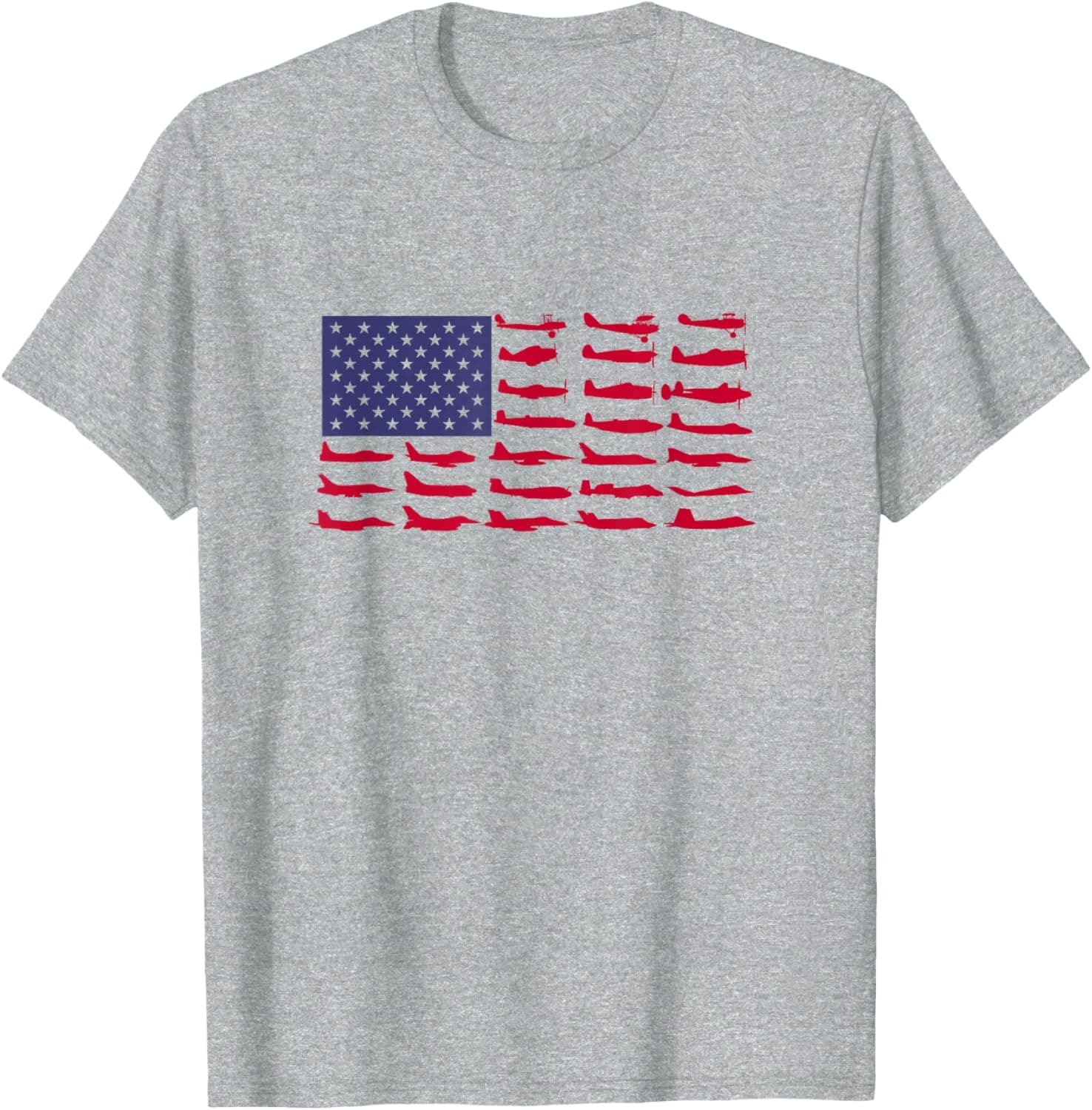
Wear the Timeline
10 military events occurred on January 13, spanning multiple centuries. Key events include: Vistula-Oder Offensive Reaches Full Fury (1945), Soviet Forces Break Through at Stalingrad, Operation Ring Begins (1943).
The most significant military event on January 13 is Vistula-Oder Offensive Reaches Full Fury (1945). The Soviet Vistula-Oder Offensive, the largest military operation of World War II, reached its full destructive power as 2.2 million Soviet soldiers smashed through German defenses across a 300-mile front in Poland. In what became the fastest sustained advance by any army in the war, Soviet forces would cover 300 miles in 23 days, destroying Army Group A and reaching the Oder River, just 40 miles from Berlin.
Notable military figures born on January 13 include Horatio Alger (1832–1899), Salmon P. Chase (1808–1873).
Events on January 13 span World War II, World War I, the Interwar Period, the Vietnam War, the Colonial & Revolutionary era, covering 10 events across 2 centuries of military history.
Events on January 13 involve 3 branches of the U.S. and allied armed forces, reflecting the global scope of military operations throughout history.
Explore military history from the day you were born.
June 6
The Allied invasion of Normandy, the largest amphibious assault in history.
December 7
Japan attacks the U.S. Pacific Fleet, bringing America into World War II.
September 11
The deadliest terrorist attack in history transforms U.S. national security.
August 6
The first atomic bomb is dropped on a city, ushering in the nuclear age.
May 8
Nazi Germany surrenders unconditionally, ending World War II in Europe.
November 11
Armistice Day marks the end of World War I and honors all who served.
June 4
The turning point of the Pacific War as the U.S. Navy destroys four Japanese carriers.
July 4
The Declaration of Independence is adopted, sparking the American Revolution.
15 essential WW2 books covering every theater. Narrative histories, memoirs, and visual references ranked.
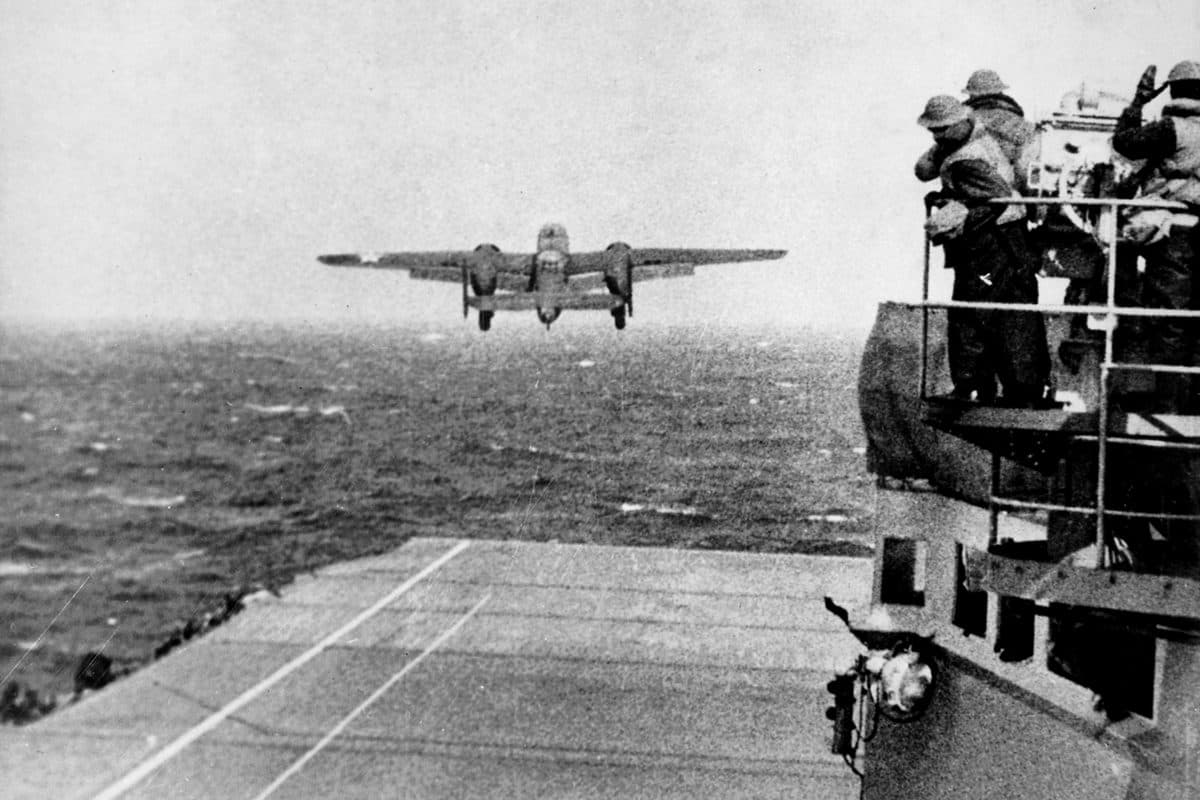
On April 18, 1942, sixteen B-25 Mitchell bombers did something no one thought possible: they launched from the deck of an aircraft carrier, flew 650 miles to Japan, and bombed Tokyo. Every aircraft was lost. The damage was negligible. The consequences changed the war.
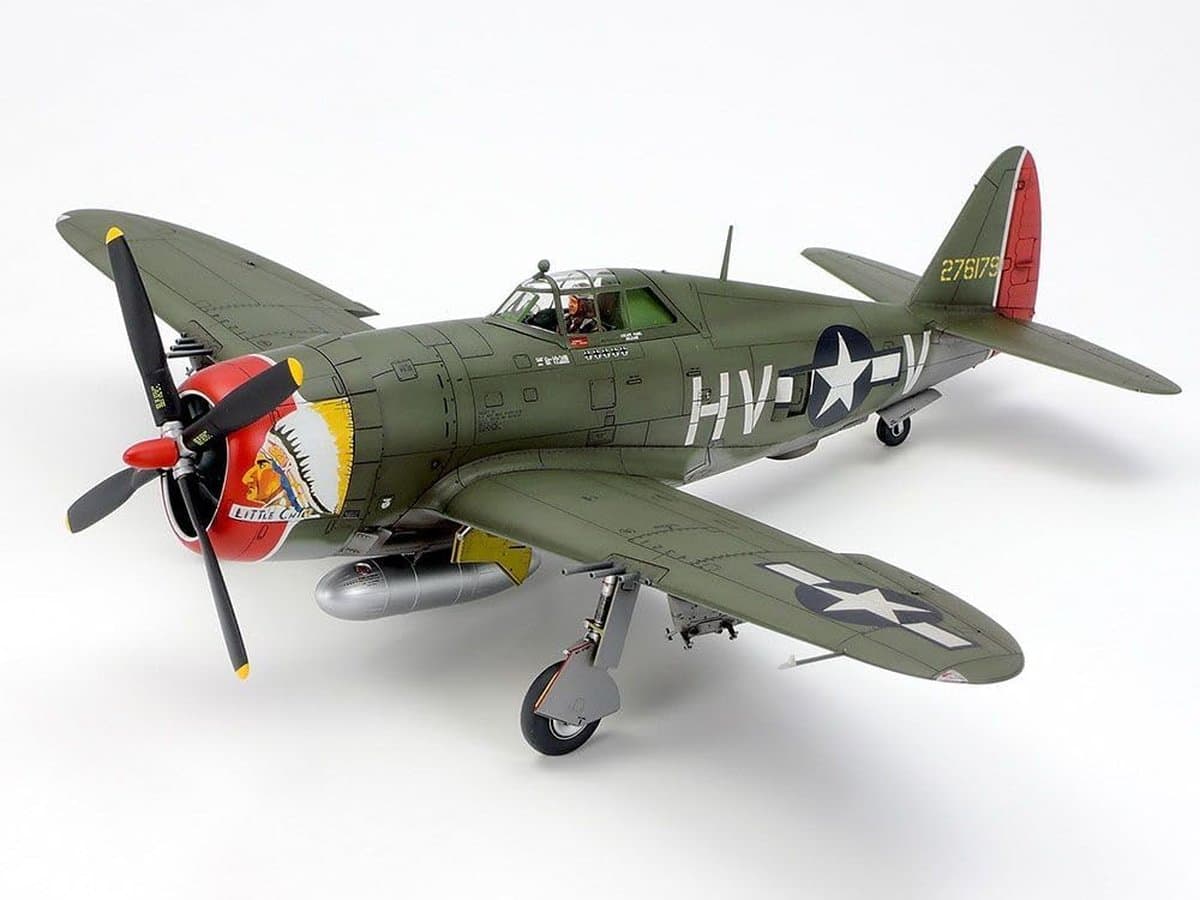
Compare 85+ WW2 scale model kits across aircraft, tanks, and ships. Beginner builds from $9 to museum-grade showpieces at $580. Covers Tamiya, Eduard, HK Models, Trumpeter, and more with honest reviews, trade-offs, and pricing.

On April 7, 1945, the Imperial Japanese Navy sent the largest battleship ever built on a one-way suicide mission to Okinawa. She never arrived. 386 American aircraft found her first, and sank her in under two hours.