



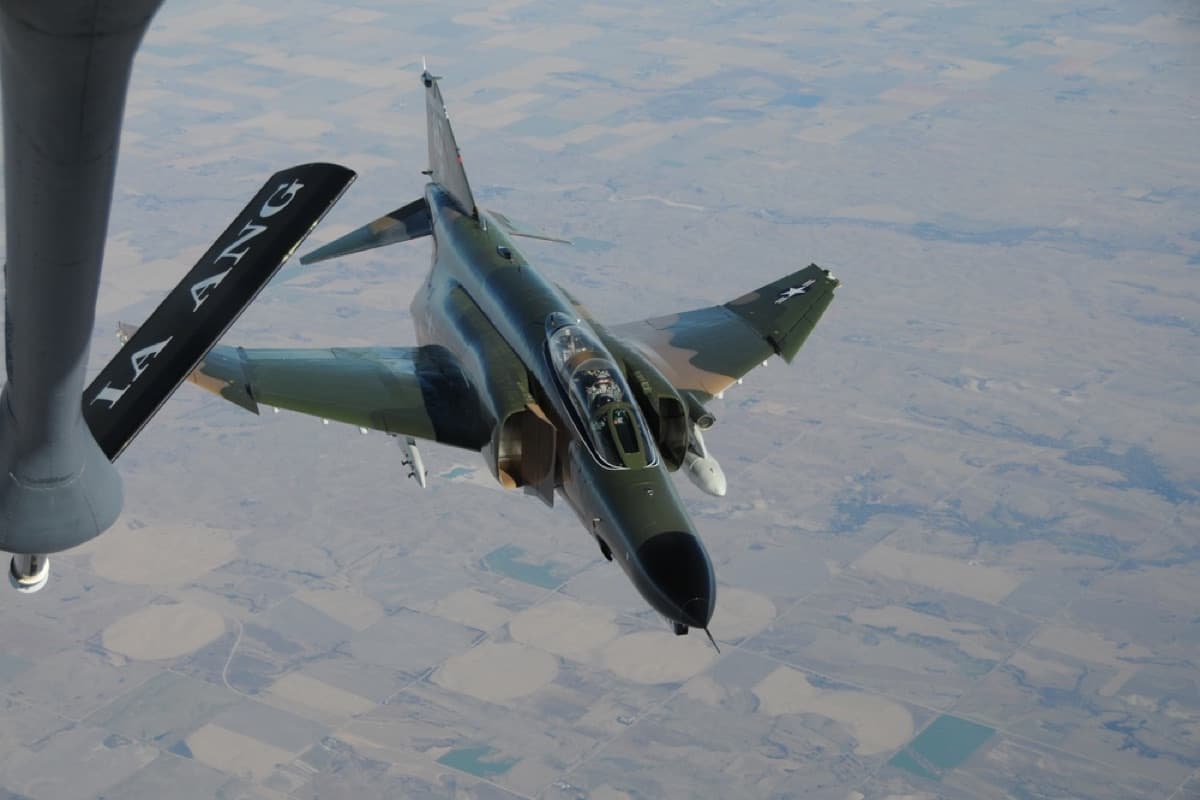
The F-4 Phantom II Fighter-Bomber
The F-4 Phantom II is a multirole attack fighter-bomber developed for use for the U.S. Navy and Marine Corps. It is the product of nearly a decade of development from…
michael-trent··5 min read
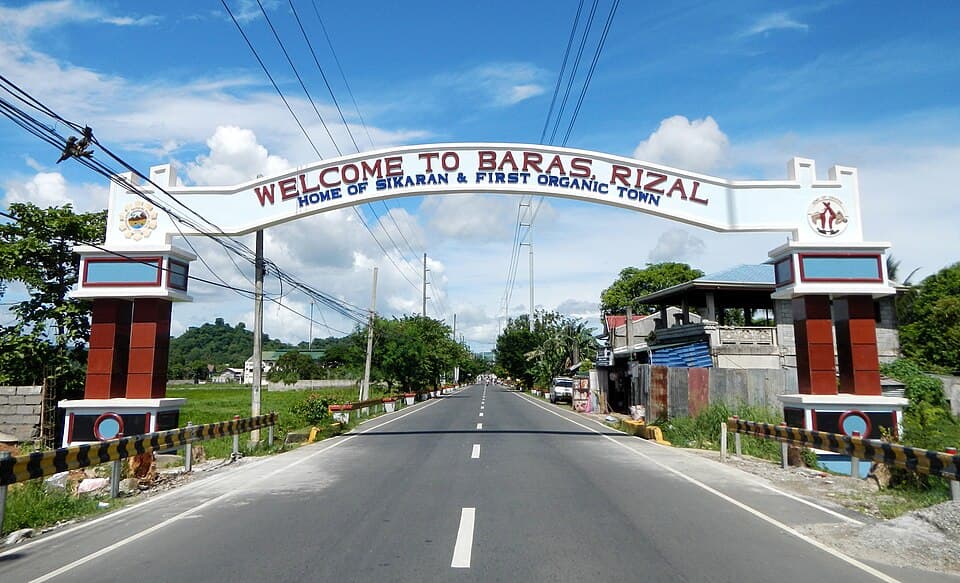
Japanese forces under General Masaharu Homma occupied Manila, the capital of the Philippines, after General Douglas MacArthur declared it an open city to prevent its destruction. The fall of Manila, the "Pearl of the Orient", was a devastating blow to Allied morale and marked the beginning of three years of brutal Japanese occupation that killed over 100,000 Filipino civilians.
Muhammad XII, the last Moorish ruler of Granada, surrendered the city to Ferdinand and Isabella of Spain, ending nearly 800 years of Muslim rule in the Iberian Peninsula. The Reconquista's completion freed Spanish military resources and ambition for overseas expansion, within months, Ferdinand and Isabella sponsored Christopher Columbus's voyage to the New World.
British warships under Lord Dunmore bombarded Norfolk, Virginia, the largest city in the colony, setting it ablaze. The bombardment, intended to punish the colony for its rebellion, instead galvanized Virginian support for independence. Patriot forces completed the city's destruction to deny its use as a British base, and the burning of Norfolk became a powerful propaganda tool for the revolutionary cause.
George Washington's Continental Army repulsed three successive British assaults across a narrow stone bridge over Assunpink Creek at Trenton, New Jersey. Holding the high ground with massed artillery, Washington blunted Lord Cornwallis's attempt to crush the rebellion in a single stroke, then slipped away overnight to strike the British garrison at Princeton the next morning.
The Russian fortress of Port Arthur (modern Lüshun, China) surrendered to the Japanese after a brutal 154-day siege that cost over 90,000 casualties on both sides. The fall of Russia's Far Eastern naval base was a turning point in the Russo-Japanese War and the first time a modern Asian power decisively defeated a European great power, sending shockwaves through the colonial world.
The German High Command issued detailed logistical directives for the planned invasion of the Soviet Union, establishing supply lines, fuel depots, and rail conversion schedules for the largest military operation in history. The massive logistical preparations that began in early 1941 would prove tragically insufficient for the vast distances and brutal conditions of the Eastern Front.
Japanese forces under General Masaharu Homma occupied Manila, the capital of the Philippines, after General Douglas MacArthur declared it an open city. The fall began three years of brutal Japanese occupation that killed over 100,000 Filipino civilians.
The U.S. 32nd Infantry Division made an amphibious landing at Saidor on the northern coast of New Guinea, bypassing and isolating the Japanese 20th Division at Sio. The landing, supported by the Fifth Air Force and Seventh Fleet, cut off the Japanese retreat route and forced a grueling overland withdrawal through jungle and mountains that cost thousands of Japanese lives.
The aircraft carrier USS Ticonderoga (CV-14) was struck by two kamikaze aircraft off the coast of Formosa (Taiwan), killing 143 sailors and wounding 202. The devastating attack forced the carrier to withdraw to Puget Sound for extensive repairs, demonstrating the lethal effectiveness of Japan's suicide tactics against even the most heavily defended warships.
The Soviet Union launched Luna 1, the first human-made object to escape Earth's gravitational field and enter a heliocentric orbit. Although it missed its intended target of the Moon by 3,725 miles, the spacecraft's successful launch represented a major milestone in the Space Race and a significant propaganda victory for the Soviet military-industrial complex.
Colonel Robin Olds led Operation Bolo, an ingenious deception in which F-4 Phantom fighters mimicked the flight profiles of vulnerable F-105 Thunderchief bombers to lure North Vietnamese MiG-21s into combat. The trap worked perfectly, seven MiG-21s were shot down without a single American loss, the most successful U.S. air combat mission of the Vietnam War and a devastating blow to North Vietnam's fighter force.
F-4 Phantom II
Major General
British general whose victory at the Battle of the Plains of Abraham in 1759 captured Quebec and effectively won the French and Indian War for Britain. Wolfe was killed in the battle at age 32, becoming one of the most celebrated military heroes in British history.

Soviet intelligence officer and master spy who operated a network in the United States for nine years before his arrest in 1957. Abel was exchanged in 1962 for American U-2 pilot Francis Gary Powers in one of the most famous spy swaps of the Cold War, dramatized in the film "Bridge of Spies."

Brigadier General
One of the original Flying Tigers, Hill was the leading ace of the American Volunteer Group in China, credited with 18.25 aerial victories against the Japanese. He continued flying combat throughout World War II and later served in the Texas Air National Guard.
Wear the Timeline
10 military events occurred on January 2, spanning multiple centuries. Key events include: Manila Falls to the Japanese (1942), Fall of Granada, End of the Reconquista (1492), Port Arthur Surrenders to Japan (1905), Operation Bolo, Largest Air Battle of the Vietnam War (1967), USS Ticonderoga Struck by Kamikazes Off Formosa (1945).
The most significant military event on January 2 is Manila Falls to the Japanese (1942). Japanese forces under General Masaharu Homma occupied Manila, the capital of the Philippines, after General Douglas MacArthur declared it an open city to prevent its destruction. The fall of Manila, the "Pearl of the Orient", was a devastating blow to Allied morale and marked the beginning of three years of brutal Japanese occupation that killed over 100,000 Filipino civilians.
Notable military figures born on January 2 include James Wolfe (1727–1759), Rudolf Abel (1903–1971).
Events on January 2 span World War II, the Colonial & Revolutionary era, the Interwar Period, the Vietnam War, the Cold War, covering 10 events across 3 centuries of military history.
Events on January 2 involve 5 branches of the U.S. and allied armed forces, reflecting the global scope of military operations throughout history.
Explore military history from the day you were born.
June 6
The Allied invasion of Normandy, the largest amphibious assault in history.
December 7
Japan attacks the U.S. Pacific Fleet, bringing America into World War II.
September 11
The deadliest terrorist attack in history transforms U.S. national security.
August 6
The first atomic bomb is dropped on a city, ushering in the nuclear age.
May 8
Nazi Germany surrenders unconditionally, ending World War II in Europe.
November 11
Armistice Day marks the end of World War I and honors all who served.
June 4
The turning point of the Pacific War as the U.S. Navy destroys four Japanese carriers.
July 4
The Declaration of Independence is adopted, sparking the American Revolution.
The F-4 Phantom II is a multirole attack fighter-bomber developed for use for the U.S. Navy and Marine Corps. It is the product of nearly a decade of development from…
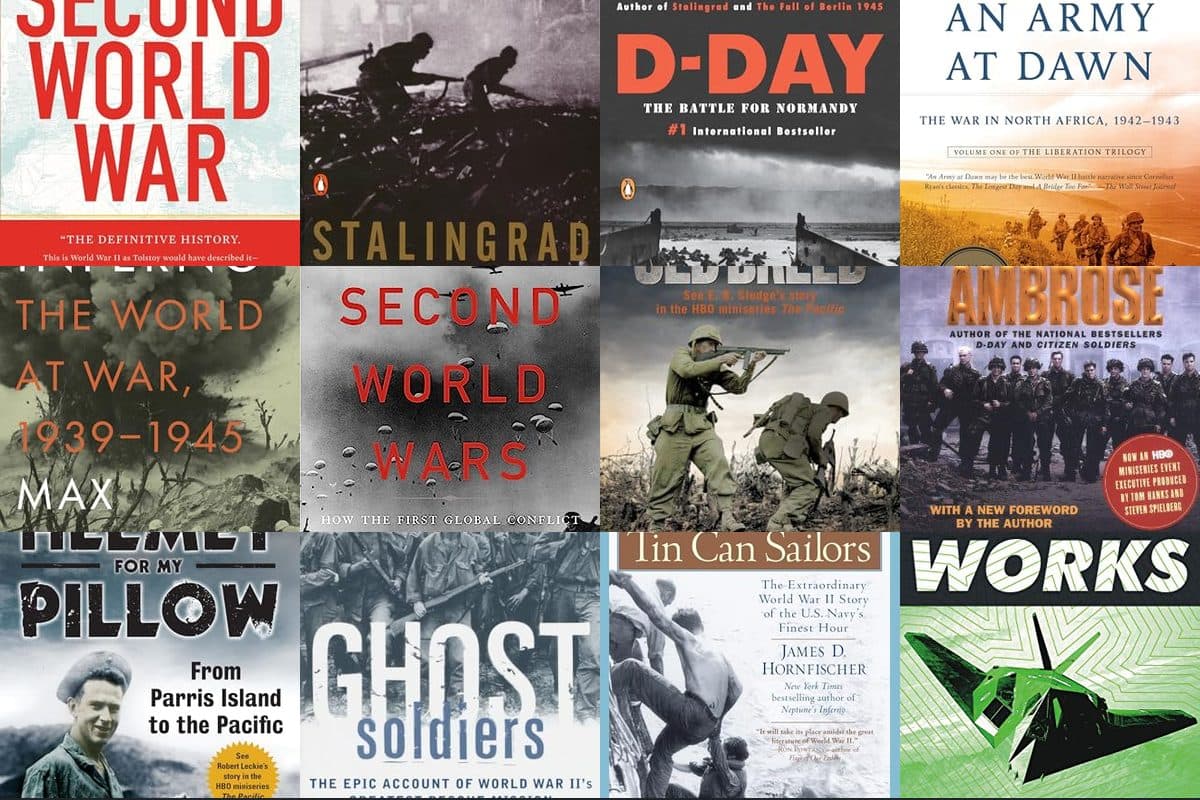
15 essential WW2 books covering every theater. Narrative histories, memoirs, and visual references ranked.
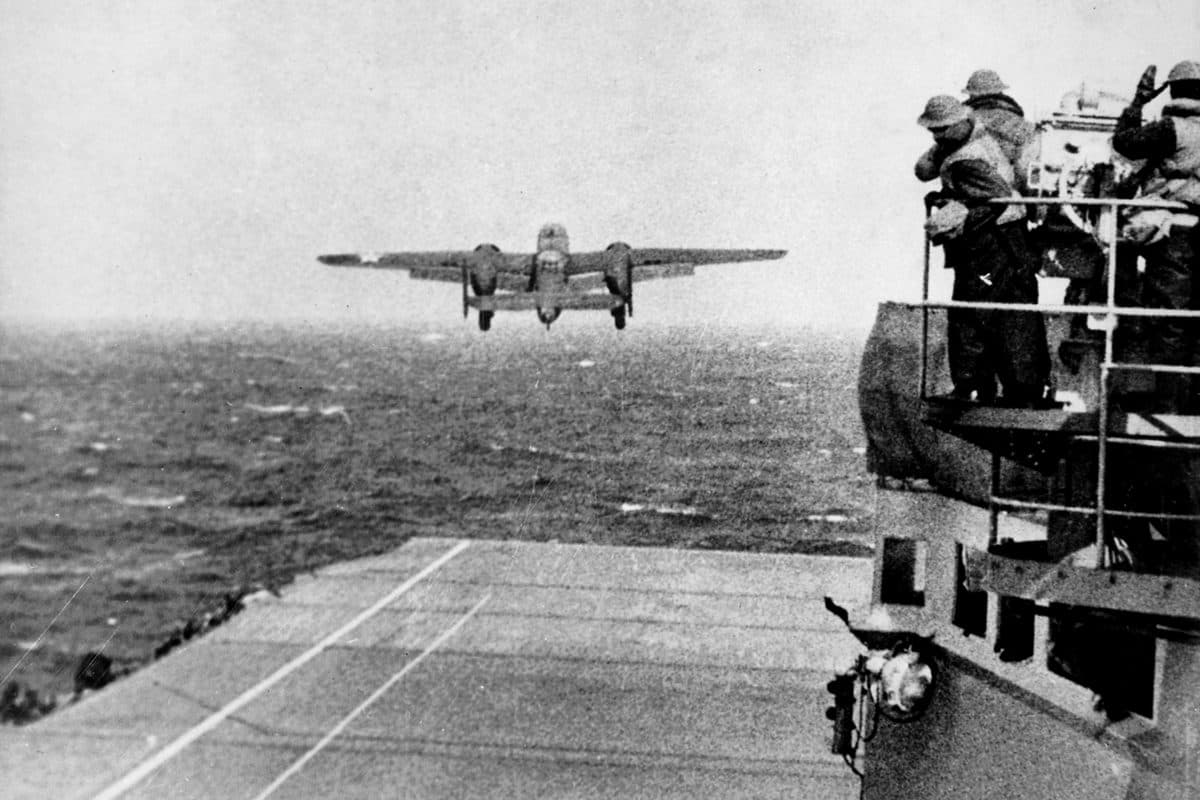
On April 18, 1942, sixteen B-25 Mitchell bombers did something no one thought possible: they launched from the deck of an aircraft carrier, flew 650 miles to Japan, and bombed Tokyo. Every aircraft was lost. The damage was negligible. The consequences changed the war.
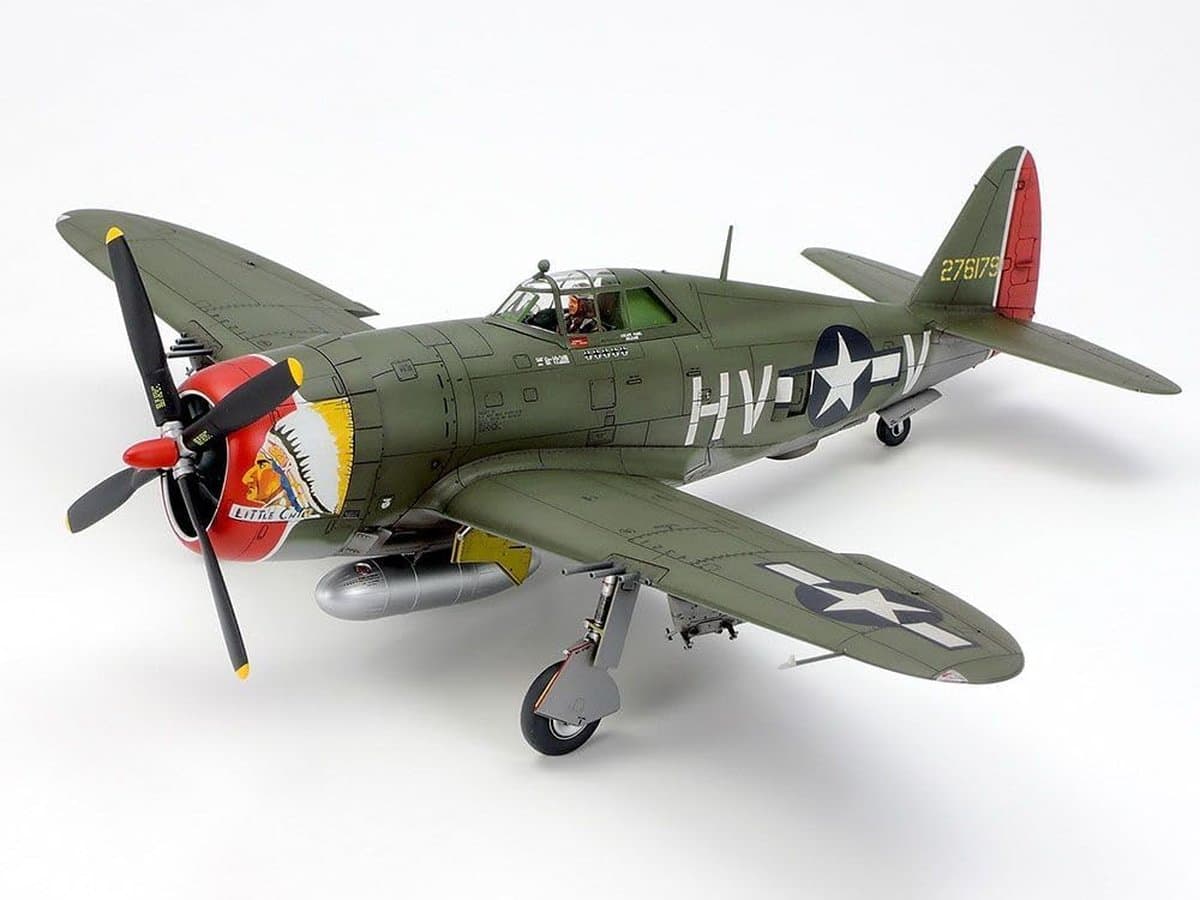
Compare 85+ WW2 scale model kits across aircraft, tanks, and ships. Beginner builds from $9 to museum-grade showpieces at $580. Covers Tamiya, Eduard, HK Models, Trumpeter, and more with honest reviews, trade-offs, and pricing.