



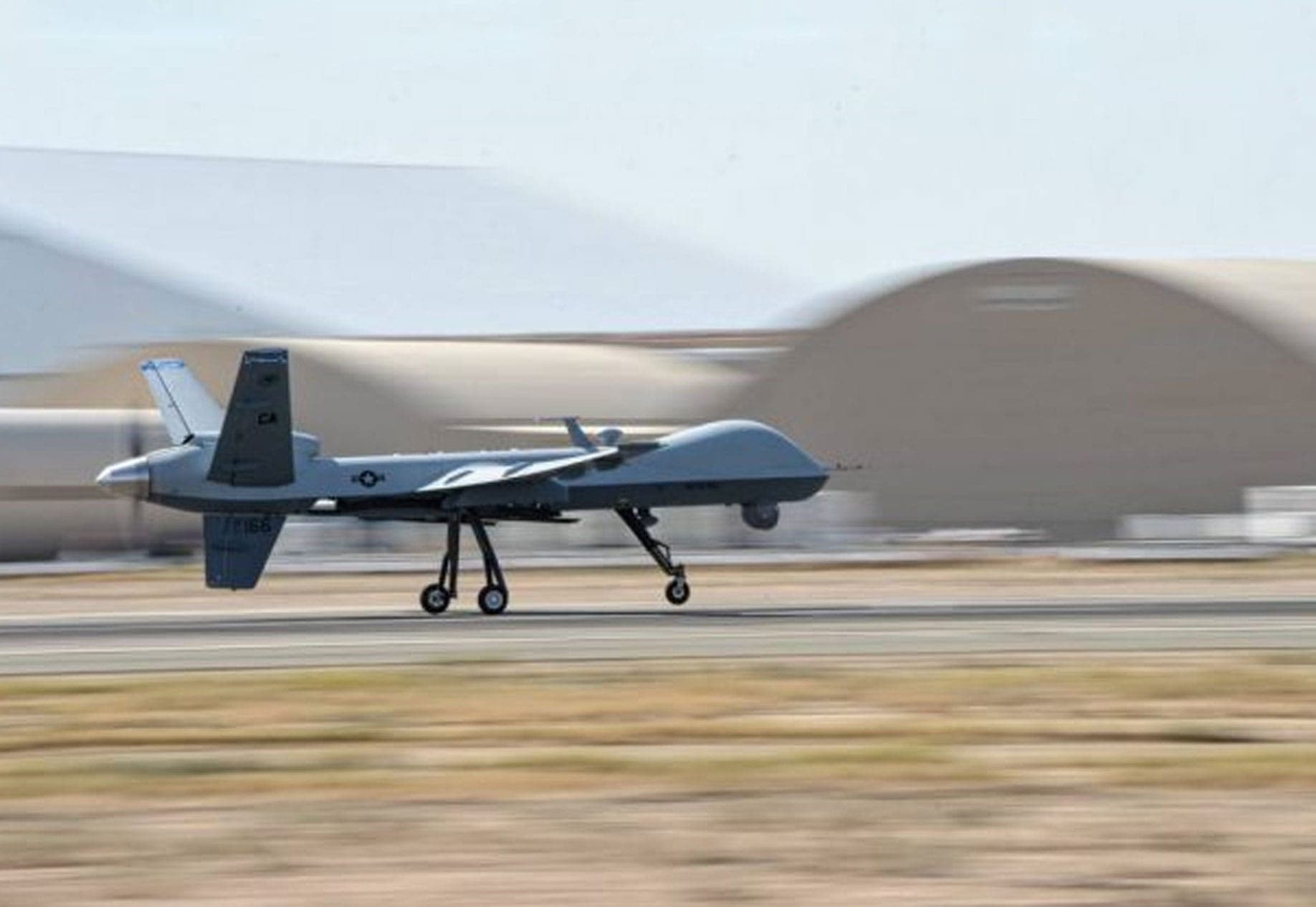
General Atomics MQ-9 Reaper
The General Atomics MQ-9 Reaper drone is more than just a larger and better armed cousin of the iconic Predator drone; General Atomics designed “The Reaper” from the ground up as an unparalleled…
michael-trent··4 min read
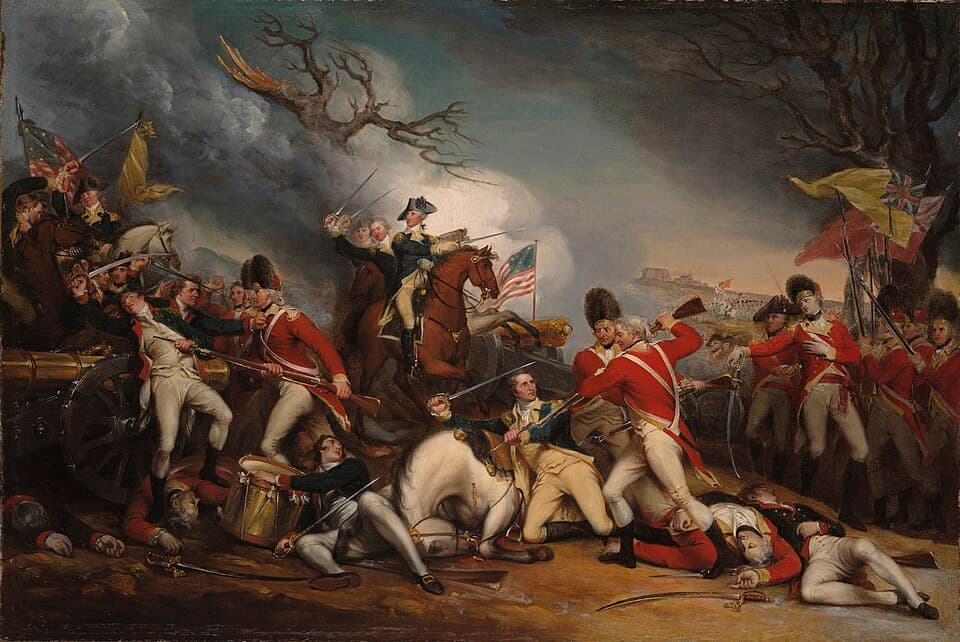
George Washington's Continental Army defeated British forces at Princeton, New Jersey, just ten days after the stunning victory at Trenton. Washington personally led a charge that rallied his wavering troops, and the twin victories at Trenton and Princeton rescued the American Revolution from collapse, revived patriot morale, and convinced France that the Americans were worth backing.
The trial of Joan of Arc, the teenage peasant girl who had turned the tide of the Hundred Years' War, began at the castle of Rouen under the authority of Bishop Pierre Cauchon. The English-orchestrated proceedings sought to discredit Joan as a heretic and witch, thereby delegitimizing the coronation of Charles VII that she had made possible.
George Washington's Continental Army defeated British forces at Princeton, New Jersey, just ten days after the stunning victory at Trenton. Washington personally led a charge that rallied his wavering troops, rescuing the American Revolution from collapse.
The Delaware legislature rejected a proposal to join the Southern states in secession, keeping the border state firmly in the Union. Though Delaware was a slave state with strong economic ties to the South, its geographic position and small enslaved population made secession impractical. Delaware's loyalty was strategically vital, its loss would have isolated Philadelphia and complicated Union control of the Chesapeake Bay.
German forces fired tear gas grenades (xylyl bromide) at French positions near Nieuwpoort on the Western Front, marking one of the earliest uses of chemical agents in World War I. Though this initial attack was ineffective due to cold temperatures, it foreshadowed the horrific escalation to chlorine and mustard gas that would make chemical warfare one of the defining horrors of the Great War.
The U.S. 1st Marine Division completed its landing at Cape Gloucester on the western tip of New Britain, part of Operation Cartwheel's campaign to isolate the Japanese stronghold at Rabaul. The Marines fought through dense jungle and torrential rain against determined Japanese resistance, securing the airfield by mid-January in some of the most miserable conditions of the Pacific War.
The British XV Corps launched its final offensive in the Arakan region of Burma, advancing southward along the coast toward Akyab. The operation was supported by the 81st and 82nd West African Divisions, whose soldiers fought through dense mangrove swamps. Akyab fell the following day after the Japanese withdrew overnight.
Admiral William Halsey's Task Force 38, built around a dozen Essex and Independence class carriers, opened a sweeping raid against Japanese airfields on Formosa and Okinawa. The strikes were designed to suppress kamikaze bases that threatened the imminent Luzon landings, pounding runways, hangars, and shipping across a 1,000-mile arc.
Chinese People's Volunteer Army forces launched a massive offensive across the 38th parallel, driving UN forces southward and capturing Seoul for the second time on January 4. The offensive, involving over 500,000 Chinese and North Korean troops, pushed the front line to the deepest point of UN retreat since the Pusan Perimeter, though it would be reversed by counteroffensives within weeks.
Korean War AircraftPresident George H.W. Bush and Russian President Boris Yeltsin signed the START II treaty in Moscow, agreeing to reduce their strategic nuclear arsenals to between 3,000 and 3,500 warheads each. The treaty banned all land-based multiple independently targetable reentry vehicles (MIRVs), eliminating the most destabilizing weapons of the Cold War.
A U.S. MQ-9 Reaper drone strike at Baghdad International Airport killed Major General Qasem Soleimani, commander of Iran's Quds Force, and Abu Mahdi al-Muhandis, deputy commander of Iraq's Popular Mobilization Forces. Soleimani had been the architect of Iran's proxy warfare strategy across the Middle East for two decades. His killing brought the United States and Iran to the brink of open war and prompted Iran to launch ballistic missiles at American bases in Iraq.
MQ-9 Reaper Drone
Brigadier General
American artilleryman who served in both world wars and helped modernize U.S. Army field artillery doctrine between the wars. His work on fire direction centers and coordinated artillery support became standard practice in World War II.

Lieutenant General
One of the finest American combat commanders of World War II, Truscott led the 3rd Infantry Division in North Africa, Sicily, and Italy before commanding VI Corps at the Anzio beachhead. Known for his trademark leather jacket and sandpaper voice, he pushed his troops to march faster than any other Allied formation, the grueling "Truscott Trot."

Brigadier General
Scottish-born physician and soldier who fought at Culloden before emigrating to America. He was bayoneted multiple times at the Battle of Princeton on January 3, 1777, and died of his wounds nine days later. His sacrifice rallied the Continental Army and helped turn the tide of the battle.
Wear the Timeline
10 military events occurred on January 3, spanning multiple centuries. Key events include: Battle of Princeton (1777), U.S. Drone Strike Kills Qasem Soleimani (2020), Chinese Forces Launch New Year's Offensive in Korea (1951), Trial of Joan of Arc Begins at Rouen (1431), START II Treaty Signed, U.S. and Russia Agree to Slash Nuclear Arsenals (1993).
The most significant military event on January 3 is Battle of Princeton (1777). George Washington's Continental Army defeated British forces at Princeton, New Jersey, just ten days after the stunning victory at Trenton. Washington personally led a charge that rallied his wavering troops, and the twin victories at Trenton and Princeton rescued the American Revolution from collapse, revived patriot morale, and convinced France that the Americans were worth backing.
Notable military figures born on January 3 include Douglas Grubb (1886–1960), Lucian Truscott (1895–1965).
Events on January 3 span the Colonial & Revolutionary era, the Modern Era, World War II, the Civil War, World War I, the Korean War, covering 10 events across 5 centuries of military history.
Events on January 3 involve 5 branches of the U.S. and allied armed forces, reflecting the global scope of military operations throughout history.
Explore military history from the day you were born.
June 6
The Allied invasion of Normandy, the largest amphibious assault in history.
December 7
Japan attacks the U.S. Pacific Fleet, bringing America into World War II.
September 11
The deadliest terrorist attack in history transforms U.S. national security.
August 6
The first atomic bomb is dropped on a city, ushering in the nuclear age.
May 8
Nazi Germany surrenders unconditionally, ending World War II in Europe.
November 11
Armistice Day marks the end of World War I and honors all who served.
June 4
The turning point of the Pacific War as the U.S. Navy destroys four Japanese carriers.
July 4
The Declaration of Independence is adopted, sparking the American Revolution.
The General Atomics MQ-9 Reaper drone is more than just a larger and better armed cousin of the iconic Predator drone; General Atomics designed “The Reaper” from the ground up as an unparalleled…
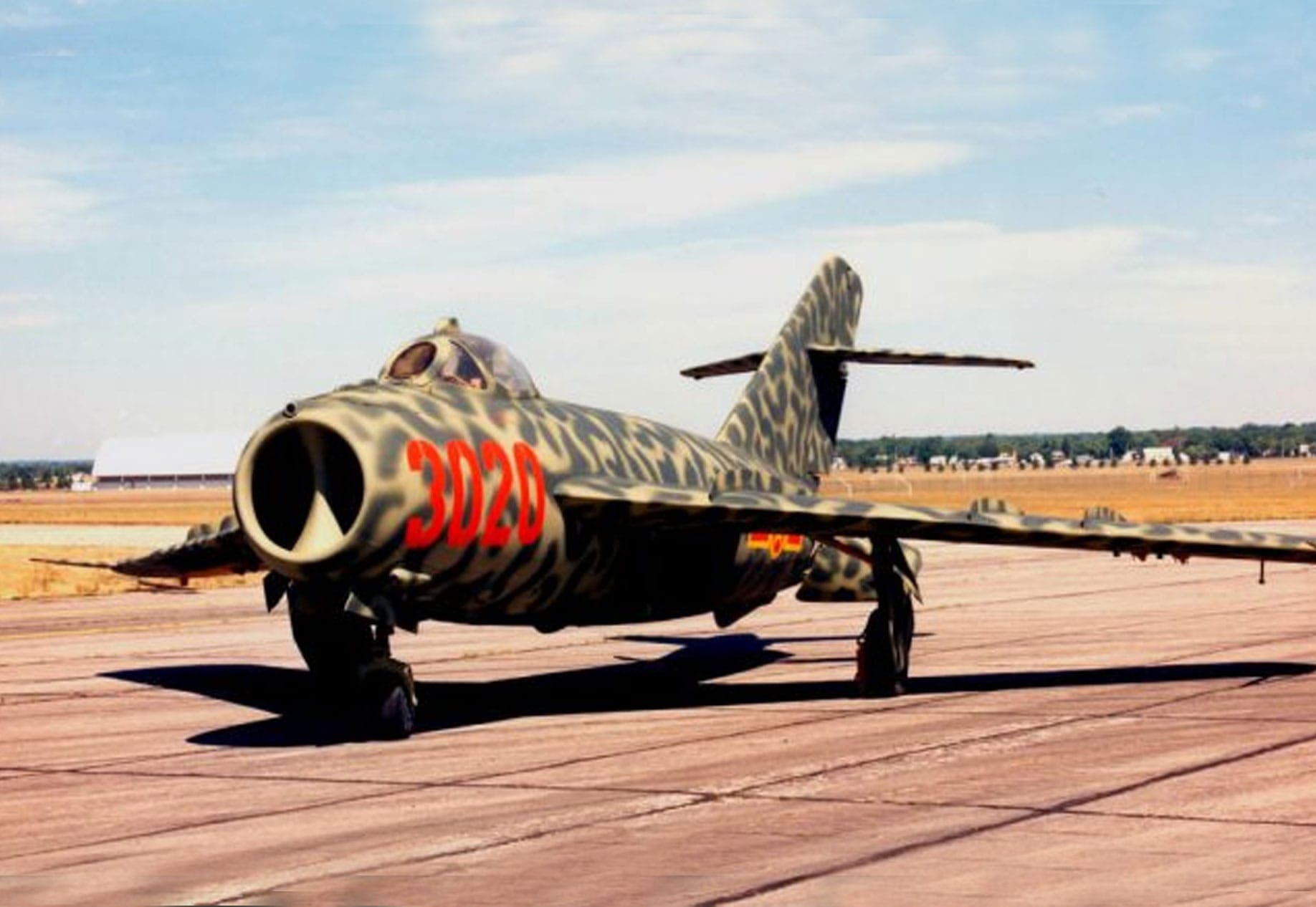
North American F-28 Twin Mustang US Air Force The F-28 Twin Mustang was one of the top Korean War aircraft from the very beginning….
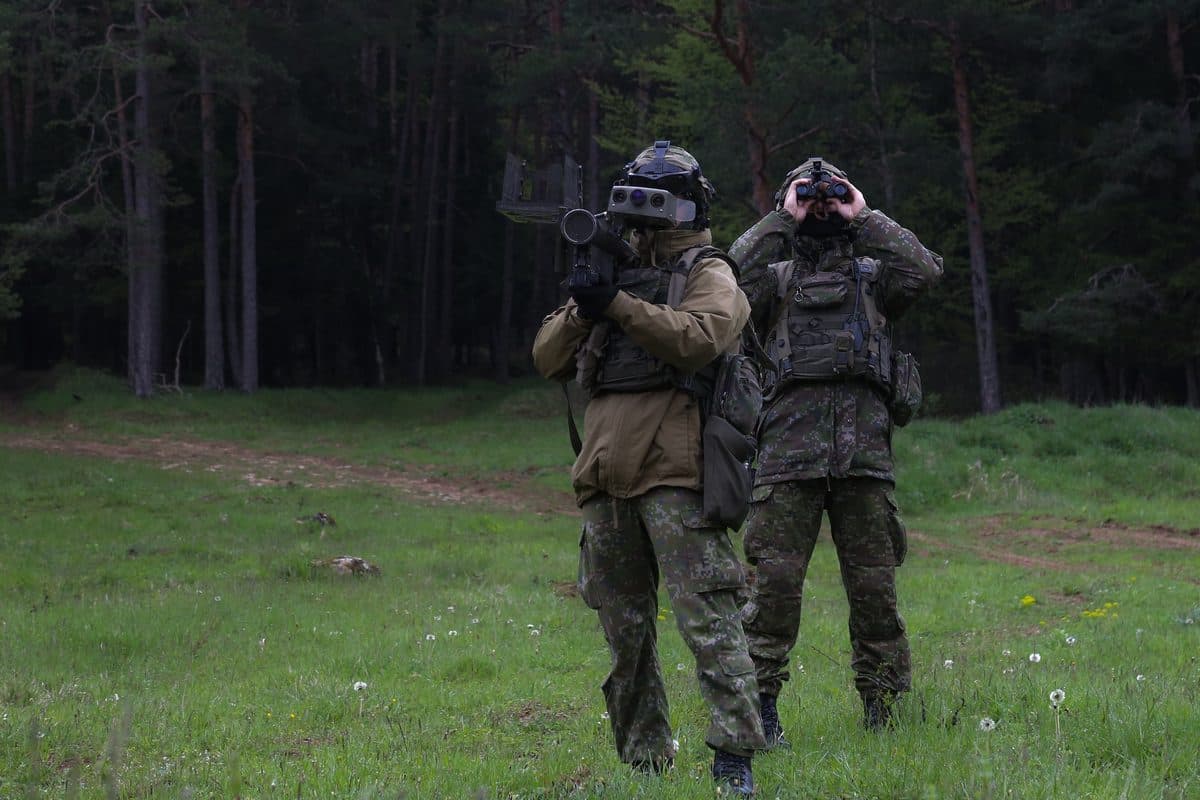
The FIM-92 Stinger helped win the Cold War by turning Afghan mujahideen into a credible anti-aircraft threat. By 2023, the United States almost ran out of them, because Raytheon stopped making them for 13 years, and the first 10 months of Ukraine support burned through the remaining stockpile.
Amateurs study tactics. Professionals study logistics. The most quoted military truism is also the most ignored. From WWII's industrial avalanche to Russia's 40-mile traffic jam in Ukraine, every major conflict proves the same lesson, and the U.S. military's just-in-time supply model may not survive a real fight.