



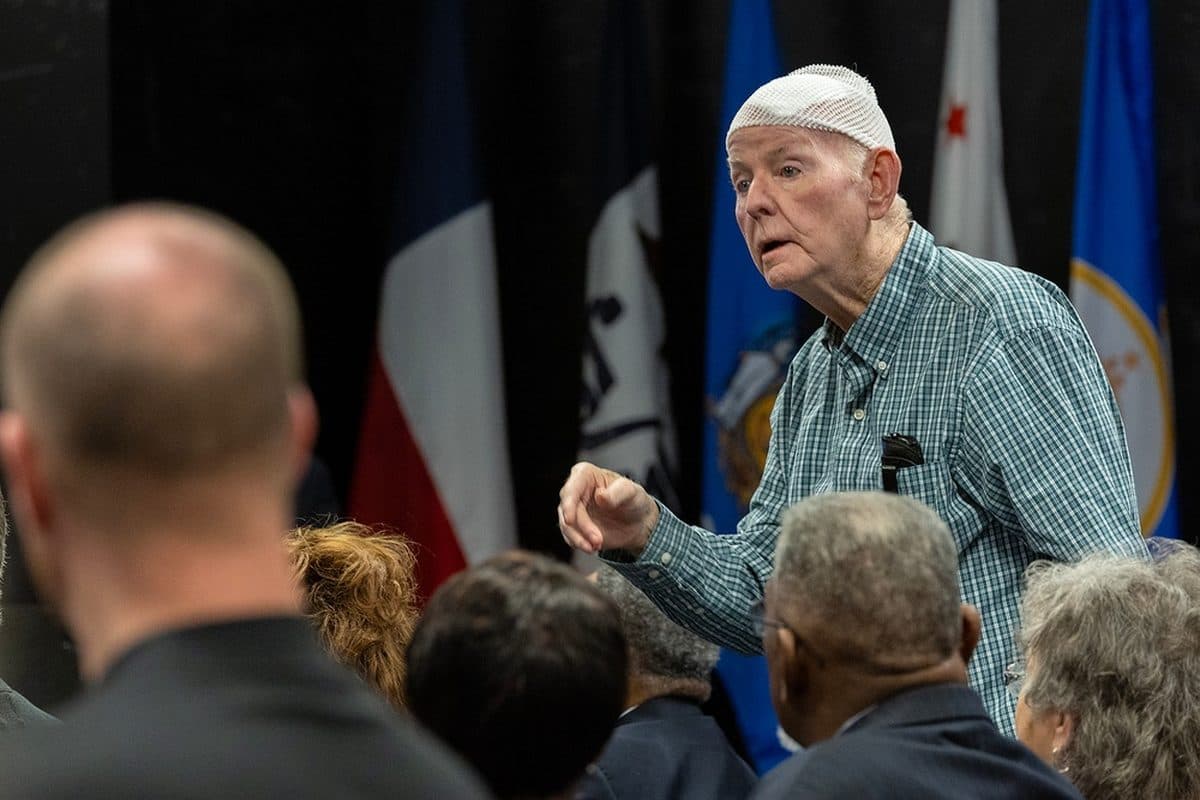
Iconic Aircraft of the Vietnam War
Boeing B-52 Stratofortress US Air Force This American project was first conceived in the immediate wake of the Second World War. The…
michael-trent··19 min read

Over 100,000 American and British troops landed at three points across French North Africa, Casablanca in Morocco, and Oran and Algiers in Algeria, in the largest and most complex amphibious operation ever attempted to that point. Commanded by Lieutenant General Dwight D. Eisenhower, Operation Torch marked the first time American ground forces engaged the European Axis.
German physicist Wilhelm Conrad Roentgen discovered X-rays while experimenting with a cathode-ray tube at the University of Wurzburg. Military medicine adopted the technology within months. By World War I, portable X-ray units saved thousands of lives on the Western Front.
Adolf Hitler and approximately 600 Nazi stormtroopers burst into the Bürgerbräukeller beer hall in Munich and declared a "national revolution." The putsch collapsed the next day when police fired on the marchers, killing 16 Nazis. Hitler's arrest, trial, and imprisonment produced Mein Kampf and transformed him from a regional agitator into a national figure.
Nazi paramilitary forces and civilians launched a coordinated pogrom against Jews across Germany, Austria, and the Sudetenland, destroying over 7,500 Jewish businesses, burning 267 synagogues, killing at least 91 people, and arresting 30,000 Jewish men for concentration camps. Kristallnacht marked the transition from legal discrimination to organized state violence.
Over 100,000 Allied troops landed at Casablanca, Oran, and Algiers in the largest amphibious operation to date. Commanded by Eisenhower, it was the first major Anglo-American offensive of World War II.
Lieutenant Russell J. Brown of the U.S. Air Force, flying an F-80C Shooting Star, engaged and claimed the destruction of a Soviet-built MiG-15 near the Yalu River in Korea, the first aerial victory in a jet-versus-jet dogfight in military history. The encounter foreshadowed the epic MiG Alley battles to come.
Korean War AircraftLieutenant Russell Brown of the 16th Fighter-Interceptor Squadron shot down a North Korean MiG-15 over Sinuiju, claiming what USAF credited as the first jet-versus-jet victory in combat aviation history. Later Soviet records suggested the MiG may have survived, but the engagement marked the opening of the first jet-age air war.
Senator John F. Kennedy defeated Vice President Richard Nixon in one of the closest presidential elections in US history. Kennedy's presidency would produce the Bay of Pigs, the Cuban Missile Crisis, the creation of Army Special Forces as a core force structure element, and the commitment of military advisers in Vietnam.
The 1st Battalion, 503rd Infantry of the 173rd Airborne Brigade was ambushed by over 1,200 Viet Cong during Operation Hump in War Zone D. The brutal engagement killed 49 Americans. Specialist Five Lawrence Joel earned the Medal of Honor for treating 13 wounded despite being shot twice, the first living African American Medal of Honor recipient since the Spanish-American War.
Aircraft of the Vietnam WarPresident Gerald Ford formally pardoned former president Richard Nixon, closing the Watergate criminal case and stabilizing civil-military relations during a turbulent transition. The pardon concluded the most significant US civilian-military crisis since the Civil War.
A Provisional IRA bomb exploded during a Remembrance Day ceremony in Enniskillen, Northern Ireland, killing 12 civilians and wounding 63 who had gathered to honor war dead. The attack provoked worldwide condemnation and became a turning point in public opinion against the IRA.

General
Imperial Japanese Army general known as the "Tiger of Malaya" for his lightning conquest of British Malaya and Singapore in 1942, the worst defeat in British military history. Yamashita's 30,000 troops defeated over 130,000 Allied soldiers in just 70 days. Tried for war crimes under the controversial "command responsibility" doctrine, he was hanged in 1946.

Canadian-American journalist whose 1965 CBS News report "The Burning of Cam Ne" fundamentally changed American perceptions of the Vietnam War. Safer filmed U.S. Marines using Zippo lighters to torch thatched-roof homes in a Vietnamese village, provoking a furious reaction from the Johnson administration and demonstrating the power of television to shape military policy.

Soviet Foreign Minister whose 1939 Molotov-Ribbentrop Pact with Nazi Germany divided Eastern Europe between the two totalitarian powers and paved the way for World War II. His name became permanently attached to the "Molotov cocktail", an improvised incendiary first widely used by Finnish soldiers resisting his own country's invasion during the Winter War of 1939-1940.
Wear the Timeline
10 military events occurred on November 8, spanning multiple centuries. Key events include: Operation Torch: The Allied Invasion of North Africa (1942), Hitler's Beer Hall Putsch in Munich (1923), Kristallnacht: The Night of Broken Glass (1938), Operation Hump: The 173rd Airborne Ambushed (1965).
The most significant military event on November 8 is Operation Torch: The Allied Invasion of North Africa (1942). Over 100,000 American and British troops landed at three points across French North Africa, Casablanca in Morocco, and Oran and Algiers in Algeria, in the largest and most complex amphibious operation ever attempted to that point. Commanded by Lieutenant General Dwight D. Eisenhower, Operation Torch marked the first time American ground forces engaged the European Axis.
Notable military figures born on November 8 include Tomoyuki Yamashita (1885–1946), Morley Safer (1931–2016).
Events on November 8 span World War II, the Interwar Period, the Vietnam War, the Korean War, the Modern Era, World War I, the Cold War, covering 10 events across 2 centuries of military history.
Events on November 8 involve 4 branches of the U.S. and allied armed forces, reflecting the global scope of military operations throughout history.
Explore military history from the day you were born.
June 6
The Allied invasion of Normandy, the largest amphibious assault in history.
December 7
Japan attacks the U.S. Pacific Fleet, bringing America into World War II.
September 11
The deadliest terrorist attack in history transforms U.S. national security.
August 6
The first atomic bomb is dropped on a city, ushering in the nuclear age.
May 8
Nazi Germany surrenders unconditionally, ending World War II in Europe.
November 11
Armistice Day marks the end of World War I and honors all who served.
June 4
The turning point of the Pacific War as the U.S. Navy destroys four Japanese carriers.
July 4
The Declaration of Independence is adopted, sparking the American Revolution.
Boeing B-52 Stratofortress US Air Force This American project was first conceived in the immediate wake of the Second World War. The…
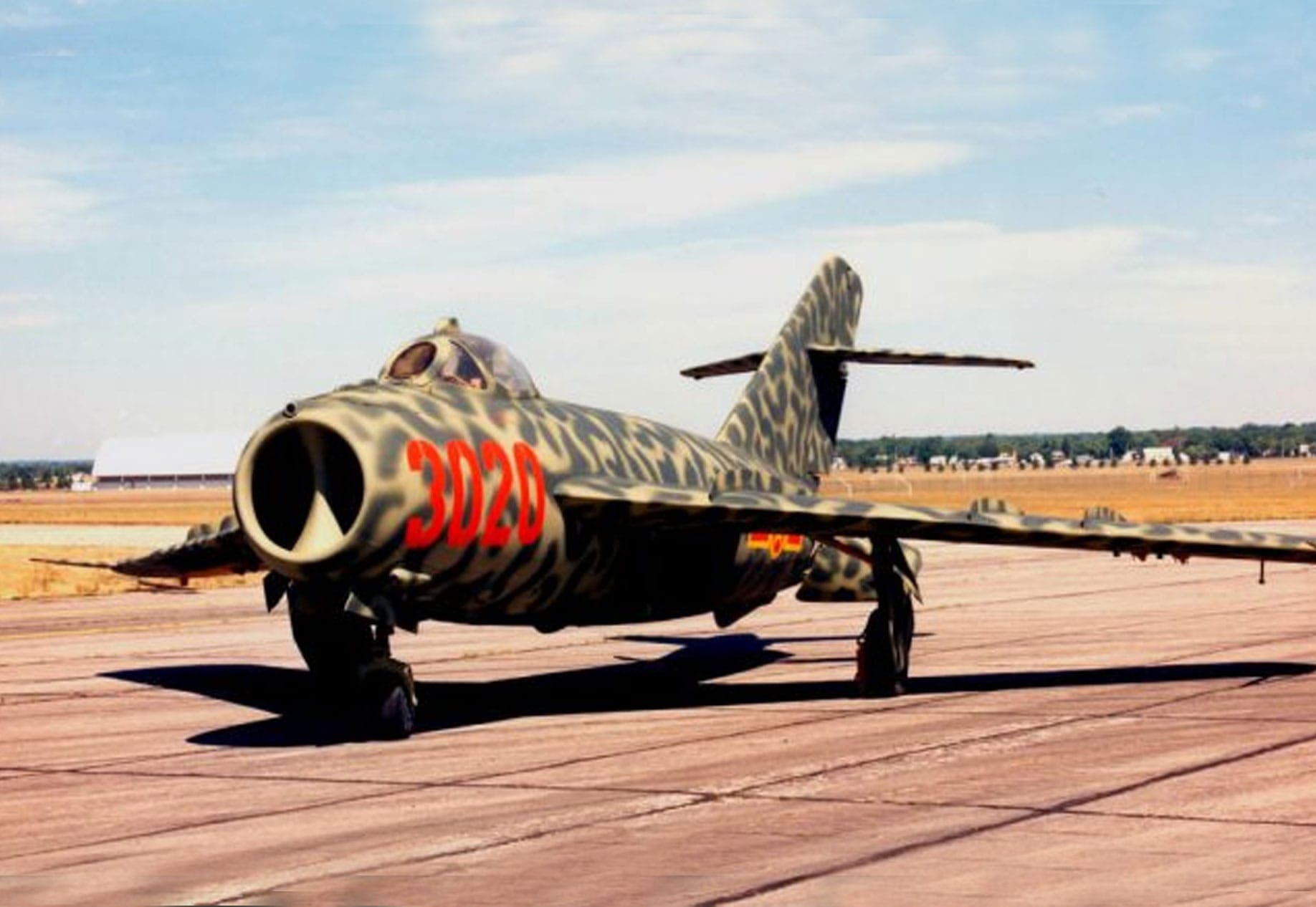
North American F-28 Twin Mustang US Air Force The F-28 Twin Mustang was one of the top Korean War aircraft from the very beginning….
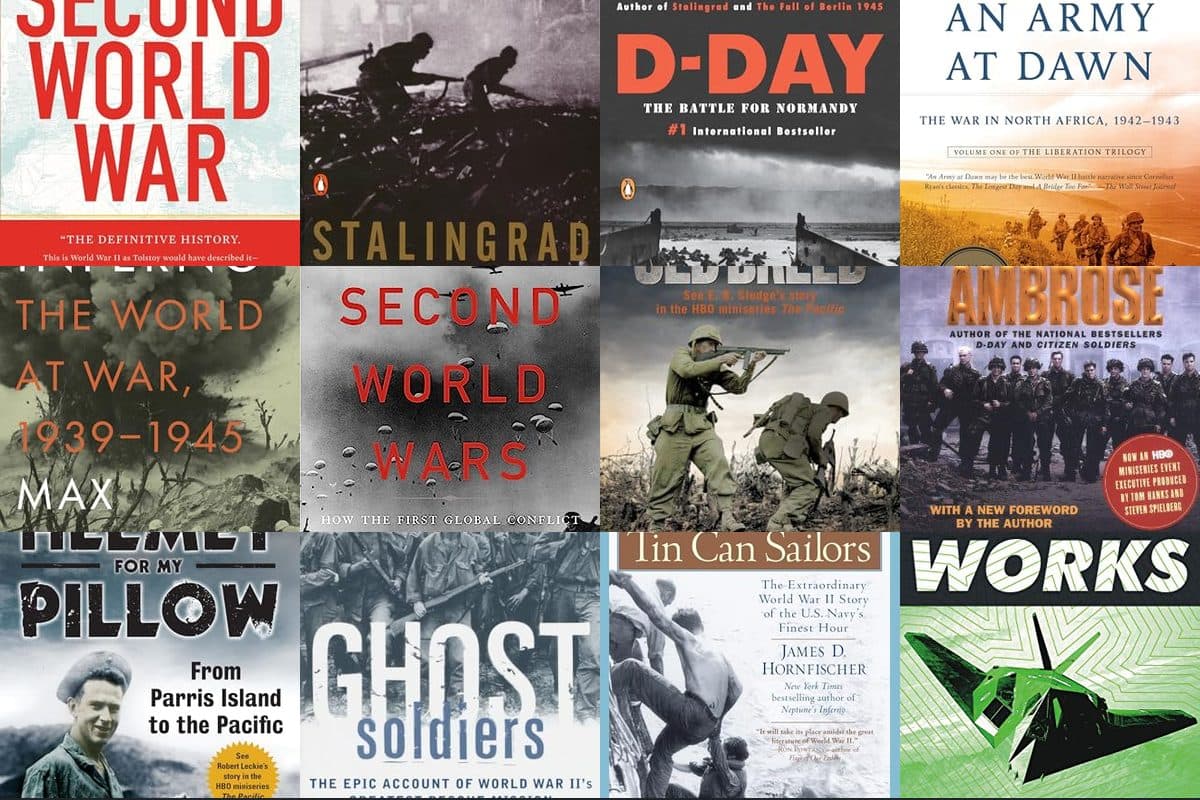
15 essential WW2 books covering every theater. Narrative histories, memoirs, and visual references ranked.
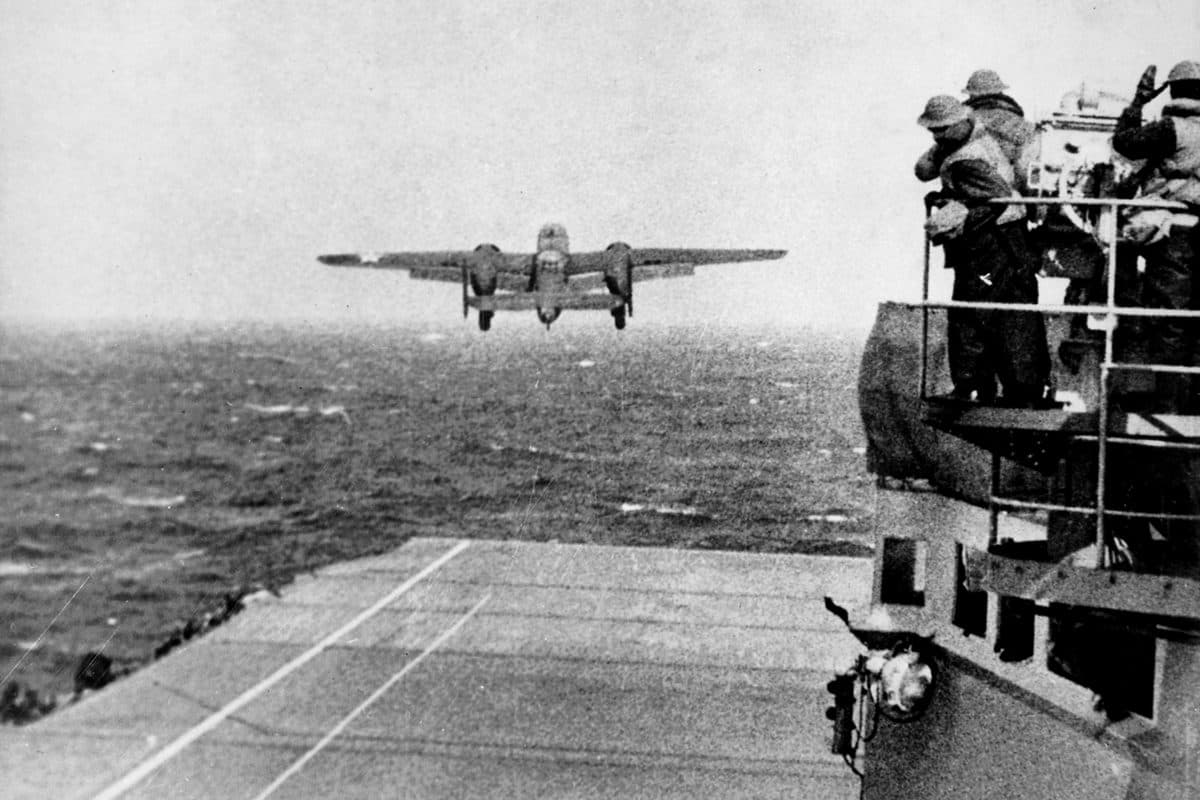
On April 18, 1942, sixteen B-25 Mitchell bombers did something no one thought possible: they launched from the deck of an aircraft carrier, flew 650 miles to Japan, and bombed Tokyo. Every aircraft was lost. The damage was negligible. The consequences changed the war.