

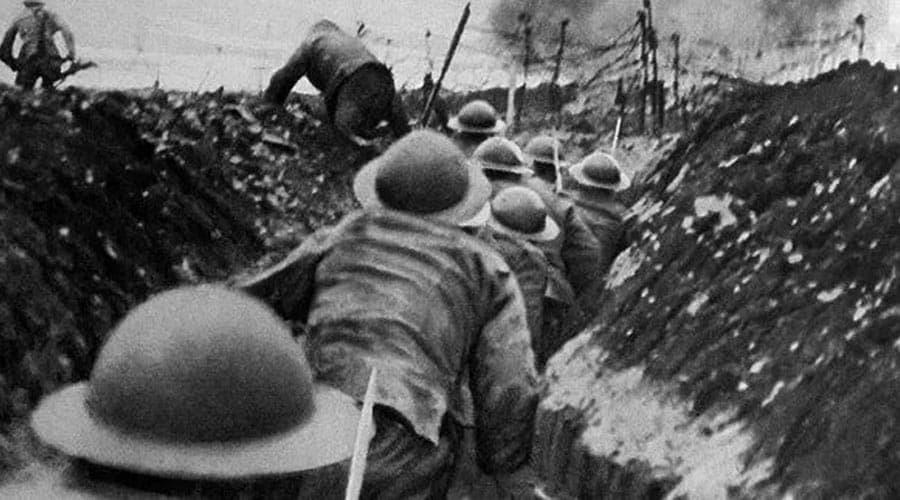
20 Chilling Quotes from the Trenches of World War I
Harrowing first-person accounts from soldiers who endured the mud, gas, and constant shelling of World War I's Western Front.
james-holloway··8 min read

East German spokesman Günter Schabowski announced at a televised press conference that all East German citizens were free to travel to the West "immediately, without delay." Within hours, thousands of Berliners swarmed the checkpoints, and overwhelmed border guards opened the gates. The wall that had divided Berlin for 28 years was breached, triggering German reunification and the collapse of the Soviet Union.
Napoleon Bonaparte overthrew the unstable French Directory in a coup d'état, replacing it with the French Consulate and installing himself as First Consul. The coup effectively ended the French Revolution's decade of republican government. Within five years, Napoleon would crown himself Emperor and launch wars that reshaped the entire European continent.
Major General Ambrose Burnside reluctantly accepted command of the Army of the Potomac after Lincoln relieved McClellan. Burnside had twice previously declined the position, partly because he feared the alternative was giving the job to Joseph Hooker. His self-doubt proved prophetic: within six weeks he led the army to catastrophe at Fredericksburg.
A fire that began in the basement of a dry goods warehouse destroyed 65 acres of downtown Boston, damaged or destroyed over 700 buildings, and killed at least 30 people including four firefighters. The disaster prompted reforms in US military firefighting doctrine and urban fire protection that influenced base fire departments for decades.
President Theodore Roosevelt traveled to Panama to inspect construction of the canal, the first time a sitting US president left the country while in office. The canal transformed US naval strategy by allowing rapid fleet movement between Atlantic and Pacific, halving transit times and reshaping global sea power.
The Australian light cruiser HMAS Sydney intercepted and destroyed the German commerce raider SMS Emden at the Cocos Islands in the Indian Ocean. The Emden had been the most successful German raider of the war, capturing or sinking 25 Allied merchant vessels and bombarding Madras, India. The battle earned Australia's navy its first major battle honor.
With revolution sweeping Germany and the army disintegrating, Chancellor Max von Baden announced the abdication of Kaiser Wilhelm II, without the Kaiser's authorization. The Weimar Republic was proclaimed that afternoon. Wilhelm fled to the Netherlands, ending 300 years of Hohenzollern rule and removing the final obstacle to the armistice signed two days later.
Chilling Quotes from WWI TrenchesAdolf Hitler's attempt to seize power in Bavaria collapsed when Munich police opened fire on a column of Nazi marchers, killing 16. Hitler was arrested, imprisoned, and used his trial to build a national reputation. The failed putsch reshaped how the Nazi movement approached seizing military and state power.
A power system failure plunged most of the US Northeast and parts of Canada into darkness for 13 hours, affecting over 30 million people. The blackout exposed vulnerabilities in national infrastructure that shaped later Department of Defense work on continuity of government and critical-infrastructure protection.
Screens at NORAD and the Strategic Air Command displayed a massive Soviet nuclear attack, hundreds of incoming ICBMs. Fighter interceptors scrambled and the National Emergency Airborne Command Post launched before the alert was confirmed as false. A training tape simulating a Soviet first strike had been accidentally loaded into the live warning system.
East German border guards opened the gates after a bungled press conference, and thousands of Berliners swarmed through the wall that had divided the city for 28 years. The event triggered German reunification and the end of the Cold War.

Colonel
Bombardier aboard the B-29 Enola Gay who released the atomic bomb "Little Boy" over Hiroshima on August 6, 1945. A North Carolina farm boy who had already completed over 60 bombing missions in Europe, Ferebee centered his Norden bombsight on the Aioi Bridge at 8:15 AM and unleashed the most destructive single weapon ever used in combat.

King of the United Kingdom who modernized the British military and navy in ways that proved critical when World War I erupted four years after his death. His diplomatic efforts, particularly the Entente Cordiale with France in 1904, reshaped the alliance structure that would define the Great War.

French general and statesman who led the Free French Forces during World War II and served as president of the Fifth Republic. After France fell in 1940, de Gaulle escaped to London and delivered his famous "Appeal of 18 June," rallying French resistance. He returned to power during the Algerian Crisis, establishing the constitution that strengthened the French presidency. Died at Colombey-les-Deux-Églises at age 79.
Wear the Timeline
10 military events occurred on November 9, spanning multiple centuries. Key events include: The Fall of the Berlin Wall (1989), Napoleon's Coup of 18 Brumaire (1799), Kaiser Wilhelm II Abdicates (1918).
The most significant military event on November 9 is The Fall of the Berlin Wall (1989). East German spokesman Günter Schabowski announced at a televised press conference that all East German citizens were free to travel to the West "immediately, without delay." Within hours, thousands of Berliners swarmed the checkpoints, and overwhelmed border guards opened the gates. The wall that had divided Berlin for 28 years was breached, triggering German reunification and the collapse of the Soviet Union.
Notable military figures born on November 9 include Thomas Ferebee (1918–2000), King Edward VII (1841–1910).
Events on November 9 span the Cold War, the Colonial & Revolutionary era, World War I, the Civil War, the Interwar Period, covering 10 events across 3 centuries of military history.
Events on November 9 involve 3 branches of the U.S. and allied armed forces, reflecting the global scope of military operations throughout history.
Explore military history from the day you were born.
June 6
The Allied invasion of Normandy, the largest amphibious assault in history.
December 7
Japan attacks the U.S. Pacific Fleet, bringing America into World War II.
September 11
The deadliest terrorist attack in history transforms U.S. national security.
August 6
The first atomic bomb is dropped on a city, ushering in the nuclear age.
May 8
Nazi Germany surrenders unconditionally, ending World War II in Europe.
November 11
Armistice Day marks the end of World War I and honors all who served.
June 4
The turning point of the Pacific War as the U.S. Navy destroys four Japanese carriers.
July 4
The Declaration of Independence is adopted, sparking the American Revolution.
Harrowing first-person accounts from soldiers who endured the mud, gas, and constant shelling of World War I's Western Front.
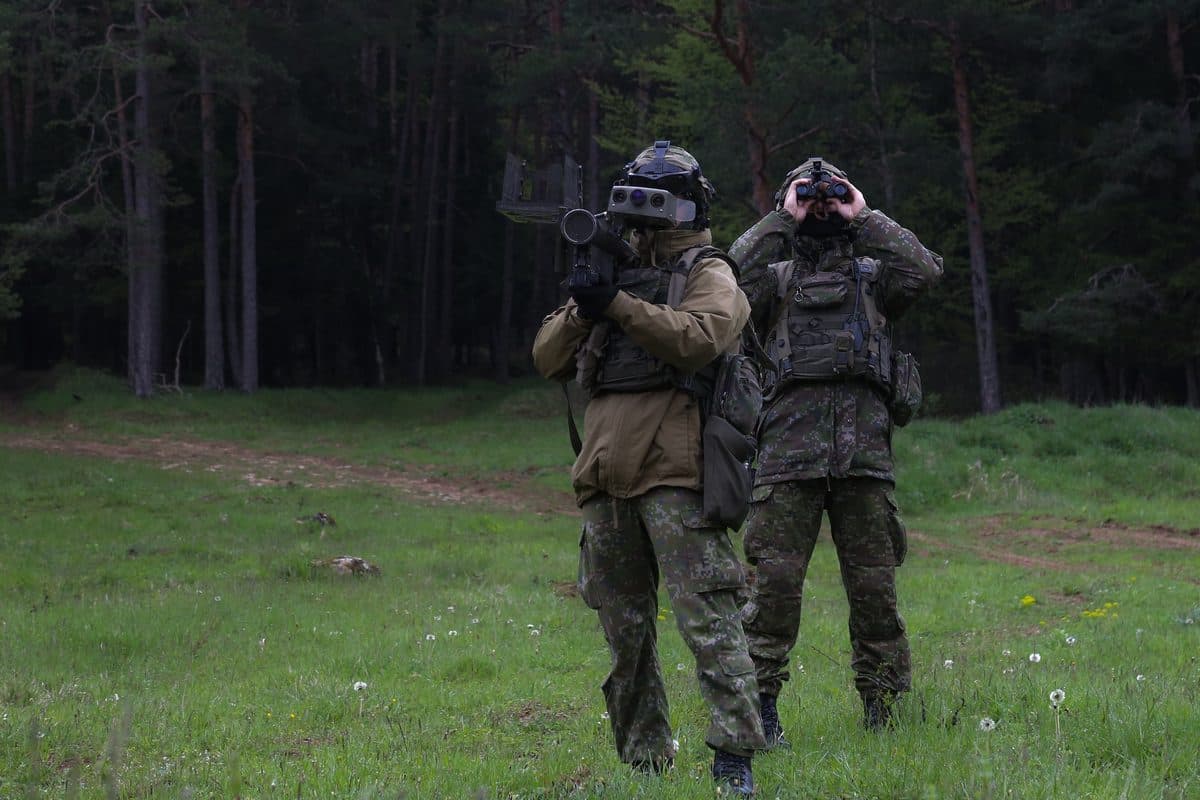
The FIM-92 Stinger helped win the Cold War by turning Afghan mujahideen into a credible anti-aircraft threat. By 2023, the United States almost ran out of them, because Raytheon stopped making them for 13 years, and the first 10 months of Ukraine support burned through the remaining stockpile.
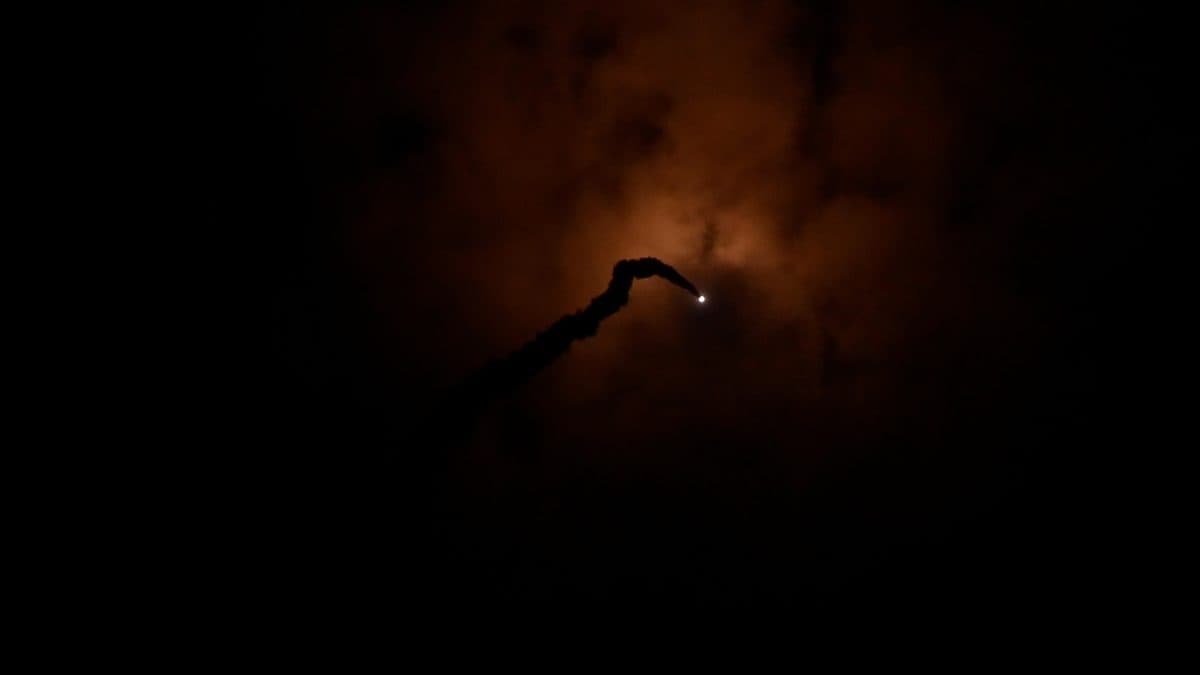
These weapons were built to fight a war that everyone prayed would never happen. The Minuteman III has been on alert since 1970. The Typhoon-class carried enough nuclear warheads to destroy a continent. The Davy Crockett could be fired by three soldiers. Most of them have been waiting for 40 years. Here are 10 Cold War weapons built exclusively for World War III.
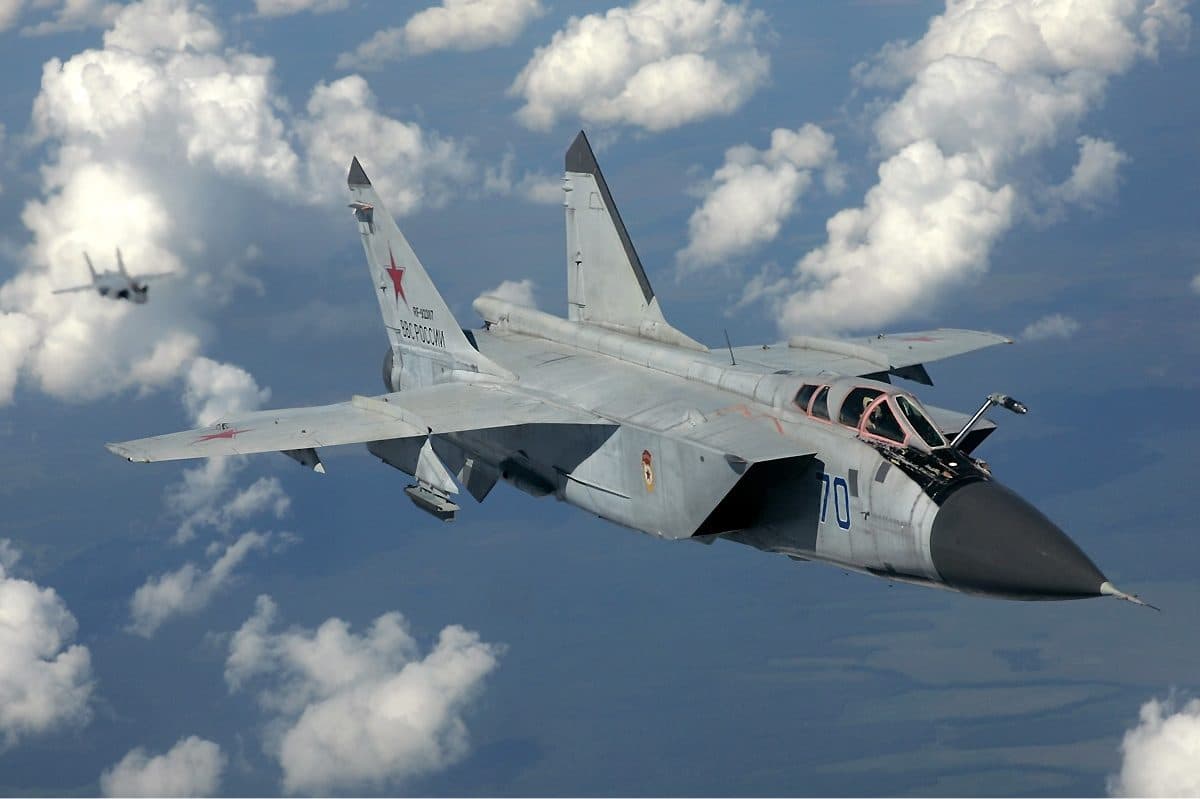
The MiG-31 was designed to catch the SR-71 Blackbird. It is still the fastest fighter in any air force. The Foxhound's Zaslon phased-array radar, the first ever installed in a fighter, can track 10 targets and engage 4 simultaneously at ranges exceeding 200 miles. Here is why Russia still flies a 1980s interceptor, and why the MiG-31BM carrying a Kinzhal hypersonic missile has changed what the aircraft means to modern warfare.