

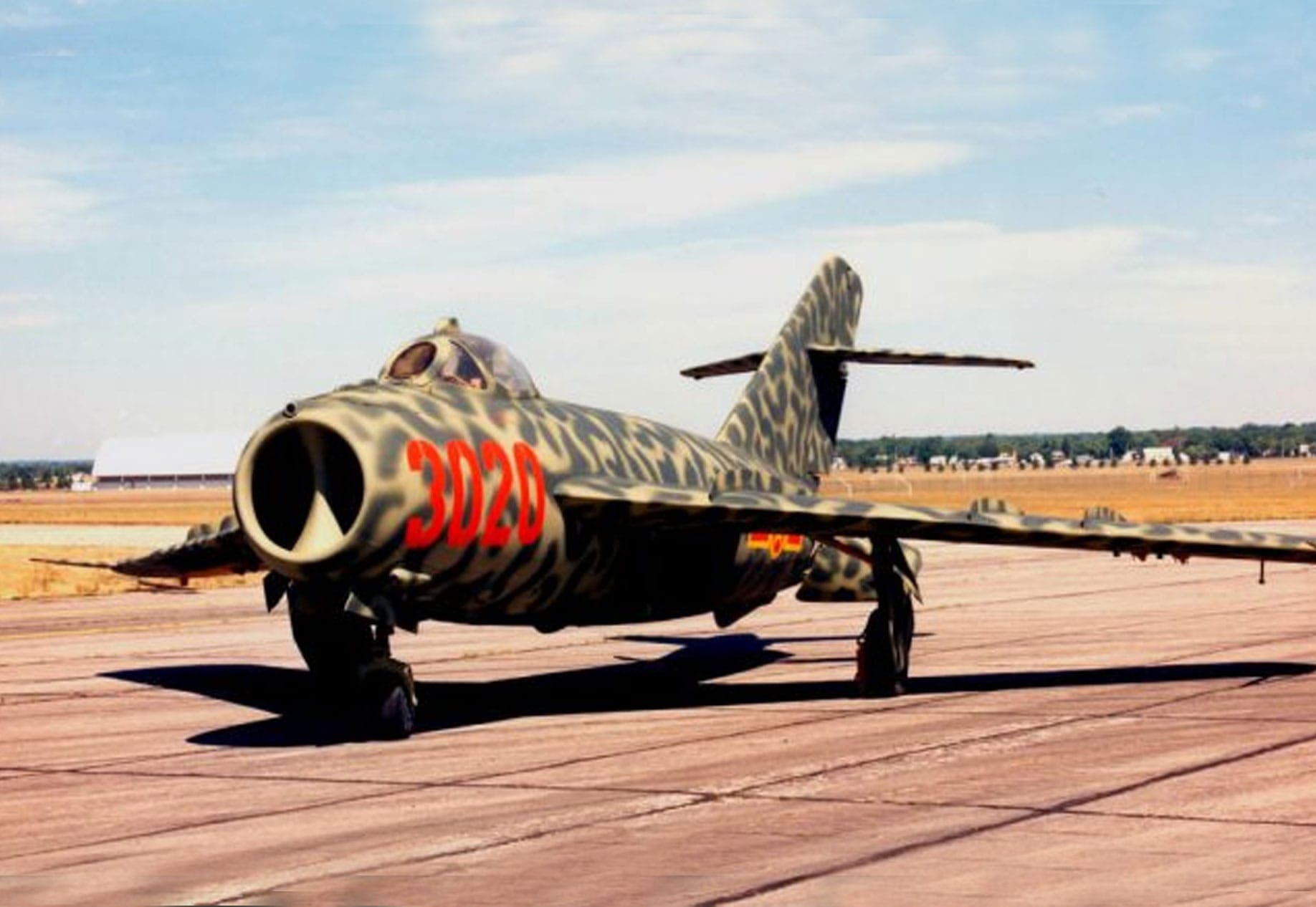
Top Aircraft Of The Korean War
North American F-28 Twin Mustang US Air Force The F-28 Twin Mustang was one of the top Korean War aircraft from the very beginning….
ryan-caldwell··10 min read

In one of the most extraordinary naval engagements in history, a small American escort carrier group designated "Taffy 3", comprising six escort carriers, three destroyers, and four destroyer escorts, fought a desperate battle against a vastly superior Japanese force of four battleships, six heavy cruisers, two light cruisers, and eleven destroyers under Admiral Takeo Kurita. Against impossible odds, Taffy 3's counterattack was so ferocious that Kurita believed he was facing a far larger force and withdrew, saving the Leyte invasion fleet.
Henry V of England defeated a vastly larger French army at Agincourt in one of the most celebrated victories in military history. English longbowmen devastated the French mounted knights as they advanced through muddy terrain, killing an estimated 6,000 French soldiers against fewer than 500 English dead. The victory, immortalized by Shakespeare, demonstrated the lethal effectiveness of disciplined missile troops against heavy cavalry.
The English longbow, drawing up to 150 pounds and firing a heavy war arrow at rates above ten per minute, demonstrated its battlefield dominance at Agincourt when 5,000 archers defeated a French host several times their number. The engagement validated decades of English investment in mass archer training and set the template for combined arms use of missile troops and men at arms that defined English warfare through the Wars of the Roses.
During the Crimean War, the British Light Brigade charged directly into the mouths of Russian artillery in a misdirected cavalry assault at the Battle of Balaclava. Of the roughly 670 cavalrymen who charged, 110 were killed and 161 wounded in just twenty minutes. The disastrous charge, immortalized by Tennyson's poem, became history's most famous example of military futility and miscommunication, "magnificent, but it is not war," as the French general Bosquet observed.
The 93rd Highland Regiment under Sir Colin Campbell stood in a two deep line rather than the conventional four deep square and repulsed a Russian cavalry charge with disciplined musketry at Balaclava. The Times correspondent William Russell described them as "a thin red streak tipped with a line of steel," giving rise to one of the most enduring phrases in military history.
A small American escort carrier group fought a desperate battle against a vastly superior Japanese fleet off the Philippines. The ferocity of the American counterattack convinced the Japanese commander to withdraw, saving the Leyte invasion fleet in one of the most courageous naval engagements in history.
The Japanese Special Attack Unit launched its first organized kamikaze strikes against the American fleet at Leyte Gulf, sinking the escort carrier USS St. Lo and damaging several others. Lieutenant Yukio Seki led the first formal mission in a Zero laden with a 250-kilogram bomb. The tactic signaled Japan's recognition that conventional air power could no longer contest American naval superiority.
Chinese People's Volunteer Army forces launched their first major assault against South Korean (ROK) troops near Onjong in North Korea, marking the beginning of massive Chinese intervention in the Korean War. The initial attacks shattered the ROK 6th Division and stunned UN commanders who had dismissed warnings of Chinese involvement. Within weeks, 300,000 Chinese soldiers would pour across the Yalu River, transforming the conflict and forcing the longest retreat in U.S. Army history.
Korean War AircraftThe United Nations General Assembly passed Resolution 2758, recognizing the People's Republic of China as the sole legitimate representative of China and expelling the Republic of China (Taiwan). The vote reflected the shifting balance of Cold War power and Nixon's opening to Beijing. The decision remains one of the most consequential acts of international diplomacy, affecting the military balance across the Taiwan Strait to this day.
United States forces invaded the Caribbean island of Grenada to depose a Marxist military government that had seized power in a coup. Approximately 7,600 U.S. troops, Marines, Army Rangers, and paratroopers from the 82nd Airborne, overwhelmed Grenadian and Cuban resistance within days. Though a clear military success, the operation exposed serious inter-service communication failures and contributed to the Goldwater-Nichols Act reforms that restructured the American military.
Microsoft released Windows XP on October 25, 2001, an operating system that would within three years become the standard desktop platform across the U.S. Department of Defense and would remain in use on mission-critical military systems long after its 2014 end-of-life, illustrating the durability of entrenched military software choices.

American naval officer, aviator, and polar explorer who claimed to be the first to fly over the North Pole in 1926 and led five expeditions to Antarctica. Byrd held the rank of Rear Admiral and received the Medal of Honor for his Arctic flight. His Antarctic explorations established permanent American presence on the continent and provided valuable experience in extreme-environment military operations that influenced Cold War Arctic strategy.

One of Napoleon's original eighteen Marshals of France, Lefebvre rose from humble origins as the son of a miller to command armies across Europe. He distinguished himself at the battles of Fleurus and Jena, and captured the fortress of Danzig in 1807. His extraordinary career, from common soldier to Duke of Danzig, epitomized the meritocratic ideal of the Revolutionary and Napoleonic armies.

British Army cavalry officer who delivered the fatally ambiguous order that sent the Light Brigade charging into the Russian guns at Balaclava. Nolan, a passionate advocate for cavalry who had written treatises on mounted warfare, was the first man killed in the charge, struck by a shell fragment moments after riding ahead of the brigade. Whether he was trying to redirect the charge or was simply caught up in the momentum remains one of military history's enduring mysteries.
Wear the Timeline
10 military events occurred on October 25, spanning multiple centuries. Key events include: Battle off Samar: Taffy 3 Against the Japanese Fleet (1944), Battle of Balaclava: Charge of the Light Brigade (1854), Battle of Agincourt (1415), Chinese Forces Attack in Korea (1950), Kamikaze Strikes: Birth of the Special Attack Corps (1944).
The most significant military event on October 25 is Battle off Samar: Taffy 3 Against the Japanese Fleet (1944). In one of the most extraordinary naval engagements in history, a small American escort carrier group designated "Taffy 3", comprising six escort carriers, three destroyers, and four destroyer escorts, fought a desperate battle against a vastly superior Japanese force of four battleships, six heavy cruisers, two light cruisers, and eleven destroyers under Admiral Takeo Kurita. Against impossible odds, Taffy 3's counterattack was so ferocious that Kurita believed he was facing a far larger force and withdrew, saving the Leyte invasion fleet.
Notable military figures born on October 25 include Richard E. Byrd (1888–1957), François Joseph Lefebvre (1755–1820).
Events on October 25 span World War II, the Colonial & Revolutionary era, the Modern Era, the Korean War, the Cold War, covering 10 events across 4 centuries of military history.
Events on October 25 involve 4 branches of the U.S. and allied armed forces, reflecting the global scope of military operations throughout history.
Explore military history from the day you were born.
June 6
The Allied invasion of Normandy, the largest amphibious assault in history.
December 7
Japan attacks the U.S. Pacific Fleet, bringing America into World War II.
September 11
The deadliest terrorist attack in history transforms U.S. national security.
August 6
The first atomic bomb is dropped on a city, ushering in the nuclear age.
May 8
Nazi Germany surrenders unconditionally, ending World War II in Europe.
November 11
Armistice Day marks the end of World War I and honors all who served.
June 4
The turning point of the Pacific War as the U.S. Navy destroys four Japanese carriers.
July 4
The Declaration of Independence is adopted, sparking the American Revolution.
North American F-28 Twin Mustang US Air Force The F-28 Twin Mustang was one of the top Korean War aircraft from the very beginning….
15 essential WW2 books covering every theater. Narrative histories, memoirs, and visual references ranked.
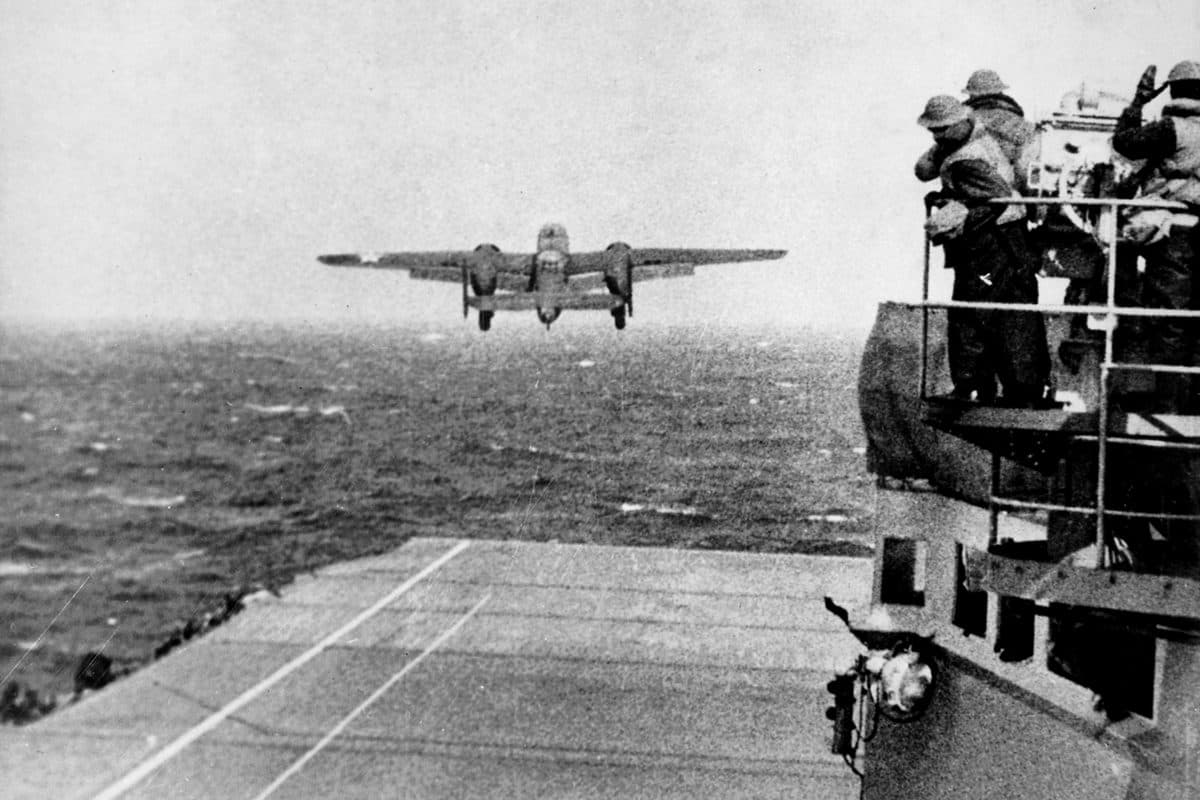
On April 18, 1942, sixteen B-25 Mitchell bombers did something no one thought possible: they launched from the deck of an aircraft carrier, flew 650 miles to Japan, and bombed Tokyo. Every aircraft was lost. The damage was negligible. The consequences changed the war.
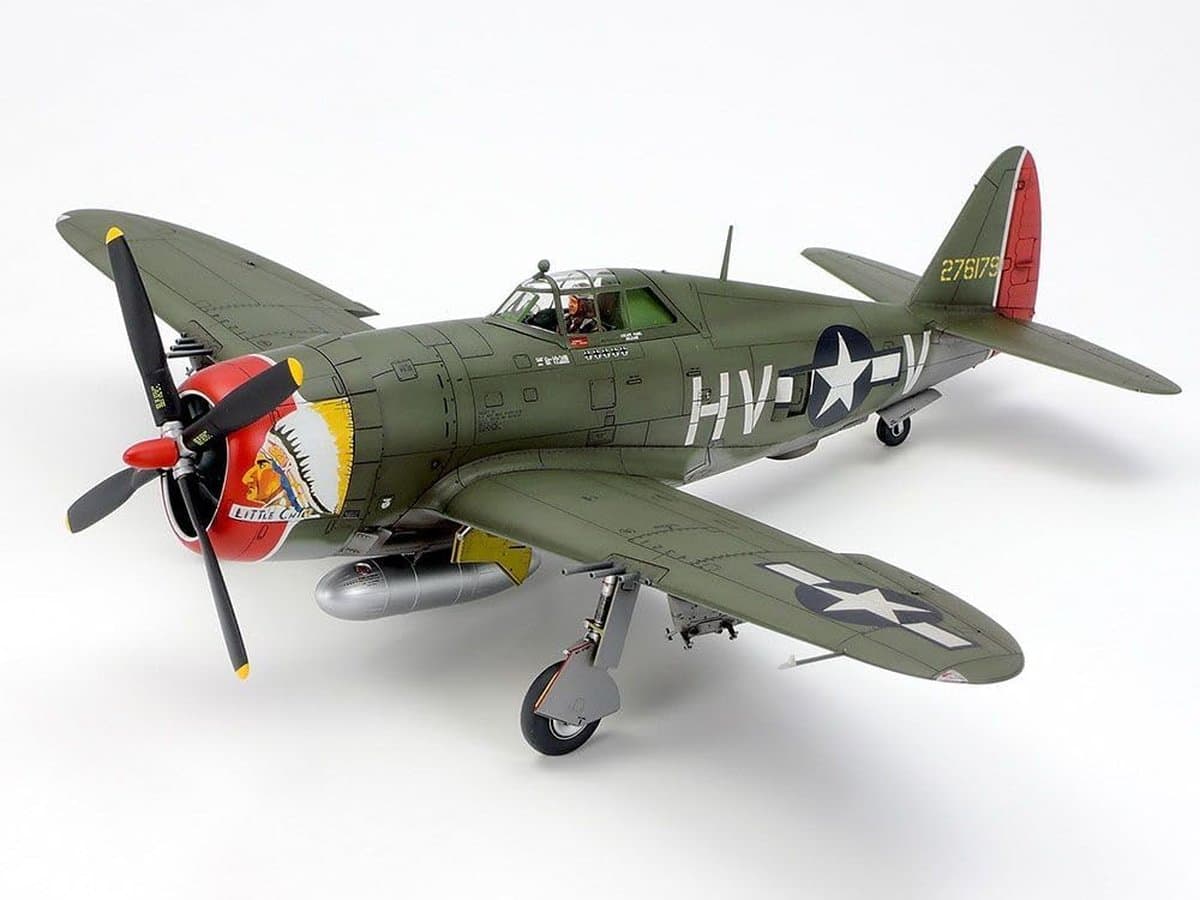
Compare 85+ WW2 scale model kits across aircraft, tanks, and ships. Beginner builds from $9 to museum-grade showpieces at $580. Covers Tamiya, Eduard, HK Models, Trumpeter, and more with honest reviews, trade-offs, and pricing.