

15 Best World War II Books for History Enthusiasts (2026)
15 essential WW2 books covering every theater. Narrative histories, memoirs, and visual references ranked.
daniel-mercer··21 min read

A massive Austro-German offensive shattered the Italian front along the Isonzo River, sending the Italian Army into a catastrophic retreat that cost 300,000 prisoners, 10,000 killed, 30,000 wounded, and the loss of all territory gained in two years of fighting. The breakthrough at Caporetto stands as one of the most devastating defeats in military history and revolutionized combined-arms infantry tactics.
The treaties of Osnabrück and Münster collectively known as the Peace of Westphalia were signed, ending both the Thirty Years' War and the Eighty Years' War. The peace settlement, which concluded the most destructive conflict in European history before the twentieth century, established the principle of state sovereignty and laid the foundations of the modern international order. An estimated eight million people had perished in the wars.
The first transcontinental telegraph line was completed when connections were made in Salt Lake City, linking the Atlantic and Pacific coasts by instant communication. The military significance was profound, the Union Army could now coordinate operations across the entire continent in minutes rather than weeks. The telegraph made the Pony Express obsolete overnight and gave the Union a decisive communications advantage over the Confederacy throughout the Civil War.
A massive Austro-German offensive shattered the Italian front along the Isonzo River, sending the Italian Army into a catastrophic retreat that cost 300,000 prisoners and erased two years of hard-won gains. The breakthrough revolutionized infantry infiltration tactics.
The New York Stock Exchange suffered its largest single day drop to that point, with 12.9 million shares traded as panic selling wiped out an estimated 11 percent of market value. The crash triggered a cascade of financial failures that produced the Great Depression, hollowed out defense budgets across the Western democracies, and shaped the interwar military environment that enabled Axis rearmament.
American carrier aircraft from Task Force 38 attacked the Japanese Center Force in the Sibuyan Sea during the Battle of Leyte Gulf, hitting the super-battleship Musashi with an estimated 19 torpedoes and 17 bombs before she capsized and sank. The 72,000-ton Musashi, one of the two largest battleships ever built, took her crew of over 1,000 men to the bottom. Her loss demonstrated that even the most heavily armored warships could not survive sustained air attack.
Admiral Jesse Oldendorf's Seventh Fleet Support Force crossed the T of Japanese Vice Admiral Shoji Nishimura's Southern Force in Surigao Strait, sinking two Japanese battleships and most of their escorts in the final battleship against battleship engagement in naval history. American PT boats and destroyers launched the torpedo attacks that crippled the Japanese line before the heavy guns finished the work.
The Charter of the United Nations entered into force after ratification by the five permanent members of the Security Council and a majority of signatories, formally establishing the United Nations as an international organization dedicated to preventing another world war. Born from the devastation of two world wars, the UN represented the determination of the wartime Allies to create an institutional framework for collective security and the peaceful resolution of disputes.
Northern Rhodesia became the Republic of Zambia at midnight on October 24, 1964, under President Kenneth Kaunda. Zambian independence reshaped southern African military geography by establishing a forward operating base for the African National Congress, SWAPO, and ZANU-PF anti-apartheid insurgencies that would dominate regional conflict for the following three decades.
A United Nations-brokered ceasefire finally took hold along the Suez Canal front after two days of continued fighting following the initial ceasefire resolution. Israeli forces had encircled the Egyptian Third Army on the west bank of the canal, creating a diplomatic crisis that threatened superpower confrontation. The United States placed its nuclear forces on DEFCON 3 alert to deter Soviet intervention, making the final days of the Yom Kippur War one of the most dangerous moments of the Cold War.

Chinese military commander who led the Chinese People's Volunteer Army during the Korean War, personally commanding the forces that drove UN troops south of the 38th parallel in late 1950. One of the ten founding marshals of the People's Republic of China, Peng later served as Minister of National Defense before being purged by Mao Zedong for criticizing the Great Leap Forward. He died in prison during the Cultural Revolution.

English field marshal who served under the Duke of Marlborough in the War of the Spanish Succession, fighting at the great victories of Blenheim, Ramillies, and Malplaquet. Cobham later mentored a circle of young officers and politicians known as "Cobham's Cubs", including William Pitt the Elder, who would shape British military and imperial policy for decades. His legacy extended far beyond the battlefield into the political foundations of British power.

Norwegian military officer and politician who collaborated with Nazi Germany during the occupation of Norway, establishing a puppet government that aided the German war effort. Quisling had seized power in a coup during the German invasion of April 1940 and served as Minister President under German oversight until liberation. Convicted of treason, he was executed by firing squad at Akershus Fortress. His surname became a universal synonym for "traitor" in multiple languages.
Wear the Timeline
10 military events occurred on October 24, spanning multiple centuries. Key events include: Battle of Caporetto (1917), Battle of the Sibuyan Sea: Sinking of the Musashi (1944), Peace of Westphalia Signed (1648), United Nations Charter Enters into Force (1945), Battle of Surigao Strait: Last Battleship Duel (1944).
The most significant military event on October 24 is Battle of Caporetto (1917). A massive Austro-German offensive shattered the Italian front along the Isonzo River, sending the Italian Army into a catastrophic retreat that cost 300,000 prisoners, 10,000 killed, 30,000 wounded, and the loss of all territory gained in two years of fighting. The breakthrough at Caporetto stands as one of the most devastating defeats in military history and revolutionized combined-arms infantry tactics.
Notable military figures born on October 24 include Peng Dehuai (1898–1974), Richard Temple, 1st Viscount Cobham (1675–1749).
Events on October 24 span World War I, World War II, the Colonial & Revolutionary era, the Civil War, the Cold War, the Interwar Period, covering 10 events across 3 centuries of military history.
Events on October 24 involve 3 branches of the U.S. and allied armed forces, reflecting the global scope of military operations throughout history.
Explore military history from the day you were born.
June 6
The Allied invasion of Normandy, the largest amphibious assault in history.
December 7
Japan attacks the U.S. Pacific Fleet, bringing America into World War II.
September 11
The deadliest terrorist attack in history transforms U.S. national security.
August 6
The first atomic bomb is dropped on a city, ushering in the nuclear age.
May 8
Nazi Germany surrenders unconditionally, ending World War II in Europe.
November 11
Armistice Day marks the end of World War I and honors all who served.
June 4
The turning point of the Pacific War as the U.S. Navy destroys four Japanese carriers.
July 4
The Declaration of Independence is adopted, sparking the American Revolution.
15 essential WW2 books covering every theater. Narrative histories, memoirs, and visual references ranked.
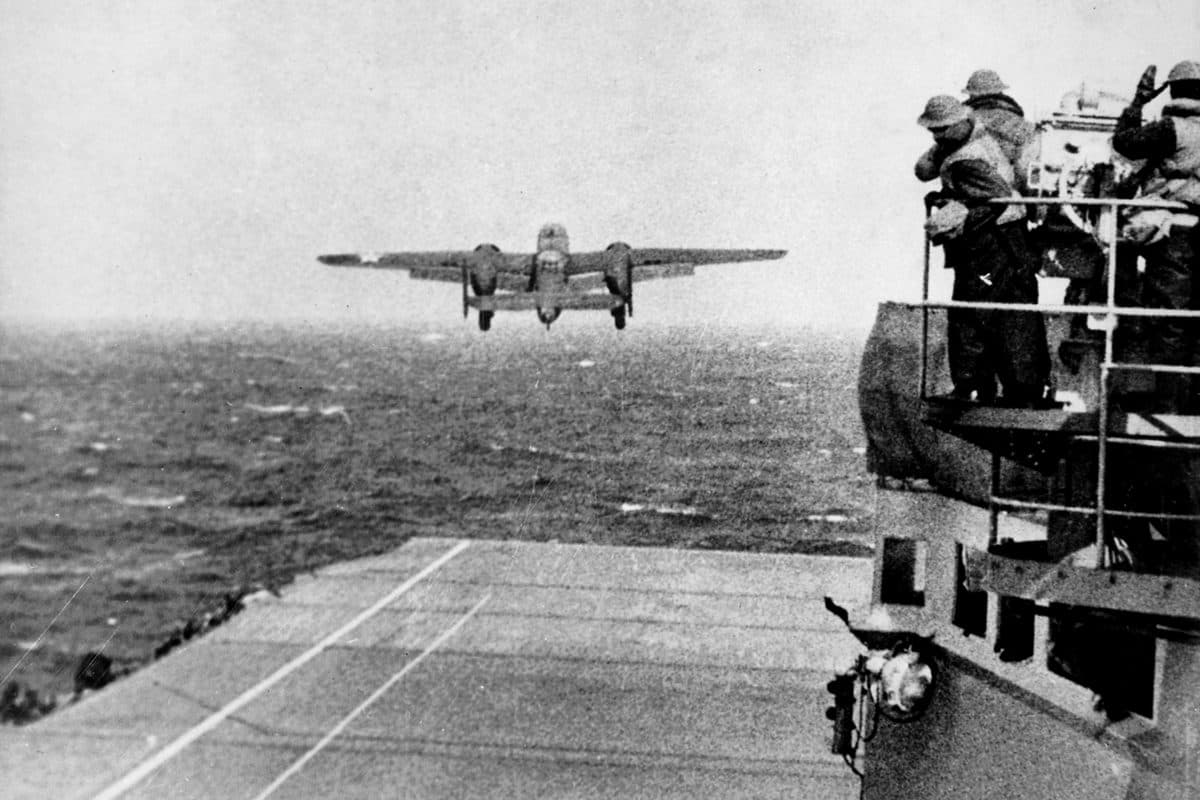
On April 18, 1942, sixteen B-25 Mitchell bombers did something no one thought possible: they launched from the deck of an aircraft carrier, flew 650 miles to Japan, and bombed Tokyo. Every aircraft was lost. The damage was negligible. The consequences changed the war.
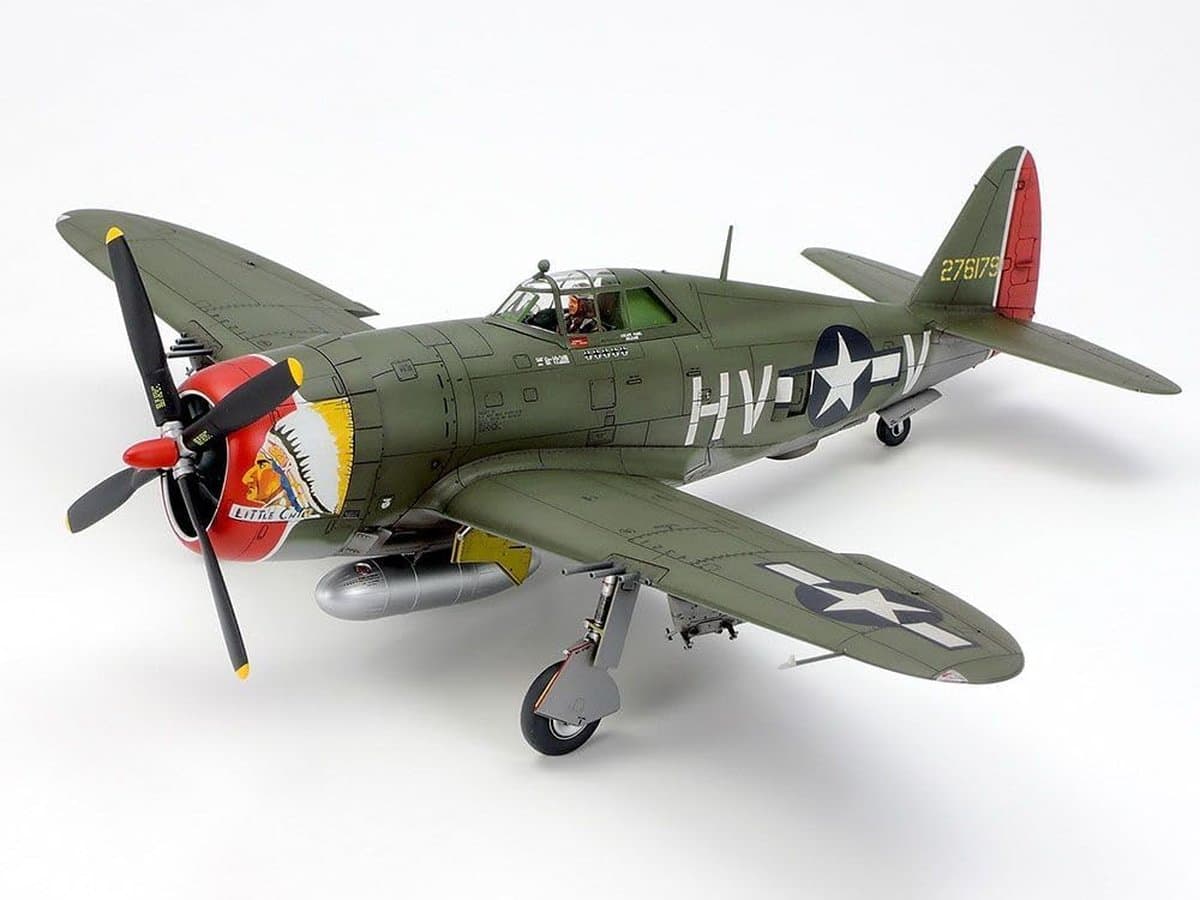
Compare 85+ WW2 scale model kits across aircraft, tanks, and ships. Beginner builds from $9 to museum-grade showpieces at $580. Covers Tamiya, Eduard, HK Models, Trumpeter, and more with honest reviews, trade-offs, and pricing.

On April 7, 1945, the Imperial Japanese Navy sent the largest battleship ever built on a one-way suicide mission to Okinawa. She never arrived. 386 American aircraft found her first, and sank her in under two hours.