Columbia-Class vs. Ohio-Class: The Navy's $130 Billion Submarine Upgrade Explained
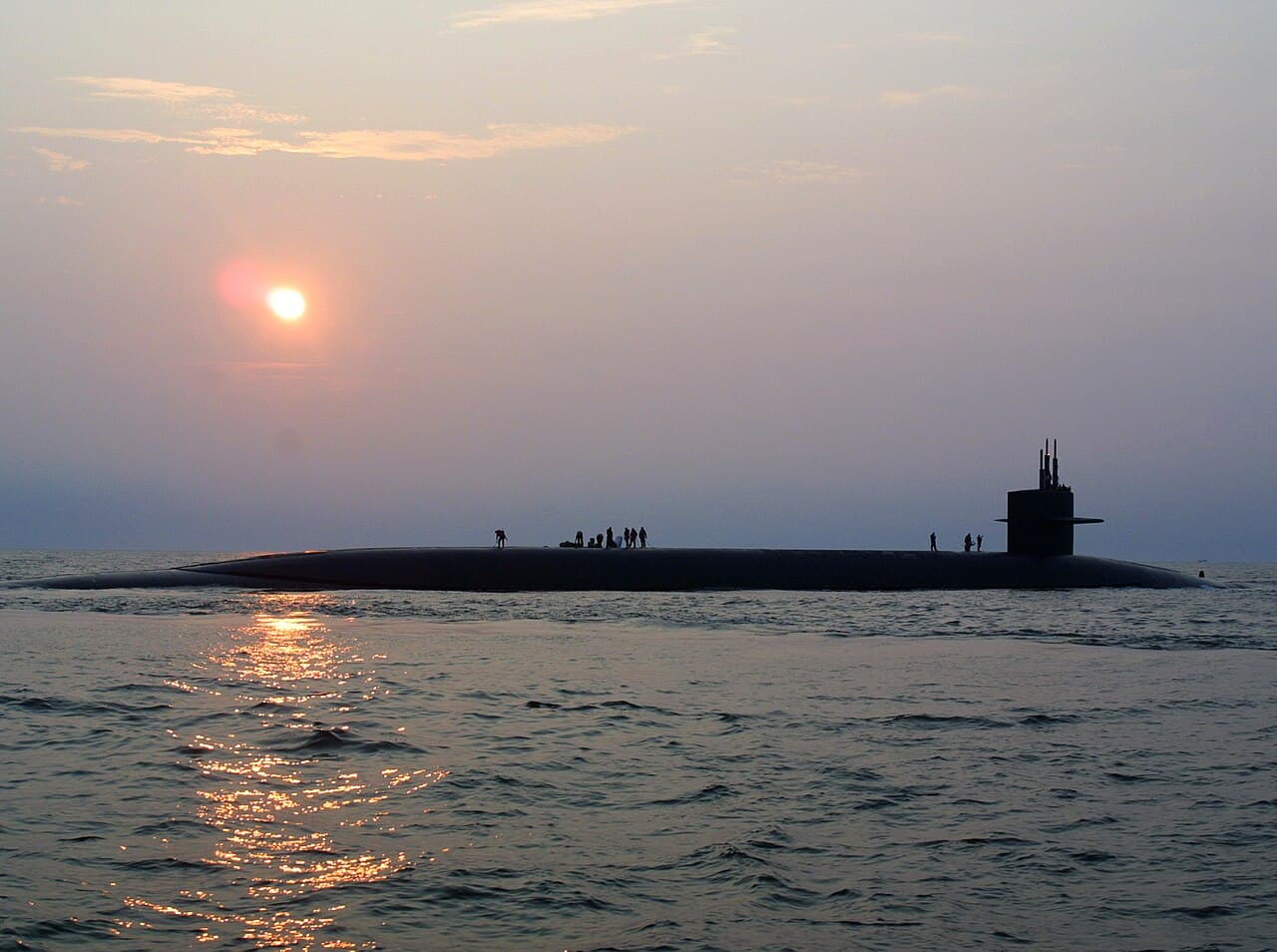
The Columbia-class will replace the aging Ohio-class as America's sea-based nuclear deterrent. Here is how the two compare and why the program matters.

The USS Nautilus (SSN-571) was commissioned at Groton, Connecticut, becoming the world's first nuclear-powered submarine and revolutionizing naval warfare forever.
Columbia-Class vs Ohio-Class SubmarinesSweden ceded its last possessions in German Pomerania east of the Oder River to Prussia, confirming Sweden's decline as a major European military power and Prussia's rise as the dominant force in northern Germany.
King Louis XVI of France was executed by guillotine in Paris, accelerating the French Revolutionary Wars that would reshape European military affairs and lead to the rise of Napoleon Bonaparte.
A combined force of British regulars and Native American warriors defeated an American force at Frenchtown on the River Raisin in Michigan Territory. The following day, Native warriors killed between 30 and 60 wounded American prisoners, an atrocity that became the rallying cry "Remember the Raisin!" for the rest of the War of 1812.
British and Australian forces captured the strategic Libyan port of Tobruk from the Italians, taking over 25,000 prisoners in the decisive North African campaign victory.
Chinese Communist forces captured the strategic town of Wonju during the Third Battle of Wonju, marking the deepest Chinese penetration into South Korea during the Korean War.
The USS Nautilus (SSN-571) was commissioned at Groton, Connecticut, becoming the world's first nuclear-powered submarine and revolutionizing naval warfare forever.
Columbia-Class vs Ohio-Class SubmarinesMamie Eisenhower smashed a bottle of champagne against the bow of USS Nautilus (SSN-571) at the Electric Boat yard in Groton, Connecticut, launching the first nuclear-powered submarine. Fitting-out would follow for another year before Nautilus became the first vessel in history to get underway on nuclear power in January 1955.
North Vietnamese forces launched a massive assault on the U.S. Marine combat base at Khe Sanh, beginning one of the longest and most controversial battles of the Vietnam War, lasting 77 days.
On his first full day in office, President Carter issued a blanket pardon to approximately 10,000 Americans who had evaded the military draft during the Vietnam War. The pardon deeply divided veterans' organizations and the American public.
U.S. Navy and FBI investigators intensified their probe into the bombing of USS Cole in Aden, Yemen, as evidence increasingly pointed to al-Qaeda operatives, presaging the 9/11 attacks.
Get daily military history, analysis, and technology delivered to your inbox.
10 military events occurred on January 21, spanning multiple centuries. Key events include: USS Nautilus Commissioned, World's First Nuclear Submarine (1954), Battle of Khe Sanh Begins (1968), Execution of King Louis XVI (1793), Battle of Frenchtown and the River Raisin Massacre (1813), USS Nautilus Launched at Groton, First Nuclear-Powered Submarine (1954).
The most significant military event on January 21 is USS Nautilus Commissioned, World's First Nuclear Submarine (1954). The USS Nautilus (SSN-571) was commissioned at Groton, Connecticut, becoming the world's first nuclear-powered submarine and revolutionizing naval warfare forever.
Notable military figures born on January 21 include Thomas "Stonewall" Jackson (1824–1863), John C. Frémont (1813–1890).
Events on January 21 span the Cold War, the Vietnam War, the Colonial & Revolutionary era, the Korean War, World War II, the Modern Era, the Interwar Period, covering 10 events across 4 centuries of military history.
Events on January 21 involve 3 branches of the U.S. and allied armed forces, reflecting the global scope of military operations throughout history.
Explore military history from the day you were born.
June 6
The Allied invasion of Normandy, the largest amphibious assault in history.
December 7
Japan attacks the U.S. Pacific Fleet, bringing America into World War II.
September 11
The deadliest terrorist attack in history transforms U.S. national security.
August 6
The first atomic bomb is dropped on a city, ushering in the nuclear age.
May 8
Nazi Germany surrenders unconditionally, ending World War II in Europe.
November 11
Armistice Day marks the end of World War I and honors all who served.
June 4
The turning point of the Pacific War as the U.S. Navy destroys four Japanese carriers.
July 4
The Declaration of Independence is adopted, sparking the American Revolution.
The Columbia-class will replace the aging Ohio-class as America's sea-based nuclear deterrent. Here is how the two compare and why the program matters.
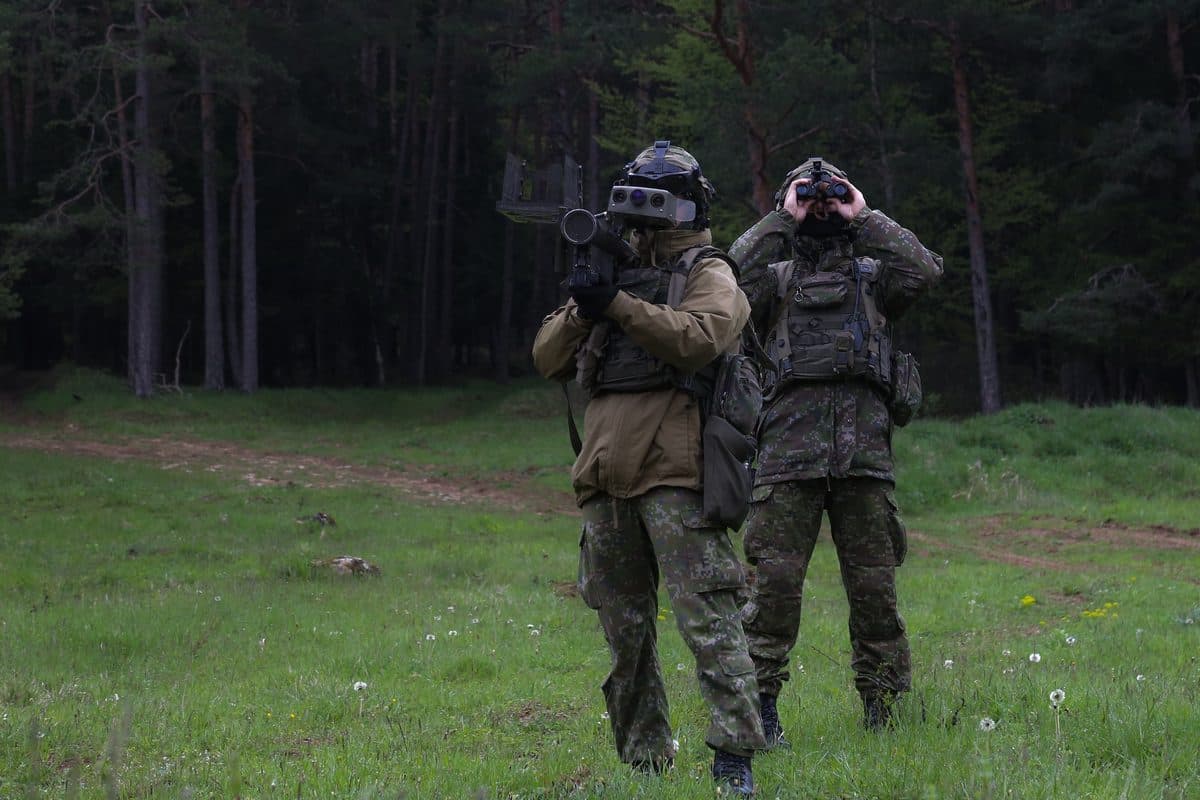
The FIM-92 Stinger helped win the Cold War by turning Afghan mujahideen into a credible anti-aircraft threat. By 2023, the United States almost ran out of them, because Raytheon stopped making them for 13 years, and the first 10 months of Ukraine support burned through the remaining stockpile.
These weapons were built to fight a war that everyone prayed would never happen. The Minuteman III has been on alert since 1970. The Typhoon-class carried enough nuclear warheads to destroy a continent. The Davy Crockett could be fired by three soldiers. Most of them have been waiting for 40 years. Here are 10 Cold War weapons built exclusively for World War III.
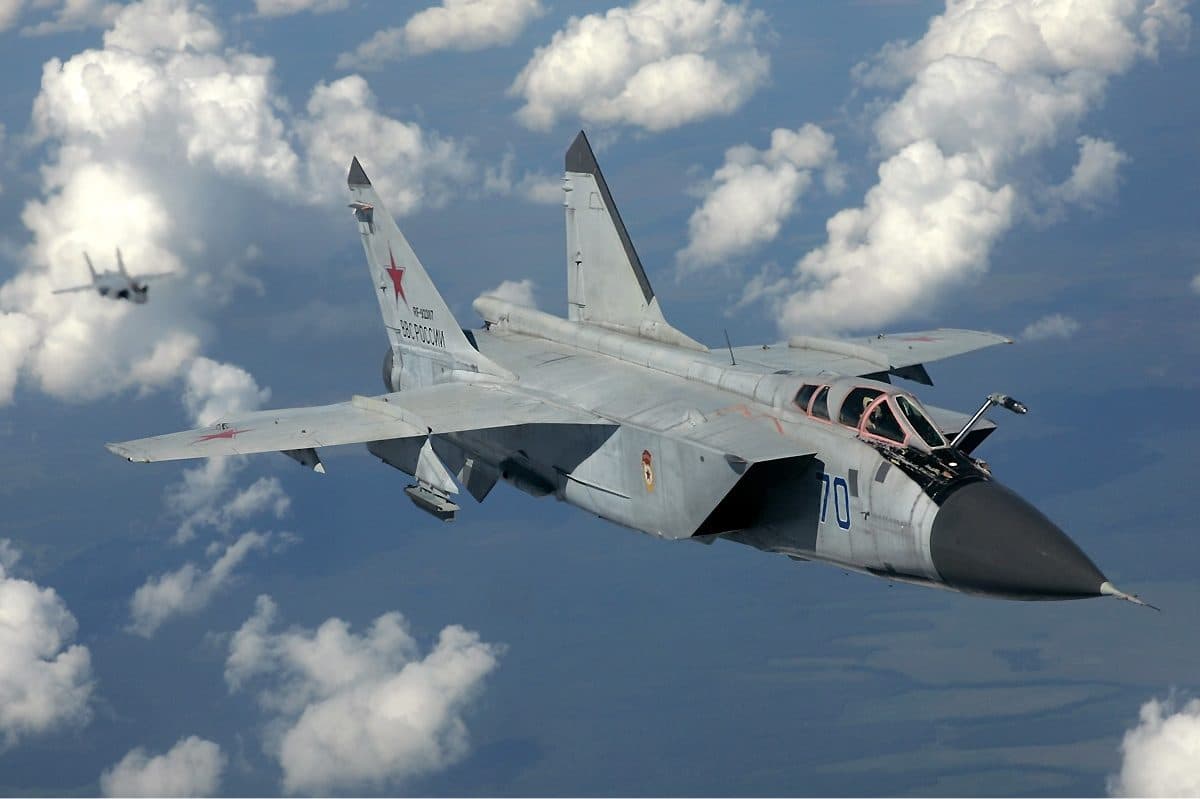
The MiG-31 was designed to catch the SR-71 Blackbird. It is still the fastest fighter in any air force. The Foxhound's Zaslon phased-array radar, the first ever installed in a fighter, can track 10 targets and engage 4 simultaneously at ranges exceeding 200 miles. Here is why Russia still flies a 1980s interceptor, and why the MiG-31BM carrying a Kinzhal hypersonic missile has changed what the aircraft means to modern warfare.