


Skip to content
May 3:British Recapture of Rangoon: The Burma Campaign Ends81yr ago

January 20 in Military History

Share:

This Day in Military History: January 20

Go to Today
Americans celebrating the release of the Iran hostages, with yellow ribbons symbolizing their long captivity
Defining Moment45 years ago

Iran Hostages Released After 444 Days

ArmyMarines· 1981

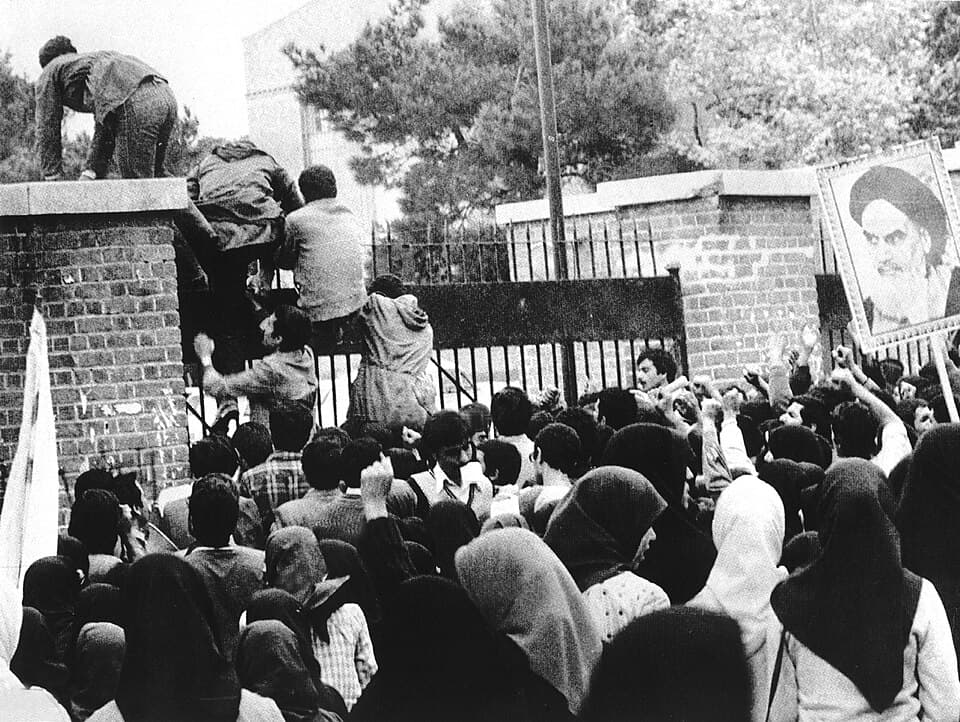
Iran released 52 American hostages who had been held captive for 444 days since the seizure of the U.S. Embassy in Tehran on November 4, 1979. The release came minutes after Ronald Reagan was inaugurated as president, in what many saw as a deliberate final humiliation of outgoing President Jimmy Carter. The crisis had destroyed Carter's presidency, triggered the failed Operation Eagle Claw rescue attempt, and reshaped American military and foreign policy.

10 events, 2 notable births, 1 notable deaths, and 5 military quotes10events2births1deaths5quotes

1200s

1265RevolutionaryArmy761 years ago

Simon de Montfort summoned the first English Parliament to include commoners alongside nobles, establishing the principle of representative government that would eventually produce the civilian control of the military central to English and later American constitutional tradition. De Montfort's parliament, though short-lived, planted the seed of parliamentary supremacy over the crown and the military.

1700s

1783RevolutionaryArmyNavyContinental243 years ago

Britain, France, and Spain signed preliminary articles of peace in Paris, formally ending hostilities in the American Revolutionary War. The agreement recognized American independence and established boundaries stretching to the Mississippi River.

1900s

1942WWIIArmy84 years ago

Senior Nazi officials met at a villa in the Berlin suburb of Wannsee to coordinate the implementation of the "Final Solution to the Jewish Question", the systematic murder of Europe's Jewish population. Chaired by SS-Obergruppenführer Reinhard Heydrich, the conference formalized the bureaucratic machinery of genocide that would murder six million Jews in death camps, gas chambers, and mass shootings.

1942WWII84 years ago

Japanese forces forced a crossing of the Muar River in Malaya, encircling and destroying the 45th Indian Brigade and elements of the Australian 2/29th Battalion. Over 3,000 Allied soldiers were killed or captured in one of the most devastating defeats of the Malayan campaign.

1945WWIIArmyNavy81 years ago

Franklin D. Roosevelt was inaugurated for an unprecedented fourth term as president, serving as commander-in-chief of the largest military force in American history. With Allied armies closing in on Germany and Japan, Roosevelt was the indispensable wartime leader, but he was visibly failing, and would be dead within three months. His fourth inauguration was a brief, austere ceremony on the White House South Portico, reflecting the wartime austerity.

1949Cold WarArmy77 years ago

President Truman announced a bold plan to provide American technical assistance and capital investment to developing nations to prevent them from falling under Soviet influence. The program became a cornerstone of Cold War containment and the precursor to modern military and economic foreign aid.

1961Cold WarArmyNavy65 years ago

John F. Kennedy was inaugurated as the 35th president and delivered one of the most memorable inaugural addresses in American history, declaring: "Ask not what your country can do for you, ask what you can do for your country." The speech, delivered at the height of the Cold War, committed the United States to the defense of liberty worldwide and signaled the aggressive military posture that would characterize Kennedy's presidency, from the Bay of Pigs to the Cuban Missile Crisis.

1981ModernArmyMarines45 years agoDefining Moment

Iran released 52 American hostages minutes after Ronald Reagan's inauguration, ending a 444-day crisis that had destroyed Carter's presidency and triggered the failed Eagle Claw rescue attempt. The crisis reshaped American special operations and Middle East policy.

1981Cold WarArmyAir ForceNavyMarines45 years ago

Minutes after Ronald Reagan was sworn in as president, Iran released the 52 American diplomats and embassy staff held hostage in Tehran for 444 days. Their departure aboard Algerian aircraft closed a crisis that spanned the failed Operation Eagle Claw and reshaped how the United States organized hostage-rescue, special operations, and counterterrorism forces.

2000s

2009ModernArmyNavyAir ForceMarines17 years ago

Barack Obama was inaugurated as the 44th president and the first African American to hold the office, becoming commander-in-chief of a military still engaged in two wars. Obama inherited the Iraq and Afghanistan conflicts, and his presidency would see the troop surge in Afghanistan, the drawdown in Iraq, the killing of Osama bin Laden, and the expansion of drone warfare.

Enjoyed this page? Share it with someone who loves military history.

Share:

Never Miss a Day in Military History

Get daily military history, analysis, and technology delivered to your inbox.

Born on This Day

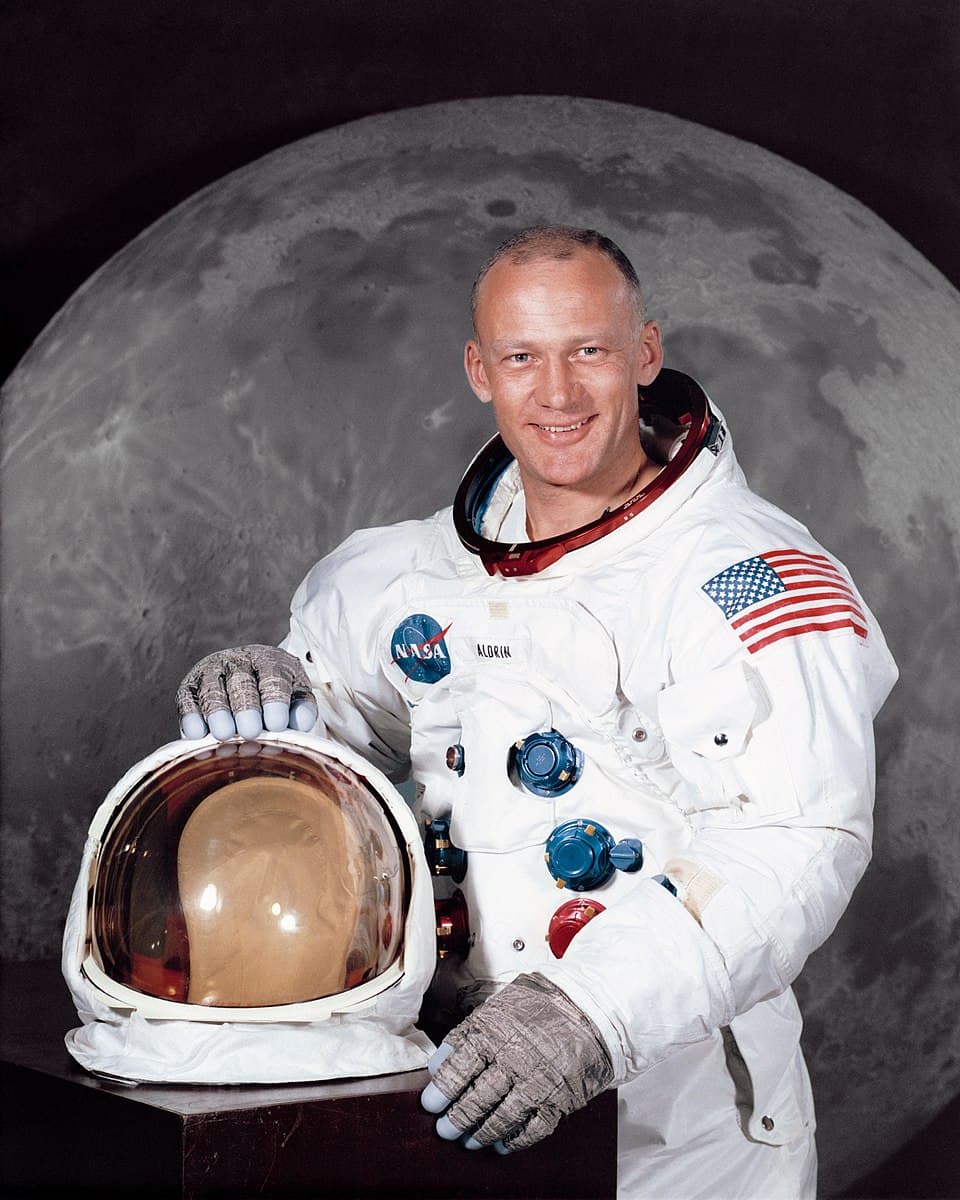
Buzz Aldrin

Buzz Aldrin

Colonel

b. 1930
Air Force

Fighter pilot who flew 66 combat missions in F-86 Sabres during the Korean War, shooting down two MiG-15s, before becoming the second person to walk on the Moon during Apollo 11. Aldrin's military career, from Korean War combat to the lunar surface, embodied the connection between military aviation and the space program that defined the Cold War technology race.

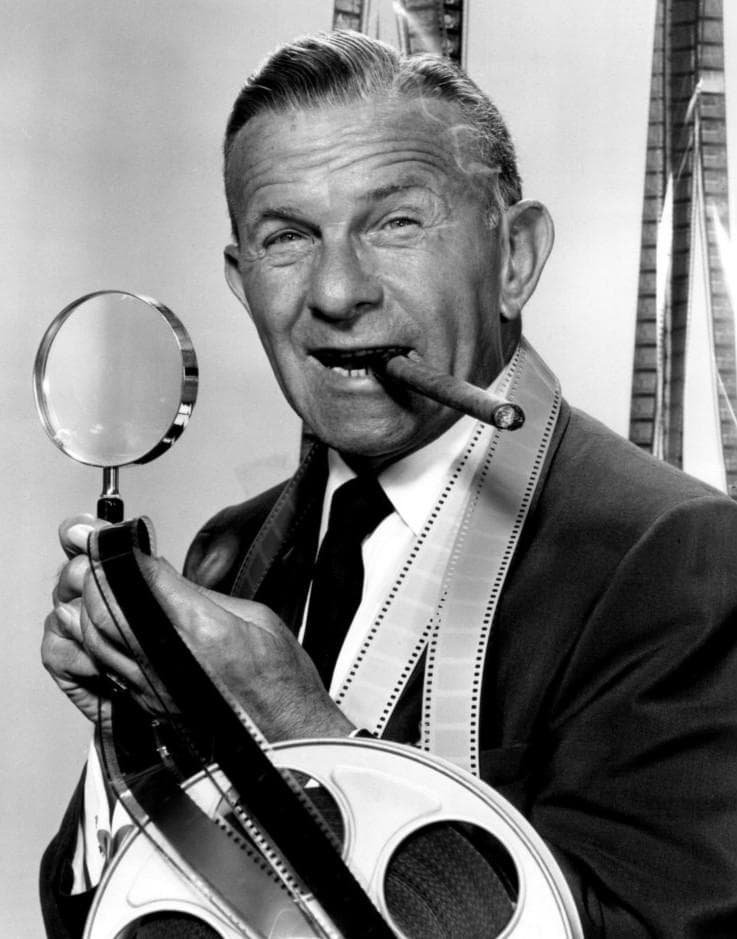
George Burns

George Burns

b. 1896

The legendary entertainer who entertained troops during both world wars and through the USO during the Korean and Vietnam Wars. Burns's century-long life spanned every major American military conflict of the twentieth century, and his commitment to performing for servicemembers made him one of the most beloved entertainers in military history.

Died on This Day

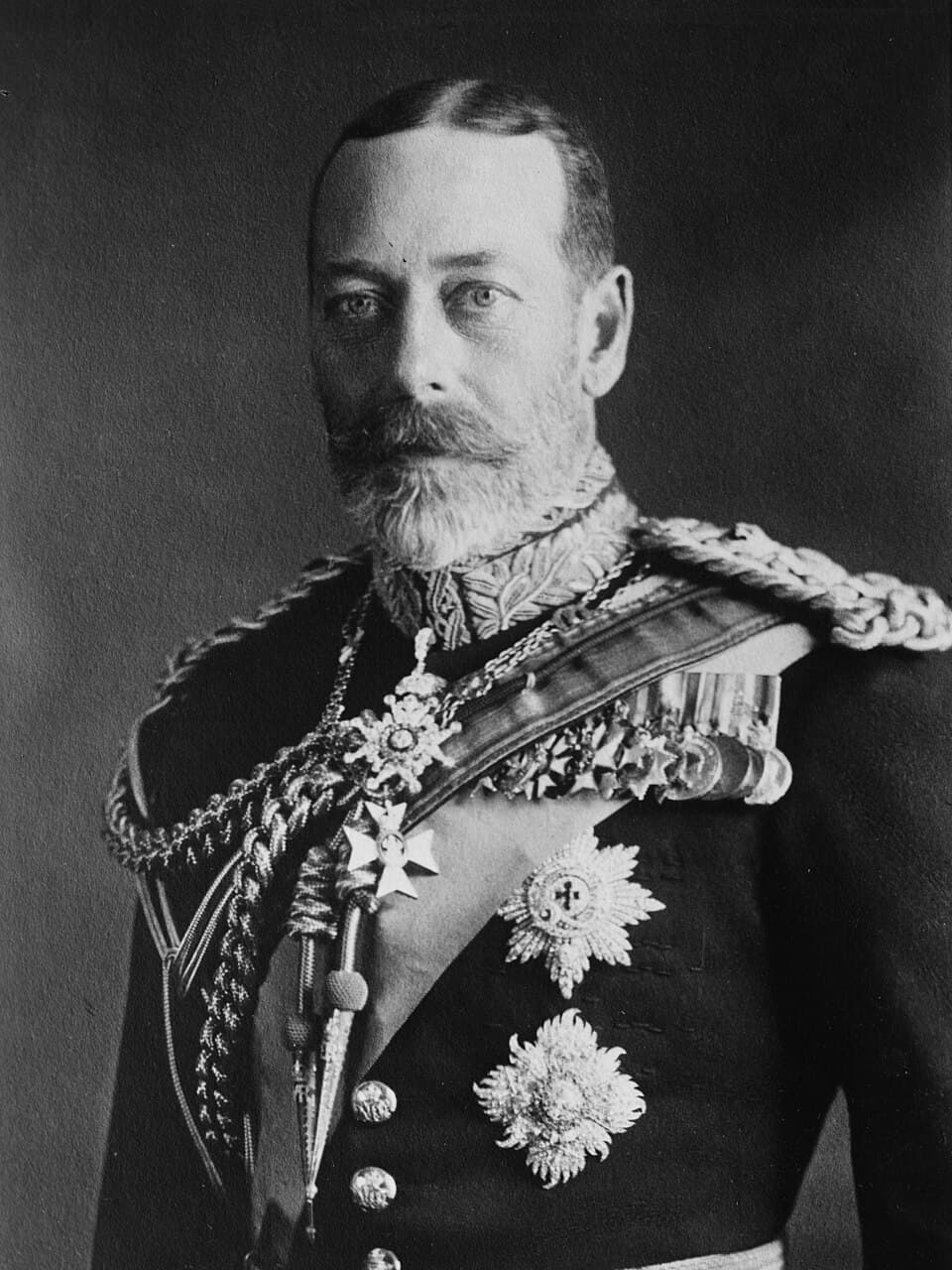
King George V

King George V

d. 1936

King of the United Kingdom during World War I, George V witnessed his nation suffer nearly one million dead in the conflict. His decision to change the royal family's name from the German "Saxe-Coburg and Gotha" to "Windsor" in 1917 reflected the anti-German sentiment that consumed Britain during the war. His cousin, Kaiser Wilhelm II, reportedly quipped that he looked forward to attending a performance of "The Merry Wives of Saxe-Coburg-Gotha."

Military Quotes

Ask not what your country can do for you, ask what you can do for your country.

John F. Kennedy

President of the United States

Kennedy's inaugural address on this day in 1961, which inspired a generation to military and public service during the Cold War., 1961

Let every nation know, whether it wishes us well or ill, that we shall pay any price, bear any burden, meet any hardship, support any friend, oppose any foe to assure the survival and success of liberty.

John F. Kennedy

President of the United States

The military commitment at the heart of Kennedy's inaugural address, which defined American foreign policy for a generation., 1961

A government is not combating terrorism by harming innocent civilians. This was an act of savagery against civilized people.

Jimmy Carter

President of the United States

Carter's response to the Iran hostage crisis, which consumed the final 444 days of his presidency., 1979

The lesson of the hostage crisis is that America must never be caught unprepared.

Ronald Reagan

President of the United States

Reagan's vow after the hostages' release, which drove the military buildup and special operations reforms of the 1980s., 1981

We will not negotiate out of fear. But we will never fear to negotiate.

John F. Kennedy

President of the United States

Kennedy's balance of military strength and diplomatic engagement, articulated in the same inaugural address., 1961

Frequently Asked Questions

What military events happened on January 20?

10 military events occurred on January 20, spanning multiple centuries. Key events include: Iran Hostages Released After 444 Days (1981), FDR Inaugurated for Unprecedented Fourth Term (1945), JFK Inaugurated, "Ask Not What Your Country Can Do for You" (1961), Wannsee Conference Plans the Holocaust (1942), Articles of Peace Signed, Britain Formally Ends Hostilities with America (1783).

What is the most significant military event on January 20?

The most significant military event on January 20 is Iran Hostages Released After 444 Days (1981). Iran released 52 American hostages who had been held captive for 444 days since the seizure of the U.S. Embassy in Tehran on November 4, 1979. The release came minutes after Ronald Reagan was inaugurated as president, in what many saw as a deliberate final humiliation of outgoing President Jimmy Carter. The crisis had destroyed Carter's presidency, triggered the failed Operation Eagle Claw rescue attempt, and reshaped American military and foreign policy.

What famous military figures were born on January 20?

Notable military figures born on January 20 include Buzz Aldrin (1930–present), George Burns (1896–1996).

What wars are represented in January 20's military timeline?

Events on January 20 span the Modern Era, World War II, the Cold War, the Colonial & Revolutionary era, covering 10 events across 4 centuries of military history.

How many military branches are represented on January 20?

Events on January 20 involve 5 branches of the U.S. and allied armed forces, reflecting the global scope of military operations throughout history.

What Happened on Your Birthday?

Explore military history from the day you were born.

Related Days by Era

Explore More Days

Related Articles