


20 Inspiring Facts About The Legendary Tuskegee Airmen
1. The Tuskegee Airmen were the first African American military aviators in the United States armed forces during World War II. 2. In December 1939 they became…
michael-trent··4 min read

President Harry S. Truman signs Executive Order 9981, declaring "there shall be equality of treatment and opportunity for all persons in the armed services without regard to race, color, religion, or national origin," ending decades of official military segregation.
The Continental Congress establishes the United States Post Office and appoints Benjamin Franklin as the first Postmaster General, creating the communication infrastructure essential for coordinating the Revolutionary War effort.
Italian carabinieri arrested Prime Minister Benito Mussolini at the Villa Savoia in Rome, ending 21 years of fascist rule. Marshal Pietro Badoglio formed a new government and began secret armistice negotiations with the Allies that culminated in the September 8, 1943, surrender of Italy.
The United States, Britain, and China issue the Potsdam Declaration demanding Japan's unconditional surrender, warning of "prompt and utter destruction", a veiled reference to the atomic bomb that had been tested just ten days earlier.
The heavy cruiser USS Indianapolis arrives at Tinian Island, completing the secret delivery of enriched uranium for the Little Boy atomic bomb. The ship would depart Tinian and be torpedoed four days later.
President Truman signs the National Security Act of 1947, creating the Department of Defense, the Central Intelligence Agency, the Joint Chiefs of Staff, and the National Security Council, restructuring America's entire national security apparatus for the Cold War.
President Harry S. Truman signs Executive Order 9981, declaring "there shall be equality of treatment and opportunity for all persons in the armed services without regard to race, color, religion, or national origin," ending decades of official military segregation.
20 Facts About the Tuskegee AirmenFidel Castro leads 160 rebels in an assault on the Moncada Barracks in Santiago de Cuba, beginning the Cuban Revolution. Though the attack failed militarily, it launched Castro's rise to power and reshaped Cold War dynamics in the Western Hemisphere.
Apollo 15 launched from Kennedy Space Center on a Saturn V rocket, carrying astronauts David Scott, Alfred Worden, and James Irwin on the first extended J-mission scientific exploration. The mission introduced the Lunar Roving Vehicle and extended surface stays that shaped later mission design for Apollo 16 and 17.
U.S. intelligence reporting on July 26, 1990, documented Iraqi Republican Guard armored divisions concentrating at Jahra and the Umm Qasr border area. The movements were the final pre-invasion positioning before the August 2 attack on Kuwait and produced the intelligence-assessment controversy that reshaped U.S. indicator-and-warning processes.
The U.S. Air Force's X-37B Orbital Test Vehicle 5 landed at Kennedy Space Center after a record 780-day mission, returning to earth a classified payload after the longest flight of the reusable spaceplane program. The mission set the precedent for long-duration on-orbit testing that now defines Space Force experimental systems.
Wear the Timeline
10 military events occurred on July 26, spanning multiple centuries. Key events include: Executive Order 9981, Truman Desegregates the Armed Forces (1948), National Security Act Signed (1947), Potsdam Declaration Issued (1945), Mussolini Arrested, Italian Armistice Negotiations Begin (1943), Iraqi Forces Begin Final Pre-Invasion Concentration Near Kuwait Border (1990).
The most significant military event on July 26 is Executive Order 9981, Truman Desegregates the Armed Forces (1948). President Harry S. Truman signs Executive Order 9981, declaring "there shall be equality of treatment and opportunity for all persons in the armed services without regard to race, color, religion, or national origin," ending decades of official military segregation.
Notable military figures born on July 26 include George Clinton (1739–1812).
Events on July 26 span the Cold War, World War II, the Colonial & Revolutionary era, the Modern Era, covering 10 events across 3 centuries of military history.
Events on July 26 involve 7 branches of the U.S. and allied armed forces, reflecting the global scope of military operations throughout history.
Explore military history from the day you were born.
February 6
1952
February 11
1990
February 20
1962
February 28
1953
June 6
The Allied invasion of Normandy, the largest amphibious assault in history.
December 7
Japan attacks the U.S. Pacific Fleet, bringing America into World War II.
September 11
The deadliest terrorist attack in history transforms U.S. national security.
August 6
The first atomic bomb is dropped on a city, ushering in the nuclear age.
May 8
Nazi Germany surrenders unconditionally, ending World War II in Europe.
November 11
Armistice Day marks the end of World War I and honors all who served.
June 4
The turning point of the Pacific War as the U.S. Navy destroys four Japanese carriers.
July 4
The Declaration of Independence is adopted, sparking the American Revolution.
1. The Tuskegee Airmen were the first African American military aviators in the United States armed forces during World War II. 2. In December 1939 they became…
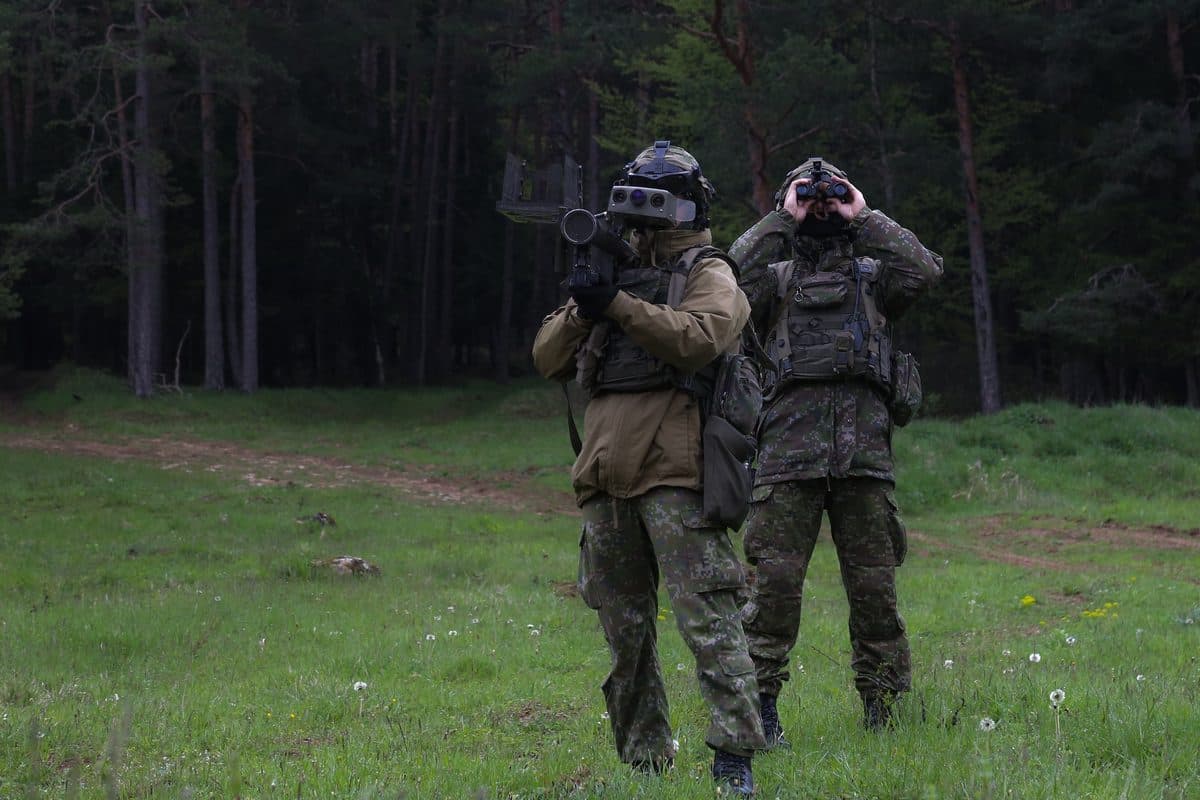
The FIM-92 Stinger helped win the Cold War by turning Afghan mujahideen into a credible anti-aircraft threat. By 2023, the United States almost ran out of them, because Raytheon stopped making them for 13 years, and the first 10 months of Ukraine support burned through the remaining stockpile.
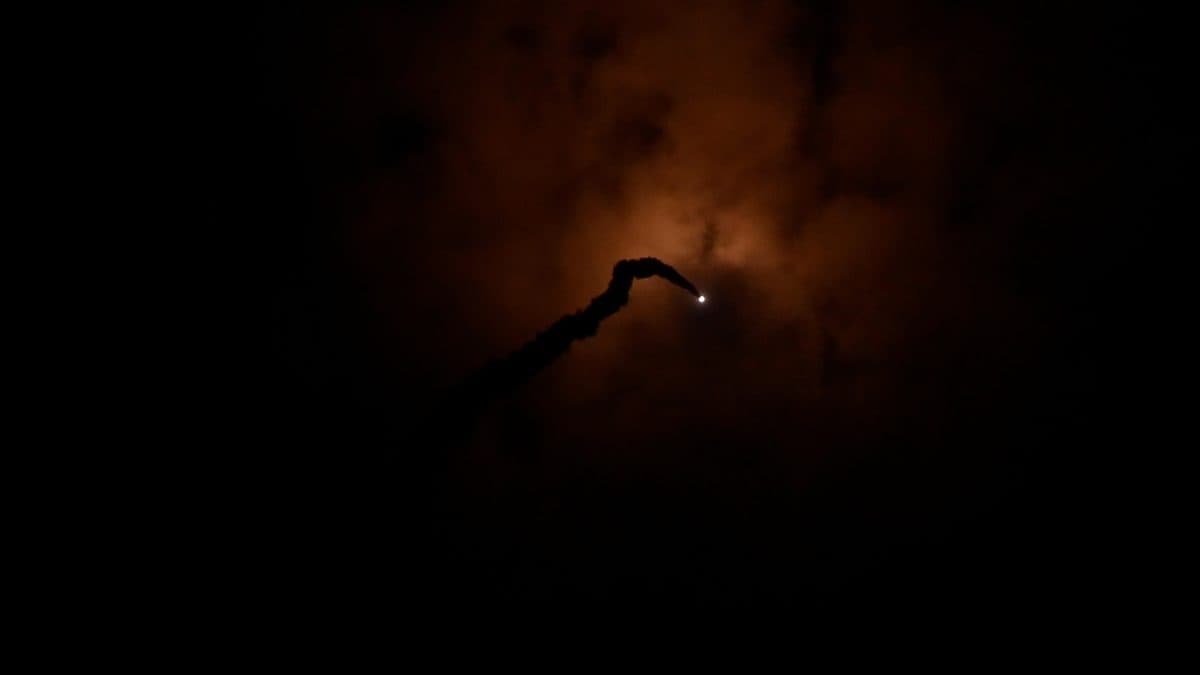
These weapons were built to fight a war that everyone prayed would never happen. The Minuteman III has been on alert since 1970. The Typhoon-class carried enough nuclear warheads to destroy a continent. The Davy Crockett could be fired by three soldiers. Most of them have been waiting for 40 years. Here are 10 Cold War weapons built exclusively for World War III.
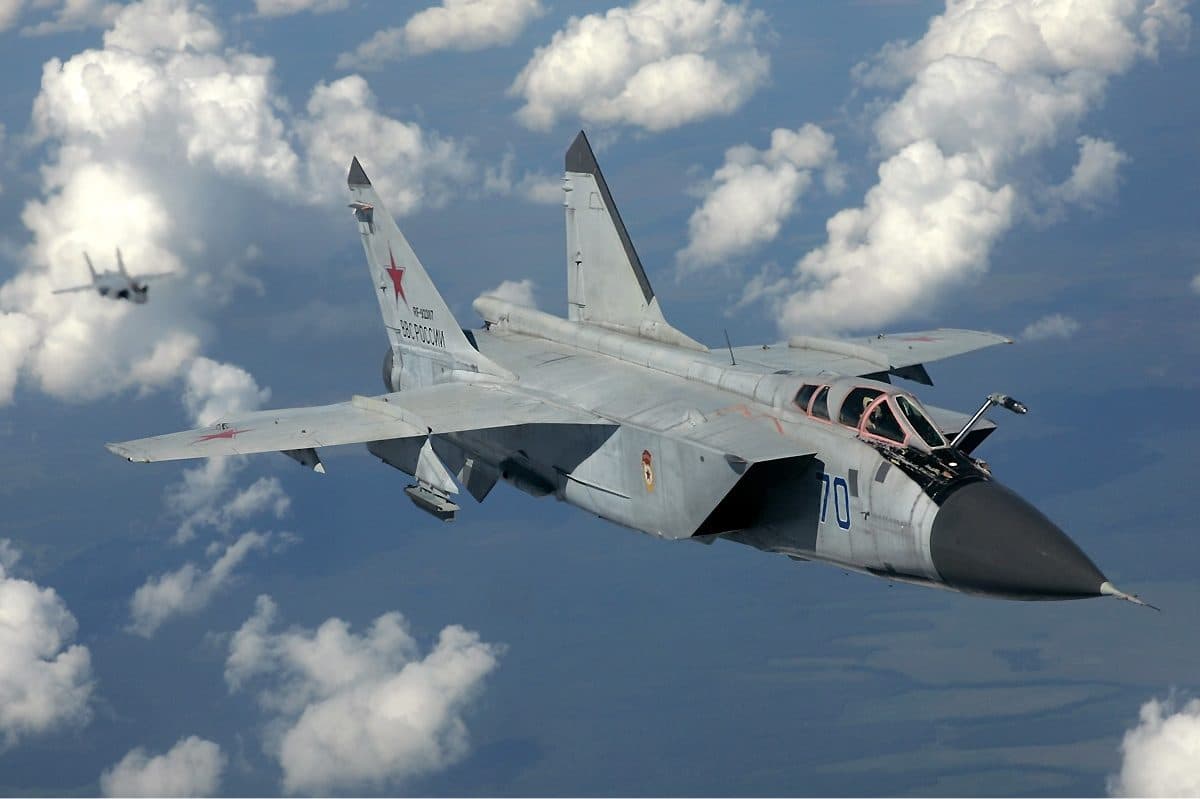
The MiG-31 was designed to catch the SR-71 Blackbird. It is still the fastest fighter in any air force. The Foxhound's Zaslon phased-array radar, the first ever installed in a fighter, can track 10 targets and engage 4 simultaneously at ranges exceeding 200 miles. Here is why Russia still flies a 1980s interceptor, and why the MiG-31BM carrying a Kinzhal hypersonic missile has changed what the aircraft means to modern warfare.