

15 Best World War II Books for History Enthusiasts (2026)
15 essential WW2 books covering every theater. Narrative histories, memoirs, and visual references ranked.
daniel-mercer··21 min read
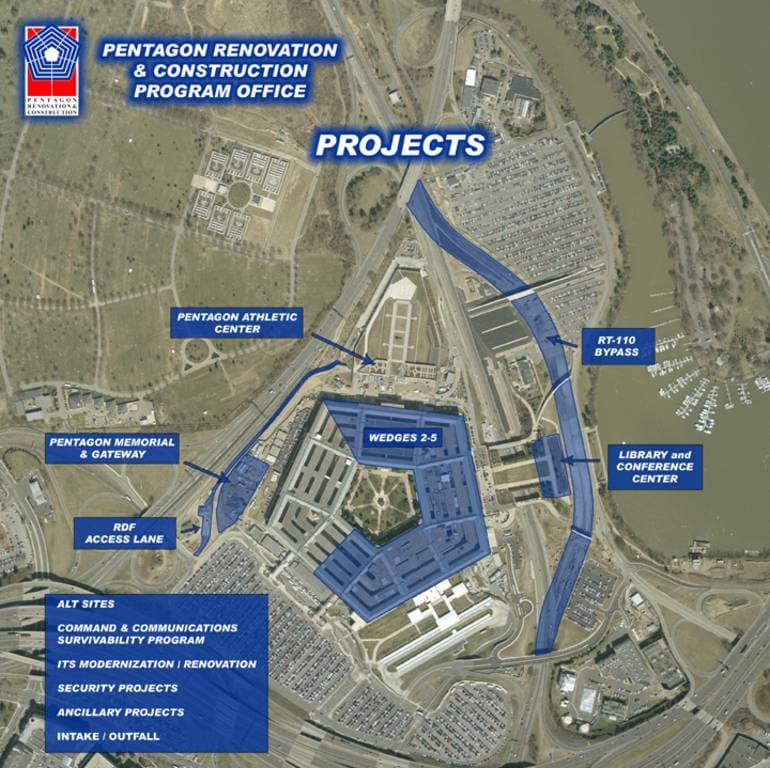
The Pentagon, the world's largest office building, was completed in Arlington, Virginia, after just 16 months of construction. Built to consolidate the War Department's scattered offices across Washington, the five-sided building housed 23,000 military and civilian employees and became the iconic symbol of American military power. Its construction during the darkest days of World War II demonstrated the industrial capacity that would ultimately win the war.
Elizabeth I was crowned at Westminster Abbey, beginning a 45-year reign that transformed England from a minor European power into a maritime superpower. Elizabeth's reign saw the defeat of the Spanish Armada in 1588, the founding of the Royal Navy as a permanent institution, and the beginning of English colonial expansion that would eventually create the British Empire.
After a two-day combined naval bombardment and infantry assault, Union forces captured Fort Fisher at the mouth of the Cape Fear River in North Carolina. The fall of the Confederacy's last major seaport closed Wilmington to blockade runners and severed the final supply lifeline sustaining Lee's army.
Thomas Nast published the first political cartoon depicting the Democratic Party as a donkey in Harper's Weekly. Nast's cartoons, which also established the Republican elephant and the modern image of Uncle Sam, were powerful instruments of political warfare during and after the Civil War, shaping public opinion on military policy, Reconstruction, and veterans' affairs.
A massive storage tank of molasses burst in Boston's North End, sending a 25-foot wave of 2.3 million gallons of molasses through the streets at 35 mph, killing 21 people and injuring 150. The molasses had been stored for producing industrial alcohol for munitions during World War I, and the disaster was caused by a poorly constructed tank rushed to completion to process wartime materials before Prohibition took effect.
The Pentagon, the world's largest office building, was completed in just 16 months. Housing 23,000 employees, it became the nerve center of American military power and the iconic symbol of U.S. defense capability.
The 1st Ukrainian Front under Marshal Ivan Konev launched its attack from the Baranow bridgehead on the Vistula River, deploying over 1.1 million troops against German Army Group A. Within four days, Soviet forces advanced over 100 miles, shattering the German defensive line and opening the road to Silesia.
Biafran Chief of Staff Philip Effiong signed an unconditional surrender at the Lagos headquarters of the Nigerian federal government, ending the thirty-month civil war that had killed an estimated one to two million people, most from starvation. The war was the first major African conflict fought with Soviet and British-supplied jet aircraft, armor, and a total blockade.
President Nixon ordered the suspension of all offensive military operations against North Vietnam, citing progress in the Paris Peace negotiations. The announcement followed the devastating Operation Linebacker II bombing campaign and preceded the Paris Peace Accords by twelve days, marking the beginning of the end of direct American military involvement in the Vietnam War.
CIA Director William Webster delivered a classified briefing to Congressional leaders on Iraqi military capabilities just hours before the UN deadline for Iraqi withdrawal from Kuwait expired. His assessment that coalition air power could devastate Iraq's command and control within days helped solidify Congressional resolve.
Captain Chesley "Sully" Sullenberger, a former Air Force fighter pilot, safely ditched US Airways Flight 1549 in the Hudson River after both engines were disabled by a bird strike. All 155 passengers and crew survived. Sullenberger credited his Air Force training and years of flying F-4 Phantoms with giving him the calm under pressure that saved 155 lives.

The leader of the American civil rights movement whose nonviolent protest strategy drew directly on the moral authority of Black military service. King argued that men who had fought for freedom abroad in two world wars, Korea, and Vietnam deserved equal rights at home, and his assassination during the Vietnam War era deepened the military's reckoning with racial justice.

Hungarian-American physicist known as the "father of the hydrogen bomb" who worked on the Manhattan Project before championing the development of thermonuclear weapons. Teller's controversial testimony against Robert Oppenheimer and his tireless advocacy for nuclear weapons testing and missile defense profoundly shaped Cold War military strategy.

Polish-German revolutionary socialist who co-founded the Spartacist League and led the January 1919 Berlin uprising against the Weimar Republic. She was captured and executed by Freikorps soldiers on this day, her body thrown into the Landwehr Canal. Her murder, along with Karl Liebknecht's, exemplified the political violence of the German Freikorps that would later evolve into Nazi paramilitary formations.
Wear the Timeline
10 military events occurred on January 15, spanning multiple centuries. Key events include: Pentagon Building Completed (1943), Elizabeth I Crowned Queen of England (1559), Nixon Suspends All Offensive Operations in Vietnam (1973), Soviet Forces Launch the Vistula-Oder Offensive from the Baranow Bridgehead (1945), Fort Fisher Falls to Union Amphibious Assault (1865).
The most significant military event on January 15 is Pentagon Building Completed (1943). The Pentagon, the world's largest office building, was completed in Arlington, Virginia, after just 16 months of construction. Built to consolidate the War Department's scattered offices across Washington, the five-sided building housed 23,000 military and civilian employees and became the iconic symbol of American military power. Its construction during the darkest days of World War II demonstrated the industrial capacity that would ultimately win the war.
Notable military figures born on January 15 include Martin Luther King Jr. (1929–1968), Edward Teller (1908–2003).
Events on January 15 span World War II, the Colonial & Revolutionary era, the Vietnam War, the Civil War, the Modern Era, World War I, the Cold War, covering 10 events across 4 centuries of military history.
Events on January 15 involve 4 branches of the U.S. and allied armed forces, reflecting the global scope of military operations throughout history.
Explore military history from the day you were born.
June 6
The Allied invasion of Normandy, the largest amphibious assault in history.
December 7
Japan attacks the U.S. Pacific Fleet, bringing America into World War II.
September 11
The deadliest terrorist attack in history transforms U.S. national security.
August 6
The first atomic bomb is dropped on a city, ushering in the nuclear age.
May 8
Nazi Germany surrenders unconditionally, ending World War II in Europe.
November 11
Armistice Day marks the end of World War I and honors all who served.
June 4
The turning point of the Pacific War as the U.S. Navy destroys four Japanese carriers.
July 4
The Declaration of Independence is adopted, sparking the American Revolution.
15 essential WW2 books covering every theater. Narrative histories, memoirs, and visual references ranked.
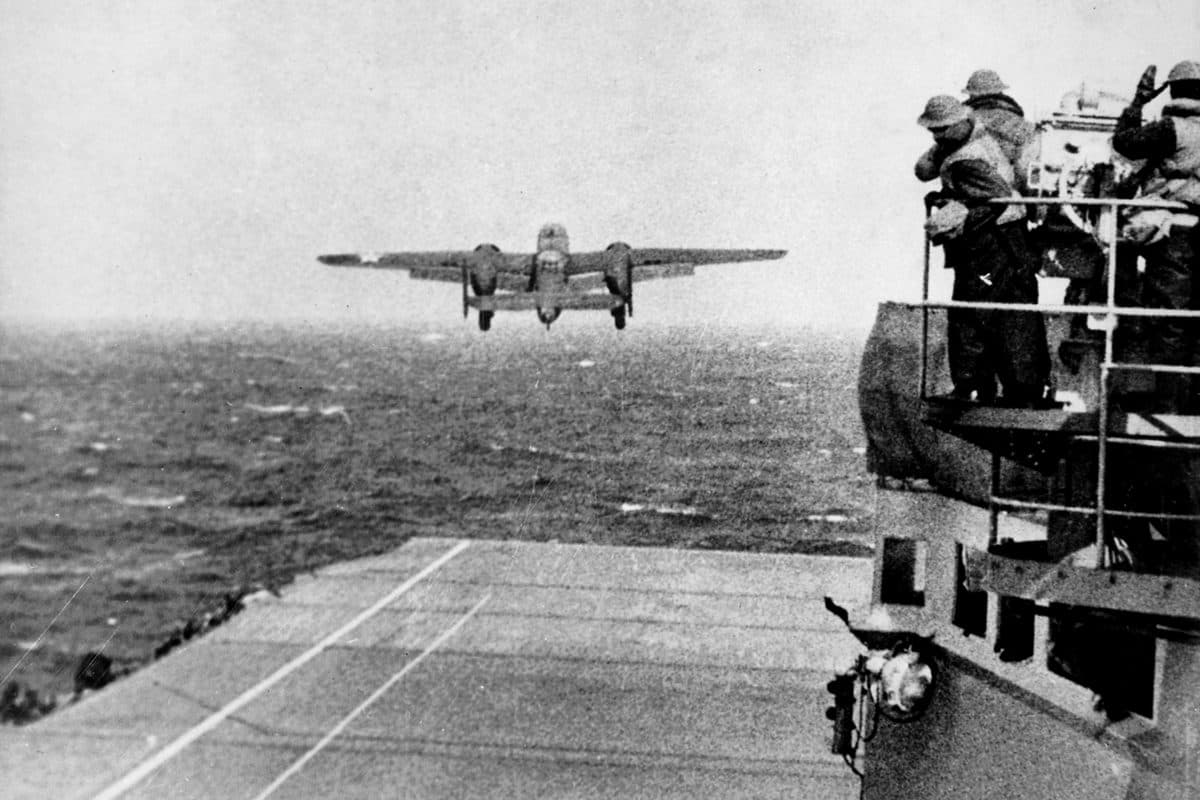
On April 18, 1942, sixteen B-25 Mitchell bombers did something no one thought possible: they launched from the deck of an aircraft carrier, flew 650 miles to Japan, and bombed Tokyo. Every aircraft was lost. The damage was negligible. The consequences changed the war.
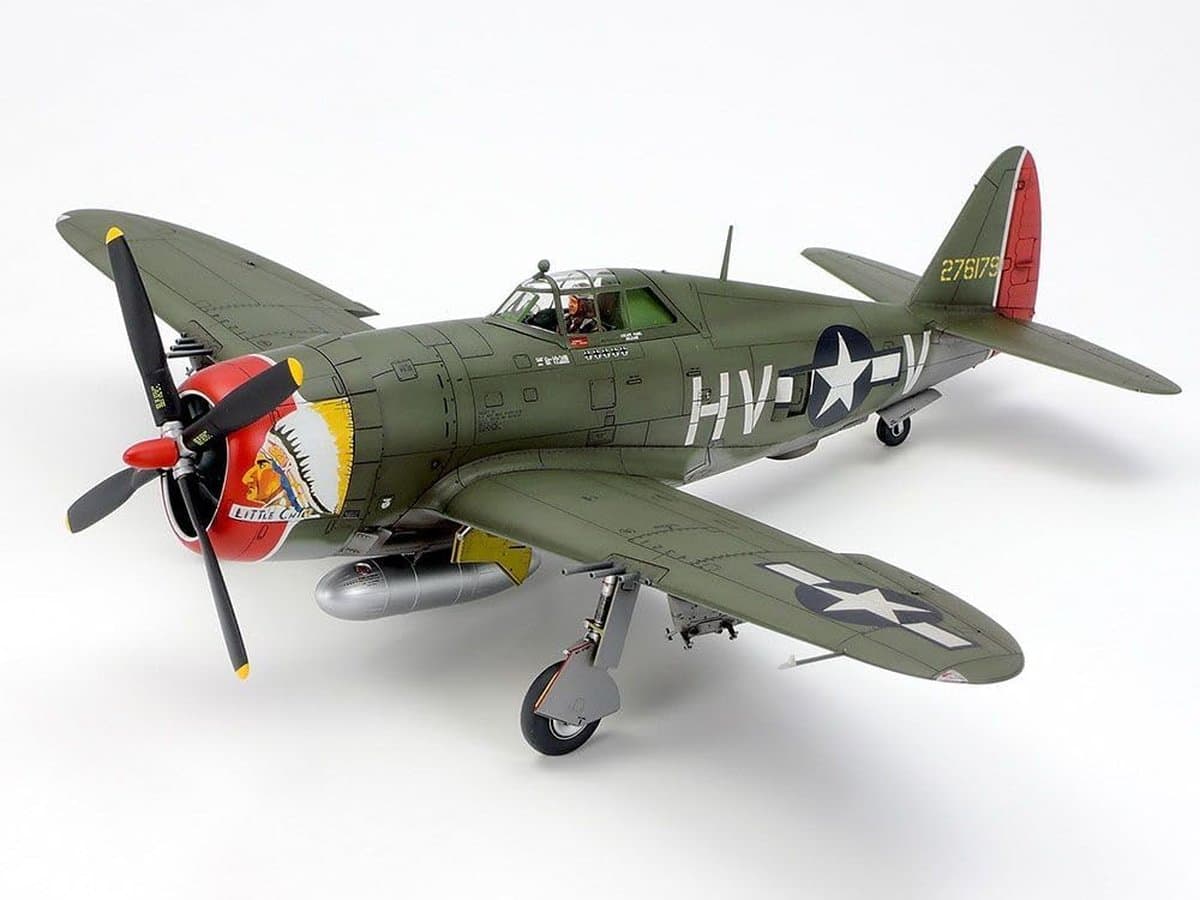
Compare 85+ WW2 scale model kits across aircraft, tanks, and ships. Beginner builds from $9 to museum-grade showpieces at $580. Covers Tamiya, Eduard, HK Models, Trumpeter, and more with honest reviews, trade-offs, and pricing.

On April 7, 1945, the Imperial Japanese Navy sent the largest battleship ever built on a one-way suicide mission to Okinawa. She never arrived. 386 American aircraft found her first, and sank her in under two hours.