


Here Is Every One Of The Active Aircraft Carriers In The World
All in all, there are 19 active aircraft carriers around the world. As you’ll see in this article, the vast majority of those belong to the United States. However, there…

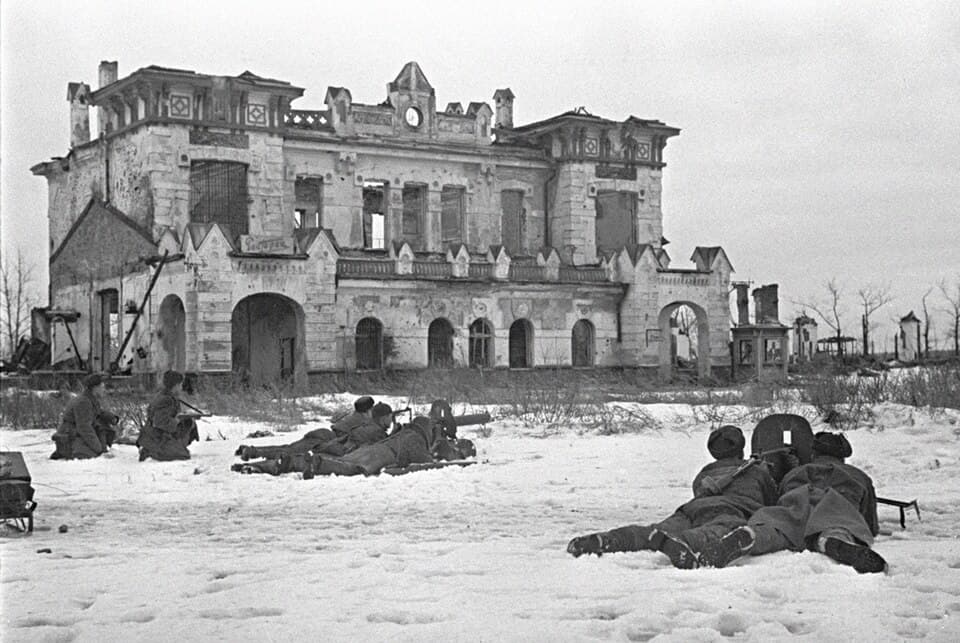
Soviet forces from the Leningrad and Volkhov Fronts linked up near Workers' Settlement No. 1 on the southern shore of Lake Ladoga, breaking the German blockade of Leningrad that had starved the city for 872 days. Operation Iskra ("Spark") opened a narrow land corridor just six miles wide, allowing limited supplies to reach the besieged city by rail for the first time since September 1941.
Captain James Cook became the first European to reach the Hawaiian Islands, which he named the "Sandwich Islands." Cook's discovery opened the Pacific to European and American military interests and began Hawaii's transformation from an isolated Polynesian kingdom into the strategic hub of American Pacific military power, a transformation that culminated in the attack on Pearl Harbor 163 years later.
John Tyler, the tenth President of the United States, died in Richmond, Virginia, as a member of the Confederate Provisional Congress. Tyler remains the only former U.S. president to have served in an enemy government, and his death was not officially acknowledged in Washington for over fifty years.
King Wilhelm I of Prussia was proclaimed German Emperor in the Hall of Mirrors at the Palace of Versailles, unifying the German states into a single nation following Prussia's victory in the Franco-Prussian War. The deliberate humiliation of proclaiming a German Empire in France's most symbolic building created a grievance that would fester for decades and contribute to the outbreak of World War I.
Pilot Eugene Ely landed a Curtiss pusher biplane on a specially built platform on the cruiser USS Pennsylvania in San Francisco Bay, the first aircraft landing on a ship. The demonstration proved the feasibility of shipboard aviation and launched the development of the aircraft carrier, which would become the dominant weapon of naval warfare by World War II.
Active Aircraft CarriersThe Paris Peace Conference opened at the Palace of Versailles, beginning months of negotiations that would redraw the map of Europe, the Middle East, and the colonial world. The conference, dominated by the "Big Four", Wilson, Clemenceau, Lloyd George, and Orlando, produced the Treaty of Versailles and the League of Nations, but its punitive terms toward Germany sowed the seeds of World War II.
Winston Churchill formally proposed to his War Cabinet the concept that would evolve into Operation Torch, the Allied invasion of French North Africa. Churchill argued the attack would draw German forces from the Eastern Front, secure the Mediterranean, and provide a springboard for invading Southern Europe.
Soviet forces broke the German blockade of Leningrad after 506 days, opening a narrow land corridor that allowed limited supplies to reach the starving city. The siege, which killed approximately 1.5 million people, was the deadliest in human history.
Soviet forces of the Leningrad and Volkhov Fronts linked up near Workers Settlement Number 5, punching a narrow land corridor into the city after 16 months of siege. Operation Iskra opened a rail lifeline under German artillery fire, ending full encirclement even as the siege itself continued for another year.
The Chinese People's Volunteer Army launched a massive offensive across the 38th Parallel aimed at destroying United Nations forces in central Korea. The offensive drove UN troops south of Wonju before fierce American resistance and devastating airpower brought the advance to a halt.
Iraq launched Scud ballistic missiles at Israel and Saudi Arabia in response to the start of Operation Desert Storm, attempting to draw Israel into the war and fracture the Arab-Western coalition. The attacks killed civilians in Tel Aviv and Riyadh, but intense American diplomatic pressure, combined with the deployment of Patriot missile batteries, prevented Israeli retaliation.
Hypersonic Weapons ExplainedGet daily military history, analysis, and technology delivered to your inbox.
10 military events occurred on January 18, spanning multiple centuries. Key events include: Operation Iskra Breaks the Siege of Leningrad (1943), Captain Cook Reaches the Hawaiian Islands (1778), German Empire Proclaimed at Versailles (1871), First Aircraft Landing on a Ship (1911), Paris Peace Conference Opens at Versailles (1919).
The most significant military event on January 18 is Operation Iskra Breaks the Siege of Leningrad (1943). Soviet forces from the Leningrad and Volkhov Fronts linked up near Workers' Settlement No. 1 on the southern shore of Lake Ladoga, breaking the German blockade of Leningrad that had starved the city for 872 days. Operation Iskra ("Spark") opened a narrow land corridor just six miles wide, allowing limited supplies to reach the besieged city by rail for the first time since September 1941.
Notable military figures born on January 18 include Daniel Webster (1782–1852), A.A. Milne (1882–1956).
Events on January 18 span World War II, the Colonial & Revolutionary era, the Interwar Period, World War I, the Modern Era, the Civil War, the Korean War, covering 10 events across 3 centuries of military history.
Events on January 18 involve 3 branches of the U.S. and allied armed forces, reflecting the global scope of military operations throughout history.
Explore military history from the day you were born.
June 6
The Allied invasion of Normandy, the largest amphibious assault in history.
December 7
Japan attacks the U.S. Pacific Fleet, bringing America into World War II.
September 11
The deadliest terrorist attack in history transforms U.S. national security.
August 6
The first atomic bomb is dropped on a city, ushering in the nuclear age.
May 8
Nazi Germany surrenders unconditionally, ending World War II in Europe.
November 11
Armistice Day marks the end of World War I and honors all who served.
June 4
The turning point of the Pacific War as the U.S. Navy destroys four Japanese carriers.
July 4
The Declaration of Independence is adopted, sparking the American Revolution.
All in all, there are 19 active aircraft carriers around the world. As you’ll see in this article, the vast majority of those belong to the United States. However, there…
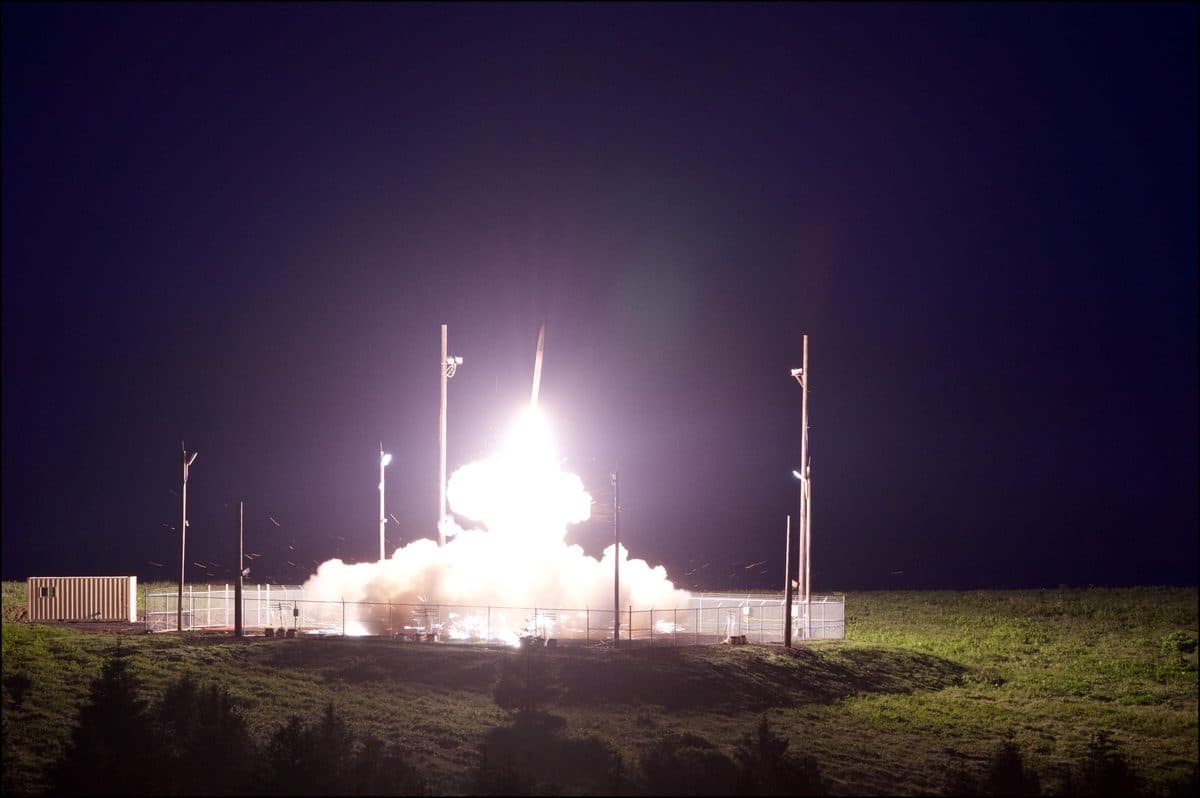
The U.S. Dark Eagle missed its 2025 deadline. Russia's Kinzhal was intercepted by a Patriot. China's DF-27 is nearing operational status. Here's where every major hypersonic program actually stands in 2026, with no hype and just verified data.
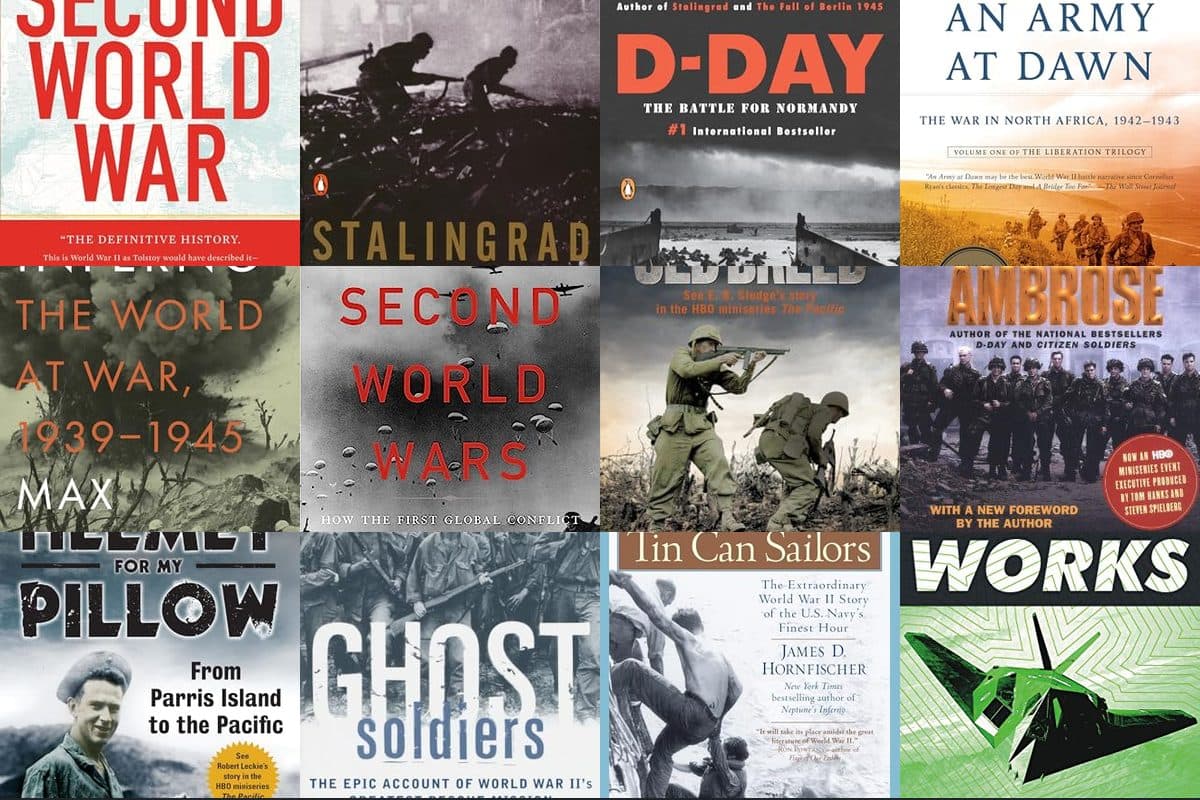
15 essential WW2 books covering every theater. Narrative histories, memoirs, and visual references ranked.
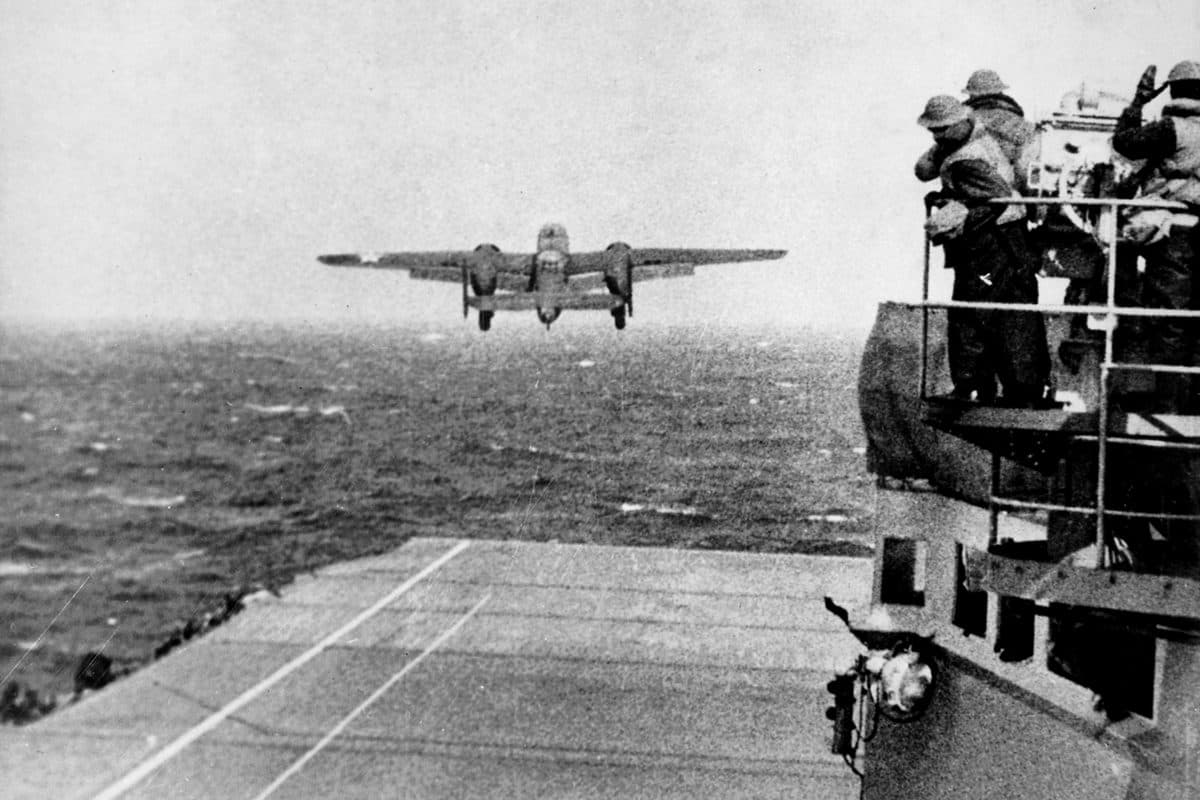
On April 18, 1942, sixteen B-25 Mitchell bombers did something no one thought possible: they launched from the deck of an aircraft carrier, flew 650 miles to Japan, and bombed Tokyo. Every aircraft was lost. The damage was negligible. The consequences changed the war.