


15 Best World War II Books for History Enthusiasts (2026)
15 essential WW2 books covering every theater. Narrative histories, memoirs, and visual references ranked.
daniel-mercer··21 min read
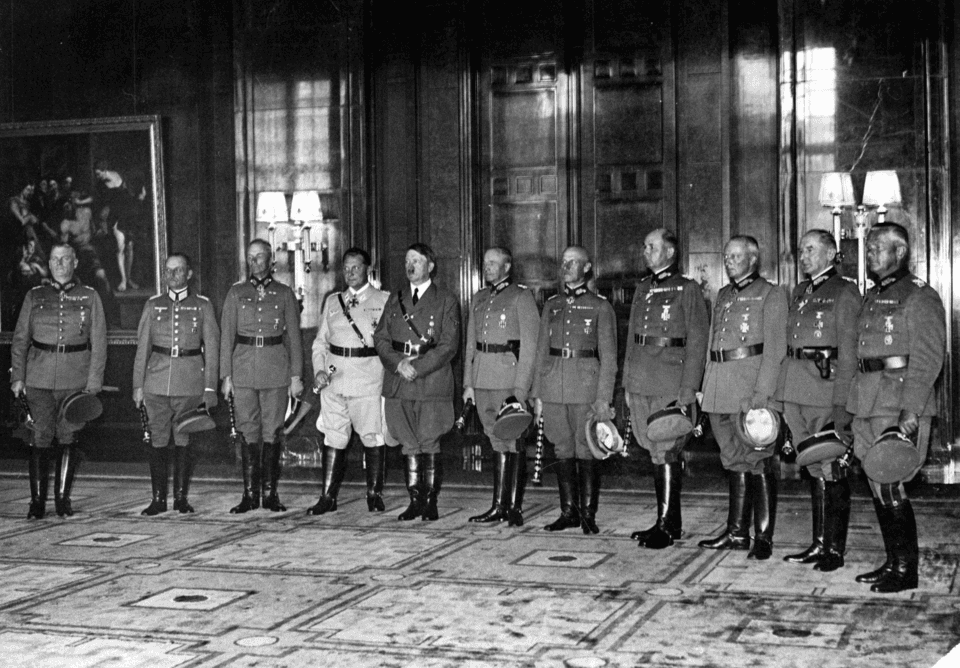
Field Marshal Friedrich Paulus surrendered the German Sixth Army at Stalingrad, ending the bloodiest battle in human history. The Soviet victory destroyed an entire German army group and marked the decisive turning point of World War II.
Guy Fawkes was executed for his role in the Gunpowder Plot to blow up the English Parliament, an attempted act of political violence that led to centuries of military security measures around government buildings.
The U.S. House of Representatives passed the Thirteenth Amendment to the Constitution by a vote of 119-56, abolishing slavery throughout the United States. The amendment, which had already passed the Senate, was the constitutional culmination of the Civil War's central purpose.
Germany announced the resumption of unrestricted submarine warfare, declaring that all ships, including neutral vessels, in the war zone around Britain would be sunk without warning, pushing the U.S. toward war.
Field Marshal Friedrich Paulus surrendered the German Sixth Army at Stalingrad, ending the bloodiest battle in human history. The Soviet victory destroyed an entire German army group and marked the decisive turning point of World War II.
Field Marshal Friedrich Paulus, commander of the German 6th Army, surrendered to Soviet forces at Stalingrad, ending the bloodiest battle in human history. Over 91,000 German soldiers marched into captivity; fewer than 6,000 would survive to return home.
The United States launched Explorer 1, its first successful satellite, aboard a Juno I rocket developed by the Army Ballistic Missile Agency under Wernher von Braun, answering the Soviet Sputnik challenge.
The Army Ballistic Missile Agency launched a Juno I booster from Cape Canaveral carrying Explorer 1, the first American artificial satellite, into low Earth orbit. Its instruments, designed by James Van Allen at the University of Iowa, discovered the radiation belts that now bear his name and marked the United States' entry into the space race.
As part of the broader Tet Offensive, Viet Cong commandos breached the U.S. Embassy compound in Saigon, shocking the American public and fundamentally changing the political landscape of the Vietnam War.
A squad of 19 Viet Cong sappers blasted through the outer wall of the U.S. Embassy compound in Saigon during the Tet Offensive, fighting American MPs and Marines for six hours in one of the most symbolic engagements of the Vietnam War. All 19 attackers were killed.
The UK officially departed the EU, triggering a reorganization of European defense partnerships and NATO burden-sharing arrangements that continue to reshape transatlantic military alliances.

Second Lieutenant
Before breaking baseball's color barrier, Robinson was a U.S. Army officer in WWII who was court-martialed for refusing to move to the back of a military bus, and was acquitted. His courage transcended both sports and military service.

Austrian composer whose military-themed works include "Die Erlkönig" and marches composed for the Austrian Army. He narrowly avoided military conscription during the Napoleonic Wars.

English soldier and member of the Gunpowder Plot who served as a mercenary in the Spanish Army of Flanders before attempting to blow up Parliament. His execution made him history's most famous failed military conspirator.
Wear the Timeline
10 military events occurred on January 31, spanning multiple centuries. Key events include: Field Marshal Paulus Surrenders at Stalingrad, Germany's Catastrophe (1943), Tet Offensive, Viet Cong Attack Saigon and U.S. Embassy (1968), Explorer 1, America's First Satellite Launched (1958), Germany Announces Unrestricted Submarine Warfare (1917), Congress Passes the Thirteenth Amendment, Abolishing Slavery Forever (1865).
The most significant military event on January 31 is Field Marshal Paulus Surrenders at Stalingrad, Germany's Catastrophe (1943). Field Marshal Friedrich Paulus surrendered the German Sixth Army at Stalingrad, ending the bloodiest battle in human history. The Soviet victory destroyed an entire German army group and marked the decisive turning point of World War II.
Notable military figures born on January 31 include Jackie Robinson (1919–1972), Franz Schubert (1797–1828).
Events on January 31 span World War II, the Vietnam War, the Cold War, the Colonial & Revolutionary era, World War I, the Modern Era, the Civil War, covering 10 events across 4 centuries of military history.
Events on January 31 involve 4 branches of the U.S. and allied armed forces, reflecting the global scope of military operations throughout history.
Explore military history from the day you were born.
June 6
The Allied invasion of Normandy, the largest amphibious assault in history.
December 7
Japan attacks the U.S. Pacific Fleet, bringing America into World War II.
September 11
The deadliest terrorist attack in history transforms U.S. national security.
August 6
The first atomic bomb is dropped on a city, ushering in the nuclear age.
May 8
Nazi Germany surrenders unconditionally, ending World War II in Europe.
November 11
Armistice Day marks the end of World War I and honors all who served.
June 4
The turning point of the Pacific War as the U.S. Navy destroys four Japanese carriers.
July 4
The Declaration of Independence is adopted, sparking the American Revolution.
15 essential WW2 books covering every theater. Narrative histories, memoirs, and visual references ranked.
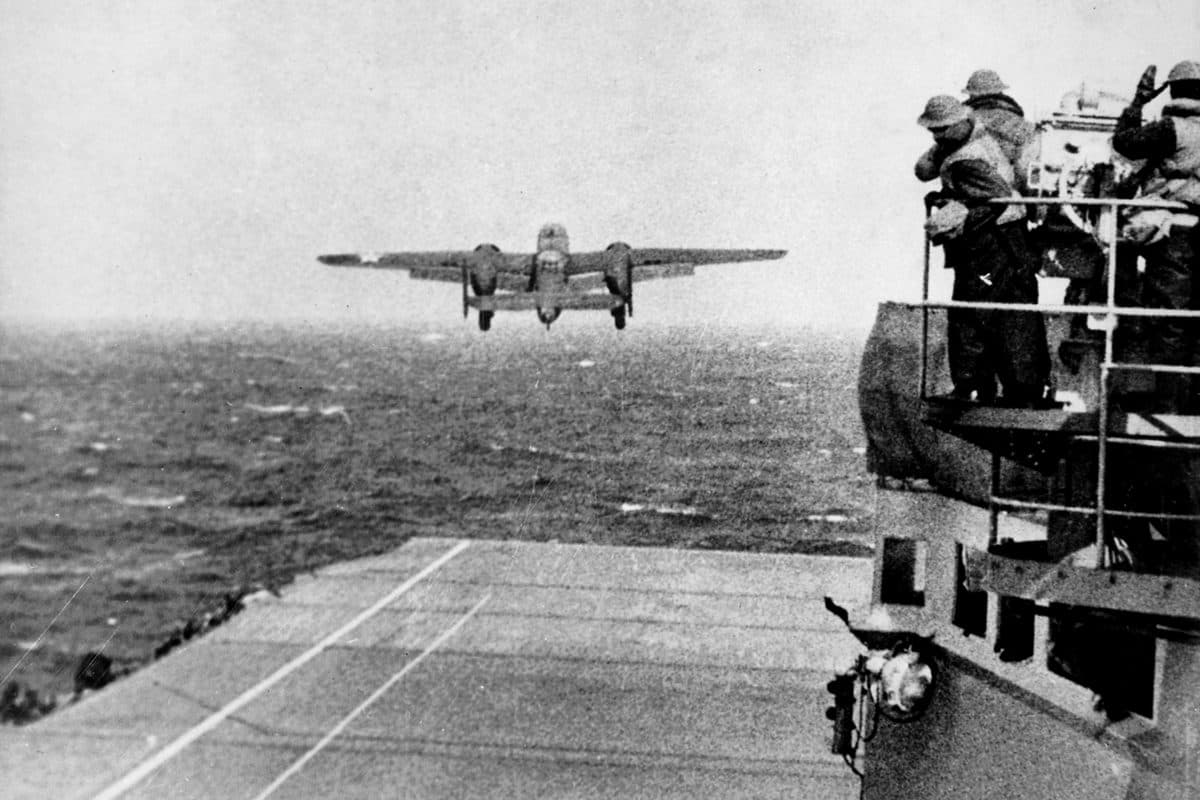
On April 18, 1942, sixteen B-25 Mitchell bombers did something no one thought possible: they launched from the deck of an aircraft carrier, flew 650 miles to Japan, and bombed Tokyo. Every aircraft was lost. The damage was negligible. The consequences changed the war.
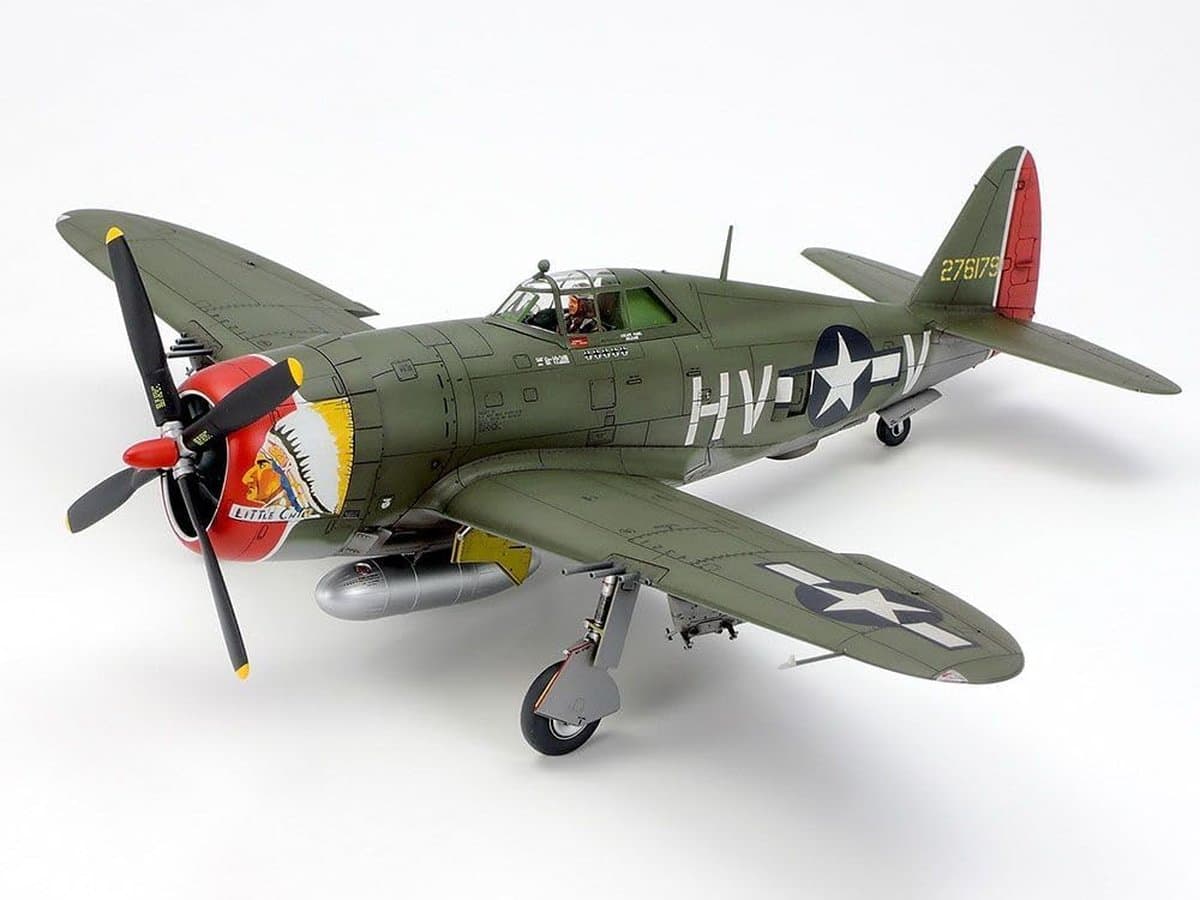
Compare 85+ WW2 scale model kits across aircraft, tanks, and ships. Beginner builds from $9 to museum-grade showpieces at $580. Covers Tamiya, Eduard, HK Models, Trumpeter, and more with honest reviews, trade-offs, and pricing.

On April 7, 1945, the Imperial Japanese Navy sent the largest battleship ever built on a one-way suicide mission to Okinawa. She never arrived. 386 American aircraft found her first, and sank her in under two hours.