



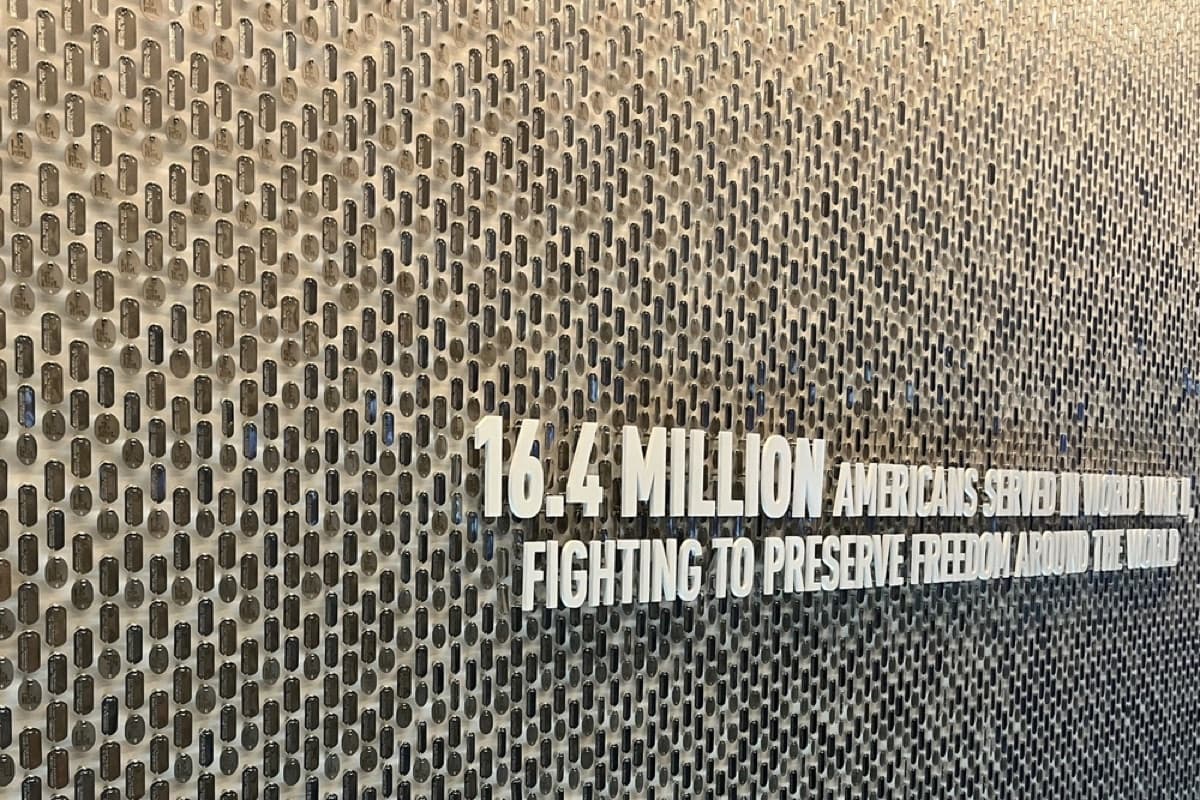
World World 2 Facts: Did You Know These 29 Interesting Details?
Calvin Graham Was Youngest Decorated US Soldier at 12 Pearl Harbor Visitors Bureau “Green Boys” was a term given to soldiers who…
daniel-mercer··27 min read
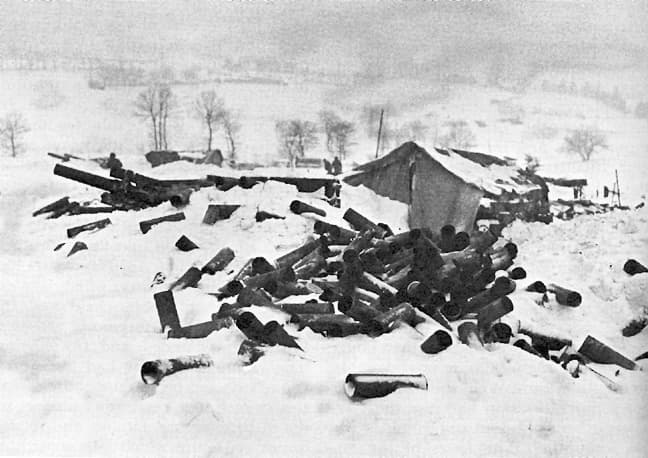
The Battle of the Bulge, the largest and bloodiest battle fought by the U.S. Army in World War II, officially ended as American forces restored the original front lines after six weeks of fierce combat.
World War II FactsDaniel Shays led 1,500 rebels in an attack on the federal Springfield Armory in Massachusetts. The rebellion's suppression highlighted the weakness of the Articles of Confederation and spurred the Constitutional Convention.
A force of over 1,000 armed farmers led by Revolutionary War veteran Daniel Shays attacked the federal Springfield Armory in Massachusetts in an attempt to seize weapons. The rebellion, suppressed by state militia, exposed the weakness of the Articles of Confederation and directly led to the Constitutional Convention.
Bell made the first transcontinental telephone call from New York to San Francisco, a communication revolution that would transform military command and control in the coming world wars.
Thailand declared war on the United States and the United Kingdom under Japanese pressure, though the Thai ambassador in Washington refused to deliver the declaration, leaving U.S.-Thai relations in a unique diplomatic limbo.
The Kingdom of Thailand, under the military dictatorship of Field Marshal Plaek Phibunsongkhram, declared war on the United States and Great Britain. Thailand was the only Southeast Asian nation to formally align with Japan during World War II, providing military bases and logistical support for Japanese operations in Burma and Malaya.
The Battle of the Bulge, the largest and bloodiest battle fought by the U.S. Army in World War II, officially ended as American forces restored the original front lines after six weeks of fierce combat.
World War II FactsThe Battle of the Bulge officially ended as American forces recaptured all territory lost during the German Ardennes counteroffensive that began on December 16. The six-week battle cost the U.S. Army approximately 89,000 casualties, making it the bloodiest American battle of World War II.
UN forces under General Ridgway launched Operation Thunderbolt, beginning the counteroffensive that would push Chinese and North Korean forces back to the 38th parallel in the Korean War.
A Norwegian research rocket launched from Andoya flew a trajectory briefly resembling a US Navy Trident D5 SLBM, triggering the highest alert state of Russian strategic nuclear forces and forcing President Boris Yeltsin to activate the Cheget nuclear briefcase for the only confirmed time in history.
Hamas won a landslide victory in Palestinian legislative elections, dramatically reshaping Middle Eastern security dynamics and leading to increased military tensions between Israel and Gaza.

Scotland's national poet whose works celebrated the common soldier and whose "Scots Wha Hae" became an unofficial Scottish military anthem, inspiring Scottish regiments for generations.

Grand Admiral
Commander-in-Chief of the German Navy (Kriegsmarine) from 1935 to 1943, who oversaw the rebuilding of the German fleet and the U-boat campaign before being replaced by Dönitz.

Infamous Chicago crime boss whose downfall was orchestrated by federal law enforcement. During WWII, naval intelligence reportedly consulted with Capone's associates on contacts in Sicily before the Allied invasion.
Wear the Timeline
10 military events occurred on January 25, spanning multiple centuries. Key events include: Battle of the Bulge Officially Ends, Germany's Last Gamble Fails (1945), Shays' Rebellion, Battle of the Springfield Armory (1787), Korean War, UN Counteroffensive Begins (1951), Shays' Rebellion, Daniel Shays Attacks the Springfield Armory (1787).
The most significant military event on January 25 is Battle of the Bulge Officially Ends, Germany's Last Gamble Fails (1945). The Battle of the Bulge, the largest and bloodiest battle fought by the U.S. Army in World War II, officially ended as American forces restored the original front lines after six weeks of fierce combat.
Notable military figures born on January 25 include Robert Burns (1759–1796), Erich Raeder (1876–1960).
Events on January 25 span World War II, the Colonial & Revolutionary era, the Korean War, World War I, the Modern Era, covering 10 events across 3 centuries of military history.
Events on January 25 involve 5 branches of the U.S. and allied armed forces, reflecting the global scope of military operations throughout history.
Explore military history from the day you were born.
June 6
The Allied invasion of Normandy, the largest amphibious assault in history.
December 7
Japan attacks the U.S. Pacific Fleet, bringing America into World War II.
September 11
The deadliest terrorist attack in history transforms U.S. national security.
August 6
The first atomic bomb is dropped on a city, ushering in the nuclear age.
May 8
Nazi Germany surrenders unconditionally, ending World War II in Europe.
November 11
Armistice Day marks the end of World War I and honors all who served.
June 4
The turning point of the Pacific War as the U.S. Navy destroys four Japanese carriers.
July 4
The Declaration of Independence is adopted, sparking the American Revolution.
Calvin Graham Was Youngest Decorated US Soldier at 12 Pearl Harbor Visitors Bureau “Green Boys” was a term given to soldiers who…
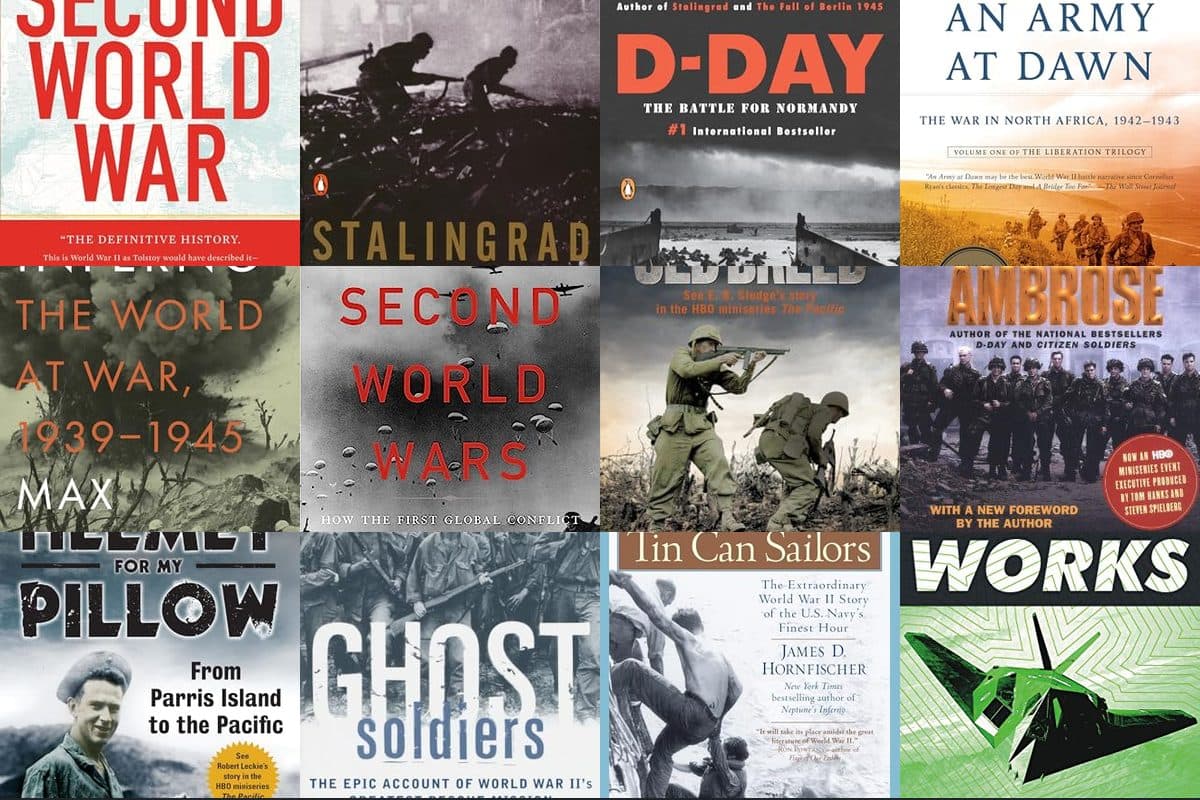
15 essential WW2 books covering every theater. Narrative histories, memoirs, and visual references ranked.
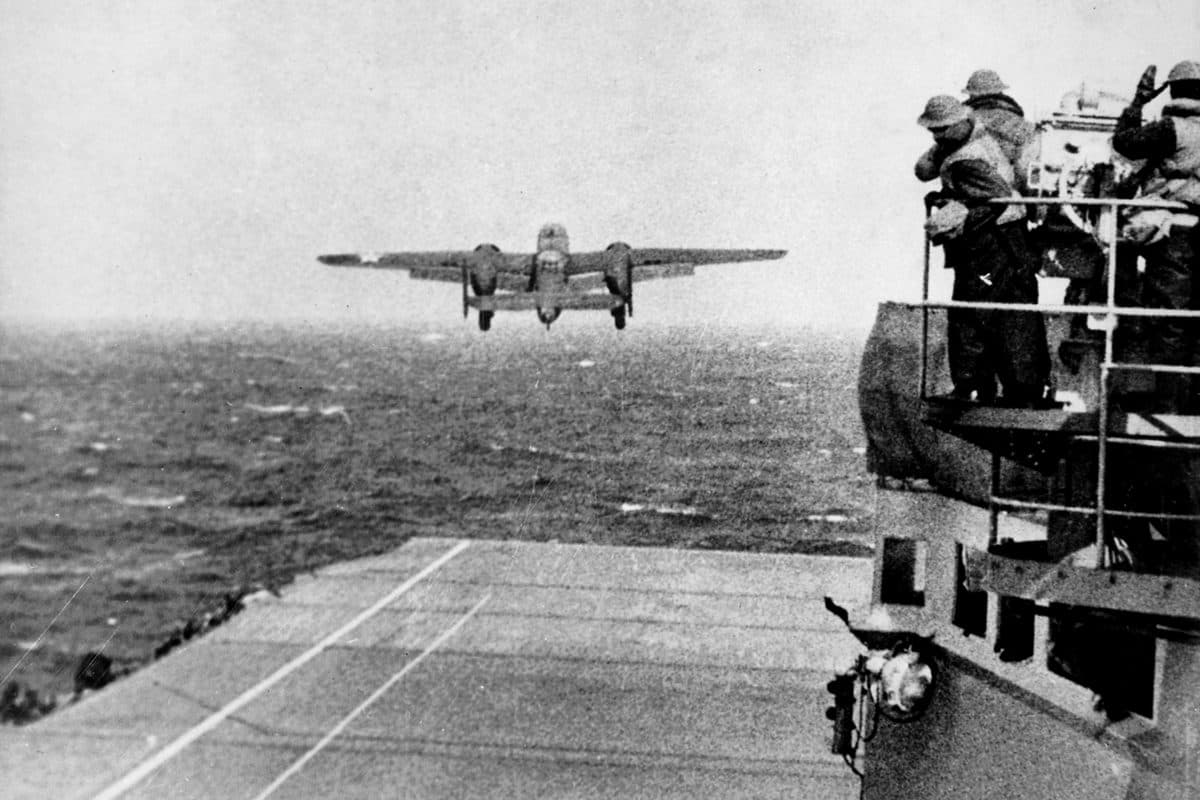
On April 18, 1942, sixteen B-25 Mitchell bombers did something no one thought possible: they launched from the deck of an aircraft carrier, flew 650 miles to Japan, and bombed Tokyo. Every aircraft was lost. The damage was negligible. The consequences changed the war.
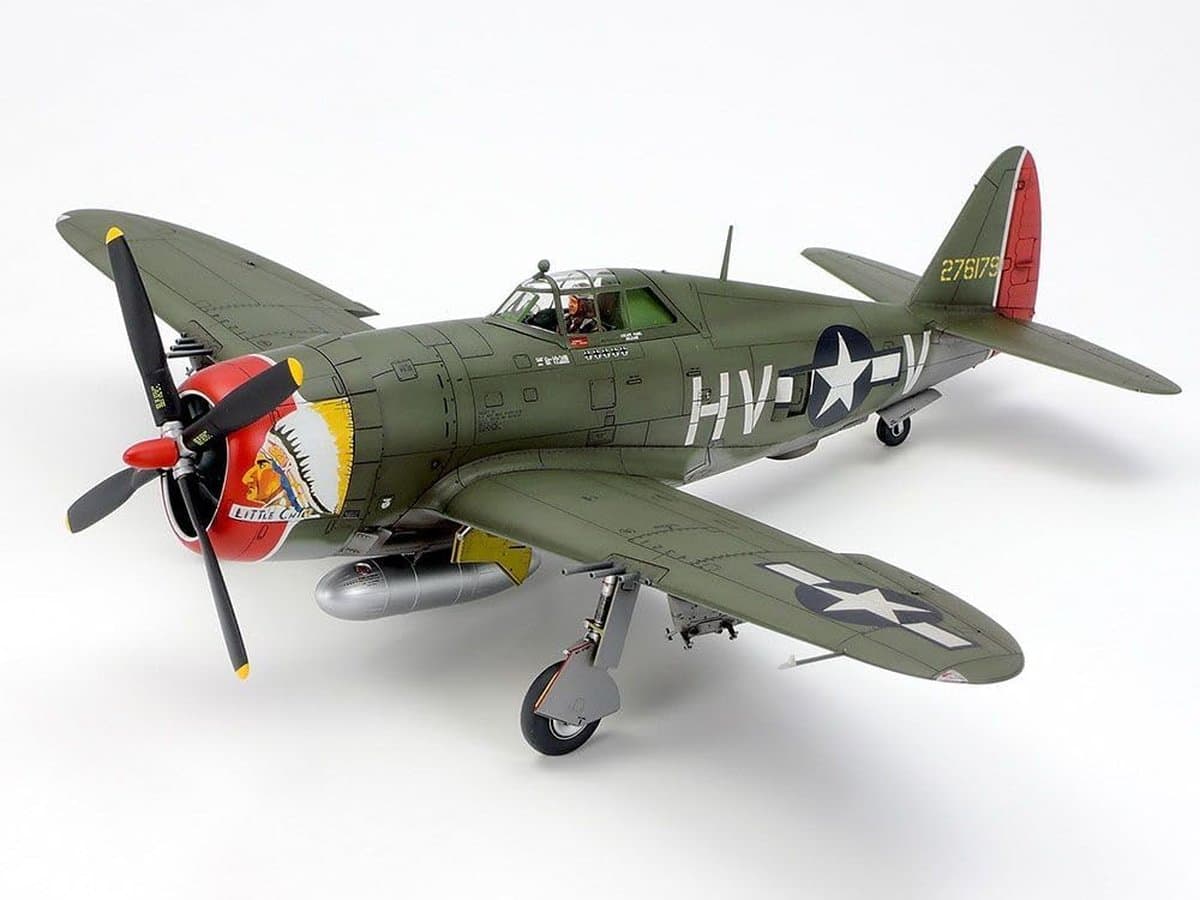
Compare 85+ WW2 scale model kits across aircraft, tanks, and ships. Beginner builds from $9 to museum-grade showpieces at $580. Covers Tamiya, Eduard, HK Models, Trumpeter, and more with honest reviews, trade-offs, and pricing.