

Iconic Aircraft of the Vietnam War
Boeing B-52 Stratofortress US Air Force This American project was first conceived in the immediate wake of the Second World War. The…
michael-trent··19 min read

The Front de Libération Nationale (FLN) launched coordinated attacks across Algeria in what became known as Toussaint Rouge, Red All Saints' Day. The insurgency ignited an eight-year war that killed an estimated 1.5 million Algerians, brought down the French Fourth Republic, returned Charles de Gaulle to power, and fundamentally reshaped decolonization across Africa and the Muslim world.
A massive earthquake estimated at magnitude 8.5-9.0 struck Lisbon, Portugal, followed by a tsunami and fires that destroyed 85% of the city and killed 30,000-60,000 people. The disaster devastated Portugal's military and naval infrastructure, crippled its empire, and shifted the European balance of power by weakening a key British ally during the buildup to the Seven Years' War.
President John Adams became the first occupant of the Executive Mansion in the new federal capital of Washington, taking up residence while the building was still under construction. The move cemented the young republic's civil-military command structure, placing the commander-in-chief in a purpose-built capital separate from commercial centers.
Italian pilot Giulio Gavotti dropped four grenades from his Etrich Taube monoplane onto Ottoman positions near Tripoli during the Italo-Turkish War, conducting the first aerial bombardment in military history. The attack caused minimal damage but demonstrated the offensive potential of aircraft barely eight years after the Wright brothers' first flight.
The 3rd Marine Division landed at Empress Augusta Bay on Bougainville, bypassing heavily defended southern beaches to establish a beachhead in the lightly defended center of the island. The landing was part of Operation Cartwheel, the Allied strategy to isolate and neutralize the major Japanese base at Rabaul without a costly direct assault.
The Atlanta-class light cruiser USS Reno was struck by a Japanese submarine torpedo east of the Philippines during operations supporting the Leyte campaign. Severe flooding forced the crew into damage control for three days before the ship was towed 1,500 miles to Ulithi, a remarkable survival that highlighted US Navy damage-control doctrine late in the Pacific War.
The United States detonated the first thermonuclear device at Enewetak Atoll in the Pacific, yielding 10.4 megatons, 700 times more powerful than the Hiroshima bomb. The explosion vaporized the island of Elugelab entirely, leaving a crater over a mile wide. The test confirmed that weapons of virtually unlimited destructive power were possible, accelerating the nuclear arms race with the Soviet Union.
The FLN launched coordinated attacks across Algeria on Toussaint Rouge, igniting an eight-year war that killed an estimated 1.5 million Algerians and brought down the French Fourth Republic.
A bomb placed in checked luggage destroyed a Douglas DC-6B over Longmont, Colorado, killing all 44 aboard. The FBI investigation produced the first successful US prosecution of airliner sabotage and drove early federal work on cargo-screening doctrine that would shape military and civil aviation security for decades.
South Vietnamese President Ngo Dinh Diem and his brother Ngo Dinh Nhu were captured and assassinated during a military coup tacitly approved by the Kennedy administration. The CIA had signaled that Washington would not oppose a change in leadership. Diem's removal destabilized South Vietnam, leading to a revolving door of military governments and deepening American involvement in the Vietnam War.
Aircraft of the Vietnam WarPresident Lyndon Johnson ordered a halt to Operation Rolling Thunder, the three-and-a-half-year air campaign against North Vietnam. US aircraft had flown more than 306,000 sorties and dropped 864,000 tons of bombs without breaking North Vietnamese will to continue the war, a result that reshaped US airpower doctrine for the next two decades.

Major General
Union engineer and general who led the first Federal troops into Richmond on April 3, 1865, becoming the first Union officer to occupy the Confederate capital. A graduate of West Point at age 20, Weitzel commanded the XXV Corps, one of the largest formations of Black soldiers in the war, and received the surrender of the city from its mayor.

Staff Sergeant
Green Beret medic who served in Vietnam and wrote "The Ballad of the Green Berets," which became the number-one hit in America in 1966 and the defining song of the Vietnam-era military. Wounded by a punji stake near Pleiku in 1965, Sadler later lived a turbulent life and died in 1989 from a gunshot wound sustained in Guatemala City.

American poet and literary figure who broadcast Fascist propaganda on Italian radio during World War II. Captured by U.S. forces in 1945, he was held in an open-air cage at an Army detention camp near Pisa before being declared insane and committed to a psychiatric hospital for 12 years rather than face treason charges. His case remains one of the most controversial intersections of art, politics, and military justice.
Wear the Timeline
10 military events occurred on November 1, spanning multiple centuries. Key events include: The Algerian War of Independence Begins (1954), The Great Lisbon Earthquake (1755), Marines Land at Bougainville (1943), First Hydrogen Bomb Test: Ivy Mike (1952), Assassination of South Vietnamese President Diem (1963).
The most significant military event on November 1 is The Algerian War of Independence Begins (1954). The Front de Libération Nationale (FLN) launched coordinated attacks across Algeria in what became known as Toussaint Rouge, Red All Saints' Day. The insurgency ignited an eight-year war that killed an estimated 1.5 million Algerians, brought down the French Fourth Republic, returned Charles de Gaulle to power, and fundamentally reshaped decolonization across Africa and the Muslim world.
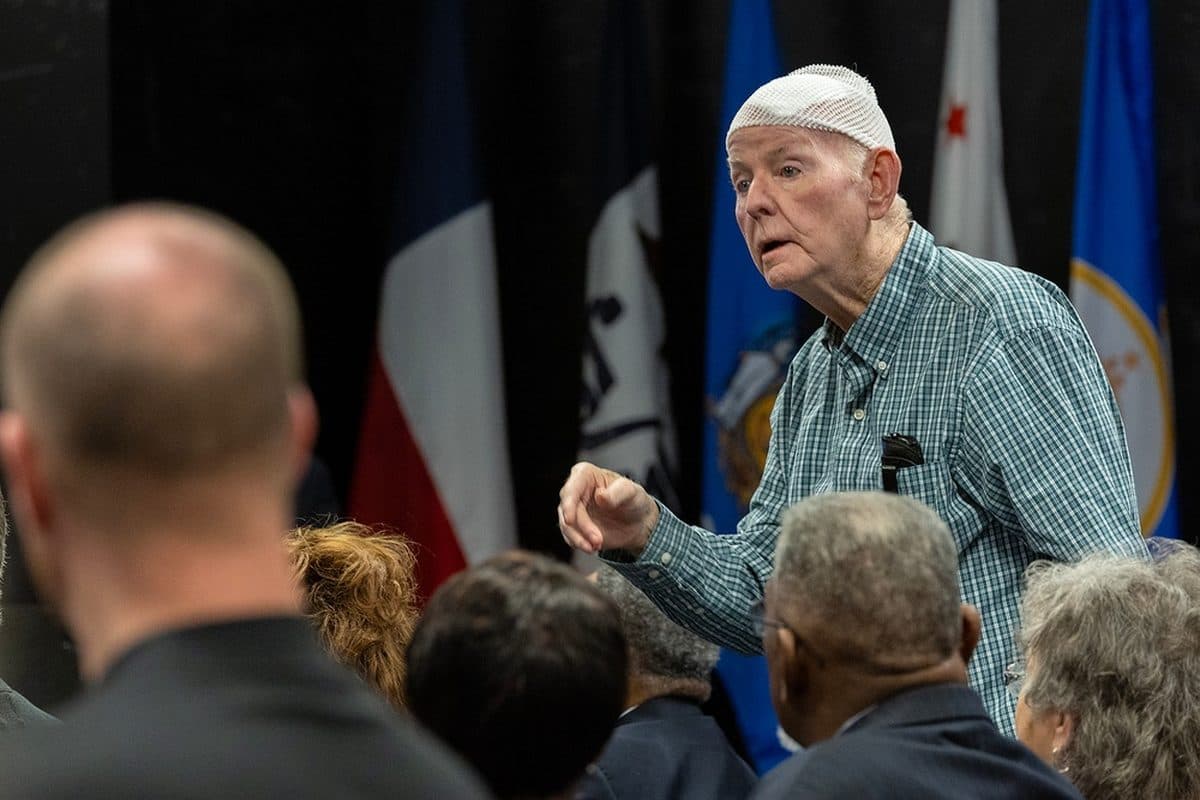
Notable military figures born on November 1 include Godfrey Weitzel (1835–1884), Barry Sadler (1940–1989).
Events on November 1 span the Cold War, the Colonial & Revolutionary era, World War II, the Vietnam War, the Interwar Period, covering 10 events across 3 centuries of military history.
Events on November 1 involve 4 branches of the U.S. and allied armed forces, reflecting the global scope of military operations throughout history.
Explore military history from the day you were born.
June 6
The Allied invasion of Normandy, the largest amphibious assault in history.
December 7
Japan attacks the U.S. Pacific Fleet, bringing America into World War II.
September 11
The deadliest terrorist attack in history transforms U.S. national security.
August 6
The first atomic bomb is dropped on a city, ushering in the nuclear age.
May 8
Nazi Germany surrenders unconditionally, ending World War II in Europe.
November 11
Armistice Day marks the end of World War I and honors all who served.
June 4
The turning point of the Pacific War as the U.S. Navy destroys four Japanese carriers.
July 4
The Declaration of Independence is adopted, sparking the American Revolution.
Boeing B-52 Stratofortress US Air Force This American project was first conceived in the immediate wake of the Second World War. The…
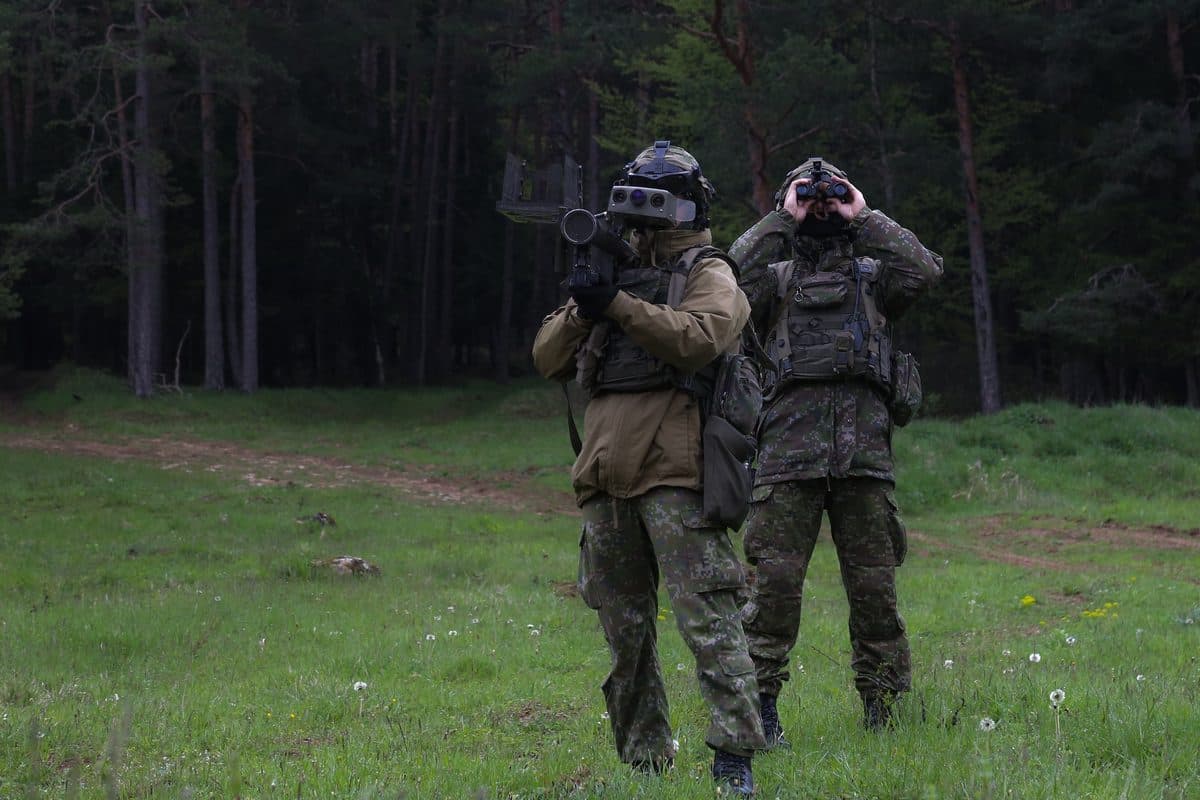
The FIM-92 Stinger helped win the Cold War by turning Afghan mujahideen into a credible anti-aircraft threat. By 2023, the United States almost ran out of them, because Raytheon stopped making them for 13 years, and the first 10 months of Ukraine support burned through the remaining stockpile.
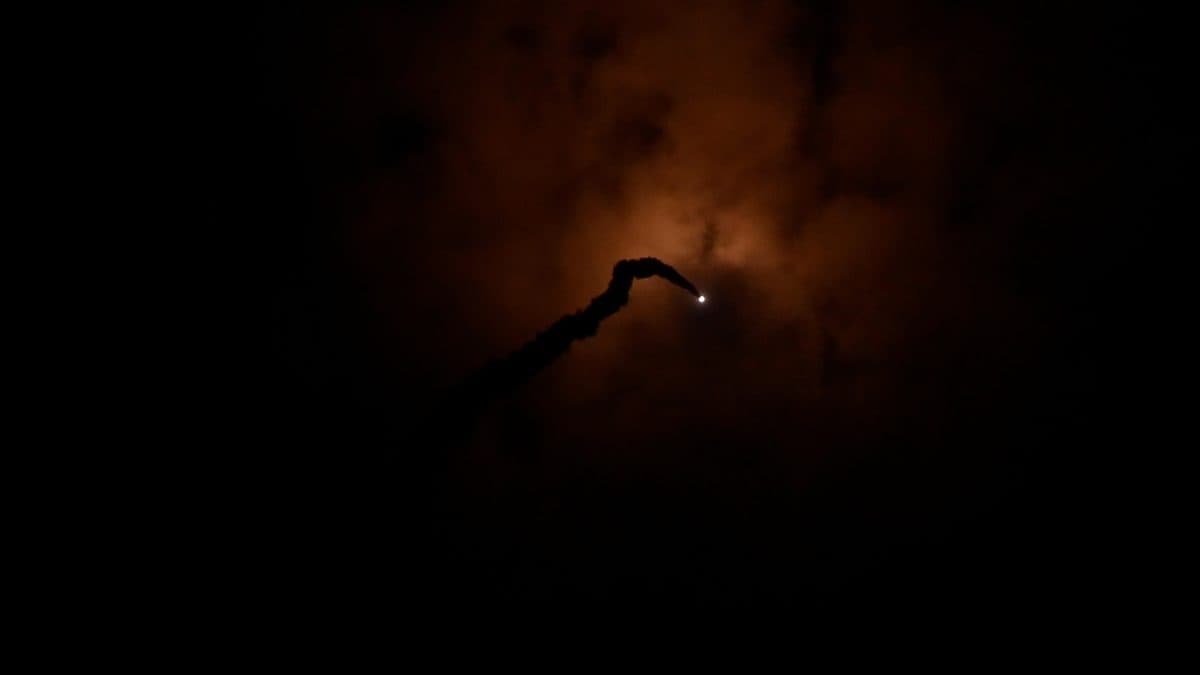
These weapons were built to fight a war that everyone prayed would never happen. The Minuteman III has been on alert since 1970. The Typhoon-class carried enough nuclear warheads to destroy a continent. The Davy Crockett could be fired by three soldiers. Most of them have been waiting for 40 years. Here are 10 Cold War weapons built exclusively for World War III.
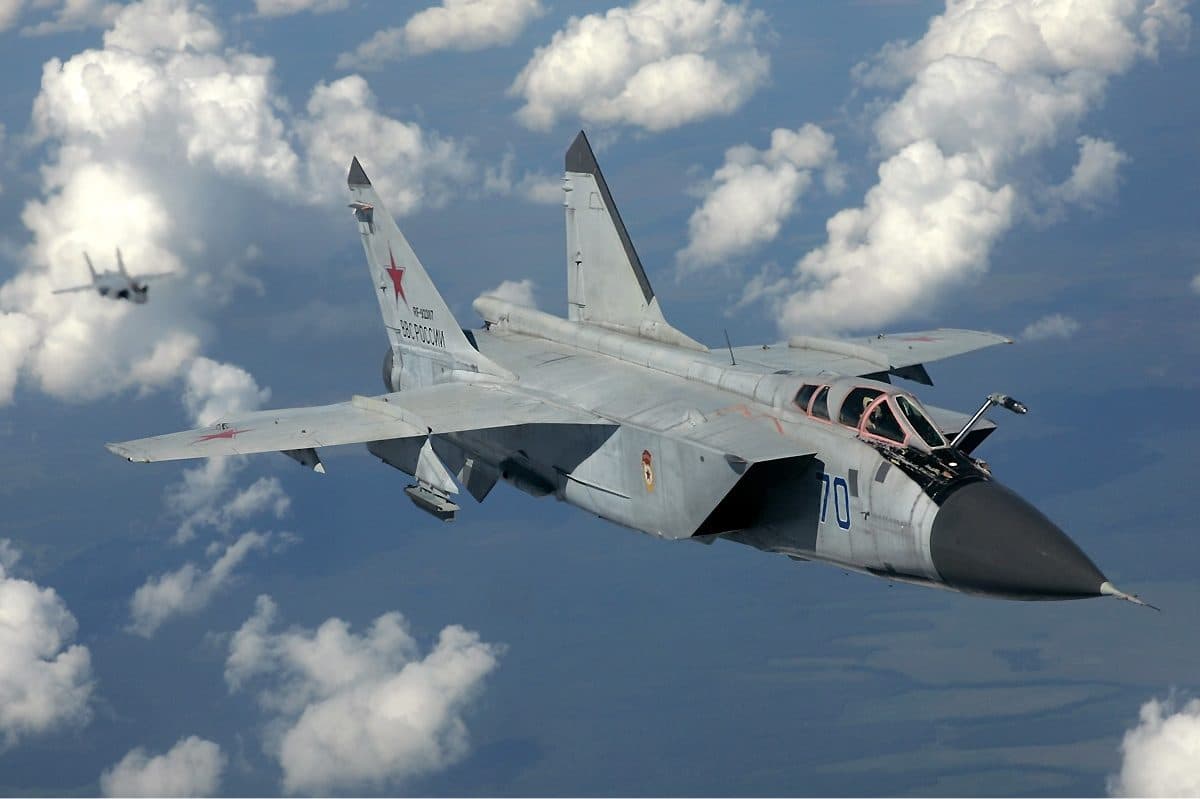
The MiG-31 was designed to catch the SR-71 Blackbird. It is still the fastest fighter in any air force. The Foxhound's Zaslon phased-array radar, the first ever installed in a fighter, can track 10 targets and engage 4 simultaneously at ranges exceeding 200 miles. Here is why Russia still flies a 1980s interceptor, and why the MiG-31BM carrying a Kinzhal hypersonic missile has changed what the aircraft means to modern warfare.