
Iconic Aircraft of the Vietnam War
Boeing B-52 Stratofortress US Air Force This American project was first conceived in the immediate wake of the Second World War. The…
michael-trent··19 min read

The destroyer USS Reuben James, escorting a convoy in the North Atlantic west of Iceland, was torpedoed and sunk by the German submarine U-552, killing 115 of her 159 crew. The Reuben James became the first United States Navy vessel sunk by hostile action in World War II, five weeks before Pearl Harbor officially brought America into the war. The sinking shocked the nation but Congress still could not bring itself to declare war.
Workers at Edmund Hartt's shipyard in Boston attempted to launch the new frigate USS Constitution but the ship stopped partway down the slipway and refused to move further. Two additional attempts over the following weeks finally floated her on October 21. Constitution, built of live oak and white oak with extraordinarily thick hull planking, went on to serve for 228 years and remains the oldest commissioned warship afloat.
Australian Light Horsemen of the 4th Light Horse Brigade charged the Ottoman Turkish defenses at Beersheba in Palestine, galloping across open desert into rifle and machine gun fire with bayonets in hand. The audacious charge overwhelmed the Turkish garrison and captured the town's vital wells before they could be destroyed. The victory opened the way for General Allenby's advance on Jerusalem, which fell six weeks later. The charge is widely considered the last successful large-scale cavalry charge in military history.
Benito Mussolini was formally appointed Prime Minister of Italy by King Victor Emmanuel III, completing the Fascist seizure of power that had begun with the March on Rome on October 28. Mussolini would transform Italy into Europe's first one-party Fascist state, creating the template for authoritarian governments across the continent. His alliance with Hitler and disastrous entry into World War II in 1940 would lead to Italy's devastation and his own execution by partisans in April 1945.
The Battle of Britain, the first major military campaign fought entirely by air forces, came to its official end as the Luftwaffe abandoned its attempt to gain air superiority over England. The RAF's victory, achieved by fewer than 3,000 pilots against a numerically superior enemy, forced Hitler to indefinitely postpone Operation Sea Lion, the planned invasion of Britain. Churchill's tribute to "The Few" who won the battle remains one of the most famous speeches in military history.
Allied deception staff continued running Operation Bodyguard and its successor cover plans, maintaining the fictional First United States Army Group under General Patton to keep German forces tied down in the Pas de Calais long after the actual Normandy invasion. Inflatable tanks, dummy landing craft, false radio traffic, and double agents of the British Double Cross System kept roughly 15 German divisions waiting for a second landing that never came.
Royal Air Force Canberra and Valiant bombers operating from Malta and Cyprus, supported by French F-84 Thunderstreaks, struck Egyptian airfields destroying most of the Egyptian Air Force on the ground. The air offensive was the opening of Operation Musketeer, the Anglo French military intervention in the Suez Crisis following the Israeli attack on Sinai. The operation succeeded militarily but produced one of the most damaging strategic defeats in British post war history.
President Lyndon Johnson announced a complete cessation of all American air, naval, and artillery bombardment of North Vietnam, effective November 1, citing progress in the Paris peace talks. The bombing halt, coming just days before the presidential election, was a dramatic escalation of diplomatic efforts but failed to produce a breakthrough. The Vietnam War would continue for nearly five more years, and the decision became embroiled in controversy.
Vietnam War AircraftIndian Prime Minister Indira Gandhi was assassinated by two of her Sikh bodyguards at her residence in New Delhi. The assassination was in retaliation for Operation Blue Star, the Indian Army's June 1984 assault on the Golden Temple in Amritsar, Sikhism's holiest shrine, to remove armed militants. The killing triggered massive anti-Sikh riots across India that killed an estimated 3,000 to 8,000 people and prompted a major military security overhaul.
Indian Prime Minister Indira Gandhi was assassinated by two of her Sikh bodyguards on October 31, 1984, in retaliation for Operation Blue Star at the Golden Temple. The assassination and its political aftermath triggered the 1987-1990 Indian Peace Keeping Force deployment to Sri Lanka and shaped Indian military doctrine for the following four decades.

Leader of the Republic of China who commanded Chinese forces through eight years of brutal war against Japan from 1937 to 1945 before losing the Chinese Civil War to Mao Zedong's Communists in 1949. Chiang retreated to Taiwan with two million followers, where he led a government-in-exile for 26 years while maintaining the largest non-Communist Chinese military force. His career spanned the Northern Expedition, the wars against Japan and the Communists, and the Cold War standoff across the Taiwan Strait.

One of the most influential military theorists of the twentieth century, Liddell Hart developed the concept of the "indirect approach" and advocated for fast-moving mechanized warfare after his traumatic experiences as an infantry officer in World War I. His pre-war writings on armored warfare influenced German blitzkrieg doctrine, and his postwar histories shaped generations of military thinking. His emphasis on maneuver over attrition remains central to Western military strategy.

Union Civil War general nicknamed "Fighting Joe" who commanded the Army of the Potomac at the disastrous Battle of Chancellorsville in May 1863, where Robert E. Lee's audacious flanking maneuver routed the much larger Union force. Despite the humiliation at Chancellorsville, Hooker redeemed himself at the Battle of Lookout Mountain during the Chattanooga Campaign, leading the dramatic "Battle Above the Clouds" that drove the Confederates from the summit in one of the war's most visually spectacular engagements.
Wear the Timeline
10 military events occurred on October 31, spanning multiple centuries. Key events include: USS Reuben James Torpedoed: First U.S. Navy Ship Sunk in WWII (1941), Battle of Beersheba: Last Great Cavalry Charge (1917), Battle of Britain Officially Ends (1940), Indira Gandhi Is Assassinated and Triggers the Indian Peace Keeping Force Era (1984).
The most significant military event on October 31 is USS Reuben James Torpedoed: First U.S. Navy Warship Sunk in World War II (1941). The destroyer USS Reuben James, escorting a convoy in the North Atlantic west of Iceland, was torpedoed and sunk by the German submarine U-552, killing 115 of her 159 crew. The Reuben James became the first United States Navy vessel sunk by hostile action in World War II, five weeks before Pearl Harbor officially brought America into the war. The sinking shocked the nation but Congress still could not bring itself to declare war.
Notable military figures born on October 31 include Chiang Kai-shek (1887–1975), B.H. Liddell Hart (1895–1970).
Events on October 31 span World War II, World War I, the Modern Era, the Vietnam War, the Interwar Period, the Colonial & Revolutionary era, the Cold War, covering 10 events across 2 centuries of military history.
Events on October 31 involve 3 branches of the U.S. and allied armed forces, reflecting the global scope of military operations throughout history.
Explore military history from the day you were born.
June 6
The Allied invasion of Normandy, the largest amphibious assault in history.
December 7
Japan attacks the U.S. Pacific Fleet, bringing America into World War II.
September 11
The deadliest terrorist attack in history transforms U.S. national security.
August 6
The first atomic bomb is dropped on a city, ushering in the nuclear age.
May 8
Nazi Germany surrenders unconditionally, ending World War II in Europe.
November 11
Armistice Day marks the end of World War I and honors all who served.
June 4
The turning point of the Pacific War as the U.S. Navy destroys four Japanese carriers.
July 4
The Declaration of Independence is adopted, sparking the American Revolution.
Boeing B-52 Stratofortress US Air Force This American project was first conceived in the immediate wake of the Second World War. The…
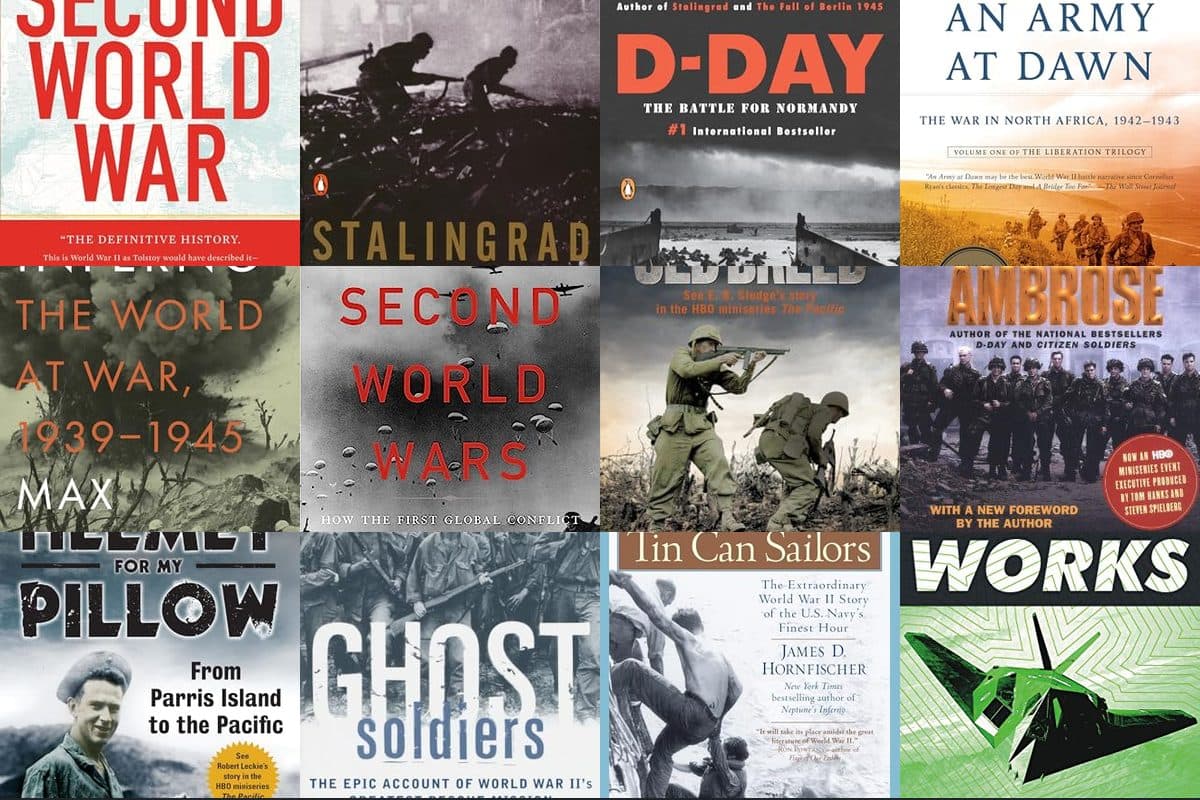
15 essential WW2 books covering every theater. Narrative histories, memoirs, and visual references ranked.
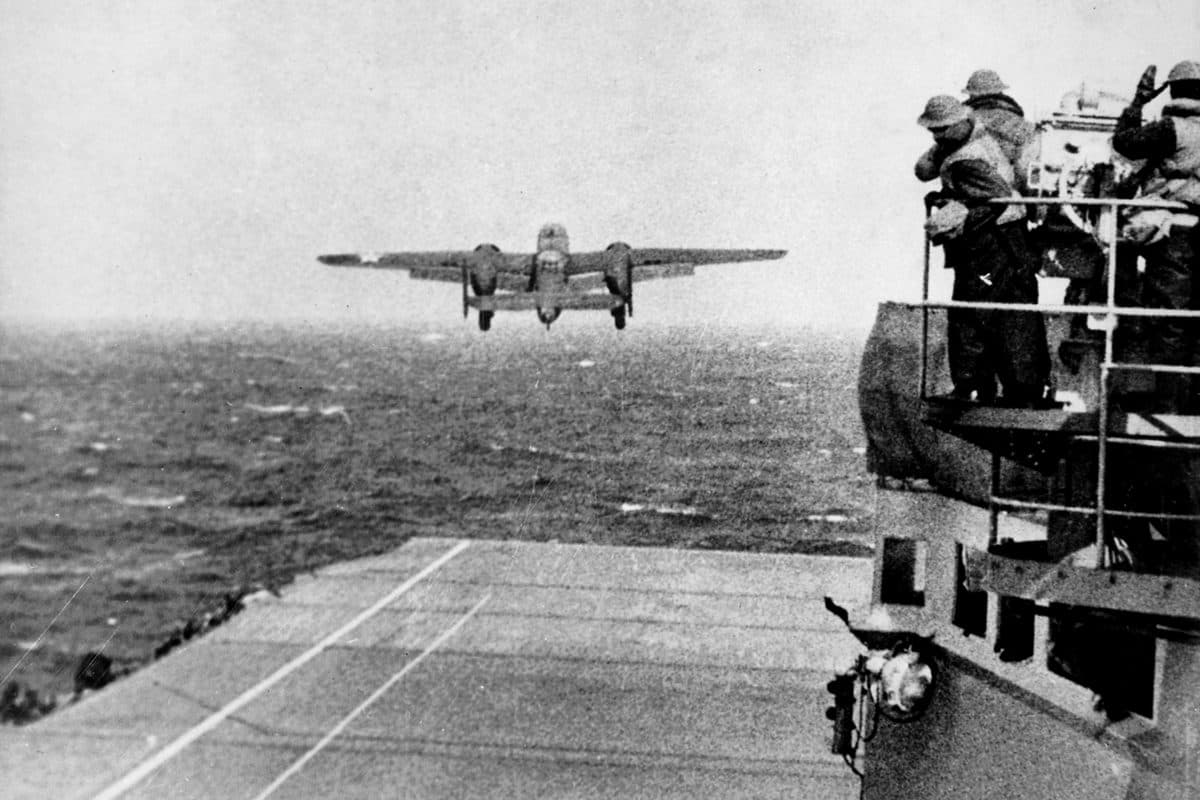
On April 18, 1942, sixteen B-25 Mitchell bombers did something no one thought possible: they launched from the deck of an aircraft carrier, flew 650 miles to Japan, and bombed Tokyo. Every aircraft was lost. The damage was negligible. The consequences changed the war.
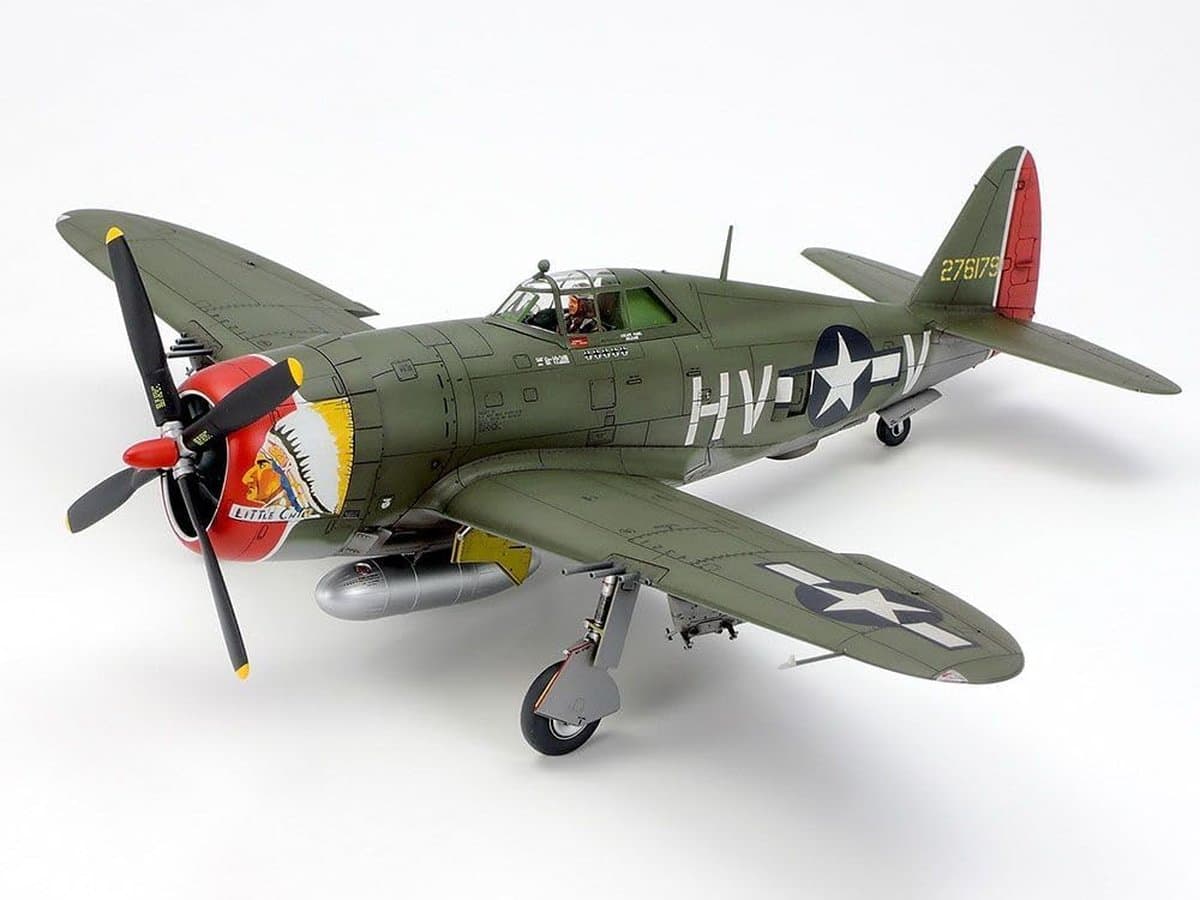
Compare 85+ WW2 scale model kits across aircraft, tanks, and ships. Beginner builds from $9 to museum-grade showpieces at $580. Covers Tamiya, Eduard, HK Models, Trumpeter, and more with honest reviews, trade-offs, and pricing.