
China's Military Buildup by the Numbers: How the PLA Became a Superpower in a Decade
China built the world's largest navy, deployed hypersonic missiles, and grew its nuclear arsenal by 400%. Here is the PLA's transformation by the numbers.

Standing atop the Gate of Heavenly Peace in Beijing, Mao Zedong proclaimed the founding of the People's Republic of China, ending decades of civil war and foreign invasion. The declaration marked the triumph of the Chinese Communist Party over Chiang Kai-shek's Nationalists and created the world's most populous communist state, fundamentally reshaping the global balance of power.
In the secret Treaty of San Ildefonso, Spain ceded the vast Louisiana Territory back to Napoleonic France. The transfer alarmed the United States, as France under Napoleon posed a far greater military threat on its western border than declining Spain. The strategic crisis ultimately led to the Louisiana Purchase in 1803, doubling the size of the United States without firing a shot.
Congress established Yosemite National Park, the first national park managed by the US Army. From 1891 until the National Park Service took over in 1914, cavalry troops, primarily the African-American Buffalo Soldiers of the 9th and 10th Cavalry, patrolled the park, built roads and trails, and protected wildlife from poachers. Their work established the foundations of park management and ranger traditions still in use today.
Ford Motor Company began production of the Model T at its Piquette Avenue Plant in Detroit. Though a civilian vehicle at launch, the Model T platform and Ford's assembly line techniques would prove decisive in World War I, where Model T ambulances served on every Allied front, and in World War II, when Ford mass-production methods were applied to build Jeeps, trucks, tanks, and B-24 Liberator bombers.
Colonel T.E. Lawrence and the Arab Northern Army entered Damascus, the ancient capital of the Ottoman province of Syria, completing the Arab Revolt's greatest military achievement. The capture of Damascus, ahead of General Allenby's conventional forces, was intended to bolster Arab claims to self-governance. Instead, the post-war settlement divided the Middle East between Britain and France, betraying the promises Lawrence had helped make.
The Bell XP-59A Airacomet made its first flight at Muroc Army Air Field (now Edwards Air Force Base) in California, becoming the first American jet aircraft. Powered by two General Electric I-A turbojet engines based on a British Whittle design, the aircraft proved too slow for combat but provided invaluable experience that led to the development of the P-80 Shooting Star, America's first operational jet fighter.
British and American forces entered Naples, making it the first major European city liberated by the Western Allies. The city had endured four days of fierce civilian uprising against the German garrison, the "Four Days of Naples", in which ordinary citizens, including children, fought German soldiers with captured weapons and improvised arms. The port of Naples became the primary Allied supply hub for the Italian Campaign.
The International Military Tribunal at Nuremberg delivered its final verdicts against 22 major Nazi war criminals. Twelve defendants were sentenced to death by hanging, including Hermann Göring, Joachim von Ribbentrop, and Wilhelm Keitel. Three were acquitted, and the remainder received prison terms. The trials established the precedent that individuals could be held criminally responsible for crimes against peace, war crimes, and crimes against humanity.
Standing atop the Gate of Heavenly Peace in Beijing, Mao Zedong proclaimed the founding of the People's Republic of China, ending decades of civil war and foreign invasion. The declaration marked the triumph of the Chinese Communist Party over Chiang Kai-shek's Nationalists.
China's Military BuildupNigeria became independent from Britain, inheriting the largest military establishment in West Africa. The new nation's armed forces, trained and organized by the British, would play a central role in Nigerian politics, launching multiple coups and fighting the devastating Biafran Civil War from 1967 to 1970, which killed an estimated one to three million people.
The United States Navy commissioned USS Enterprise (CVN-65), the world's first nuclear-powered aircraft carrier, at Newport News, Virginia. Powered by eight Westinghouse A2W reactors driving four steam turbines generating 280,000 shaft horsepower, the ship could steam at flank speed for years without refueling. At 1,123 feet long and 93,284 tons, she was the longest warship ever built.
Get daily military history, analysis, and technology delivered to your inbox.
10 military events occurred on October 1, spanning multiple centuries. Key events include: Mao Zedong Proclaims the People's Republic of China (1949), Allied Liberation of Naples (1943), Nuremberg Tribunal Delivers Verdicts (1946), Lawrence of Arabia Captures Damascus (1918), USS Enterprise CVN-65 Commissioned (1961).
The most significant military event on October 1 is Mao Zedong Proclaims the People's Republic of China (1949). Standing atop the Gate of Heavenly Peace in Beijing, Mao Zedong proclaimed the founding of the People's Republic of China, ending decades of civil war and foreign invasion. The declaration marked the triumph of the Chinese Communist Party over Chiang Kai-shek's Nationalists and created the world's most populous communist state, fundamentally reshaping the global balance of power.
Notable military figures born on October 1 include Walter Bedell Smith (1895–1961), William Boeing (1881–1956).
Events on October 1 span the Cold War, World War II, World War I, the Colonial & Revolutionary era, the Interwar Period, covering 10 events across 2 centuries of military history.
Events on October 1 involve 3 branches of the U.S. and allied armed forces, reflecting the global scope of military operations throughout history.
Explore military history from the day you were born.
June 6
The Allied invasion of Normandy, the largest amphibious assault in history.
December 7
Japan attacks the U.S. Pacific Fleet, bringing America into World War II.
September 11
The deadliest terrorist attack in history transforms U.S. national security.
August 6
The first atomic bomb is dropped on a city, ushering in the nuclear age.
May 8
Nazi Germany surrenders unconditionally, ending World War II in Europe.
November 11
Armistice Day marks the end of World War I and honors all who served.
June 4
The turning point of the Pacific War as the U.S. Navy destroys four Japanese carriers.
July 4
The Declaration of Independence is adopted, sparking the American Revolution.
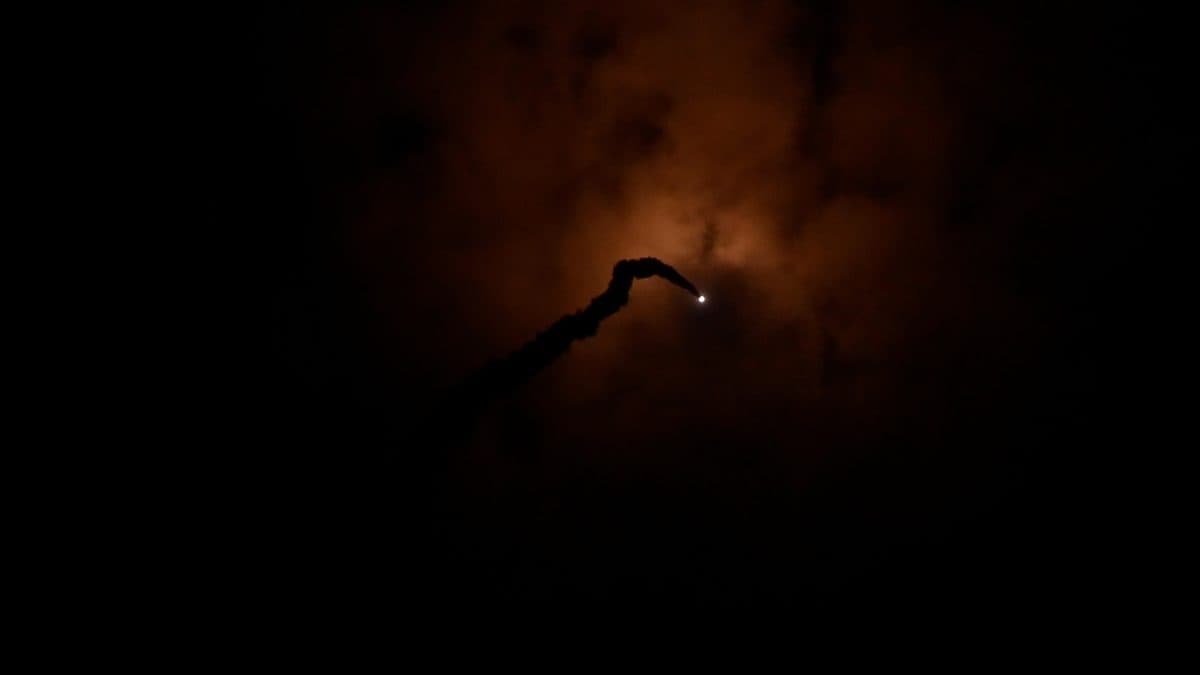
China built the world's largest navy, deployed hypersonic missiles, and grew its nuclear arsenal by 400%. Here is the PLA's transformation by the numbers.
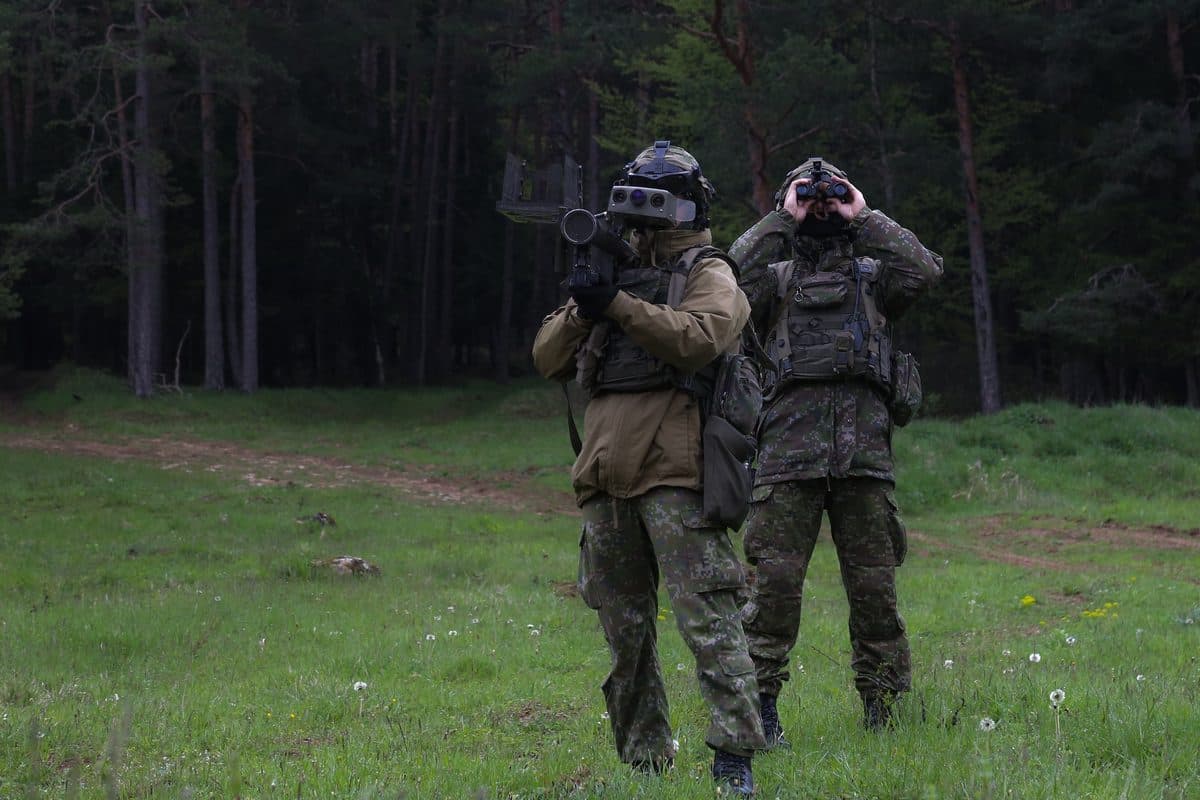
The FIM-92 Stinger helped win the Cold War by turning Afghan mujahideen into a credible anti-aircraft threat. By 2023, the United States almost ran out of them, because Raytheon stopped making them for 13 years, and the first 10 months of Ukraine support burned through the remaining stockpile.
These weapons were built to fight a war that everyone prayed would never happen. The Minuteman III has been on alert since 1970. The Typhoon-class carried enough nuclear warheads to destroy a continent. The Davy Crockett could be fired by three soldiers. Most of them have been waiting for 40 years. Here are 10 Cold War weapons built exclusively for World War III.
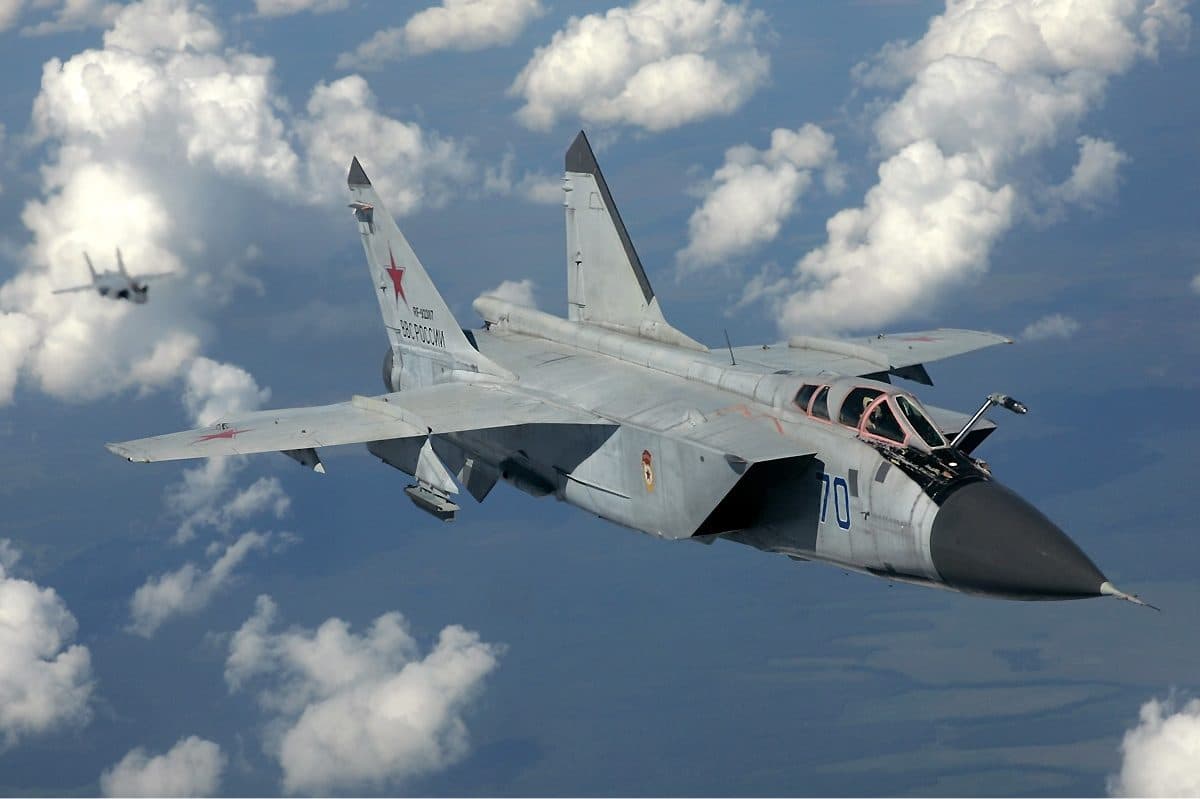
The MiG-31 was designed to catch the SR-71 Blackbird. It is still the fastest fighter in any air force. The Foxhound's Zaslon phased-array radar, the first ever installed in a fighter, can track 10 targets and engage 4 simultaneously at ranges exceeding 200 miles. Here is why Russia still flies a 1980s interceptor, and why the MiG-31BM carrying a Kinzhal hypersonic missile has changed what the aircraft means to modern warfare.