

15 Best World War II Books for History Enthusiasts (2026)
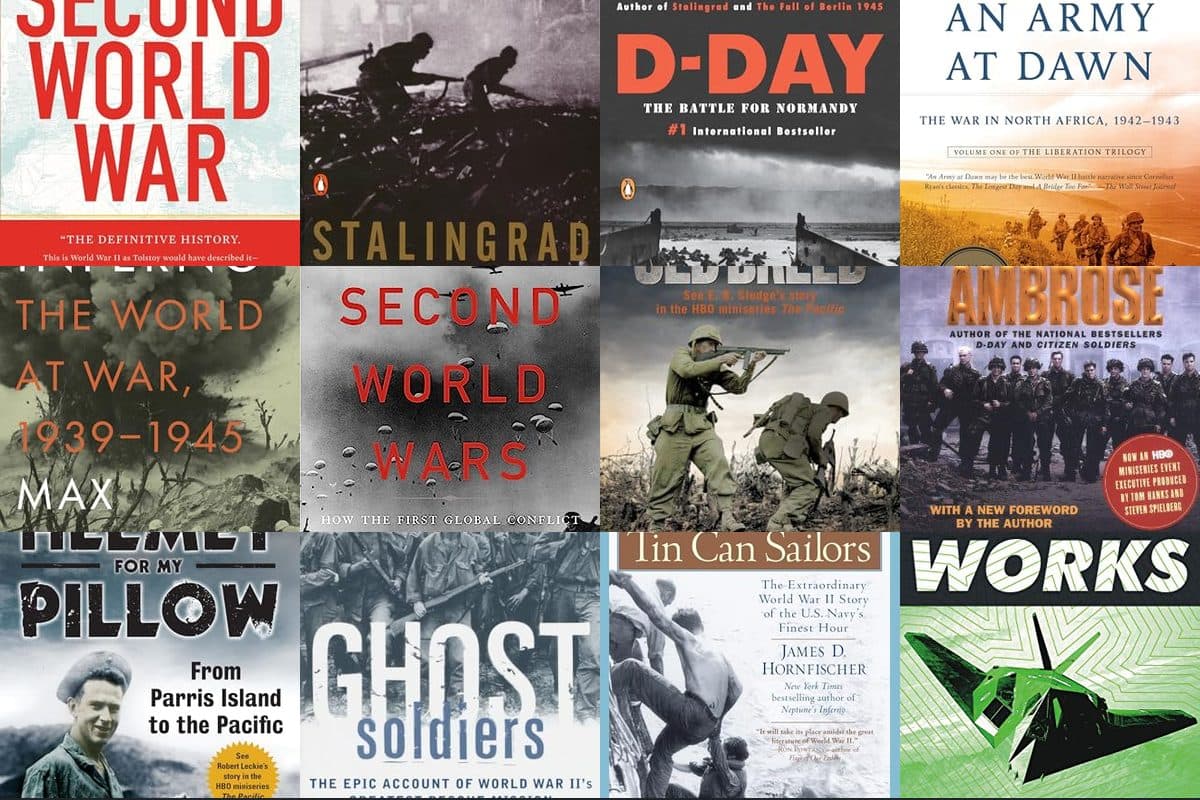
15 essential WW2 books covering every theater. Narrative histories, memoirs, and visual references ranked.
daniel-mercer··21 min read

British and Commonwealth forces under General Edmund Allenby captured Jerusalem from the Ottoman Empire, ending 400 years of Turkish rule over the Holy City. The Ottoman garrison withdrew rather than subject the city to bombardment, and Allenby famously entered on foot through the Jaffa Gate two days later out of respect for the holy sites, a deliberate contrast to the Kaiser's mounted entry in 1898. The fall of Jerusalem was a tremendous morale boost during a year of devastating Allied setbacks on the Western Front.
Patriot militia and Continental soldiers defeated a British and Loyalist force at the Battle of Great Bridge near Norfolk, Virginia. Royal Governor Lord Dunmore's troops, including formerly enslaved people fighting for their freedom in Dunmore's Ethiopian Regiment, were routed in a frontal assault across a narrow causeway. The victory effectively ended British royal authority in Virginia.
Patriot forces under General Antonio Jose de Sucre decisively defeated the Spanish Royalist army at the Battle of Ayacucho in the Peruvian Andes, effectively ending Spanish colonial rule on the South American mainland. The battle secured independence for Peru, Bolivia, and the rest of Spanish South America.
British and Commonwealth forces under General Edmund Allenby captured Jerusalem from the Ottoman Empire, ending 400 years of Turkish rule over the Holy City. The Ottoman garrison withdrew rather than subject the city to bombardment, and Allenby famously entered on foot through the Jaffa Gate two days later out of respect for the holy sites, a deliberate contrast to the Kaiser's mounted entry in 1898. The fall of Jerusalem was a tremendous morale boost during a year of devastating Allied setbacks on the Western Front.
The British Western Desert Force under Lieutenant General Sir Richard O'Connor launched Operation Compass, a surprise offensive against Italian forces in Egypt. Despite being outnumbered five to one, the British advanced over 500 miles in two months, destroying ten Italian divisions and capturing 130,000 prisoners, the first major Allied land victory of World War II.
After more than four years of undeclared warfare since the 1937 Marco Polo Bridge Incident, the Republic of China under Chiang Kai-shek issued formal declarations of war against Japan, Germany, and Italy. The action aligned China with the Allies and enabled US lend-lease support via the Burma Road.
The Nuremberg Doctors' Trial began proceedings against 23 German physicians and officials accused of conducting criminal medical experiments on concentration camp prisoners. The verdict produced the Nuremberg Code, the foundational document of modern medical ethics and a direct influence on US military medical research standards.
The 1st Marine Division continued its legendary fighting withdrawal from the Chosin Reservoir toward the coast, battling through Chinese encirclement in temperatures that plunged to minus 35 degrees Fahrenheit. The breakout from Hagaru-ri through Koto-ri became one of the most celebrated fighting retreats in military history, with General Oliver P. Smith famously declaring they were not retreating but "advancing in a different direction."
A WHO commission meeting in Geneva certified the global eradication of smallpox on December 9, 1979, ending the only successful campaign to eliminate a human disease and closing out a program that had consumed significant military medical resources across both Cold War blocs.
The First Intifada erupted in the Jabalya refugee camp in the Gaza Strip after an Israeli Defense Forces vehicle struck a line of Palestinian workers, killing four. The civil uprising that followed reshaped Israeli military doctrine and drove the development of the low-intensity urban warfare techniques that have influenced conflicts from Northern Ireland to Iraq.
U.S. Marines and Navy SEALs made an amphibious landing at Mogadishu, Somalia, in the opening phase of Operation Restore Hope. In a surreal scene, the operators storming the beach were met by dozens of journalists with cameras and bright lights who had been tipped off about the landing. The mission aimed to secure humanitarian relief operations in the famine-stricken country.

Rear Admiral
Pioneering computer scientist and U.S. Navy rear admiral who invented the first compiler and helped develop COBOL, one of the earliest standardized computer languages. "Amazing Grace" served over 42 years in the Navy, retiring in 1986 as the oldest active-duty commissioned officer in the service. Her innovations laid the foundation for modern military computing, and the guided-missile destroyer USS Hopper was named in her honor.

King of Sweden and one of the greatest military commanders in history, known as "The Lion of the North." Gustavus Adolphus revolutionized warfare during the Thirty Years' War by introducing combined-arms tactics that integrated mobile artillery, cavalry, and disciplined infantry formations. His innovations in military organization, logistics, and tactics, including lighter, more mobile cannons and the aggressive use of cavalry charges, transformed European warfare and established Sweden as a great power. He was killed at the Battle of Lutzen in 1632 while leading a cavalry charge.

Sergeant
African American soldier of the 54th Massachusetts Infantry whose extraordinary bravery during the assault on Fort Wagner, South Carolina, on July 18, 1863, earned him the Medal of Honor, the first actions by an African American to be so recognized. Though severely wounded multiple times, Carney never let the American flag touch the ground, telling his comrades upon returning to Union lines: "Boys, I only did my duty; the old flag never touched the ground." He died on this date in 1908.
Wear the Timeline
10 military events occurred on December 9, spanning multiple centuries. Key events include: British Forces Capture Jerusalem from the Ottoman Empire (1917), Battle of Great Bridge, Virginia (1775), Operation Compass: British Western Desert Force Attacks (1940), Marines Fight Through Chosin Reservoir Breakout (1950).
The most significant military event on December 9 is British Forces Capture Jerusalem from the Ottoman Empire (1917). British and Commonwealth forces under General Edmund Allenby captured Jerusalem from the Ottoman Empire, ending 400 years of Turkish rule over the Holy City. The Ottoman garrison withdrew rather than subject the city to bombardment, and Allenby famously entered on foot through the Jaffa Gate two days later out of respect for the holy sites, a deliberate contrast to the Kaiser's mounted entry in 1898. The fall of Jerusalem was a tremendous morale boost during a year of devastating Allied setbacks on the Western Front.
Notable military figures born on December 9 include Grace Hopper (1906–1992), Gustavus Adolphus (1594–1632).
Events on December 9 span World War I, the Colonial & Revolutionary era, World War II, the Korean War, the Modern Era, the Cold War, covering 10 events across 3 centuries of military history.
Events on December 9 involve 5 branches of the U.S. and allied armed forces, reflecting the global scope of military operations throughout history.
Explore military history from the day you were born.
June 6
The Allied invasion of Normandy, the largest amphibious assault in history.
December 7
Japan attacks the U.S. Pacific Fleet, bringing America into World War II.
September 11
The deadliest terrorist attack in history transforms U.S. national security.
August 6
The first atomic bomb is dropped on a city, ushering in the nuclear age.
May 8
Nazi Germany surrenders unconditionally, ending World War II in Europe.
November 11
Armistice Day marks the end of World War I and honors all who served.
June 4
The turning point of the Pacific War as the U.S. Navy destroys four Japanese carriers.
July 4
The Declaration of Independence is adopted, sparking the American Revolution.
15 essential WW2 books covering every theater. Narrative histories, memoirs, and visual references ranked.
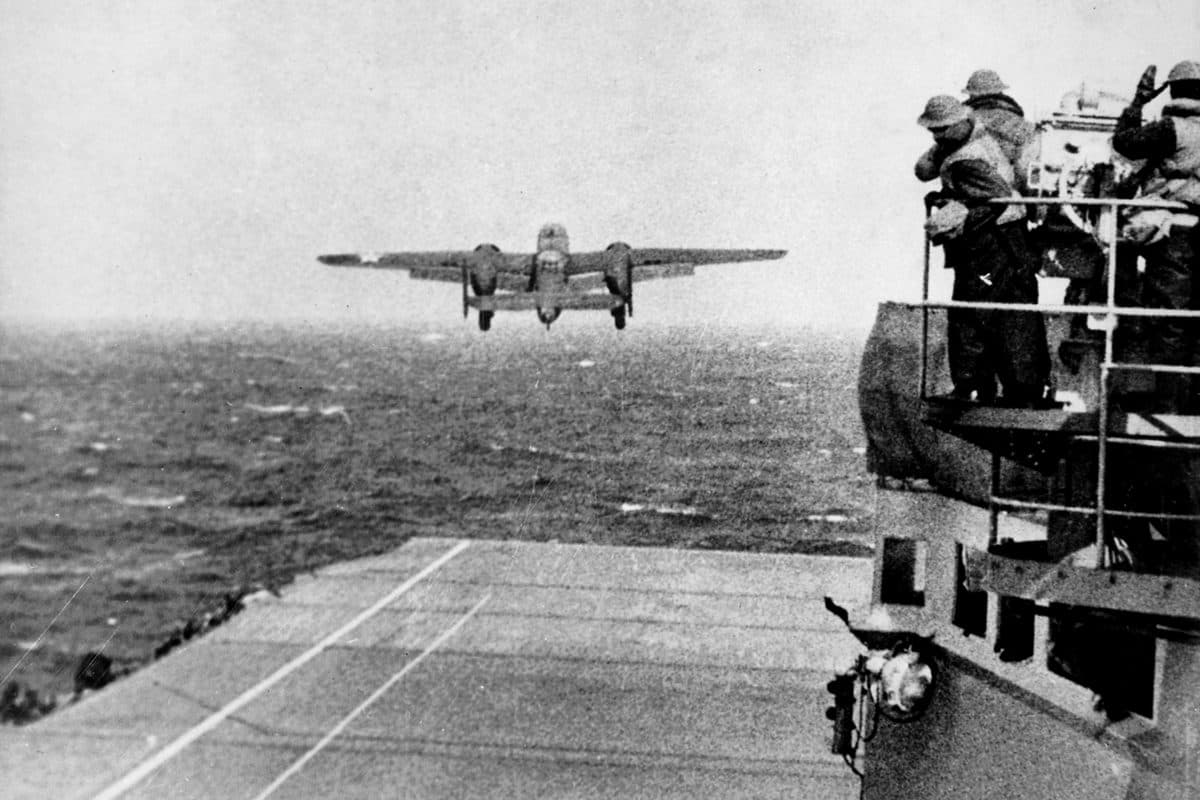
On April 18, 1942, sixteen B-25 Mitchell bombers did something no one thought possible: they launched from the deck of an aircraft carrier, flew 650 miles to Japan, and bombed Tokyo. Every aircraft was lost. The damage was negligible. The consequences changed the war.
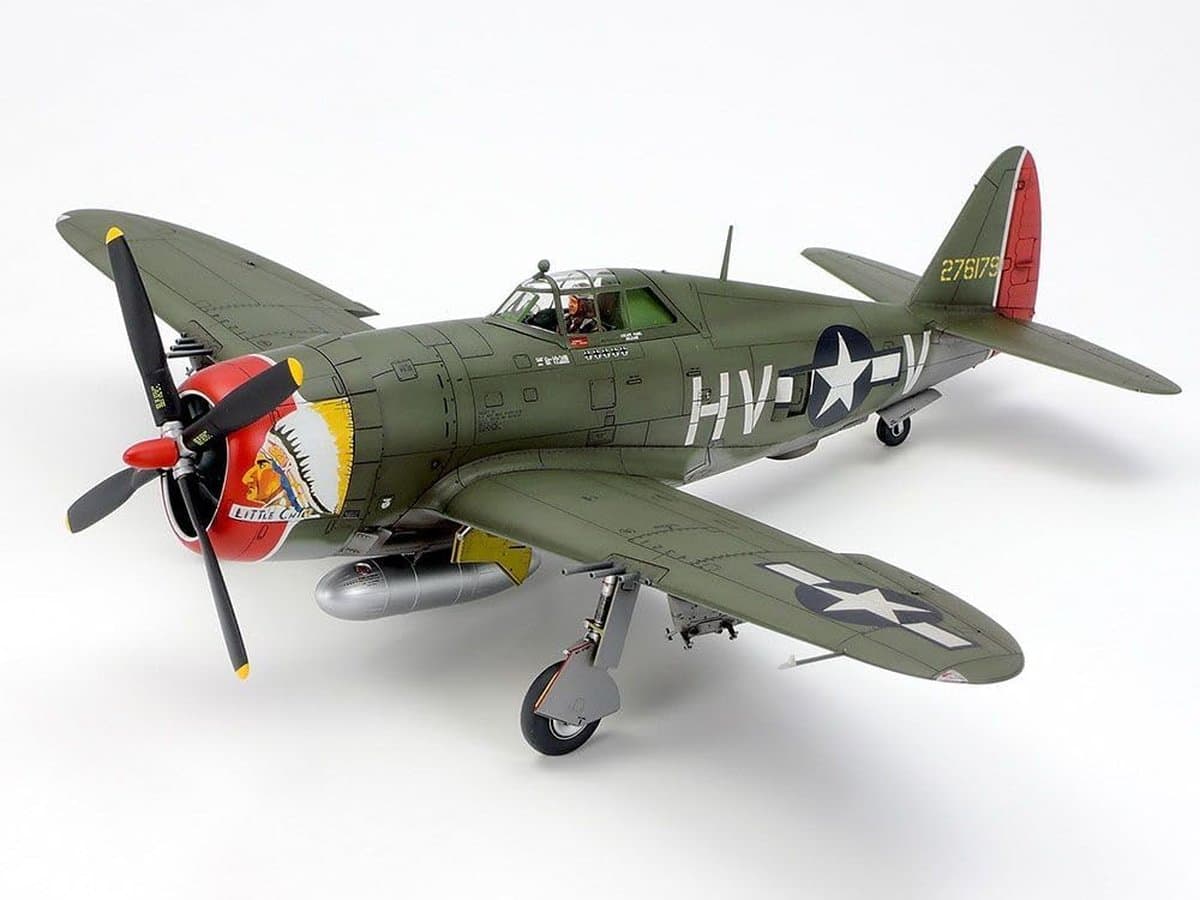
Compare 85+ WW2 scale model kits across aircraft, tanks, and ships. Beginner builds from $9 to museum-grade showpieces at $580. Covers Tamiya, Eduard, HK Models, Trumpeter, and more with honest reviews, trade-offs, and pricing.

On April 7, 1945, the Imperial Japanese Navy sent the largest battleship ever built on a one-way suicide mission to Okinawa. She never arrived. 386 American aircraft found her first, and sank her in under two hours.