


15 Best World War II Books for History Enthusiasts (2026)
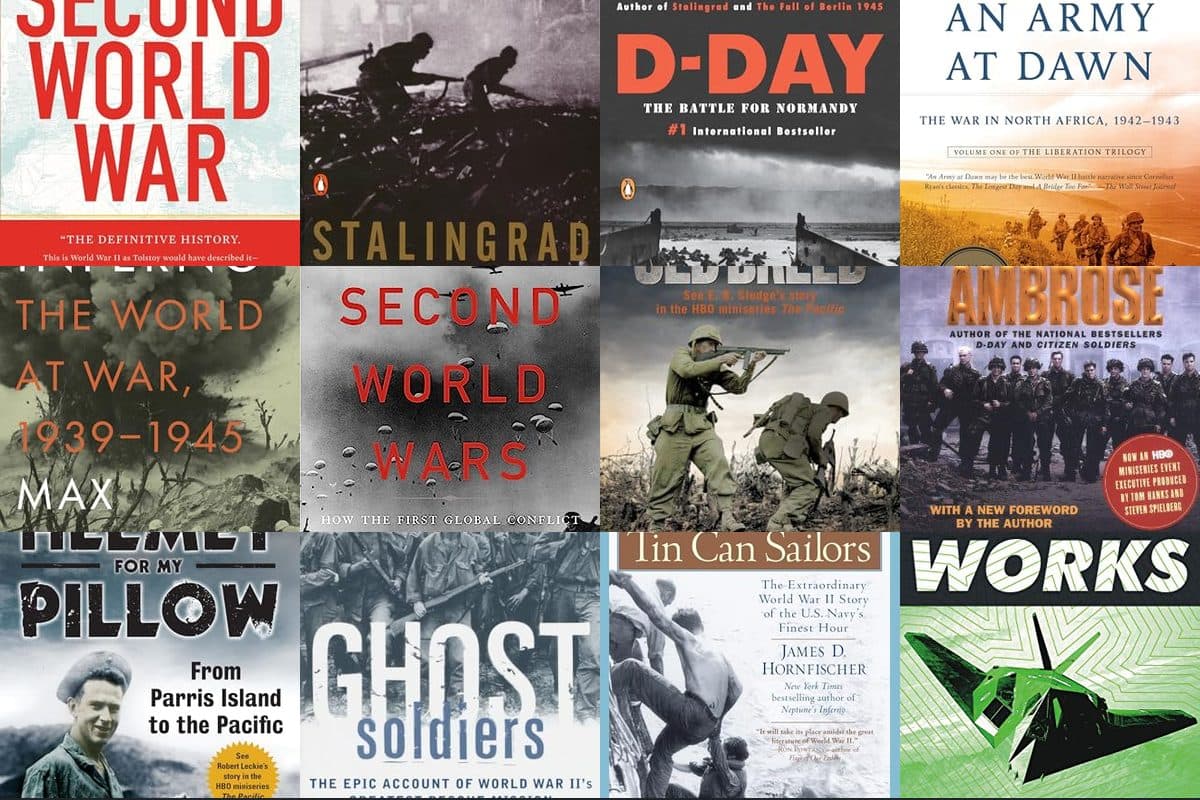
15 essential WW2 books covering every theater. Narrative histories, memoirs, and visual references ranked.
daniel-mercer··21 min read

Japanese land-based bombers and torpedo planes sank the British battleship HMS Prince of Wales and battlecruiser HMS Repulse off the coast of Malaya in the South China Sea. The loss of these two capital ships, the first time major warships operating at sea and under way were sunk solely by air power, proved decisively that the age of the battleship was over. Admiral Sir Tom Phillips and 840 men were killed.
The Confederate Congress admitted Kentucky as the thirteenth state of the Confederacy, recognizing the shadow government installed by pro-Confederate Kentuckians meeting in Russellville. Kentucky never actually seceded from the Union, leaving the state contested between Union and Confederate military forces throughout the war.
After marching 285 miles in 24 days from Atlanta, Sherman's 62,000 troops reached the outskirts of Savannah, Georgia, completing the March to the Sea. The city was defended by about 10,000 Confederate troops under General William Hardee. Sherman now needed to reestablish contact with the Union Navy for resupply before assaulting the city.
The Treaty of Paris was signed in the French capital, formally ending the Spanish-American War. Spain ceded the Philippines, Guam, and Puerto Rico to the United States and relinquished sovereignty over Cuba. The treaty transformed the United States overnight from a continental republic into a global imperial power with possessions stretching from the Caribbean to the Western Pacific.
President Theodore Roosevelt received the Nobel Peace Prize for mediating the end of the Russo-Japanese War through the 1905 Treaty of Portsmouth. The award recognized the first use of the United States as a great-power diplomatic broker and shaped American foreign policy doctrine for the twentieth century.
Japanese land-based bombers and torpedo planes sank the British battleship HMS Prince of Wales and battlecruiser HMS Repulse off the coast of Malaya in the South China Sea. The loss of these two capital ships, the first time major warships operating at sea and under way were sunk solely by air power, proved decisively that the age of the battleship was over. Admiral Sir Tom Phillips and 840 men were killed.
The small American garrison on Guam surrendered to a Japanese invasion force after a brief but hopeless defense. The tiny garrison of 153 Marines and 271 Navy personnel had no chance against 5,000 Japanese troops. Guam would not be liberated until the bloody fighting of July-August 1944.
Japanese land-based naval bombers sank the Royal Navy battleship HMS Prince of Wales and battlecruiser HMS Repulse off the east coast of Malaya, the first capital ships ever sunk at sea by air attack alone while underway and maneuvering. The loss ended the age of the battleship as the measure of naval power.
The UN General Assembly, meeting in Paris, adopted the Universal Declaration of Human Rights, drafted largely by Eleanor Roosevelt's committee in response to the horrors of World War II and the Holocaust. The declaration established a global standard for human rights that would profoundly influence international law, military rules of engagement, and the conduct of warfare for decades.
Raul Alfonsin was inaugurated as President of Argentina, ending seven years of military junta rule that had collapsed after the 1982 defeat in the Falklands War. The transition launched prosecutions of junta leaders and produced doctrinal reforms that influenced civil-military relations across Latin America.
Iraqi Prime Minister Haider al-Abadi announced the full military defeat of the Islamic State in Iraqi territory, three and a half years after ISIS had captured Mosul and declared a caliphate. The announcement ended the major combat phase of Operation Inherent Resolve, though counterinsurgency operations against ISIS remnants continued.

Field Marshal
British Field Marshal who commanded Allied forces in some of World War II's most critical campaigns. Alexander oversaw the final stages of the Dunkirk evacuation, commanded the Allied retreat in Burma, and then led the 18th Army Group to victory in Tunisia. As Supreme Allied Commander in the Mediterranean, he directed the invasions of Sicily and Italy. Churchill called him "the best we have," and after the war Alexander served as Governor-General of Canada.

Captain
First director of the WAVES (Women Accepted for Volunteer Emergency Service), the women's branch of the United States Naval Reserve during World War II. McAfee was the first woman to be commissioned as an officer in the U.S. Navy and oversaw the expansion of WAVES from its founding in 1942 to a force of 86,000 women who served in critical roles ranging from code-breaking to air traffic control, freeing tens of thousands of men for combat duty.

Swedish chemist, engineer, and inventor of dynamite and ballistite smokeless powder, who died on this date in 1896. Nobel's invention of dynamite in 1867 and its military applications in demolitions and explosive ordnance transformed modern warfare. Upon reading a premature obituary that called him "the merchant of death," Nobel established the Nobel Prizes in his will, including the Nobel Peace Prize. The ceremony is held on December 10 each year, the anniversary of his death.
Wear the Timeline
10 military events occurred on December 10, spanning multiple centuries. Key events include: Sinking of HMS Prince of Wales and HMS Repulse (1941), Treaty of Paris Ends the Spanish-American War (1898), Sherman's Army Reaches the Outskirts of Savannah (1864), Force Z Lost: HMS Prince of Wales and Repulse Sunk by Japanese Air Attack (1941).
The most significant military event on December 10 is Sinking of HMS Prince of Wales and HMS Repulse (1941). Japanese land-based bombers and torpedo planes sank the British battleship HMS Prince of Wales and battlecruiser HMS Repulse off the coast of Malaya in the South China Sea. The loss of these two capital ships, the first time major warships operating at sea and under way were sunk solely by air power, proved decisively that the age of the battleship was over. Admiral Sir Tom Phillips and 840 men were killed.
Notable military figures born on December 10 include Harold Alexander (1891–1969), Mildred McAfee Horton (1900–1994).
Events on December 10 span World War II, the Interwar Period, the Civil War, the Cold War, the Modern Era, covering 10 events across 3 centuries of military history.
Events on December 10 involve 4 branches of the U.S. and allied armed forces, reflecting the global scope of military operations throughout history.
Explore military history from the day you were born.
June 6
The Allied invasion of Normandy, the largest amphibious assault in history.
December 7
Japan attacks the U.S. Pacific Fleet, bringing America into World War II.
September 11
The deadliest terrorist attack in history transforms U.S. national security.
August 6
The first atomic bomb is dropped on a city, ushering in the nuclear age.
May 8
Nazi Germany surrenders unconditionally, ending World War II in Europe.
November 11
Armistice Day marks the end of World War I and honors all who served.
June 4
The turning point of the Pacific War as the U.S. Navy destroys four Japanese carriers.
July 4
The Declaration of Independence is adopted, sparking the American Revolution.
15 essential WW2 books covering every theater. Narrative histories, memoirs, and visual references ranked.
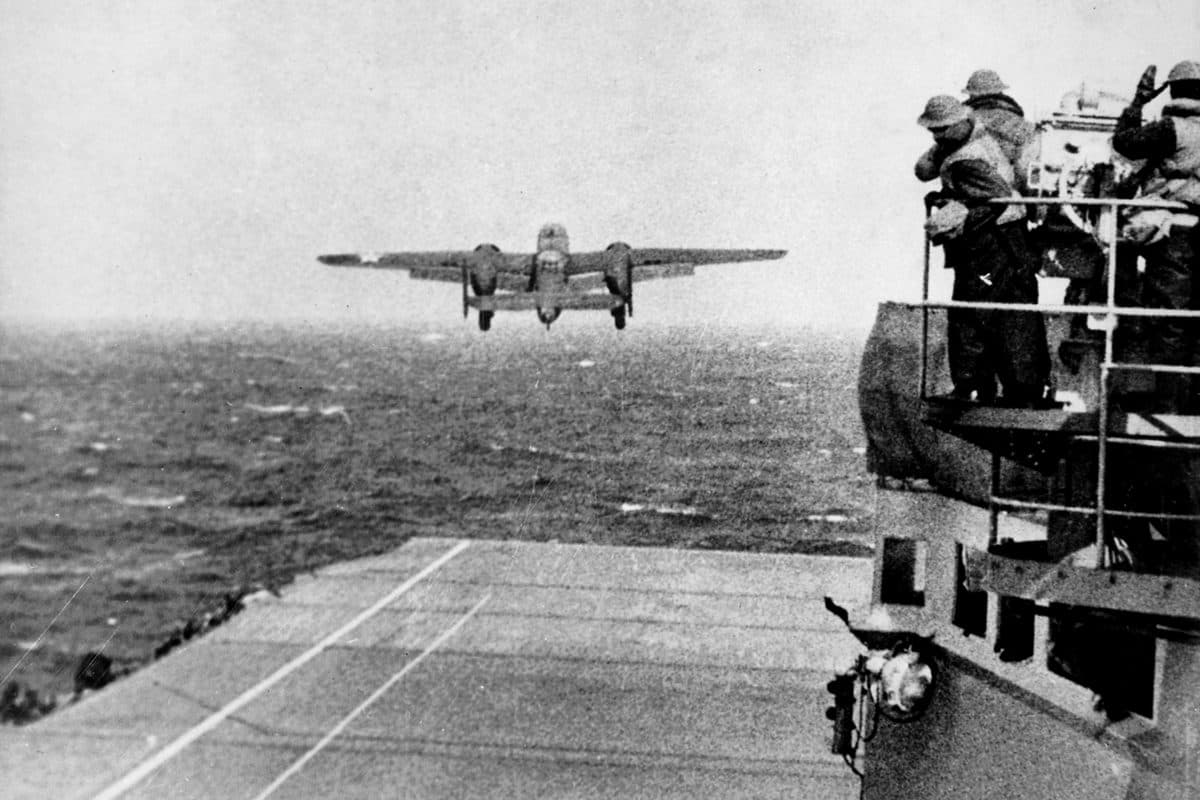
On April 18, 1942, sixteen B-25 Mitchell bombers did something no one thought possible: they launched from the deck of an aircraft carrier, flew 650 miles to Japan, and bombed Tokyo. Every aircraft was lost. The damage was negligible. The consequences changed the war.
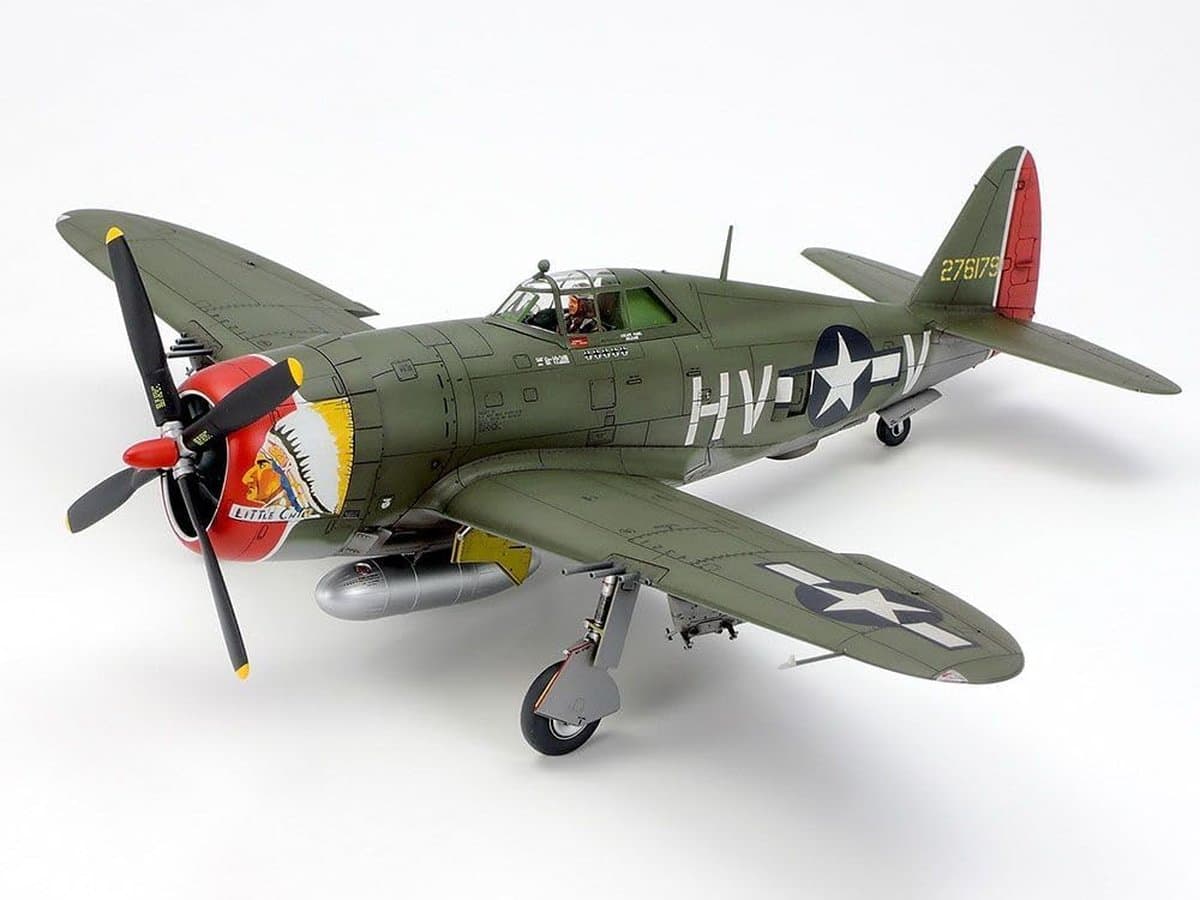
Compare 85+ WW2 scale model kits across aircraft, tanks, and ships. Beginner builds from $9 to museum-grade showpieces at $580. Covers Tamiya, Eduard, HK Models, Trumpeter, and more with honest reviews, trade-offs, and pricing.

On April 7, 1945, the Imperial Japanese Navy sent the largest battleship ever built on a one-way suicide mission to Okinawa. She never arrived. 386 American aircraft found her first, and sank her in under two hours.