

15 Best World War II Books for History Enthusiasts (2026)
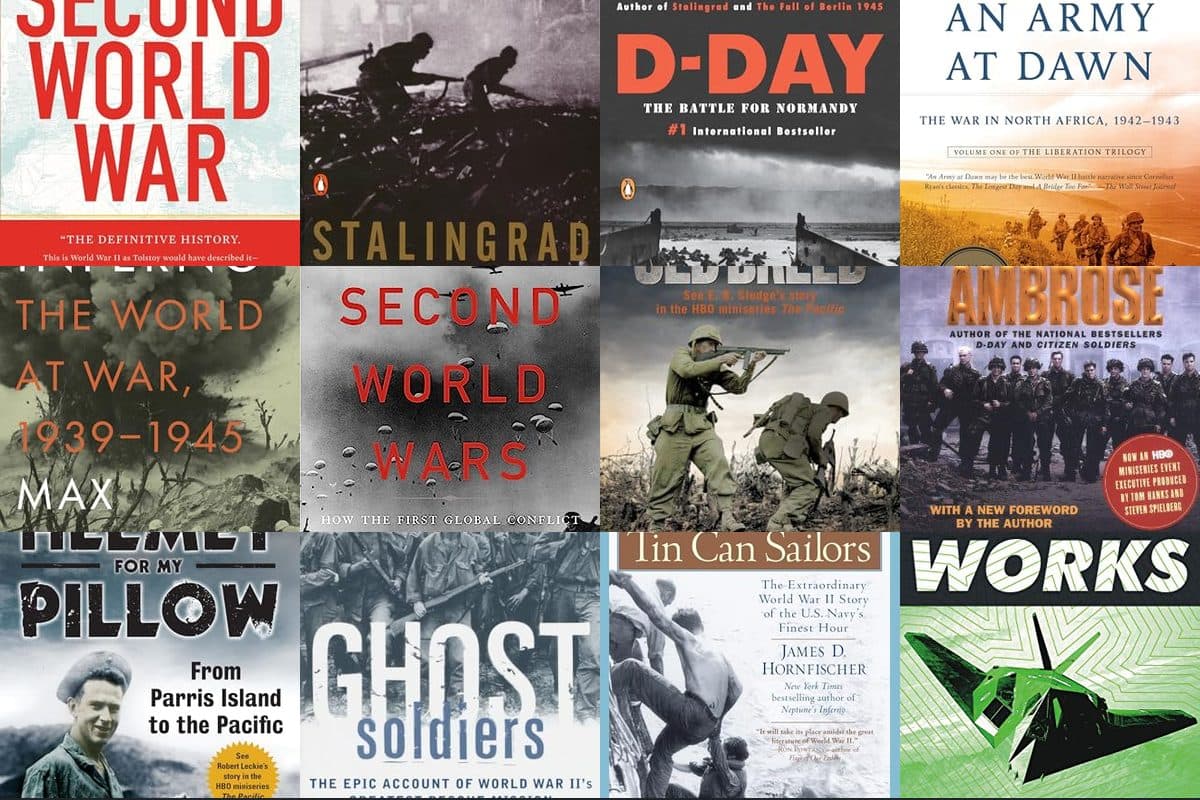
15 essential WW2 books covering every theater. Narrative histories, memoirs, and visual references ranked.
daniel-mercer··21 min read

Four days after Pearl Harbor, Nazi Germany and Fascist Italy declared war on the United States. Hitler announced the declaration in a rambling speech at the Reichstag, while Mussolini proclaimed from his balcony overlooking the Piazza Venezia that Italy would fight "on the side of heroic Japan." Congress responded within hours, voting unanimously, 393-0 against Germany and 399-0 against Italy, making the European and Pacific conflicts one truly global war.
King James II of England fled London and threw the Great Seal into the Thames, completing the Glorious Revolution that brought William of Orange and Mary II to the English throne. The transition produced the Bill of Rights of 1689 and the parliamentary control of the military that shaped Anglo-American civil-military doctrine.
Indiana was admitted to the Union as the 19th state, carved from the Northwest Territory that had been won through military campaigns during the American Revolution and the subsequent Indian Wars. The state's very name reflected its history as contested ground between settlers and Native American nations, a frontier that produced future military leaders including Ambrose Burnside and Benjamin Harrison.
The Haitian revolutionary forces under General Nissage Saget stormed the citadel at Cité-à-Henry, toppling President Sylvain Salnave's government. The battle was part of a broader pattern of military upheaval in the Caribbean that would draw increasing American military attention to the region over the following decades.
Two days after Ottoman forces surrendered Jerusalem, General Edmund Allenby made his famous formal entry into the Holy City on foot through the Jaffa Gate. His deliberate humility, walking instead of riding, contrasted with the Kaiser's mounted entry in 1898 and resonated across the Christian, Jewish, and Muslim worlds as a gesture of respect for the sacred city.
Four days after Pearl Harbor, Nazi Germany and Fascist Italy declared war on the United States. Hitler announced the declaration in a rambling speech at the Reichstag, while Mussolini proclaimed from his balcony overlooking the Piazza Venezia that Italy would fight "on the side of heroic Japan." Congress responded within hours, voting unanimously, 393-0 against Germany and 399-0 against Italy, making the European and Pacific conflicts one truly global war.
The aircraft ferry carrier USNS Core arrived in Saigon with 33 H-21 Shawnee helicopters and 400 air and ground crewmen, the first direct American military support unit deployed to South Vietnam. The helicopters, assigned to two U.S. Army helicopter companies, would begin combat operations within days, marking a significant escalation of American involvement in the growing conflict.
The Apollo 17 Lunar Module Challenger touched down at the Taurus-Littrow valley on the Moon, delivering the final crewed mission of the Apollo program. Commander Eugene Cernan and geologist Harrison Schmitt conducted three lunar surface excursions that contributed to orbital mechanics and spaceflight doctrines the US military continues to rely on for satellite operations.
Apollo 17 commander Eugene Cernan and lunar module pilot Harrison Schmitt touched down in the Taurus-Littrow valley on December 11, 1972, beginning the last crewed mission to the Moon's surface and the most scientifically ambitious Apollo landing of the program.
The Reagan administration formally expanded the US military advisor mission in El Salvador in response to the growing FMLN insurgency, ultimately deploying more than 55 US trainers and billions of dollars in military aid. The counterinsurgency campaign shaped Special Forces doctrine for the remainder of the Cold War and through the post-2001 Iraq and Afghanistan wars.
Russian Federation ground forces crossed into the Chechen Republic with armor, artillery, and air support, beginning the First Chechen War. The campaign would expose severe weaknesses in post-Soviet Russian military readiness and produce urban combat lessons that influenced doctrine across NATO and the former Warsaw Pact.

Captain
Soviet artillery officer who commanded a sound-ranging battery during World War II and was decorated three times for personal heroism before his arrest by SMERSH in 1945 for criticizing Stalin in private correspondence. His eight years in the Gulag and subsequent exile became the raw material for the greatest literary indictment of totalitarianism ever written, "The Gulag Archipelago", which exposed the Soviet prison camp system to the world and earned him the Nobel Prize in Literature.

Major
Legendary Mayor of New York City who served as a pilot and flight instructor on the Italian front during World War I, rising to the rank of Major in the U.S. Army Air Service. La Guardia commanded the American aviation forces on the Italian-Austrian front and flew bombing missions over Austrian targets. As mayor from 1934 to 1945, he led New York City through the Great Depression and World War II, building the infrastructure that supported the massive wartime mobilization effort. New York's major airport bears his name.

Pilot Officer
Anglo-American fighter pilot serving in the Royal Canadian Air Force who was killed at age 19 in a midair collision over Lincolnshire, England, on this date in 1941, just four days after Pearl Harbor. His immortal sonnet "High Flight," written three months before his death, became the most famous poem about aviation ever composed: "Oh! I have slipped the surly bonds of Earth / And danced the skies on laughter-silvered wings." The poem has been recited by presidents and astronauts, and for decades closed the broadcast day on American television.
Wear the Timeline
10 military events occurred on December 11, spanning multiple centuries. Key events include: Germany and Italy Declare War on the United States (1941), British Capture Jerusalem, Allenby's Formal Entry (1917), First U.S. Helicopter Units Arrive in Vietnam (1961), Apollo 17 Lunar Module Challenger Lands in Taurus-Littrow Valley (1972).
The most significant military event on December 11 is Germany and Italy Declare War on the United States (1941). Four days after Pearl Harbor, Nazi Germany and Fascist Italy declared war on the United States. Hitler announced the declaration in a rambling speech at the Reichstag, while Mussolini proclaimed from his balcony overlooking the Piazza Venezia that Italy would fight "on the side of heroic Japan." Congress responded within hours, voting unanimously, 393-0 against Germany and 399-0 against Italy, making the European and Pacific conflicts one truly global war.
Notable military figures born on December 11 include Aleksandr Solzhenitsyn (1918–2008), Fiorello La Guardia (1882–1947).
Events on December 11 span World War II, the Colonial & Revolutionary era, the Interwar Period, World War I, the Vietnam War, the Modern Era, the Cold War, covering 10 events across 3 centuries of military history.
Events on December 11 involve 5 branches of the U.S. and allied armed forces, reflecting the global scope of military operations throughout history.
Explore military history from the day you were born.
June 6
The Allied invasion of Normandy, the largest amphibious assault in history.
December 7
Japan attacks the U.S. Pacific Fleet, bringing America into World War II.
September 11
The deadliest terrorist attack in history transforms U.S. national security.
August 6
The first atomic bomb is dropped on a city, ushering in the nuclear age.
May 8
Nazi Germany surrenders unconditionally, ending World War II in Europe.
November 11
Armistice Day marks the end of World War I and honors all who served.
June 4
The turning point of the Pacific War as the U.S. Navy destroys four Japanese carriers.
July 4
The Declaration of Independence is adopted, sparking the American Revolution.
15 essential WW2 books covering every theater. Narrative histories, memoirs, and visual references ranked.
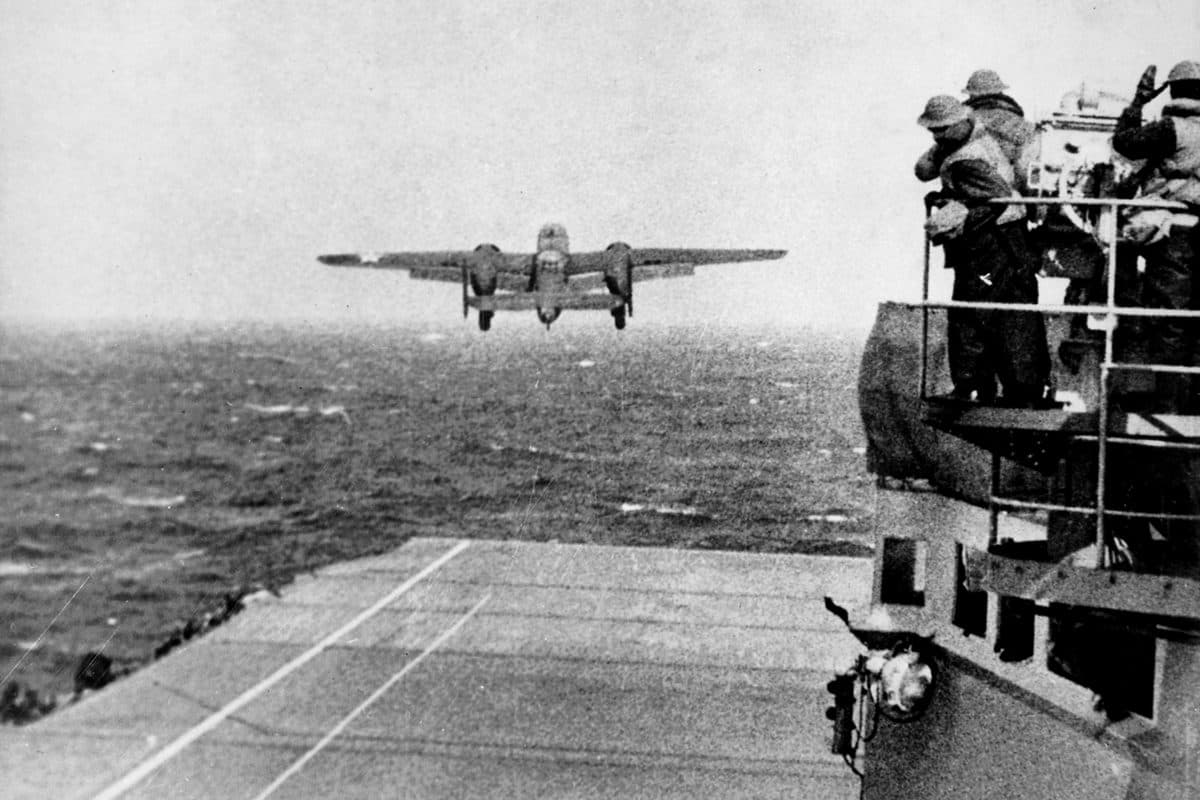
On April 18, 1942, sixteen B-25 Mitchell bombers did something no one thought possible: they launched from the deck of an aircraft carrier, flew 650 miles to Japan, and bombed Tokyo. Every aircraft was lost. The damage was negligible. The consequences changed the war.
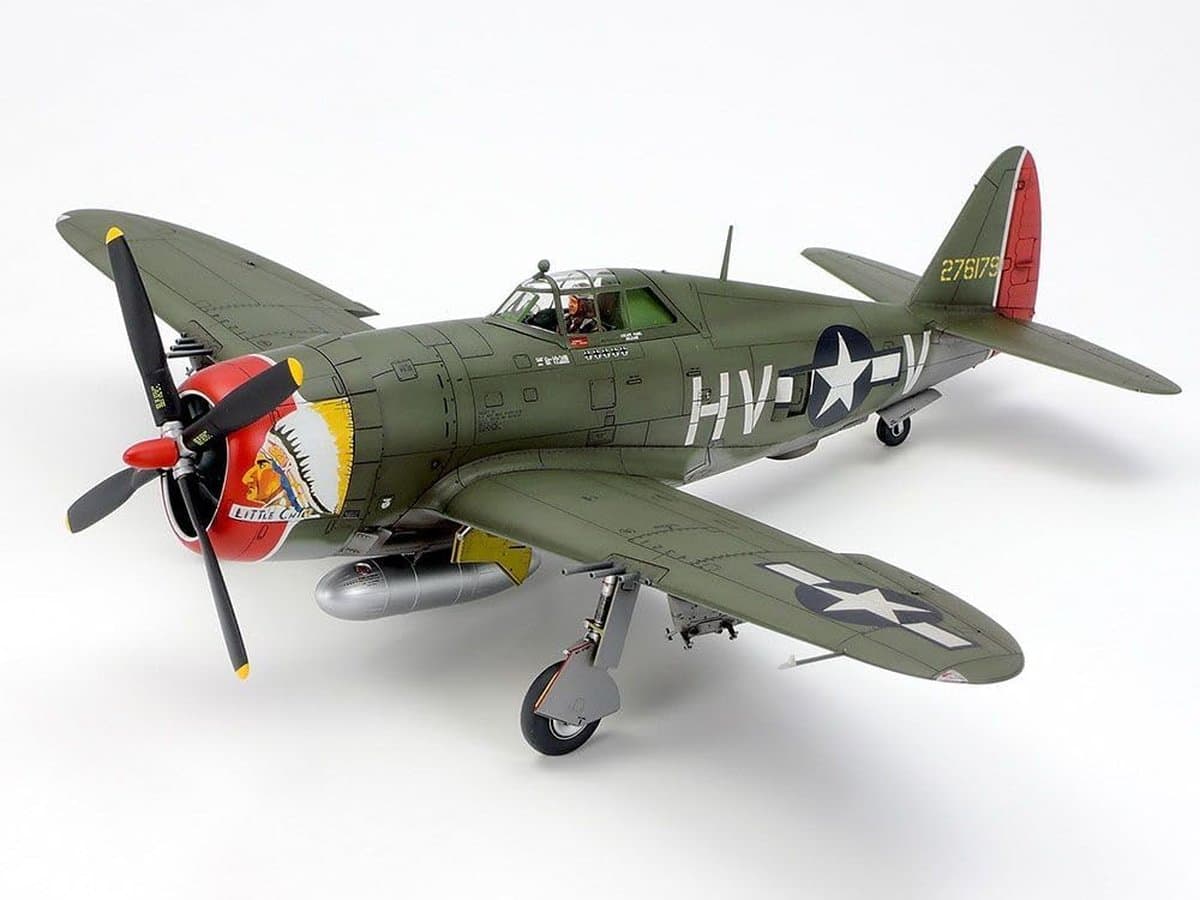
Compare 85+ WW2 scale model kits across aircraft, tanks, and ships. Beginner builds from $9 to museum-grade showpieces at $580. Covers Tamiya, Eduard, HK Models, Trumpeter, and more with honest reviews, trade-offs, and pricing.

On April 7, 1945, the Imperial Japanese Navy sent the largest battleship ever built on a one-way suicide mission to Okinawa. She never arrived. 386 American aircraft found her first, and sank her in under two hours.