

20 Chilling Quotes from the Trenches of World War I
Harrowing first-person accounts from soldiers who endured the mud, gas, and constant shelling of World War I's Western Front.
james-holloway··8 min read
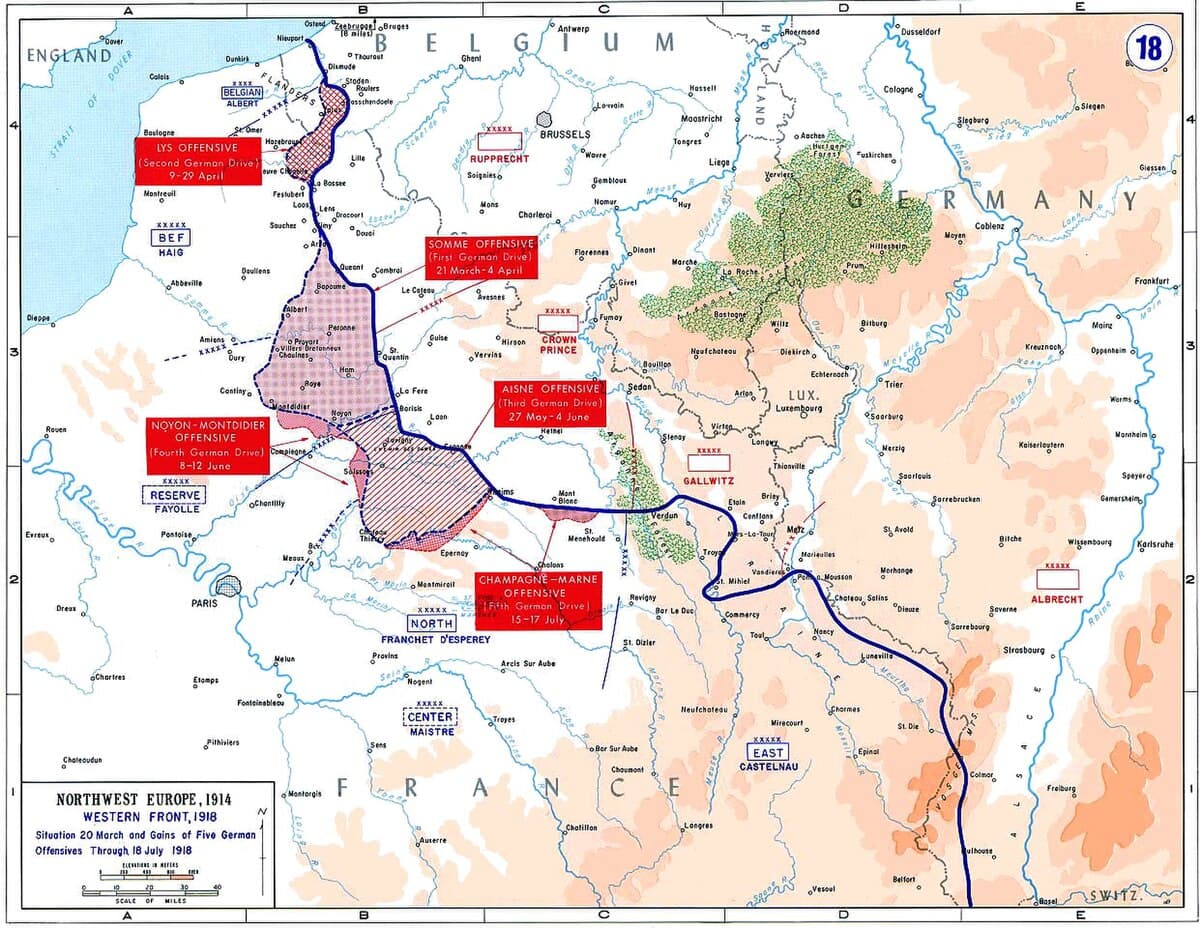
At 4:40 AM, more than 6,600 German artillery pieces opened fire along a 40-mile front, unleashing over 1,160,000 shells in a five-hour bombardment, the largest barrage of the entire war. Seventy-four German divisions then struck 26 British divisions using infiltration stormtrooper tactics, shattering the British Fifth Army. The first day produced 38,500 British casualties, including 21,000 prisoners, the second-worst day in British military history. The Spring Offensive ultimately failed, costing Germany 239,800 irreplaceable casualties and setting the stage for the Allied victory.
Related articleThomas Cranmer, Archbishop of Canterbury and architect of the English Reformation, was burned at the stake in Oxford on the orders of Queen Mary I. In a dramatic act of defiance, Cranmer thrust his right hand, the hand that had signed recantations under duress, into the flames first, declaring it "unworthy." His execution solidified Protestant resistance to Mary's Catholic restoration.
Approximately 300 British Queen's Rangers under Major John Graves Simcoe attacked the Hancock House near Salem, New Jersey, in a pre-dawn raid, bayoneting at least 20 of 30 sleeping colonial militia members, many killed after attempting to surrender. Among the dead was Judge William Hancock, ironically a Loyalist who supported the British cause. The massacre hardened colonial resolve in southern New Jersey.
French forces under General Menou launched a surprise pre-dawn attack on British positions outside Alexandria, Egypt. The British under General Sir Ralph Abercromby repelled the assault after fierce fighting, but Abercromby was mortally wounded by a musket ball. The victory ended Napoleon's ambitions in Egypt and proved his army could be beaten on land, boosting Allied confidence across Europe.
Napoleon Bonaparte promulgated the Code Civil des Français, the Napoleonic Code, which became the most influential legal code in modern history. The code replaced the patchwork of feudal, regional, and ecclesiastical laws across France with a unified system that also reformed military justice, conscription laws, and property rights across every territory Napoleon conquered.
At 4:40 AM, more than 6,600 German artillery pieces opened fire along a 40-mile front, unleashing over 1,160,000 shells in a five-hour bombardment, the largest barrage of the entire war. Seventy-four German divisions then struck 26 British divisions using infiltration stormtrooper tactics, shattering the British Fifth Army. The first day produced 38,500 British casualties, including 21,000 prisoners, the second-worst day in British military history. The Spring Offensive ultimately failed, costing Germany 239,800 irreplaceable casualties and setting the stage for the Allied victory.
Related articleColonel Rudolf-Christoph von Gersdorff attempted to assassinate Adolf Hitler with a suicide bombing at the Zeughaus in Berlin during Heroes' Memorial Day. With Göring, Himmler, Keitel, and Dönitz all present, Gersdorff activated two ten-minute delayed fuses on bombs hidden in his coat pockets and positioned himself near Hitler during a tour of captured Soviet weapons. But Hitler raced through the exhibition in under ten minutes and left. Gersdorff defused the devices in a bathroom at the last second.
Related articleRAF Mosquito fighter-bombers carried out a precision low-level raid on the Shellhus building in Copenhagen, Denmark, which served as Gestapo headquarters. The raid destroyed the building, killed 55 German soldiers, and freed 18 Danish prisoners. But one Mosquito crashed into a nearby school, and subsequent waves mistakenly bombed it, killing 86 schoolchildren and 17 teachers in one of the war's most tragic friendly-fire incidents.
President Jimmy Carter announced that the United States would boycott the 1980 Moscow Summer Olympics in response to the Soviet invasion of Afghanistan in December 1979. The boycott, joined by 65 other nations, was the most significant use of sports as a Cold War weapon and marked an escalation in the confrontation over Afghanistan that would ultimately contribute to the Soviet Union's collapse.
During night operations in the Sea of Japan, the aircraft carrier USS Kitty Hawk collided with the Soviet Victor I-class nuclear submarine K-314, which had been shadowing the carrier group. The collision severely damaged the submarine's propeller, it had to be towed to Vladivostok, and tore a large hole in the carrier's bow, causing thousands of tons of jet fuel to leak. Neither nuclear weapons nor fuel detonated. It was one of the most dangerous Cold War naval confrontations.
Following initial targeted strikes on March 19-20, the full-scale "Shock and Awe" air campaign against Iraq began with approximately 1,700 sorties and 504 cruise missiles. Simultaneously, over 2,000 tanks and armored vehicles crossed the Kuwaiti border, beginning the ground invasion. Baghdad fell 20 days later, but the swift military victory gave way to a prolonged insurgency that lasted years.

Second Lieutenant, U.S. Army (10th Cavalry)
The first African American to graduate from West Point (1877), assigned to the 10th Cavalry "Buffalo Soldiers." He served with distinction on the frontier before being dishonorably discharged in 1882 on racially motivated charges. In 1976, the Army posthumously upgraded his discharge to honorable, and President Clinton granted him a full presidential pardon in 1999.

Commander-in-Chief and President of Mexico
Of Zapotec indigenous heritage, Juárez led Mexico through the Reform War and the Second French Intervention, refusing to surrender when Napoleon III installed a European emperor. He directed the guerrilla resistance that defeated the French and executed Maximilian, making him one of the most revered military commanders in Mexican history.

Major General (brevet), U.S. Army
One of the most effective frontier commanders in U.S. history who served with distinction in the Civil War and commanded campaigns against the Apache, including the capture of Geronimo. Unusually for his era, Crook publicly advocated for fair treatment of Native Americans. He died suddenly of a heart attack while commanding the Division of the Missouri.
Wear the Timeline
10 military events occurred on March 21, spanning multiple centuries. Key events include: Operation Michael, The Kaiser's Last Gamble (1918), Von Gersdorff's Suicide Bomb Attempt on Hitler (1943), Operation Carthage, RAF Bombs Gestapo HQ in Copenhagen (1945), "Shock and Awe" Bombing Campaign Begins Over Iraq (2003).
The most significant military event on March 21 is Operation Michael, The Kaiser's Last Gamble (1918). At 4:40 AM, more than 6,600 German artillery pieces opened fire along a 40-mile front, unleashing over 1,160,000 shells in a five-hour bombardment, the largest barrage of the entire war. Seventy-four German divisions then struck 26 British divisions using infiltration stormtrooper tactics, shattering the British Fifth Army. The first day produced 38,500 British casualties, including 21,000 prisoners, the second-worst day in British military history. The Spring Offensive ultimately failed, costing Germany 239,800 irreplaceable casualties and setting the stage for the Allied victory.
Notable military figures born on March 21 include Second Lieutenant Henry Ossian Flipper (1856–1940), President Benito Juárez (1806–1872).
Events on March 21 span World War I, World War II, the Colonial & Revolutionary era, the Cold War, the Modern Era, covering 10 events across 5 centuries of military history.
Events on March 21 involve 5 branches of the U.S. and allied armed forces, reflecting the global scope of military operations throughout history.
Explore military history from the day you were born.
June 6
The Allied invasion of Normandy, the largest amphibious assault in history.
December 7
Japan attacks the U.S. Pacific Fleet, bringing America into World War II.
September 11
The deadliest terrorist attack in history transforms U.S. national security.
August 6
The first atomic bomb is dropped on a city, ushering in the nuclear age.
May 8
Nazi Germany surrenders unconditionally, ending World War II in Europe.
November 11
Armistice Day marks the end of World War I and honors all who served.
June 4
The turning point of the Pacific War as the U.S. Navy destroys four Japanese carriers.
July 4
The Declaration of Independence is adopted, sparking the American Revolution.
Harrowing first-person accounts from soldiers who endured the mud, gas, and constant shelling of World War I's Western Front.
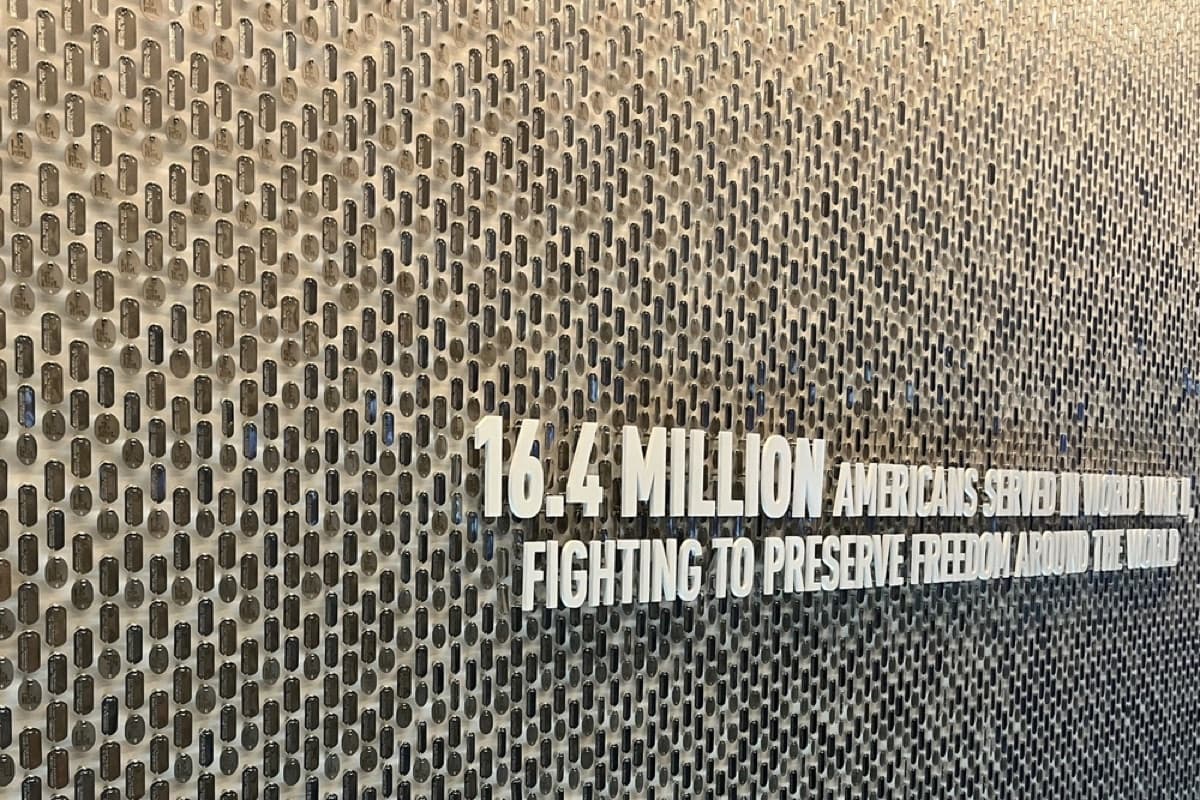
Calvin Graham Was Youngest Decorated US Soldier at 12 Pearl Harbor Visitors Bureau “Green Boys” was a term given to soldiers who…
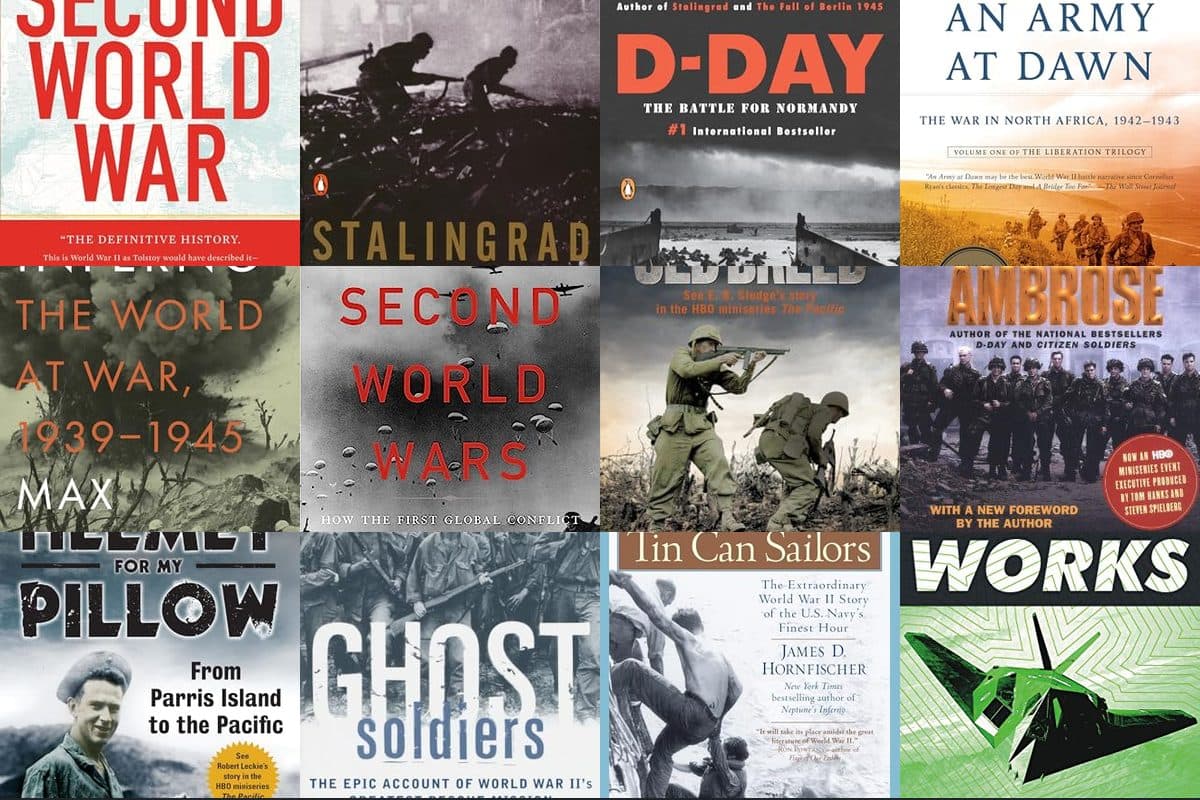
15 essential WW2 books covering every theater. Narrative histories, memoirs, and visual references ranked.
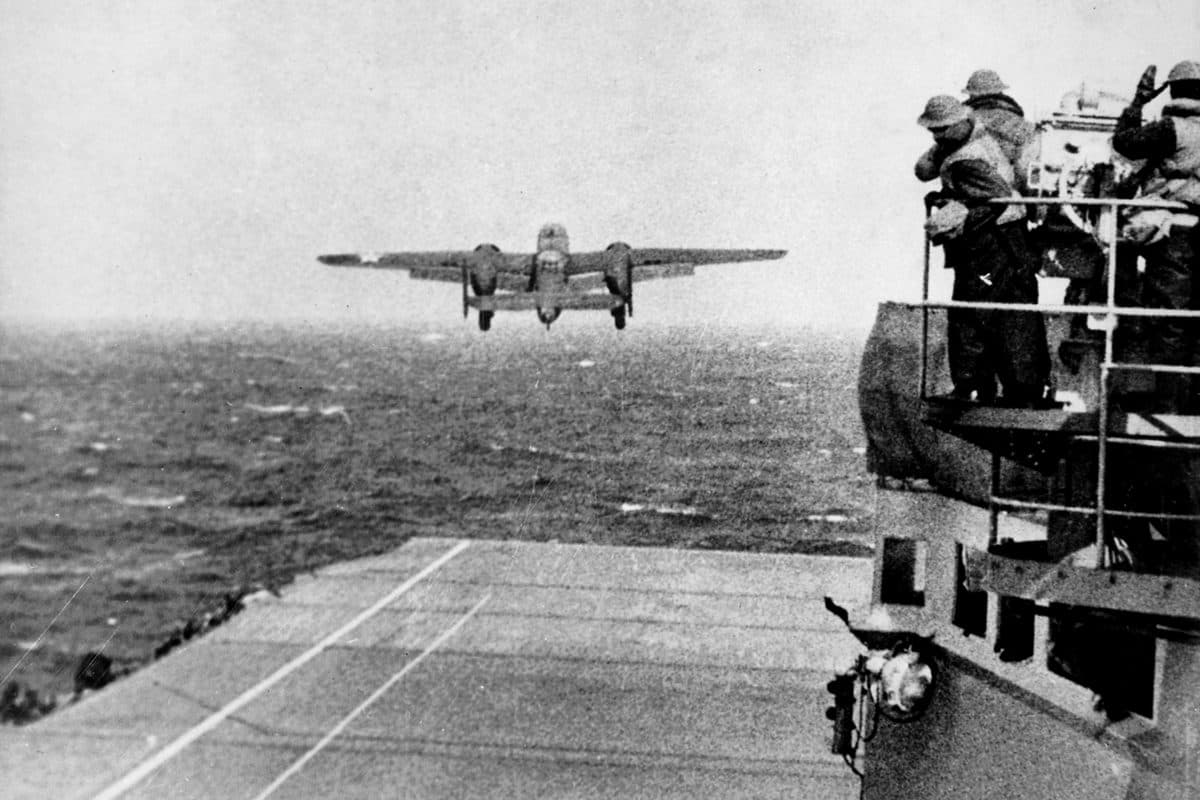
On April 18, 1942, sixteen B-25 Mitchell bombers did something no one thought possible: they launched from the deck of an aircraft carrier, flew 650 miles to Japan, and bombed Tokyo. Every aircraft was lost. The damage was negligible. The consequences changed the war.