

Here Is Every One Of The Active Aircraft Carriers In The World
All in all, there are 19 active aircraft carriers around the world. As you’ll see in this article, the vast majority of those belong to the United States. However, there…

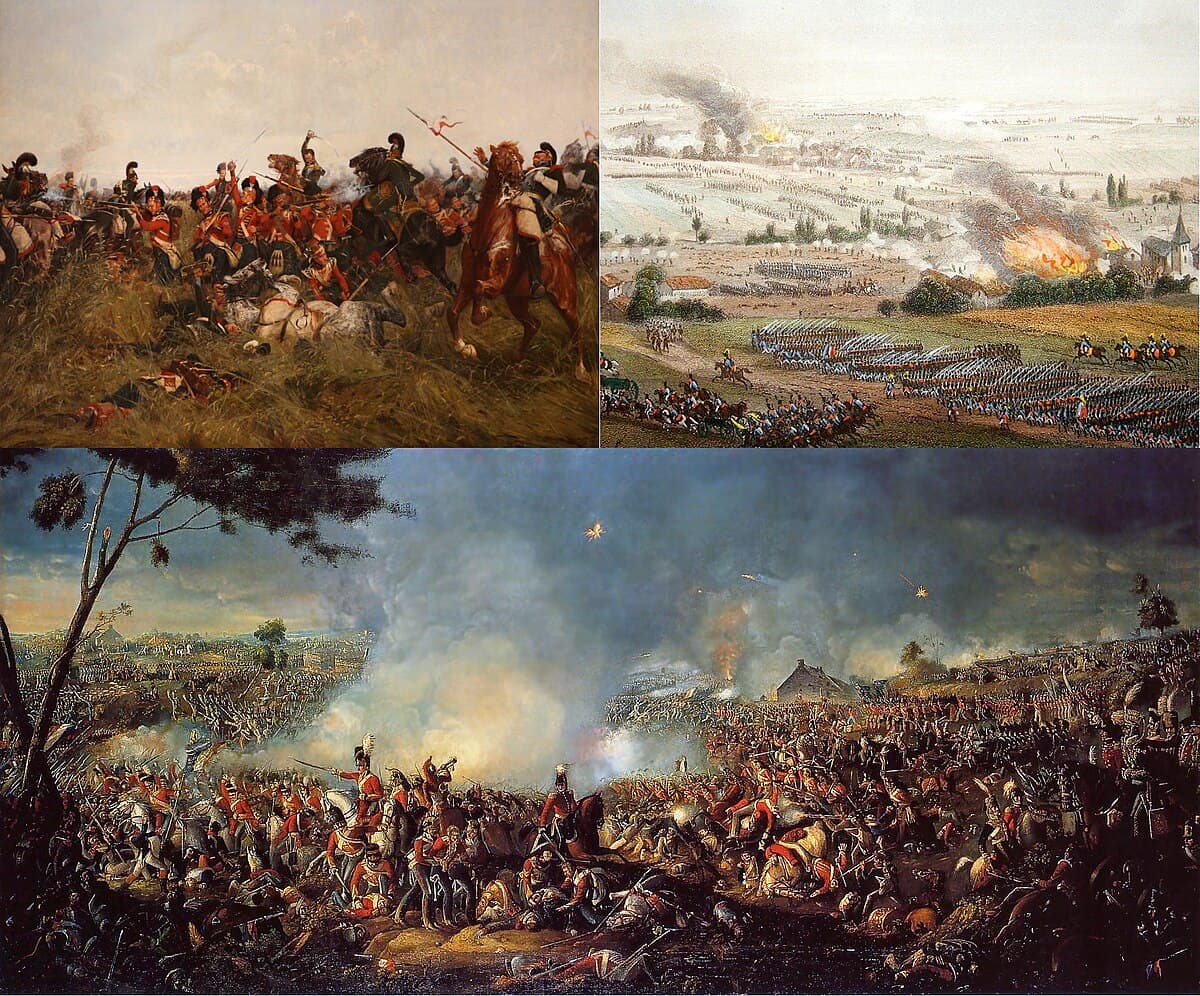
After escaping exile on the island of Elba, Napoleon Bonaparte entered Paris with a growing army as King Louis XVIII fled the city. Marshal Ney, sent to arrest Napoleon, had instead joined him with 6,000 men. Napoleon's return marked the beginning of the "Hundred Days," during which he reconstituted the French Empire before his final defeat at the Battle of Waterloo on June 18, 1815. The return triggered the War of the Seventh Coalition, in which Austria, Prussia, Russia, and Britain each pledged 150,000 troops to end the Napoleonic era.
The States General of the Netherlands chartered the Vereenigde Oostindische Compagnie (VOC), granting it a monopoly on Asian trade plus the power to build forts, maintain armies and navies, wage war, negotiate treaties, and establish colonies. The VOC became the world's first multinational corporation and one of history's most powerful quasi-military organizations, shaping colonial warfare across Southeast Asia for two centuries.
After escaping exile on the island of Elba, Napoleon Bonaparte entered Paris with a growing army as King Louis XVIII fled the city. Marshal Ney, sent to arrest Napoleon, had instead joined him with 6,000 men. Napoleon's return marked the beginning of the "Hundred Days," during which he reconstituted the French Empire before his final defeat at the Battle of Waterloo on June 18, 1815. The return triggered the War of the Seventh Coalition, in which Austria, Prussia, Russia, and Britain each pledged 150,000 troops to end the Napoleonic era.
Harriet Beecher Stowe's anti-slavery novel was published, selling 3,000 copies on its first day and 300,000 within a year, second only to the Bible in 19th-century American sales. The novel humanized the horrors of slavery for Northern readers and widened the chasm between North and South. When Lincoln reportedly met Stowe in 1862, he allegedly said, "So you're the little woman who wrote the book that made this great war."
Anti-slavery activists met in Ripon, Wisconsin, to establish the Republican Party, opposing the Kansas-Nebraska Act's potential expansion of slavery into new territories. Within six years, the new party won the presidency with Abraham Lincoln, triggering secession and civil war. The Republican Party would prosecute the war, abolish slavery, and reconstruct the South.
The USS Langley (CV-1) was commissioned as the first aircraft carrier in the United States Navy. Originally built as the collier USS Jupiter, the ship was converted at Norfolk Navy Yard with a flat wooden flight deck, earning the nickname "the Covered Wagon." The Langley served as the Navy's experimental platform for developing carrier aviation tactics, flight deck operations, and pilot training that would prove decisive in World War II.
Related articleThe British Eighth Army under Field Marshal Montgomery launched Operation Pugilist, a major assault on the Mareth Line in southern Tunisia, the last significant Axis defensive position in North Africa. The initial frontal assault was repulsed by a counterattack from the 15th Panzer Division, but Montgomery adapted, reinforcing a wide flanking maneuver by the New Zealand Corps that forced the Axis retreat and brought the end of the North African campaign within sight.
President Lyndon B. Johnson federalized the Alabama National Guard to protect the planned civil rights march from Selma to Montgomery, two weeks after "Bloody Sunday" when state troopers beat and gassed marchers at the Edmund Pettus Bridge. Approximately 3,000 marchers began the 54-mile journey under military protection, building irresistible political pressure for the Voting Rights Act of 1965.
Five members of the Aum Shinrikyo doomsday cult released sarin nerve agent on five separate Tokyo subway lines during the morning rush hour, killing 13 people and injuring over 5,500. The attack, the first large-scale chemical weapons attack by a non-state actor on a civilian population, reshaped global counterterrorism doctrine and prompted the creation of military and law enforcement CBRN response units worldwide.
Approximately 130,000 U.S. and British troops crossed the border from Kuwait into Iraq, beginning the ground phase of Operation Iraqi Freedom. The advance toward Baghdad would cover 350 miles in 21 days, one of the fastest armored advances in military history, surpassed only by the 1991 Gulf War ground campaign.
Related articleGet daily military history, analysis, and technology delivered to your inbox.
10 military events occurred on March 20, spanning multiple centuries. Key events include: Napoleon Returns to Paris, The Hundred Days Begin (1815), USS Langley Commissioned, America's First Aircraft Carrier (1922), Battle of the Mareth Line Begins in Tunisia (1943), Tokyo Subway Sarin Attack (1995), Coalition Forces Cross the Kuwait-Iraq Border (2003).
The most significant military event on March 20 is Napoleon Returns to Paris, The Hundred Days Begin (1815). After escaping exile on the island of Elba, Napoleon Bonaparte entered Paris with a growing army as King Louis XVIII fled the city. Marshal Ney, sent to arrest Napoleon, had instead joined him with 6,000 men. Napoleon's return marked the beginning of the "Hundred Days," during which he reconstituted the French Empire before his final defeat at the Battle of Waterloo on June 18, 1815. The return triggered the War of the Seventh Coalition, in which Austria, Prussia, Russia, and Britain each pledged 150,000 troops to end the Napoleonic era.
Notable military figures born on March 20 include Kapitän zur See Hans Langsdorff (1894–1939), Lieutenant General Yigael Yadin (1917–1984).
Events on March 20 span the Colonial & Revolutionary era, the Interwar Period, World War II, the Modern Era, the Civil War, the Cold War, covering 10 events across 4 centuries of military history.
Events on March 20 involve 4 branches of the U.S. and allied armed forces, reflecting the global scope of military operations throughout history.
Explore military history from the day you were born.
June 6
The Allied invasion of Normandy, the largest amphibious assault in history.
December 7
Japan attacks the U.S. Pacific Fleet, bringing America into World War II.
September 11
The deadliest terrorist attack in history transforms U.S. national security.
August 6
The first atomic bomb is dropped on a city, ushering in the nuclear age.
May 8
Nazi Germany surrenders unconditionally, ending World War II in Europe.
November 11
Armistice Day marks the end of World War I and honors all who served.
June 4
The turning point of the Pacific War as the U.S. Navy destroys four Japanese carriers.
July 4
The Declaration of Independence is adopted, sparking the American Revolution.
All in all, there are 19 active aircraft carriers around the world. As you’ll see in this article, the vast majority of those belong to the United States. However, there…
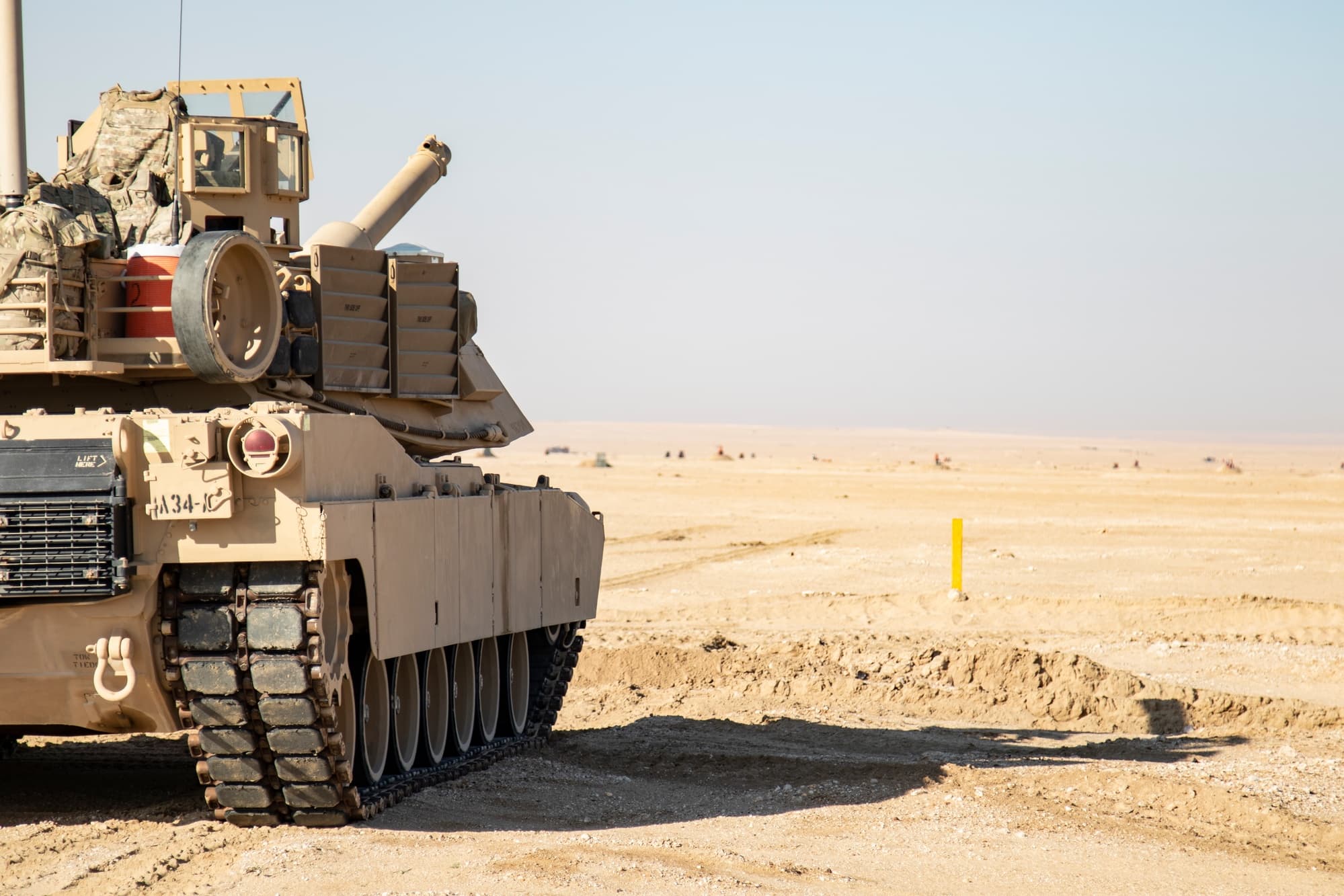
In February 1991, M1A1 Abrams tanks proved themselves in the deserts of Iraq and Kuwait during the 100-hour ground war of Operation Desert Storm. The Battle of 73 Easting became the defining engagement, where American armor destroyed an Iraqi Republican Guard division in under 23 minutes. Here is what the crews experienced and what the machine actually did.
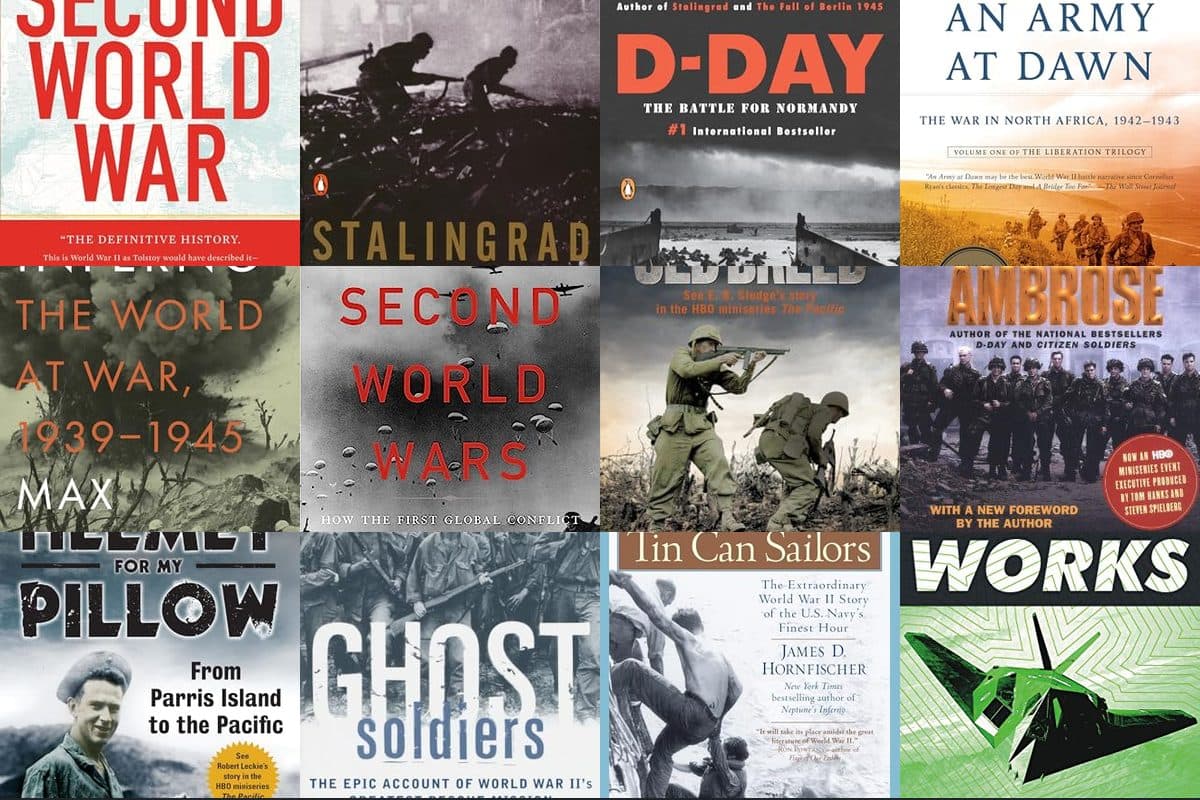
15 essential WW2 books covering every theater. Narrative histories, memoirs, and visual references ranked.
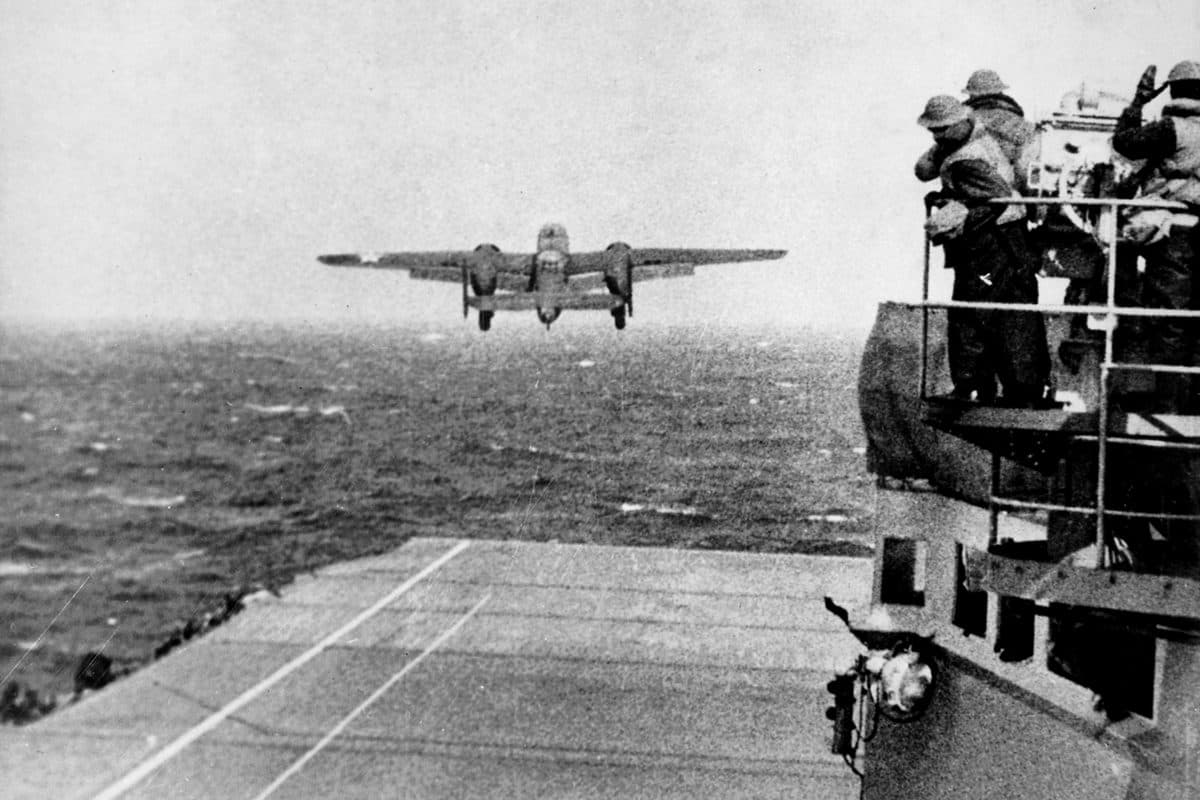
On April 18, 1942, sixteen B-25 Mitchell bombers did something no one thought possible: they launched from the deck of an aircraft carrier, flew 650 miles to Japan, and bombed Tokyo. Every aircraft was lost. The damage was negligible. The consequences changed the war.