

15 Best World War II Books for History Enthusiasts (2026)
15 essential WW2 books covering every theater. Narrative histories, memoirs, and visual references ranked.
daniel-mercer··21 min read

Germany declared war on France and began executing the Schlieffen Plan, sending armies through neutral Belgium to outflank French defenses. The invasion of Belgium triggered Britain's entry into the war the following day, transforming a European conflict into a world war.
Christopher Columbus departed from Palos de la Frontera, Spain, with three ships, Niña, Pinta, and Santa María, on the voyage that would reach the Americas on October 12. While primarily an expedition of exploration, it was funded by the Spanish Crown as a strategic enterprise and initiated centuries of European military conquest in the New World.
Christopher Columbus sailed from the Spanish port of Palos de la Frontera with three vessels, the Santa Maria, Pinta, and Nina, beginning the voyage that would open European contact with the Americas. The navigational and maritime technologies refined on the expedition shaped naval warfare for three centuries.
Confederate forces under Major General John C. Breckinridge attacked Union troops holding Baton Rouge, Louisiana. Despite initial success, the Confederates were driven back when the ironclad CSS Arkansas, intended to provide naval support, suffered engine failure. The battle kept Baton Rouge in Union hands for the rest of the war.
Germany declared war on France and began executing the Schlieffen Plan, sending armies through neutral Belgium to outflank French defenses. The invasion of Belgium triggered Britain's entry into the war the following day, transforming a European conflict into a world war.
Jesse Owens won the 100-meter sprint at the Berlin Olympics in a stadium Hitler intended as a showcase for Nazi racial ideology. Owens would go on to win four gold medals at the Games, and several of the American track athletes who competed in Berlin would later serve in the U.S. military during World War II.
Italian forces from Ethiopia invaded British Somaliland with a force of 25,000 troops against a British garrison of just 4,000. The British conducted a fighting withdrawal to the port of Berbera and evacuated by sea. It was one of Italy's few successful offensive operations of the war, though the territory was recaptured within months.
The 1st Provisional Marine Brigade arrived at Pusan, South Korea, providing critically needed reinforcements for the defense of the Pusan Perimeter. The Marines' aggressive counterattacks helped stabilize the desperate situation and demonstrated the value of maintaining a force-in-readiness.
The nuclear-powered submarine USS Nautilus (SSN-571) became the first vessel to reach the geographic North Pole, passing beneath the Arctic ice cap on a submerged transit from the Pacific to the Atlantic. The historic voyage demonstrated the strategic potential of nuclear submarines to operate anywhere in the world's oceans, fundamentally changing Cold War naval strategy.
The nuclear submarine USS Nautilus (SSN-571) became the first vessel to reach the geographic North Pole, completing a submerged transit from the Pacific to the Atlantic beneath the polar ice cap. Commander William R. Anderson's Operation Sunshine demonstrated that nuclear propulsion had opened the Arctic as a viable operating theater for the U.S. Navy.
The Professional Air Traffic Controllers Organization launched a nationwide strike against the FAA, and President Reagan responded by ordering military air traffic controllers from the Air Force, Navy, and Coast Guard to help keep the national airspace system operational. The mobilization of about 3,000 military controllers kept commercial and military aviation flying through the crisis.

Admiral
Father of the Nuclear Navy who drove the development of nuclear-powered submarines and aircraft carriers. His relentless standards and personal control over reactor design made the U.S. Navy's nuclear propulsion program the safest in the world, never experiencing a reactor accident in over 60 years of operation.

Private First Class
American novelist who served as a Marine at Guadalcanal and Tarawa in World War II. His experiences inspired the bestselling novel "Battle Cry" (1953), and he later wrote "Exodus" about the founding of Israel and the masterful WWII epic "Mila 18" about the Warsaw Ghetto Uprising.

Polish-British novelist and former merchant marine officer whose experiences at sea shaped some of the greatest works of English literature, including "Heart of Darkness" and "Lord Jim." His writing profoundly influenced understanding of colonialism, duty, and the moral dimensions of conflict.
Wear the Timeline
10 military events occurred on August 3, spanning multiple centuries. Key events include: Germany Declares War on France (1914), USS Nautilus Reaches the North Pole (1958), USS Nautilus Transits Under the North Pole (1958).
The most significant military event on August 3 is Germany Declares War on France (1914). Germany declared war on France and began executing the Schlieffen Plan, sending armies through neutral Belgium to outflank French defenses. The invasion of Belgium triggered Britain's entry into the war the following day, transforming a European conflict into a world war.
Notable military figures born on August 3 include Hyman G. Rickover (1900–1986), Leon Uris (1924–2003).
Events on August 3 span World War I, the Colonial & Revolutionary era, World War II, the Cold War, the Korean War, the Civil War, the Interwar Period, covering 10 events across 3 centuries of military history.
Events on August 3 involve 5 branches of the U.S. and allied armed forces, reflecting the global scope of military operations throughout history.
Explore military history from the day you were born.
June 6
The Allied invasion of Normandy, the largest amphibious assault in history.
December 7
Japan attacks the U.S. Pacific Fleet, bringing America into World War II.
September 11
The deadliest terrorist attack in history transforms U.S. national security.
August 6
The first atomic bomb is dropped on a city, ushering in the nuclear age.
May 8
Nazi Germany surrenders unconditionally, ending World War II in Europe.
November 11
Armistice Day marks the end of World War I and honors all who served.
June 4
The turning point of the Pacific War as the U.S. Navy destroys four Japanese carriers.
July 4
The Declaration of Independence is adopted, sparking the American Revolution.
15 essential WW2 books covering every theater. Narrative histories, memoirs, and visual references ranked.
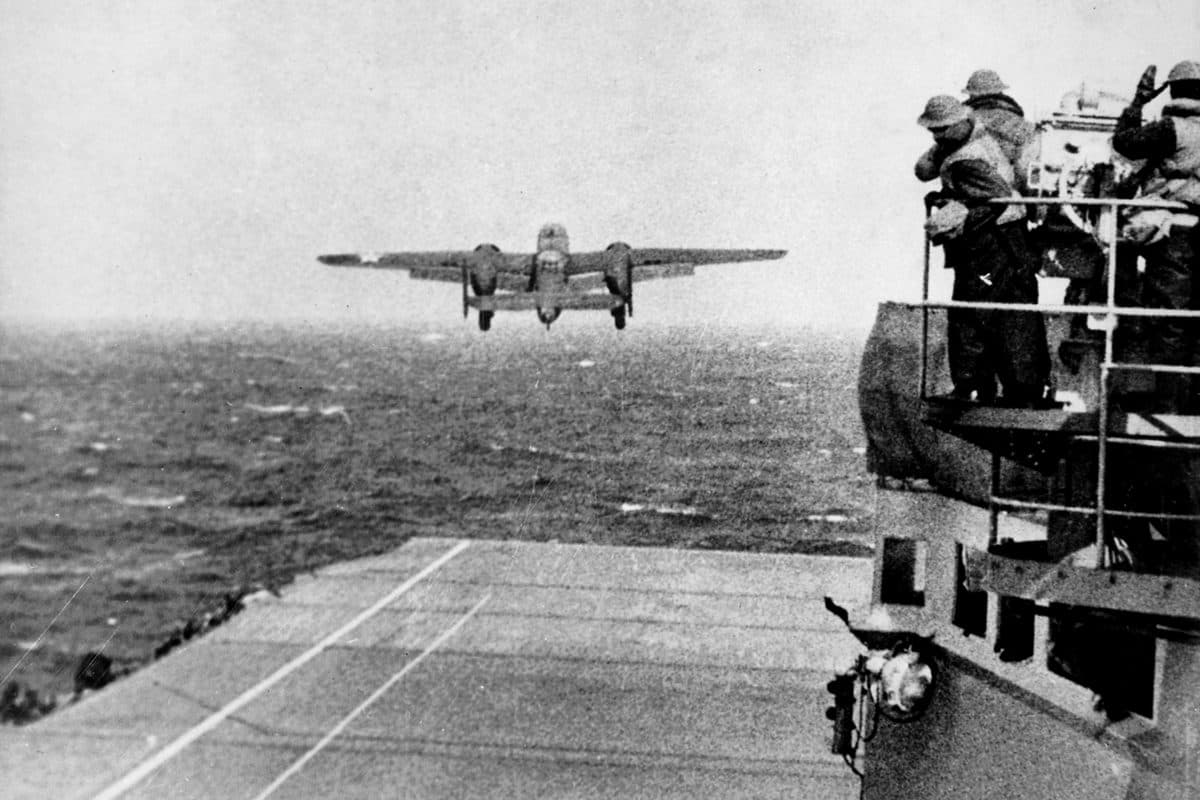
On April 18, 1942, sixteen B-25 Mitchell bombers did something no one thought possible: they launched from the deck of an aircraft carrier, flew 650 miles to Japan, and bombed Tokyo. Every aircraft was lost. The damage was negligible. The consequences changed the war.
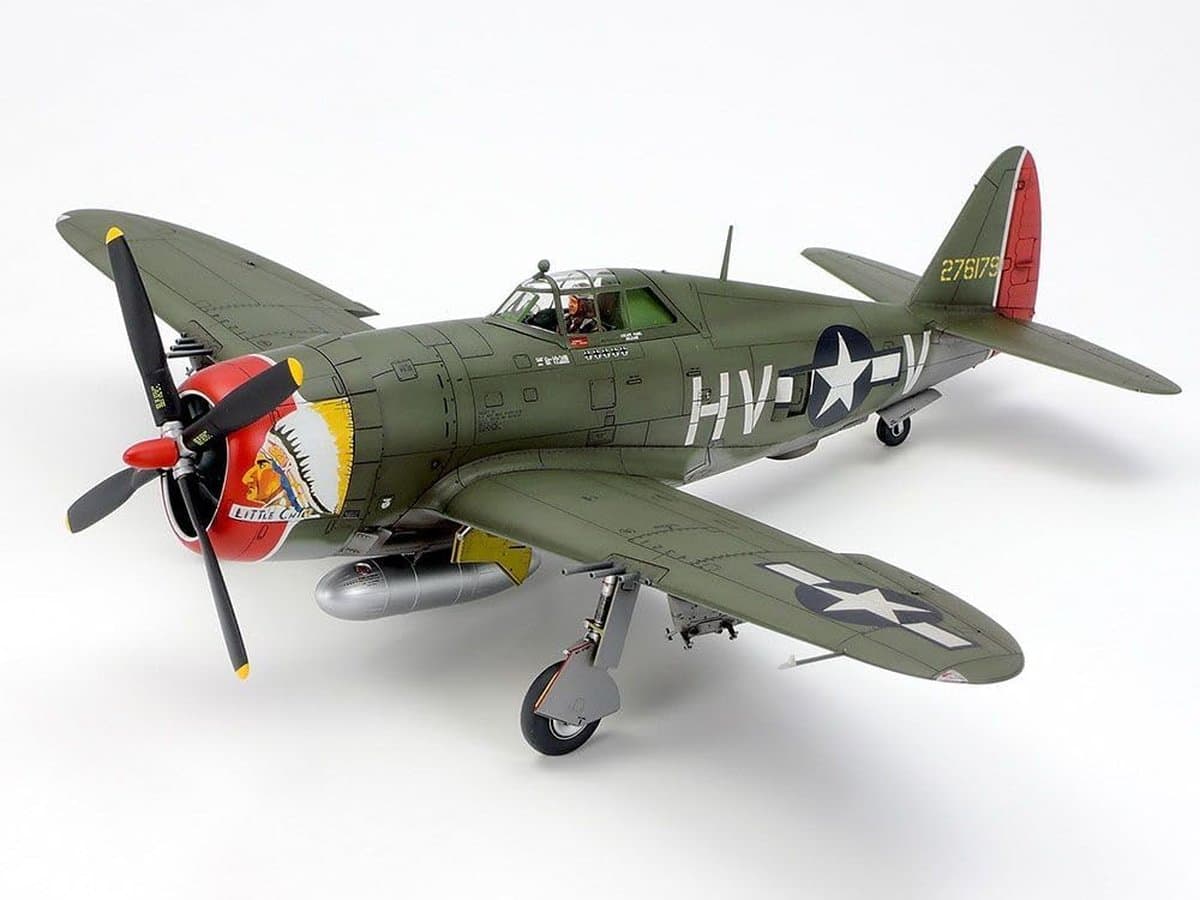
Compare 85+ WW2 scale model kits across aircraft, tanks, and ships. Beginner builds from $9 to museum-grade showpieces at $580. Covers Tamiya, Eduard, HK Models, Trumpeter, and more with honest reviews, trade-offs, and pricing.

On April 7, 1945, the Imperial Japanese Navy sent the largest battleship ever built on a one-way suicide mission to Okinawa. She never arrived. 386 American aircraft found her first, and sank her in under two hours.