

15 Best World War II Books for History Enthusiasts (2026)
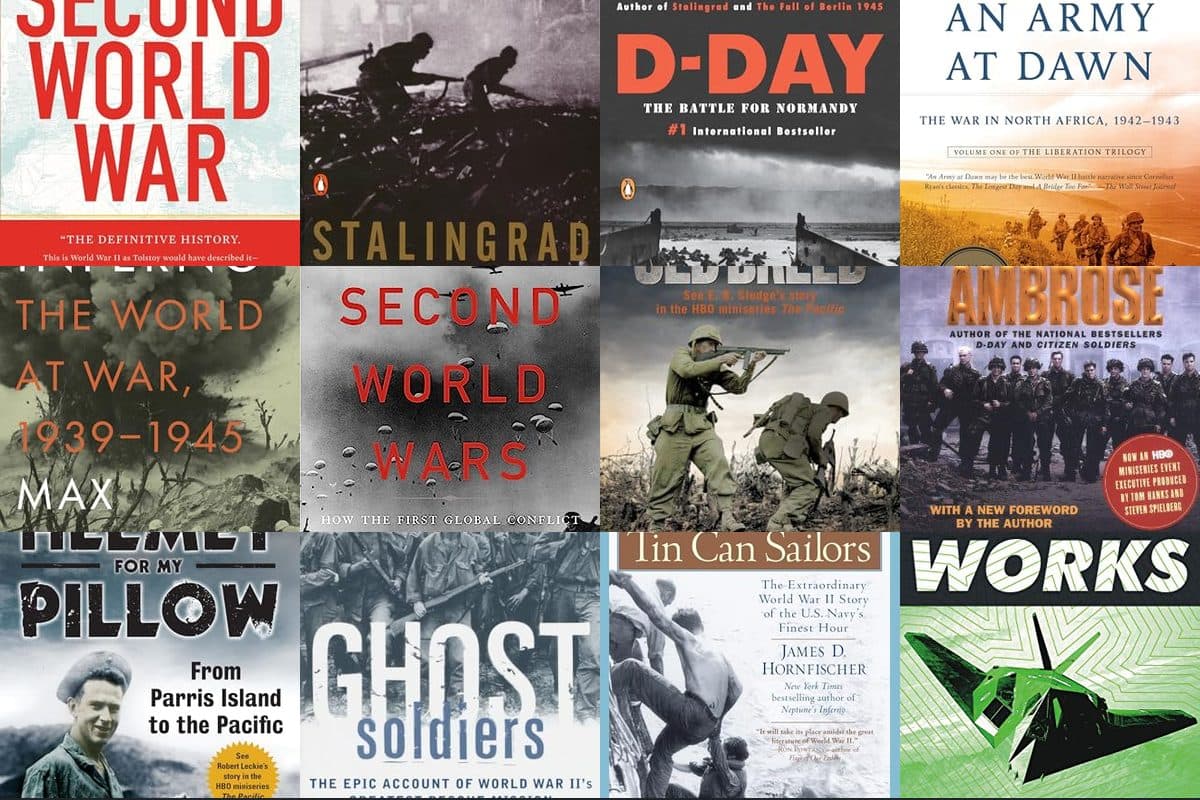
15 essential WW2 books covering every theater. Narrative histories, memoirs, and visual references ranked.
daniel-mercer··21 min read

Britain declared war on Germany after the expiration of an ultimatum demanding German withdrawal from Belgium, bringing the British Empire and its vast global resources into World War I and transforming a European conflict into a truly global war.
Twenty-one-year-old George Washington received his commission as a major in the Virginia militia, beginning the military career that would lead him through the French and Indian War, the Continental Army, and the presidency. His early service surveying the Ohio frontier shaped American colonial military doctrine for the next quarter century.
Secretary of the Treasury Alexander Hamilton established the Revenue Cutter Service, the forerunner of the United States Coast Guard. The service was created to enforce tariff laws and prevent smuggling, the new nation's primary source of revenue. It was the only armed maritime service until the Navy was reestablished in 1798.
The U.S. Coast Survey completed detailed mapping of San Francisco Bay, providing the navigational charts that would be essential for the rapid military and commercial expansion of the American Pacific coast during the Gold Rush era and subsequent westward military operations.
Britain declared war on Germany after the expiration of an ultimatum demanding German withdrawal from Belgium, bringing the British Empire and its vast global resources into World War I and transforming a European conflict into a truly global war.
After Germany invaded neutral Belgium in violation of the 1839 Treaty of London, Britain declared war on Germany at 11:00 PM London time. The declaration brought the full weight of the Royal Navy, the British Expeditionary Force, and the resources of the British Empire into what would become the First World War.
The Gestapo raided the secret annex at Prinsengracht 263 in Amsterdam and arrested Anne Frank, her family, and four others who had been hiding for over two years. Anne was deported to Auschwitz and later Bergen-Belsen, where she died in February 1945. Her diary, published after the war, became the most widely read account of the Holocaust.
The British Eighth Army entered Florence, Italy, though fierce German resistance continued in the city. The Germans had destroyed all of Florence's bridges except the Ponte Vecchio, which was blocked with rubble. The liberation of Florence marked a milestone in the Allied advance up the Italian peninsula.
After two years in hiding in the Secret Annex at Prinsengracht 263 in Amsterdam, Anne Frank and seven others were discovered and arrested by the Sicherheitsdienst. The raid, carried out by German and Dutch security police, represented the Nazi occupation infrastructure that Allied forces would dismantle in the coming months through Operations Market Garden and the liberation of the Netherlands.
USS Maddox and USS Turner Joy reported a second attack by North Vietnamese torpedo boats in the Gulf of Tonkin. Evidence for this second attack was always disputed, sonar operators may have been tracking phantom contacts in rough seas. Nevertheless, President Johnson used both incidents to secure the Gulf of Tonkin Resolution from Congress, authorizing military force in Southeast Asia.
The destroyers USS Maddox and USS Turner Joy reported torpedo attacks by North Vietnamese patrol boats in the Gulf of Tonkin, two days after an earlier engagement. The reported second attack, whose reality remains disputed, prompted Congress to pass the Gulf of Tonkin Resolution, authorizing American escalation in Vietnam.

French Catholic priest who was conscripted into Napoleon's army but deserted, later pardoned under a general amnesty. He became the patron saint of parish priests and was canonized in 1925. His story illustrates the tension between military duty and moral conscience that has characterized French society since the Revolutionary and Napoleonic Wars.

Swedish diplomat who saved tens of thousands of Hungarian Jews during the Holocaust by issuing protective passports and sheltering them in buildings designated as Swedish territory. He was arrested by Soviet forces in January 1945 and died in Soviet custody, a Cold War mystery that was never fully resolved.

Field Marshal
German Field Marshal who commanded Army Group Center on the Eastern Front and briefly served as Commander-in-Chief West in France in 1944. Implicated in the July 20 plot to assassinate Hitler, he took poison on August 19, 1944, while being recalled to Berlin. He wrote a final letter urging Hitler to end the war.
Wear the Timeline
10 military events occurred on August 4, spanning multiple centuries. Key events include: Britain Declares War on Germany (1914), United States Revenue Cutter Service Established (1790), Gulf of Tonkin: Second Incident (1964), Britain Declares War on Germany (1914), Second Gulf of Tonkin Incident (1964).
The most significant military event on August 4 is Britain Declares War on Germany (1914). Britain declared war on Germany after the expiration of an ultimatum demanding German withdrawal from Belgium, bringing the British Empire and its vast global resources into World War I and transforming a European conflict into a truly global war.
Notable military figures born on August 4 include John Vianney (1786–1859), Raoul Wallenberg (1912–1947).
Events on August 4 span World War I, the Colonial & Revolutionary era, World War II, the Vietnam War, the Civil War, covering 10 events across 3 centuries of military history.
Events on August 4 involve 3 branches of the U.S. and allied armed forces, reflecting the global scope of military operations throughout history.
Explore military history from the day you were born.
June 6
The Allied invasion of Normandy, the largest amphibious assault in history.
December 7
Japan attacks the U.S. Pacific Fleet, bringing America into World War II.
September 11
The deadliest terrorist attack in history transforms U.S. national security.
August 6
The first atomic bomb is dropped on a city, ushering in the nuclear age.
May 8
Nazi Germany surrenders unconditionally, ending World War II in Europe.
November 11
Armistice Day marks the end of World War I and honors all who served.
June 4
The turning point of the Pacific War as the U.S. Navy destroys four Japanese carriers.
July 4
The Declaration of Independence is adopted, sparking the American Revolution.
15 essential WW2 books covering every theater. Narrative histories, memoirs, and visual references ranked.
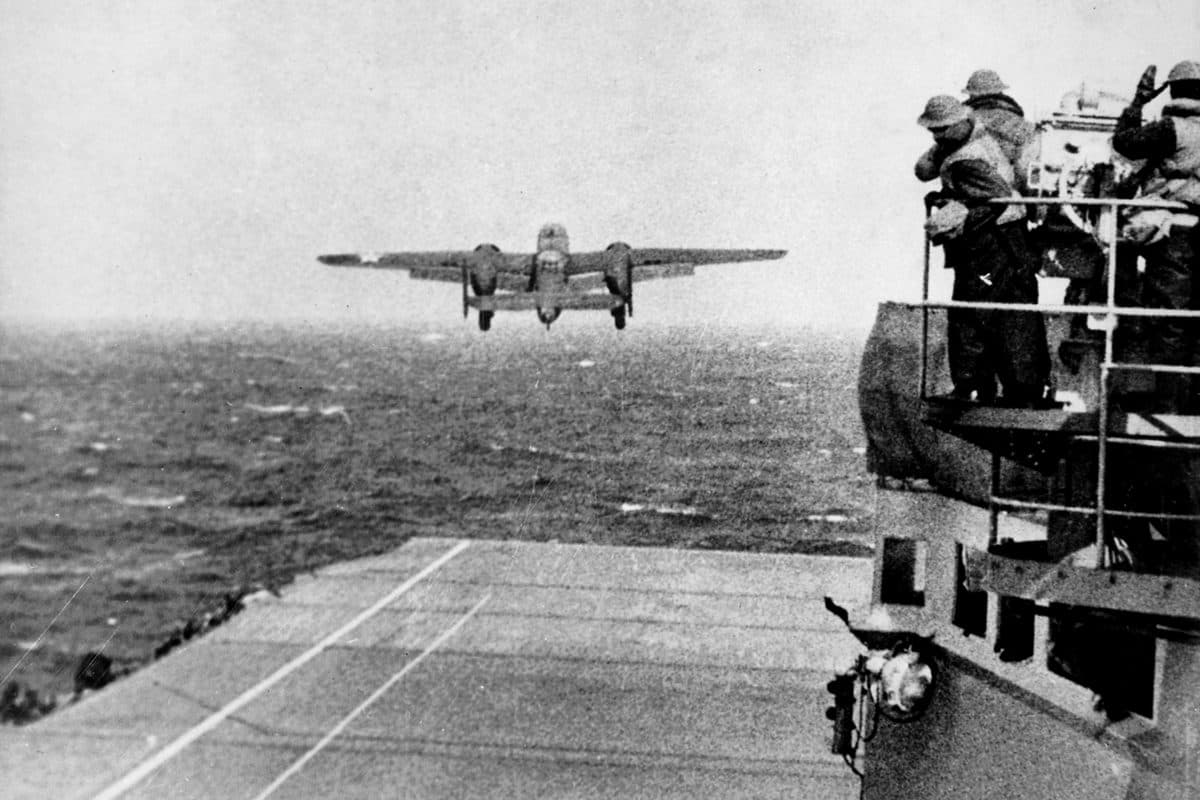
On April 18, 1942, sixteen B-25 Mitchell bombers did something no one thought possible: they launched from the deck of an aircraft carrier, flew 650 miles to Japan, and bombed Tokyo. Every aircraft was lost. The damage was negligible. The consequences changed the war.
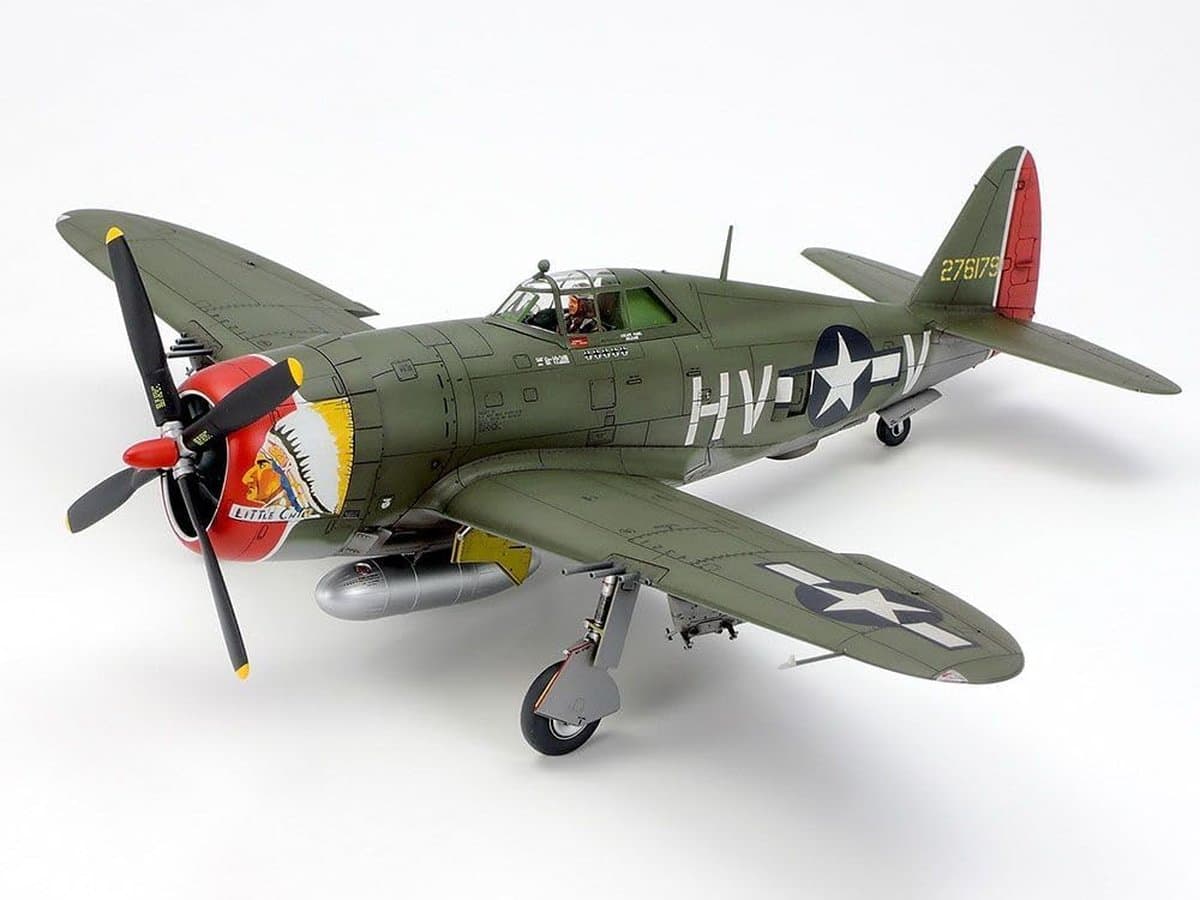
Compare 85+ WW2 scale model kits across aircraft, tanks, and ships. Beginner builds from $9 to museum-grade showpieces at $580. Covers Tamiya, Eduard, HK Models, Trumpeter, and more with honest reviews, trade-offs, and pricing.

On April 7, 1945, the Imperial Japanese Navy sent the largest battleship ever built on a one-way suicide mission to Okinawa. She never arrived. 386 American aircraft found her first, and sank her in under two hours.