



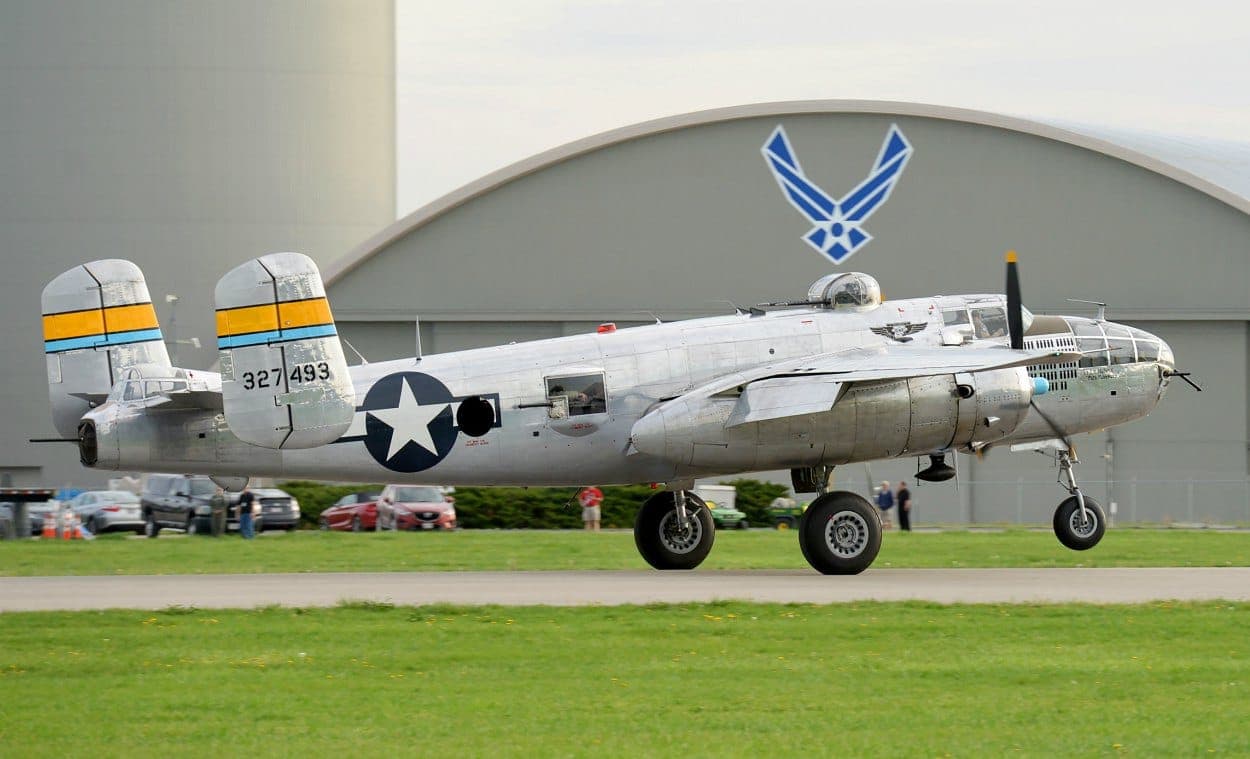
North American B-25 “Mitchell” Bomber
There is perhaps no aircraft more famous, especially during World War II, than the B-25. Its high-rate of production, versatility, and use by several Allied countries makes it one of…
michael-trent··3 min read

Exactly one month after the assassination of Archduke Franz Ferdinand, Austria-Hungary declares war on Serbia, triggering a chain of alliance obligations that plunges Europe into the most devastating conflict in human history to that point.
Henry VIII's chief minister Thomas Cromwell is executed at the Tower of London. Cromwell had been instrumental in creating England's naval power and military infrastructure that would later face the Spanish Armada.
The 14th Amendment to the Constitution is ratified, granting citizenship and equal protection under the law to all persons born in the United States, including formerly enslaved people. A direct consequence of the Civil War and military sacrifice.
Exactly one month after the assassination of Archduke Franz Ferdinand, Austria-Hungary declares war on Serbia, triggering a chain of alliance obligations that plunges Europe into the most devastating conflict in human history to that point.
General Douglas MacArthur, with Major Dwight Eisenhower as his aide, uses tanks, tear gas, and bayonets to evict 43,000 WWI veterans and their families from their camps in Washington, D.C. Two veterans are killed in the shameful episode.
The RAF's night raid on Hamburg creates a devastating firestorm that kills approximately 42,600 civilians in a single night, producing winds of 150 mph and temperatures exceeding 1,500°F, the deadliest conventional bombing in European history until Dresden.
An Army B-25 Mitchell bomber, lost in fog over Manhattan, crashes into the 79th floor of the Empire State Building, killing 14 people. The accident leads to improved military aviation safety regulations in urban airspace.
North American B-25 Mitchell BomberThe U.S. Senate ratified the United Nations Charter by a vote of 89-2, committing the United States to post-war international institutional engagement. The treaty established the collective security framework that would shape U.S. military deployments to Korea, the Middle East, the Balkans, and Africa across the following 80 years.
A magnitude 7.6 earthquake struck the industrial city of Tangshan in northern China at 03:42 local time. Over 240,000 deaths and the destruction of coal mines, steel mills, and rail infrastructure crippled Chinese heavy industry and affected the PLA's weapons production for years afterward.
President Clinton approved detailed planning for Operation Uphold Democracy, the September 1994 U.S. military intervention in Haiti to restore the elected government of Jean-Bertrand Aristide. The operation produced lessons on joint-task-force command that shaped later stability operations in the Balkans, Kosovo, and Iraq.
The Provisional Irish Republican Army formally announced the end of its 36-year armed campaign against British rule in Northern Ireland. The IRA's decommissioning of weapons was verified by the Independent International Commission on Decommissioning and concluded the longest insurgency in modern European history.
Wear the Timeline
10 military events occurred on July 28, spanning multiple centuries. Key events include: Austria-Hungary Declares War on Serbia, World War I Begins (1914), Bonus Army Evicted from Washington (1932), 14th Amendment Ratified (1868), U.S. Senate Ratifies United Nations Charter (1945).
The most significant military event on July 28 is Austria-Hungary Declares War on Serbia, World War I Begins (1914). Exactly one month after the assassination of Archduke Franz Ferdinand, Austria-Hungary declares war on Serbia, triggering a chain of alliance obligations that plunges Europe into the most devastating conflict in human history to that point.
Notable military figures born on July 28 include Hugo Chávez (1954–2013).
Events on July 28 span World War I, the Interwar Period, World War II, the Civil War, the Colonial & Revolutionary era, the Cold War, the Modern Era, covering 10 events across 4 centuries of military history.
Events on July 28 involve 5 branches of the U.S. and allied armed forces, reflecting the global scope of military operations throughout history.
Explore military history from the day you were born.
June 6
The Allied invasion of Normandy, the largest amphibious assault in history.
December 7
Japan attacks the U.S. Pacific Fleet, bringing America into World War II.
September 11
The deadliest terrorist attack in history transforms U.S. national security.
August 6
The first atomic bomb is dropped on a city, ushering in the nuclear age.
May 8
Nazi Germany surrenders unconditionally, ending World War II in Europe.
November 11
Armistice Day marks the end of World War I and honors all who served.
June 4
The turning point of the Pacific War as the U.S. Navy destroys four Japanese carriers.
July 4
The Declaration of Independence is adopted, sparking the American Revolution.
There is perhaps no aircraft more famous, especially during World War II, than the B-25. Its high-rate of production, versatility, and use by several Allied countries makes it one of…
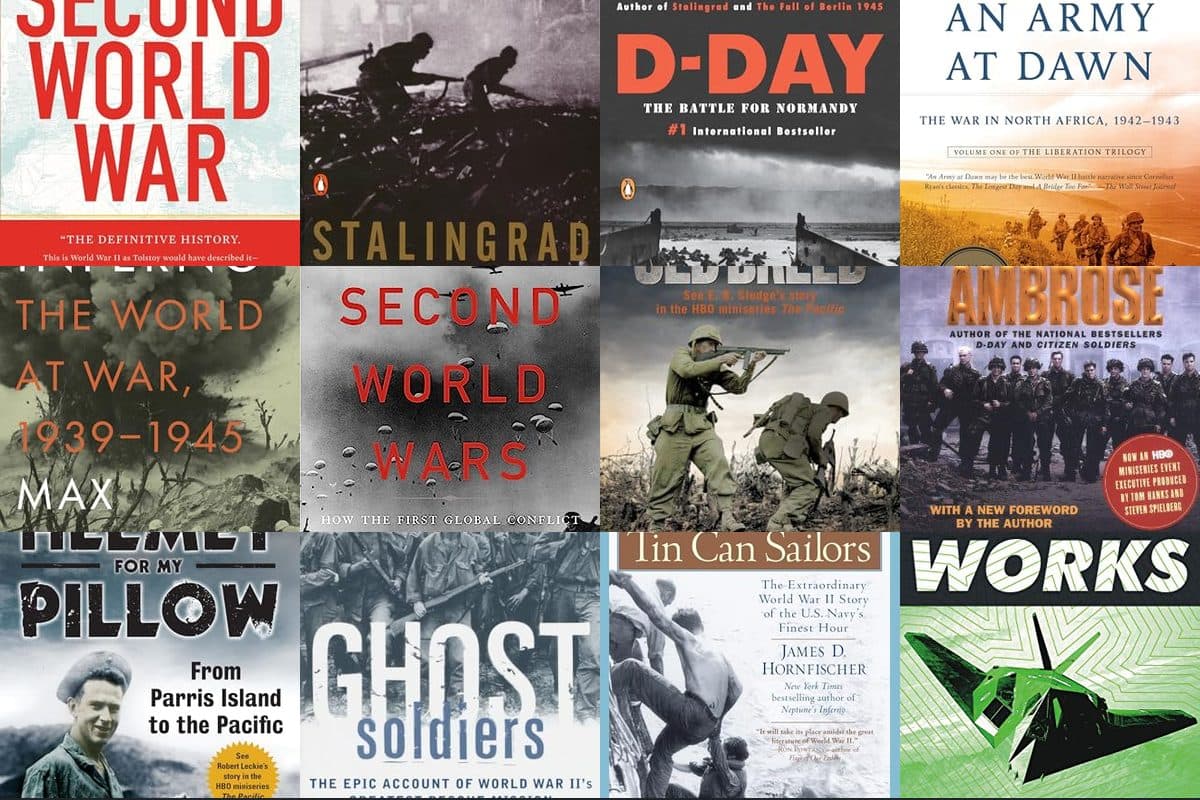
15 essential WW2 books covering every theater. Narrative histories, memoirs, and visual references ranked.
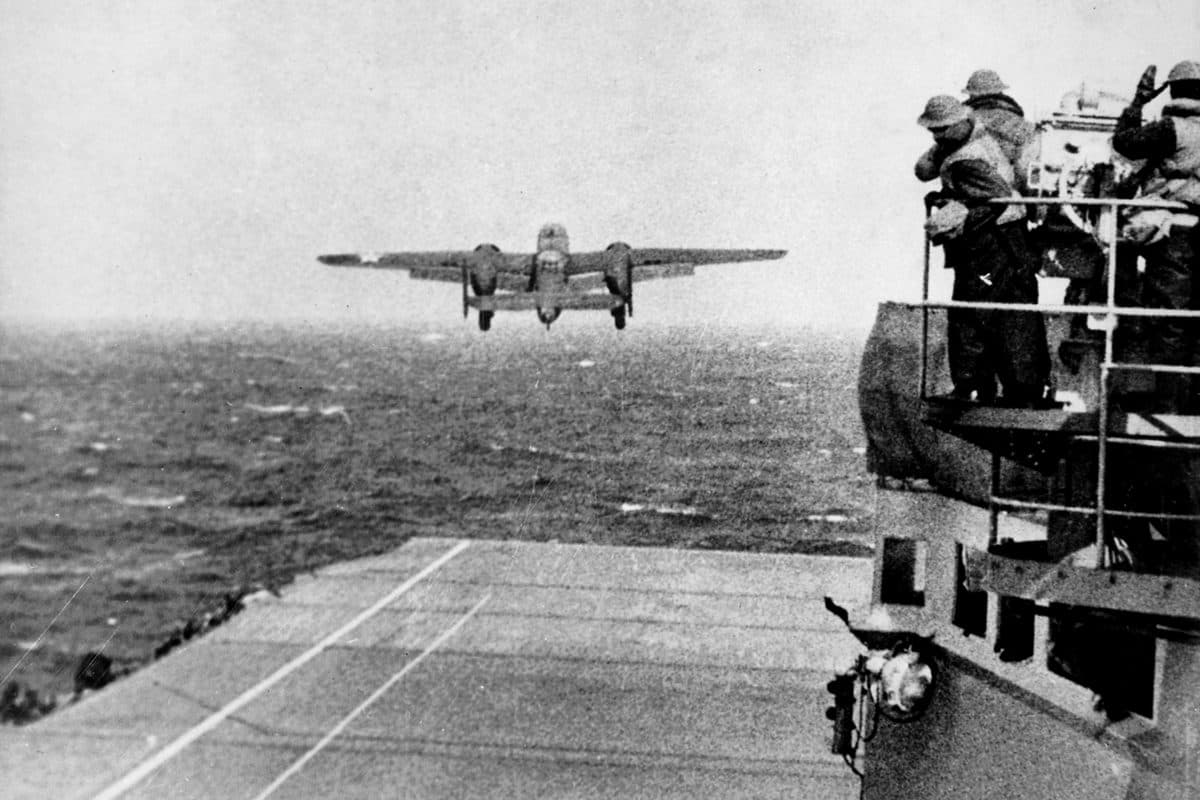
On April 18, 1942, sixteen B-25 Mitchell bombers did something no one thought possible: they launched from the deck of an aircraft carrier, flew 650 miles to Japan, and bombed Tokyo. Every aircraft was lost. The damage was negligible. The consequences changed the war.
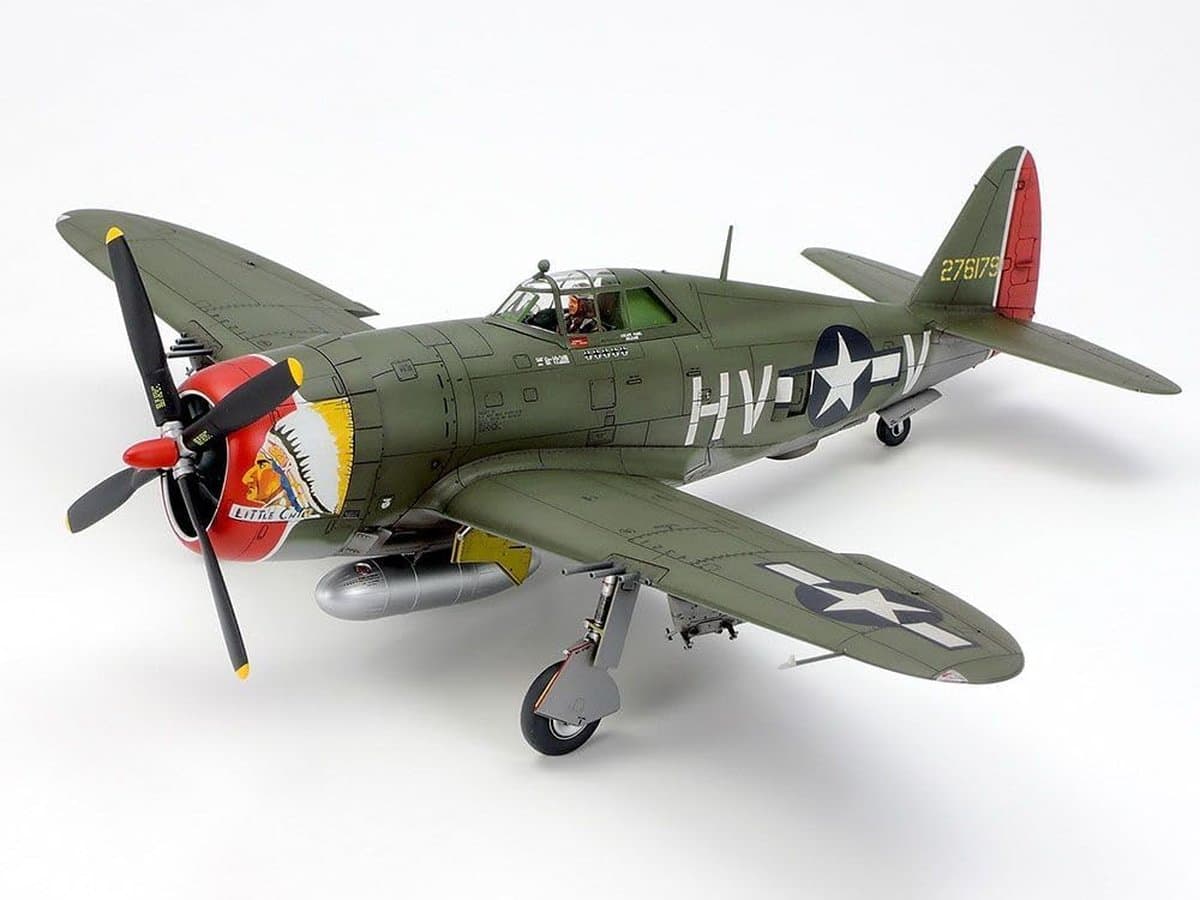
Compare 85+ WW2 scale model kits across aircraft, tanks, and ships. Beginner builds from $9 to museum-grade showpieces at $580. Covers Tamiya, Eduard, HK Models, Trumpeter, and more with honest reviews, trade-offs, and pricing.