Skip to content
April 22:First Poison Gas Attack at Ypres111yr ago

10 Military Decisions That Seemed Insane but Worked Perfectly

Ryan Caldwell · · 14 min read
Save
Share:
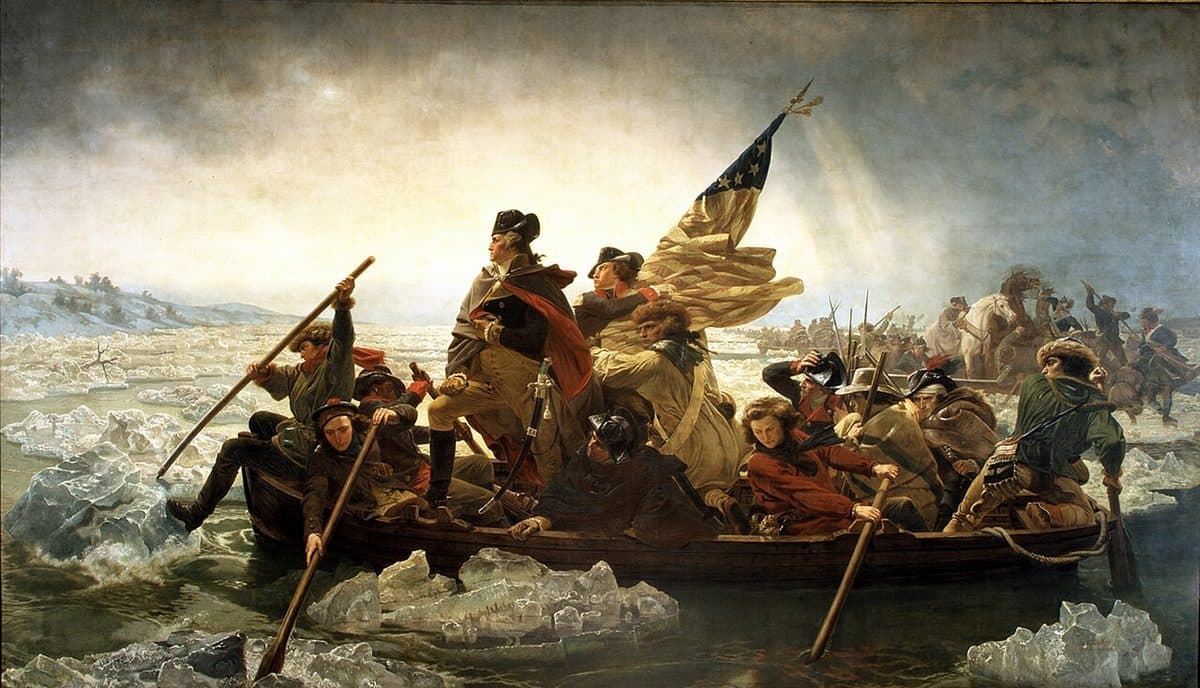
Emanuel Leutze's painting of Washington Crossing the Delaware, one of the boldest military decisions in history
Ryan Caldwell
Ryan Caldwell

Defense Analysis Editor

Ryan Caldwell writes about military decision-making, failed programs, and the tradeoffs behind major defense choices. His work is focused on understanding why systems succeed or fail beyond headlines, promises, and initial expectations.

"You want to do WHAT?" Every decision on this list produced that reaction — from subordinates, from allies, from anyone with a shred of conventional military thinking. March elephants over the Alps in winter. Launch Army bombers from a Navy carrier. Assault a fortified position by scaling vertical cliffs at night. Build an army of inflatable tanks. Each of these plans sounded like the product of desperation, delusion, or both. Each of them worked. Here are 10 military decisions that seemed insane and turned out to be brilliant.

1. Hannibal Crosses the Alps With Elephants (218 BC)
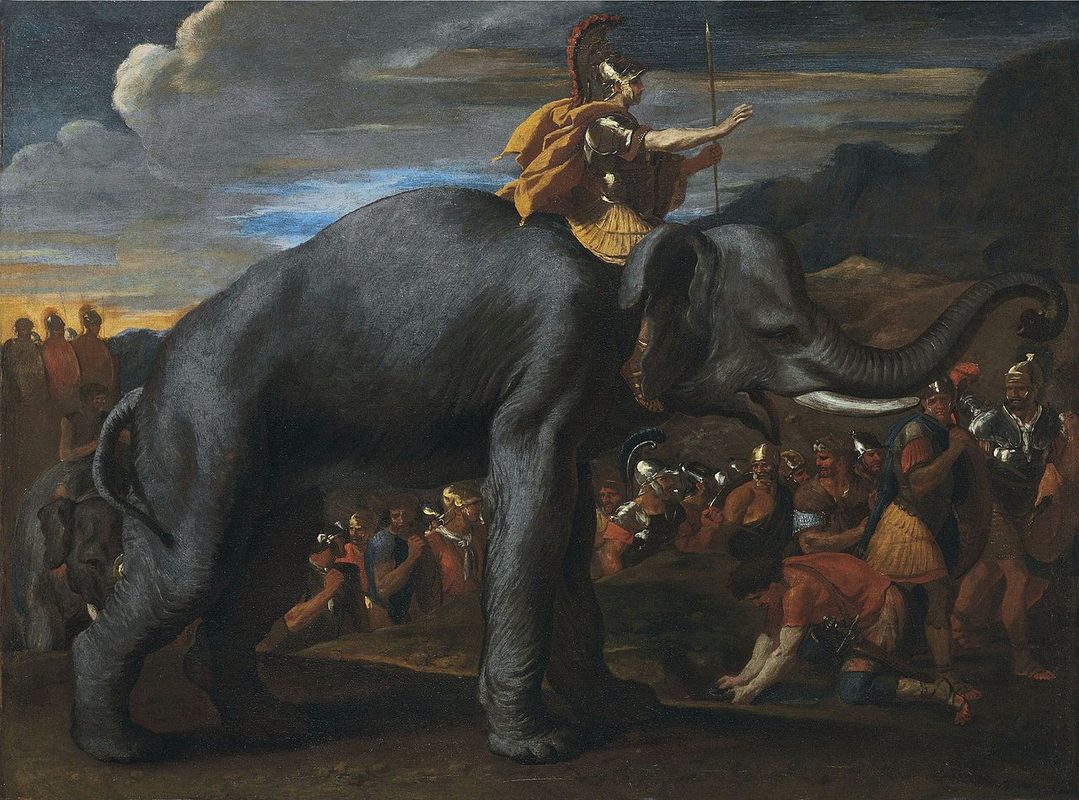
Classical painting of Hannibal Barca crossing the Alps with war elephants during the Second Punic War
Hannibal crossing the Alps — a painting by Nicolas Poussin depicting one of the most audacious military marches in ancient history. (Wikimedia Commons / Public Domain)

Rome expected Hannibal Barca to attack from the south, sailing an army across the Mediterranean from Carthage. Instead, he marched an army of 50,000 infantry, 9,000 cavalry, and 37 war elephants from Spain, through southern France, and over the Alps — in autumn, through passes above 9,000 feet, in conditions that killed soldiers by the thousands. The march took 15 days through the mountains. Hannibal lost roughly half his army and most of his elephants to cold, starvation, rockslides, and hostile mountain tribes.

It worked anyway. The surviving force — battle-hardened, terrifyingly determined, and led by one of history's greatest tactical minds — descended into the Po Valley and caught the Romans completely unprepared. Hannibal won three devastating victories in succession (Trebia, Lake Trasimene, and Cannae), killing over 100,000 Roman soldiers in two years. The Romans had prepared their defenses in the wrong direction. Hannibal's "insane" Alpine crossing bypassed them entirely.

2. Washington Crosses the Delaware on Christmas Night (1776)
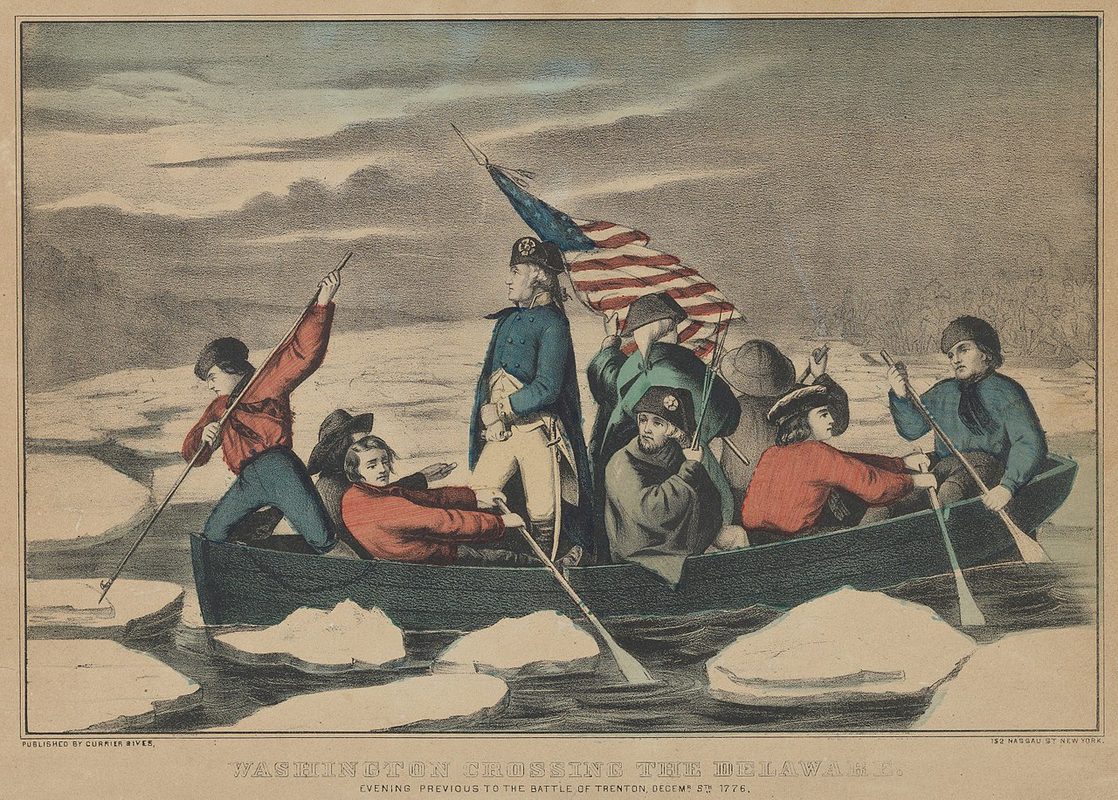
Painting of Washington crossing the Delaware River on Christmas night 1776 before the Battle of Trenton
Washington crossing the Delaware — the Continental Army crossed an ice-choked river on the coldest night of the year to attack a garrison that never expected it. (Wikimedia Commons / Public Domain)

By December 1776, the American Revolution was nearly over. The Continental Army had been beaten in New York and chased across New Jersey. Enlistments were expiring. Morale was gone. George Washington's army was freezing, starving, and shrinking by the day. His response was to cross an ice-choked river on Christmas night, march nine miles through a snowstorm, and attack a garrison of Hessian soldiers at Trenton, New Jersey.

Everything about the plan was reckless. The crossing took hours longer than planned. Two of the three planned crossing points failed — the supporting forces couldn't get across the river. Washington attacked with only his column, arriving after dawn instead of before. It didn't matter. The Hessians were caught completely off guard. The battle lasted 90 minutes. Washington captured nearly 900 prisoners and lost only two soldiers killed (both from exposure during the march, not combat). The victory at Trenton — and a follow-up win at Princeton a week later — saved the Revolution.

3. The Doolittle Raid From a Navy Carrier (1942)

B-25 Mitchell bomber on the deck of USS Hornet before the Doolittle Raid on Tokyo in 1942
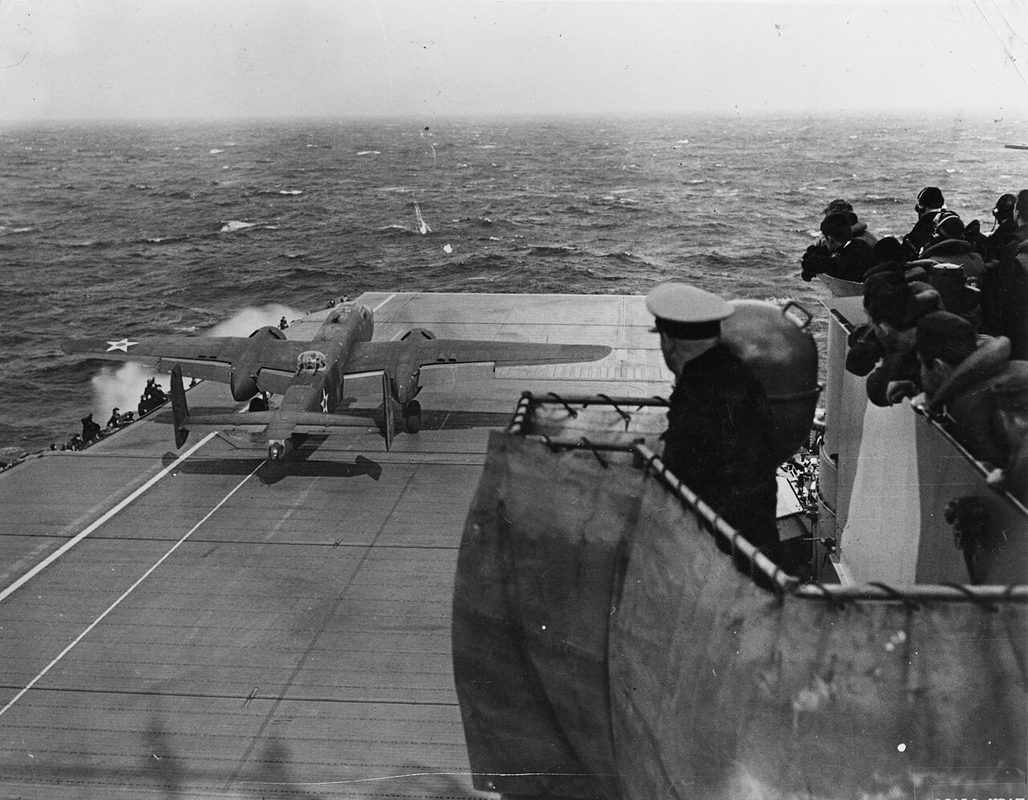
B-25 Mitchell bombers lined up on USS Hornet before the Doolittle Raid — Army medium bombers had never launched from a carrier before, and the crews knew they couldn't land back on one. (Wikimedia Commons / Public Domain)

In April 1942 — four months after Pearl Harbor — Lieutenant Colonel Jimmy Doolittle proposed launching Army Air Forces B-25 Mitchell medium bombers from a Navy aircraft carrier to bomb Tokyo. B-25s had never operated from carriers. They were too big to land on one. The plan was to launch 16 bombers from USS Hornet, bomb targets in Japan, fly across the East China Sea, and land in China. The crews trained for weeks to get B-25s airborne from a carrier-length deck. None of them had ever done it for real.

The Doolittle Raid caused minimal physical damage to Japan. But the psychological and strategic effects were enormous. Japan's military leadership — shocked that the home islands could be bombed — diverted resources to home defense and accelerated the Midway operation, which led to the decisive Japanese defeat at the Battle of Midway two months later. The raid proved that carrier-launched bombers could reach Japan, forced a strategic overreaction, and gave the American public a desperately needed morale boost.

4. MacArthur's Inchon Landing Behind Enemy Lines (1950)

U.S. Marines landing at Inchon, Korea in September 1950 during the amphibious assault
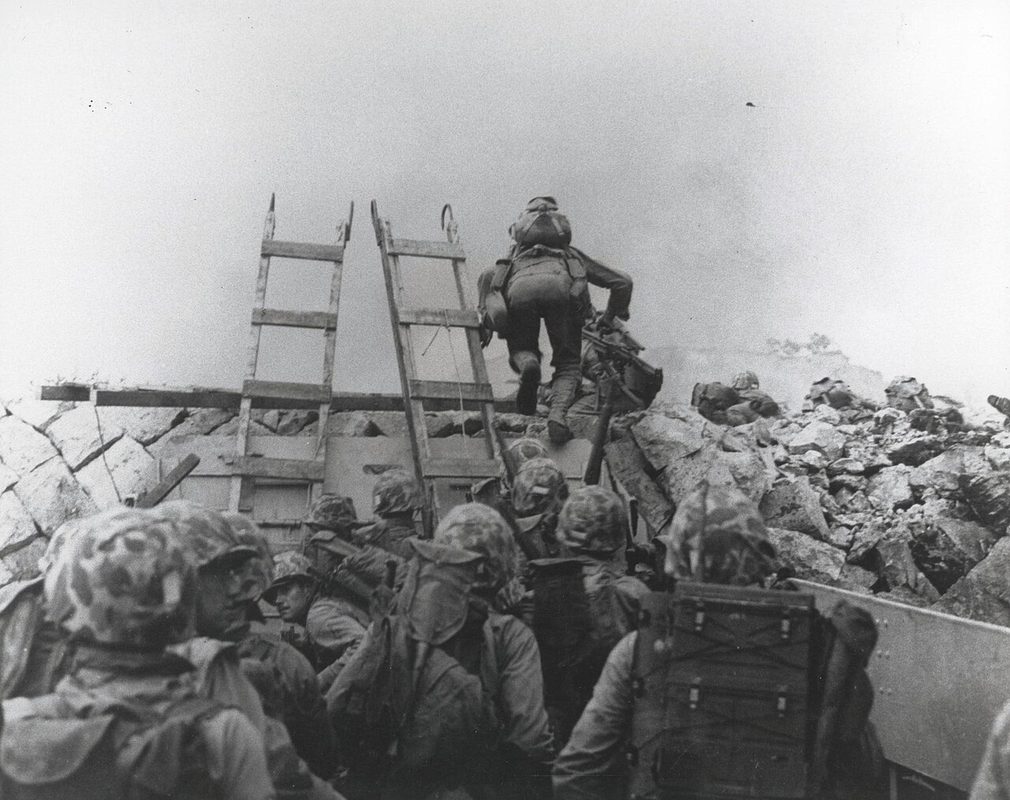
Marines landing at Inchon, September 15, 1950 — an amphibious assault at a location with 30-foot tidal variations that the Joint Chiefs considered impossible. (Wikimedia Commons / Public Domain)

By September 1950, UN forces were trapped in the Pusan Perimeter — a small pocket at the southeastern tip of Korea, with their backs to the sea. General Douglas MacArthur proposed an amphibious landing at Inchon, 150 miles behind enemy lines, to cut off the North Korean supply lines and force a retreat. The Joint Chiefs of Staff thought he was crazy. Inchon had 30-foot tidal variations (the second highest in the world), a narrow approach channel lined with fortifications, and a seawall that landing craft couldn't get over at low tide. Navy planners rated the probability of success at 5,000-to-1.

MacArthur's reply became legendary: "The very arguments you make as to the impracticabilities involved will tend to ensure the element of surprise. The enemy commander will reason that no one would be so brash as to make such an attempt." He was right. The landing on September 15, 1950, caught the North Koreans completely unprepared. Within two weeks, Seoul was recaptured and the North Korean army was in full retreat, its supply lines severed. The Inchon landing is arguably the most brilliant amphibious operation since Normandy.

5. Israel's Entebbe Raid (1976)

Entebbe Airport in Uganda where Israeli commandos conducted the dramatic hostage rescue in 1976
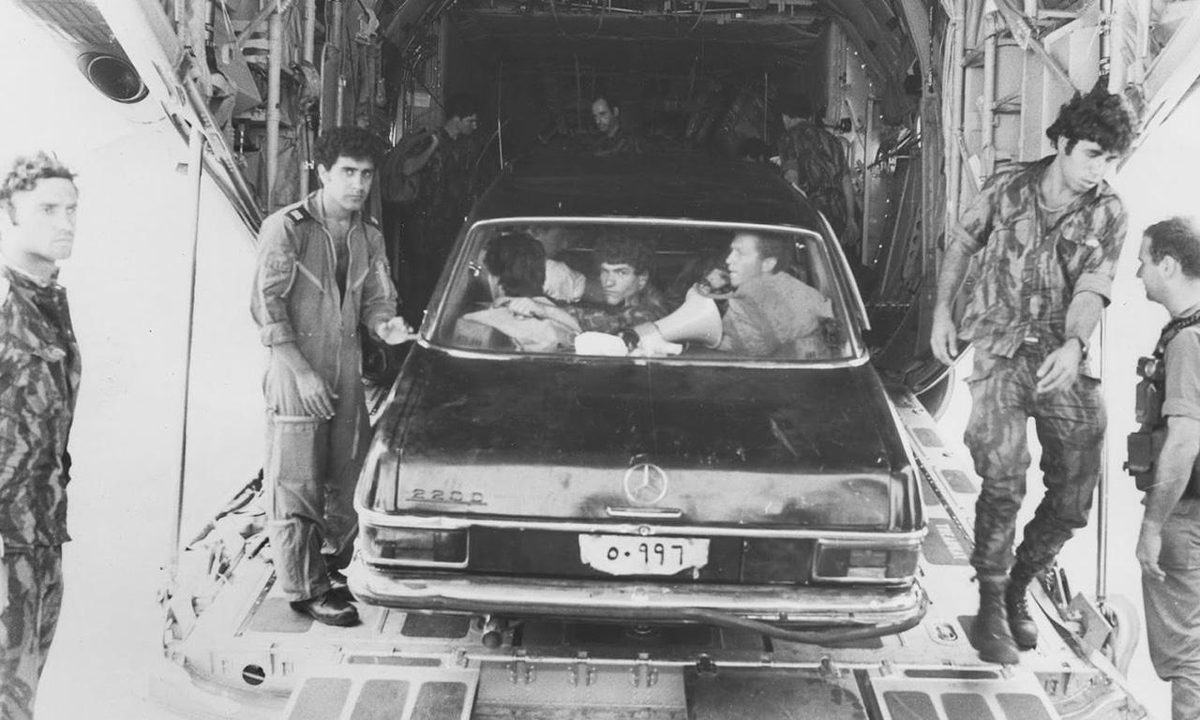
Entebbe Airport — Israeli commandos flew 2,500 miles to rescue 102 hostages, using a black Mercedes identical to Idi Amin's to bluff past Ugandan sentries. (Wikimedia Commons / Public Domain)

On June 27, 1976, Palestinian and German terrorists hijacked Air France Flight 139 and diverted it to Entebbe Airport in Uganda, where dictator Idi Amin provided them with additional armed guards. They separated Israeli and Jewish passengers — 102 hostages — and threatened to execute them. Israel's response was to fly a rescue force 2,500 miles across Africa in C-130 transport planes, storm the terminal, kill the hijackers, and evacuate the hostages — all within 90 minutes on the ground.

The operation's audacity was in the details. Israeli commandos drove a black Mercedes-Benz — identical to the one Idi Amin used — off the lead C-130, accompanied by Land Rovers carrying soldiers in Ugandan army uniforms. The ruse worked long enough for the assault team to reach the terminal before Ugandan guards opened fire. The commandos killed all seven hijackers and rescued 102 of 106 hostages (three hostages were killed during the rescue, and one who had been hospitalized earlier was later murdered). The only Israeli military casualty was the assault force commander, Lieutenant Colonel Yonatan Netanyahu.

6. The British SAS Attacks Airfields on Foot in the Desert (1941-43)

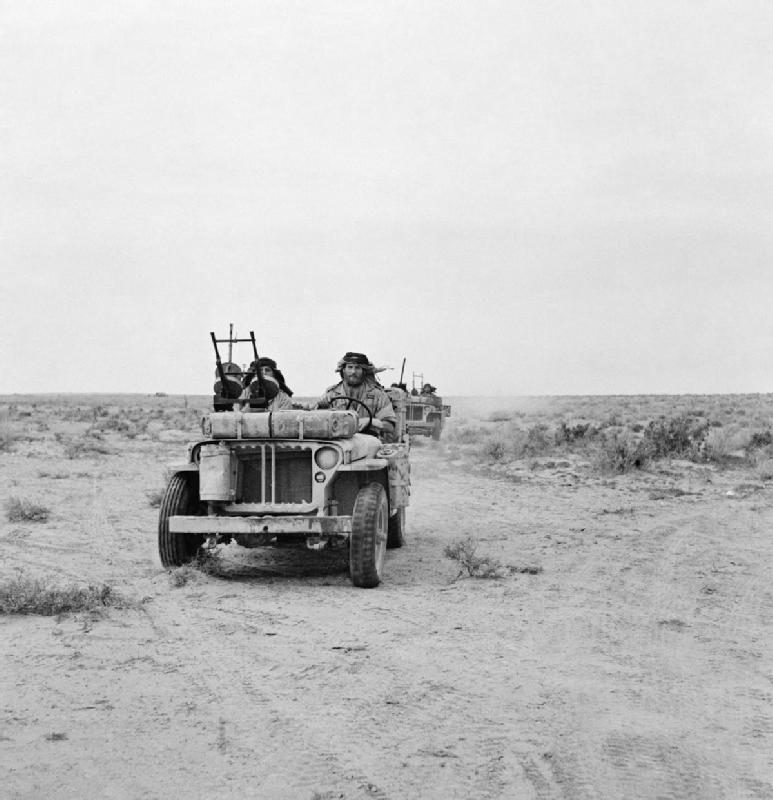
SAS patrol in North Africa during World War II with their desert vehicles
An SAS patrol in North Africa — David Stirling's idea of attacking Axis airfields by walking out of the desert seemed suicidal, until it started working. (Wikimedia Commons / Public Domain)

In 1941, Lieutenant David Stirling of the Scots Guards proposed something that sounded like a death wish: small teams of soldiers would cross hundreds of miles of North African desert on foot, approach German and Italian airfields at night, plant bombs on aircraft, and walk back out before anyone knew they were there. No air support. No heavy weapons. No extraction plan beyond "walk back the way you came."

The first SAS raid was a disaster — dropped by parachute in a sandstorm, only 22 of 62 men survived. But Stirling adapted, using the Long Range Desert Group for transportation instead of parachutes, and the results were devastating. In a single raid on Axis airfields at Bouerat in January 1942, the SAS destroyed more aircraft on the ground than the entire RAF had destroyed in aerial combat during the same period. Over the course of the North African campaign, the SAS destroyed over 400 aircraft on the ground. Stirling's "insane" concept became the foundation for the most famous special operations unit in the world.

7. Cortés Burns His Ships (1519)

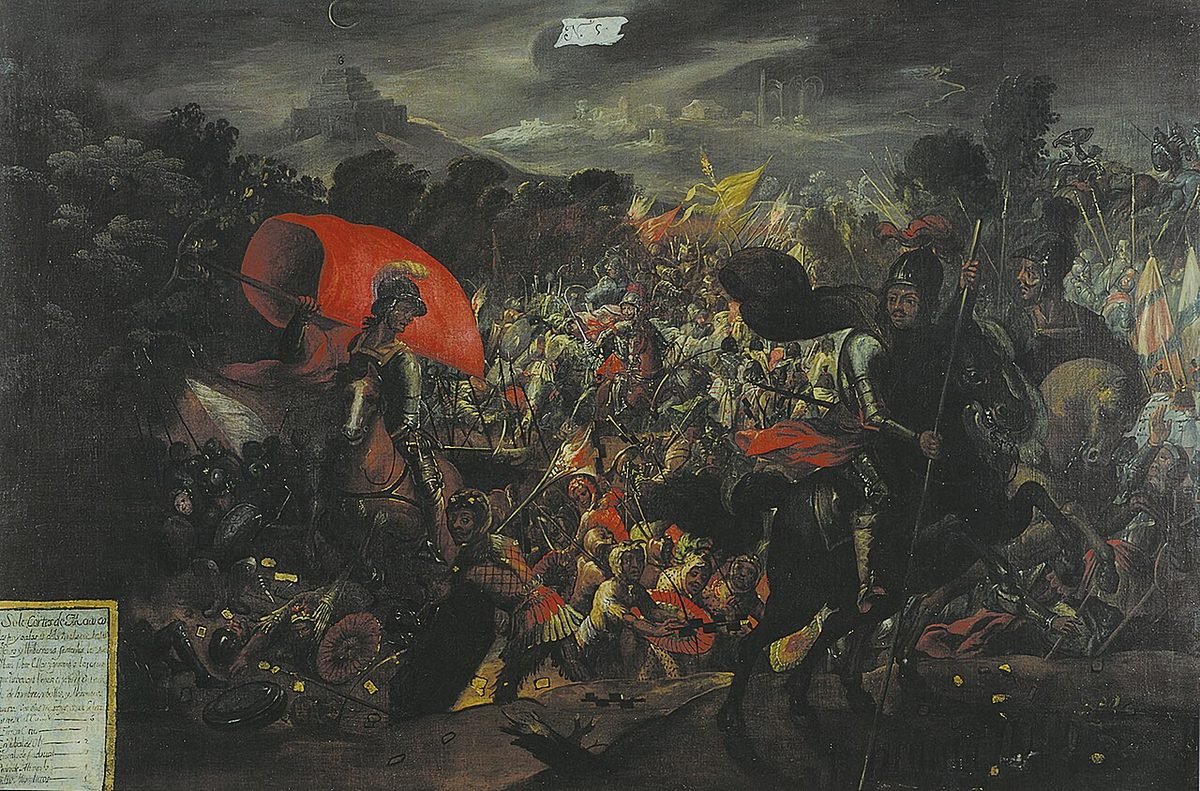
Historical painting depicting the Spanish conquest of Mexico under Hernán Cortés
The Spanish conquest of Mexico — Cortés reportedly scuttled his ships to prevent any possibility of retreat, forcing his men to commit fully to the conquest. (Wikimedia Commons / Public Domain)

When Hernán Cortés landed on the coast of Mexico in 1519 with approximately 600 soldiers, he faced a problem: many of his men wanted to go home. They were facing the Aztec Empire — a civilization of millions with a formidable military — with a force smaller than a modern infantry battalion. Cortés's solution was breathtakingly simple and terrifyingly final: he scuttled his ships. (Popular legend says he burned them; in reality, he had them beached and dismantled.)

With no ships, there was no retreat. His men could either conquer or die. The psychological effect was profound — it eliminated the option of quitting and forced total commitment. Whether this was brilliant leadership or desperate manipulation depends on your perspective, but the result is historical fact: Cortés's small force, augmented by indigenous allies, overthrew the Aztec Empire within two years. The decision to destroy his own means of retreat remains one of the most extreme commitment devices in military history.

8. Wolfe Scales the Cliffs at Quebec (1759)

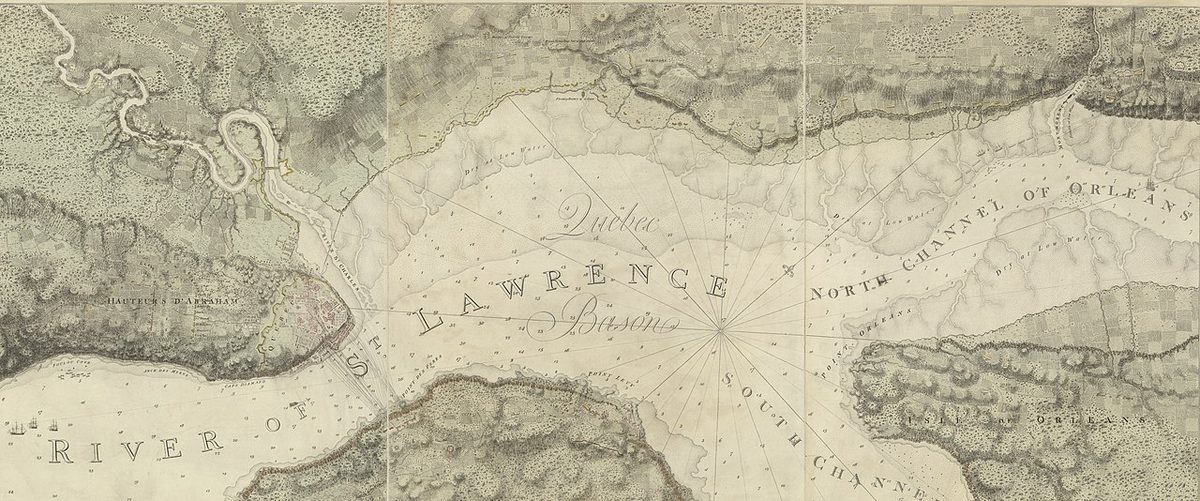
Painting of the Battle of Quebec in 1759 on the Plains of Abraham
The Battle of Quebec, 1759 — Wolfe's forces scaled the cliffs at night, appearing on the Plains of Abraham above the city in a position the French considered impossible to reach. (Wikimedia Commons / Public Domain)

General James Wolfe spent the summer of 1759 trying to capture Quebec City and failing. The French fortress sat atop sheer cliffs overlooking the St. Lawrence River. Every conventional approach had been repulsed. Wolfe was sick, depressed, and running out of time — the river would freeze soon, trapping his fleet.

His solution: scale the cliffs at night. On September 12-13, 1759, Wolfe sent 4,400 soldiers up a narrow path on the cliff face (L'Anse-au-Foulon) that the French considered unclimbable and therefore left lightly defended. By dawn, Wolfe's army was formed up on the Plains of Abraham above Quebec. The French commander, the Marquis de Montcalm, was so shocked that he attacked immediately rather than waiting for reinforcements — a decision that cost him the battle and his life. The Battle of the Plains of Abraham lasted less than 30 minutes and effectively ended French control of Canada.

9. The Ghost Army: Inflatable Tanks and Sound Effects (1944-45)

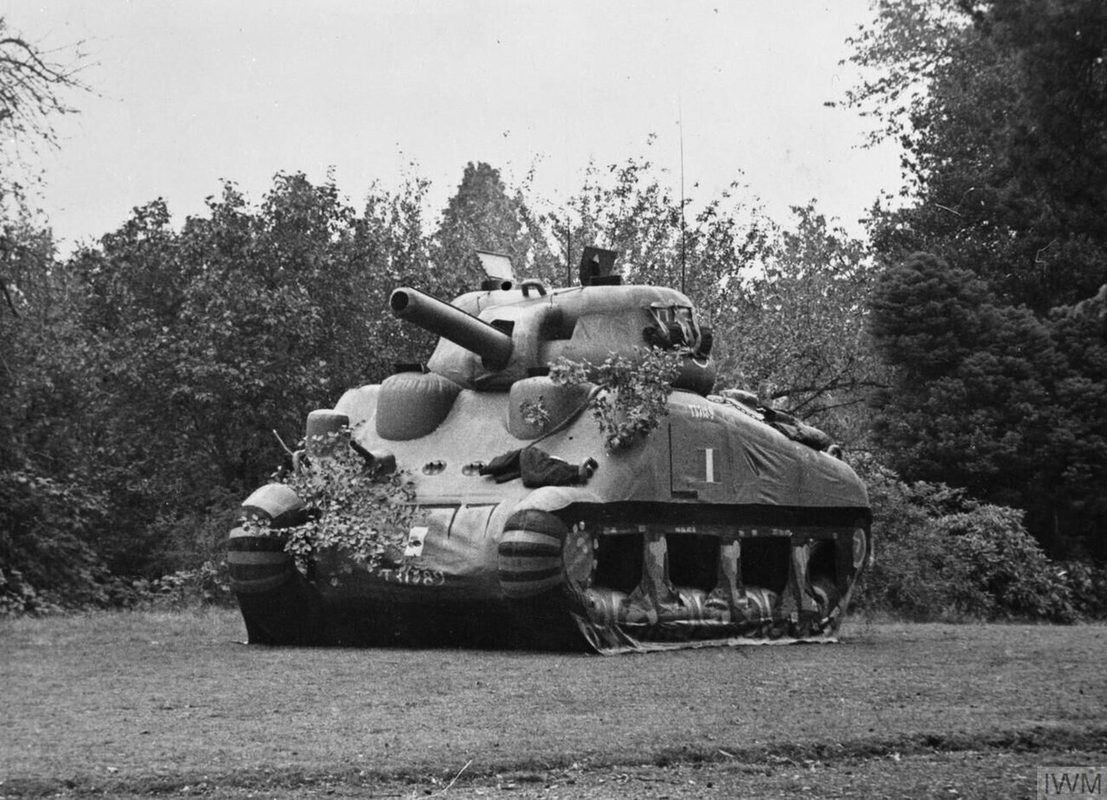
Inflatable dummy tank used by the Ghost Army for military deception during World War II
An inflatable dummy vehicle used by the Ghost Army — the 23rd Headquarters Special Troops used rubber tanks, sound effects, and fake radio traffic to deceive the Germans about Allied force dispositions. (Wikimedia Commons / Public Domain)

The 23rd Headquarters Special Troops — the "Ghost Army" — was a 1,100-man unit whose entire mission was deception. They deployed inflatable rubber tanks, trucks, and artillery pieces. They played recordings of tank engines and troop movements through massive loudspeakers. They broadcast fake radio traffic mimicking entire divisions. They even sent soldiers into French towns wearing shoulder patches of units that didn't exist in the area, counting on local gossip to reach German intelligence.

The concept sounded absurd — a fake army made of rubber and speakers. But it worked 20 times across France, Belgium, Luxembourg, and Germany. The Ghost Army deceived German commanders about the location and strength of Allied forces, drawing enemy units away from actual attack points and covering the movements of real divisions. At one point, a Ghost Army operation convinced the Germans that an entire armored division was positioned opposite their lines — when the actual division had already moved 150 miles away to launch an attack elsewhere.

10. MacArthur Returns to the Philippines Despite Orders (1944)

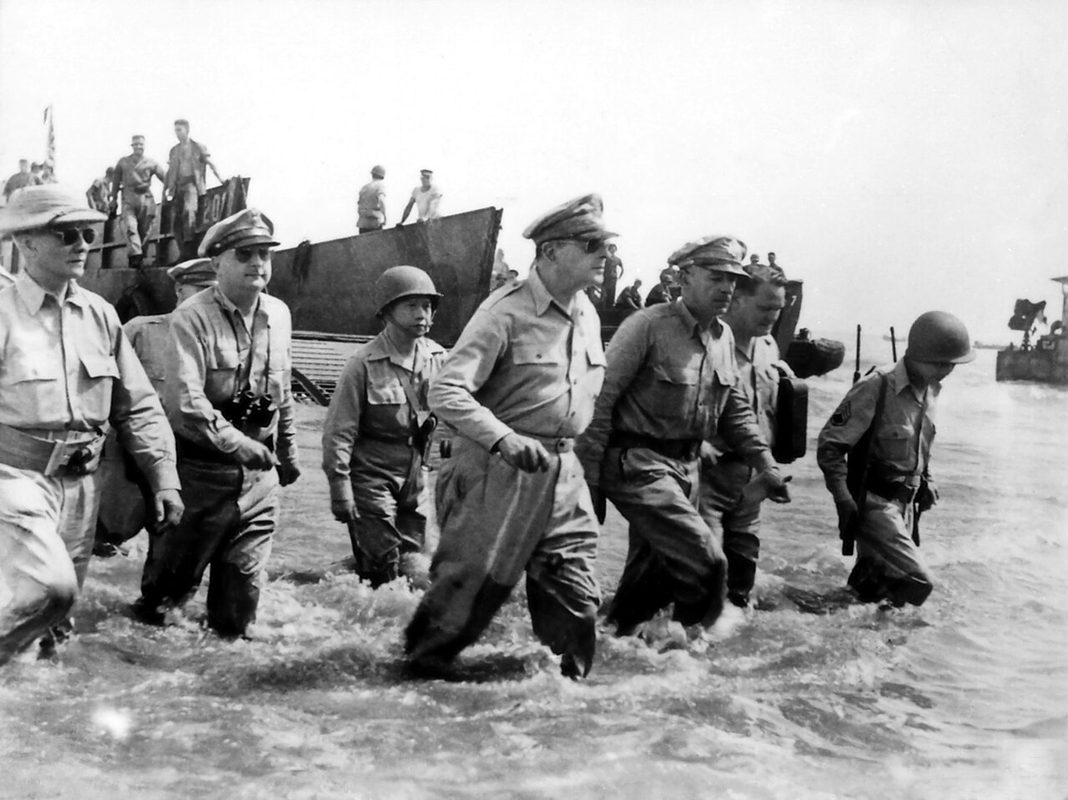
General Douglas MacArthur wading ashore at Leyte in the Philippines in October 1944
MacArthur wading ashore at Leyte, October 20, 1944 — fulfilling his "I shall return" promise required overriding the Navy's preferred strategy and betting on the Philippines. (Wikimedia Commons / Public Domain)

By 1944, the U.S. had two strategies for defeating Japan. The Navy, under Admiral Chester Nimitz, wanted to bypass the Philippines entirely and attack Formosa (Taiwan) as the final stepping stone to Japan. MacArthur insisted on liberating the Philippines first — partly for strategic reasons, partly because he had personally promised the Filipino people "I shall return" when he evacuated in 1942. The Joint Chiefs were split.

MacArthur won the argument with a combination of strategic logic and sheer political will. He argued that bypassing the Philippines would leave 400,000 Japanese troops on the American flank, abandon millions of Filipino civilians and Allied prisoners of war, and damage American credibility in Asia for generations. The Philippines campaign was enormous — the Battle of Leyte Gulf (October 1944) became the largest naval battle in history — but it succeeded in liberating the Philippines, destroying the Japanese Navy as an effective fighting force, and positioning American forces for the final advance on Japan. MacArthur's insistence on returning to the Philippines, against the Navy's preferred strategy, proved to be the right decision.

The Pattern

Every decision on this list shares one quality: it succeeded precisely because the enemy didn't believe anyone would be crazy enough to try it. Hannibal's Alpine crossing, Washington's Christmas attack, the Doolittle Raid, Inchon, Entebbe — in every case, the element of surprise was created not by secrecy but by audacity. The enemy knew the attack was theoretically possible. They just couldn't believe anyone would actually attempt it.

That's the line between insanity and genius in military decision-making. These ten commanders didn't succeed because they were reckless. They succeeded because they understood that in war, the plan your enemy considers impossible is the one they won't defend against. The bold decision looks insane until it works. Then it looks inevitable.

Share this article

Share:

Recommended

Ace of The Skies: Can You Identify These Military Aircraft Throughout The Years?
Test Yourself

Ace of The Skies: Can You Identify These Military Aircraft Throughout The Years?

Can you identify these aircraft?

Take the Quiz

On This Day in Military History

April 22

First Poison Gas Attack at Ypres (1915)

German forces released 168 tons of chlorine gas from 5,730 cylinders along a four-mile front near Ypres, Belgium. The yellowish-green cloud killed thousands of French and Algerian troops and opened a four-mile gap in the Allied line. Only the Canadian 1st Division's desperate stand prevented a complete breakthrough.

1944Allied Landings at Hollandia, New Guinea

1951Battle of Kapyong, Korea

See all 4 events on April 22

Get Military News & History in Your Inbox

Join thousands of readers receiving our weekly digest of military technology, history, and analysis.

Test Your Knowledge