
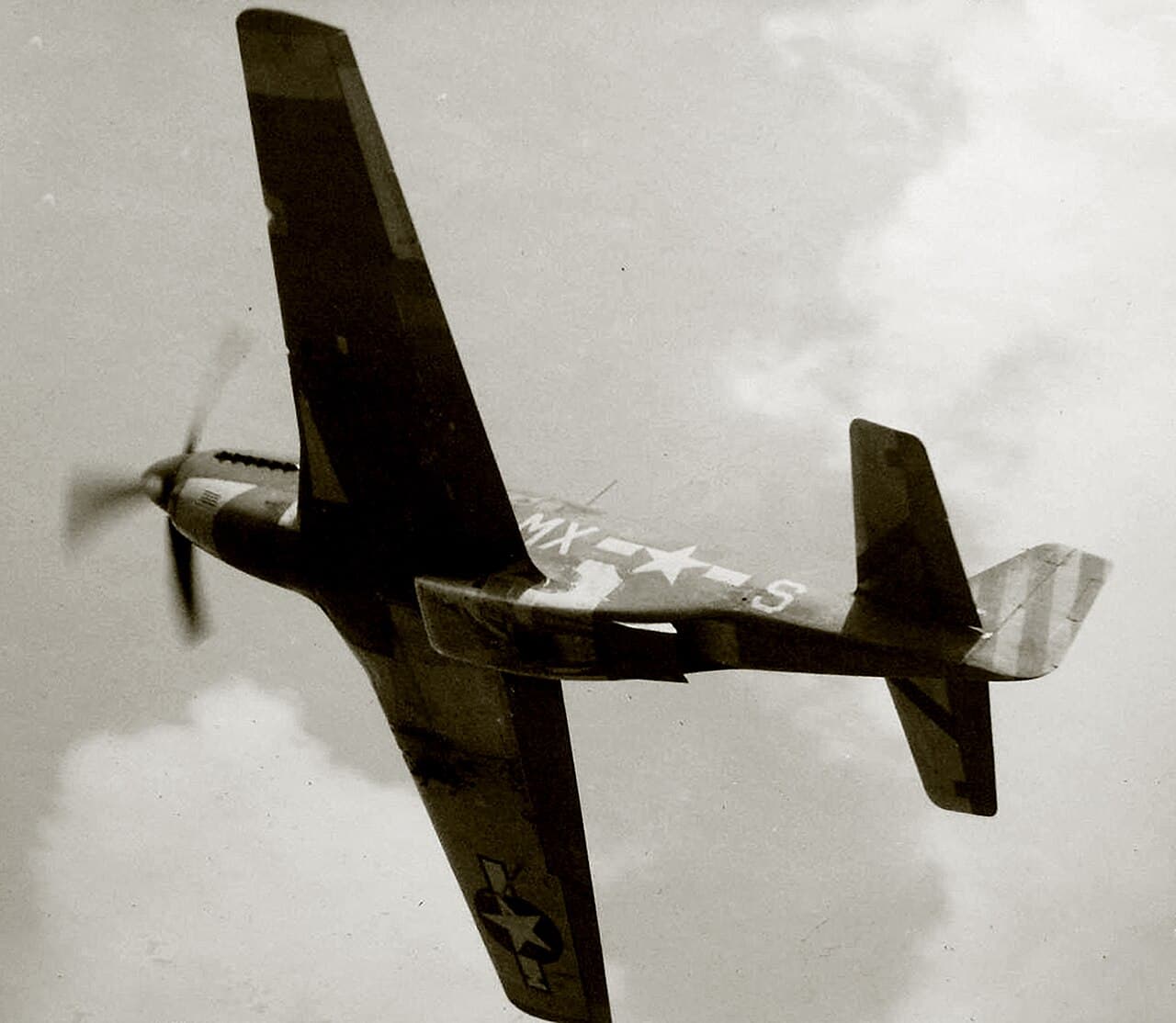
North American P-51D Mustang
North American Aviation
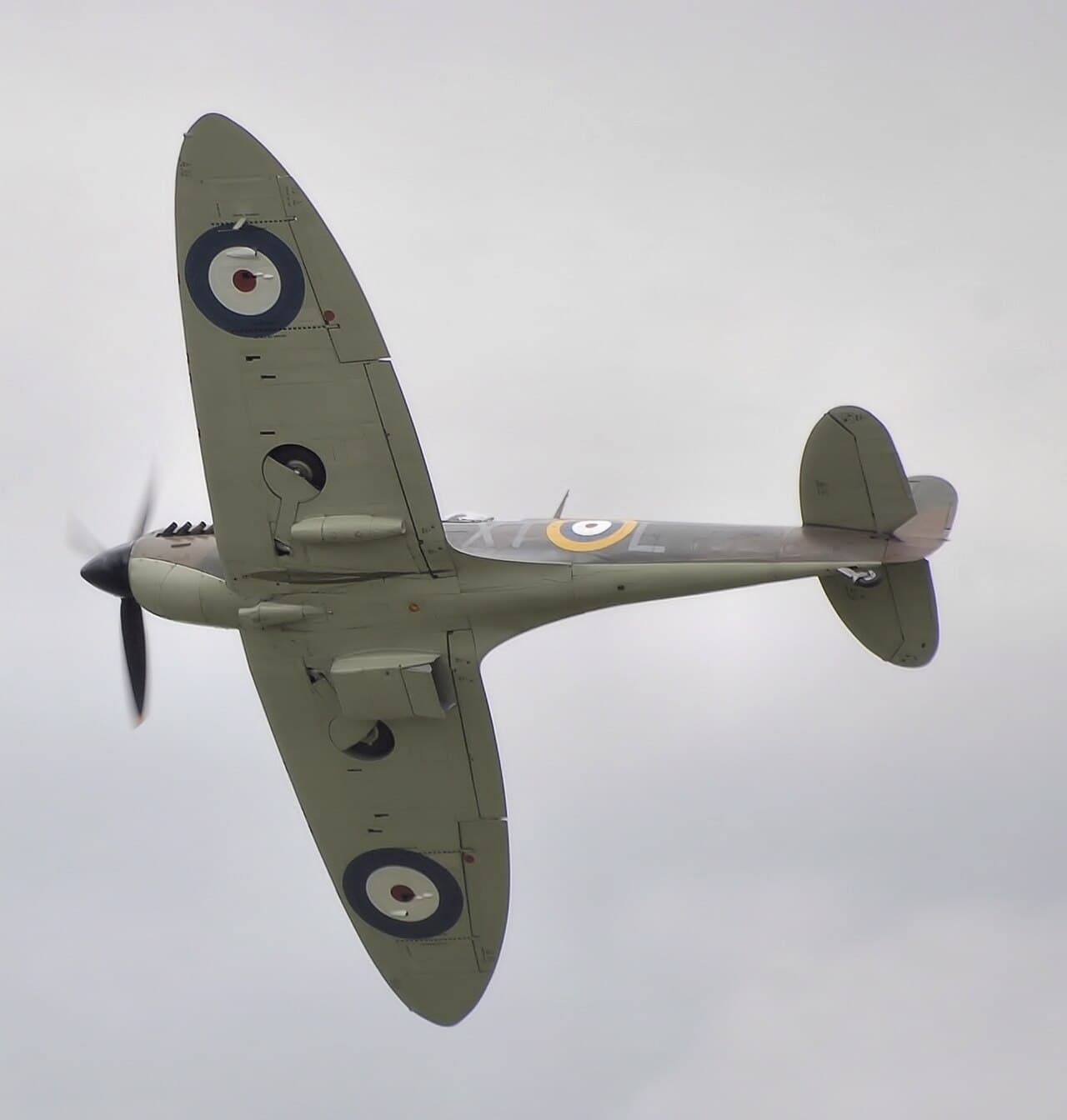
Supermarine Spitfire Mk IX
Supermarine
P-51D Mustang vs Spitfire Mk IX
Allied Legends Compared: America's Long-Range Escort vs Britain's Supreme Dogfighter
The Bottom Line
Two magnificent Allied fighters that complemented each other perfectly, the Spitfire as the supreme dogfighter and defender, the Mustang as the war-winning strategic escort.
Who Wins Each Scenario?
Close-range dogfight below 20,000 feet
Spitfire Mk IX
The Spitfire's lighter wing loading, tighter turning radius, and superior climb rate give it a decisive edge in classic turning engagements.
Long-range bomber escort to Berlin
P-51D
Only the Mustang could perform this mission. Its 750+ mile combat radius was the only single-engine fighter capability that could escort bombers deep into Germany and back.
High-altitude interception above 30,000 feet
P-51D
The Mustang's laminar-flow wing maintained better efficiency at high true airspeeds, and its controls remained effective in thin air.
Scramble interception of incoming raid
Spitfire Mk IX
The Spitfire's nearly 5,000 fpm climb rate meant it could reach engagement altitude faster than any Allied fighter. Combined with GCI, a Spitfire could reach 25,000 feet in under six minutes.
Ground attack and strafing
P-51D
Six .50-caliber guns with greater ammunition capacity, heavier bomb load, and range for distant targets made the Mustang the more capable fighter-bomber.
Overall strategic impact on the war
P-51D
The Mustang's deep escort capability made the strategic bombing campaign viable and forced the Luftwaffe into attritional battles it could not win. But without the Spitfire holding the line from 1940-1943, there would have been no bases from which Mustangs could fly.
Interactive 3D Models
Performance Profile
Overall capability comparison across six combat dimensions
Head-to-Head Specifications
Key performance metrics compared side by side
Size Comparison
Both aircraft drawn to the same scale, the P-51D has 0.2ft greater wingspan and is 1.2ft longer
Performance Analysis
How each aircraft performs across key combat dimensions
Speed
WINNER: P-51DThe P-51D achieved 437 mph at 25,000 feet, one of the fastest production piston fighters of the war. Its laminar-flow wing generated significantly less drag at high speed than conventional airfoils.
The Spitfire Mk IX reached 408 mph at 25,000 feet with the Merlin 66, and 416 mph with the later Merlin 70. At lower altitudes, the LF Mk IX was competitive with the Mustang.
The P-51D held a consistent 20-30 mph speed advantage at most altitudes, attributable to its laminar-flow wing and cleaner aerodynamic design. This speed margin gave Mustang pilots the ability to choose when to engage and disengage.
Climb Rate
WINNER: Spitfire Mk IXThe P-51D climbed at approximately 3,475 feet per minute at sea level. Its energy retention in zoom climbs after high-speed passes was excellent.
The Spitfire Mk IX climbed at an outstanding 4,580 feet per minute, over 1,000 fpm better than the Mustang. It could reach 20,000 feet in approximately 5 minutes 48 seconds.
Climb rate was the Spitfire's most decisive advantage. The Mk IX was substantially lighter (approximately 7,400 lbs loaded vs the P-51D's 9,200 lbs) while producing comparable power. In combat, this meant faster energy recovery after turning engagements.
Maneuverability
WINNER: Spitfire Mk IXThe P-51D handled predictably throughout its speed range with controls effective at high speeds where many fighters suffered from stiffening.
The Spitfire Mk IX's elliptical wing provided efficient lift distribution for tight sustained turns. Its lighter wing loading of approximately 30 lbs/sq ft versus the Mustang's 39 lbs/sq ft gave it a markedly tighter turning radius.
In a turning fight, the Spitfire held a clear advantage. The Mustang's laminar-flow wing, while excellent for high-speed cruise, did not generate as much lift at lower speeds. Experienced Mustang pilots knew better than to enter a turning contest with a Spitfire, their strength lay in energy fighting.
Altitude Performance
WINNER: P-51DThe P-51D maintained excellent performance up to 40,000 feet. Its laminar-flow wing's efficiency increased at higher true airspeeds found at altitude.
The HF Mk IX with its Merlin 70 was optimized for high-altitude interception with excellent handling qualities at altitude.
Both performed well at altitude thanks to two-stage supercharged Merlins, but the Mustang had a slight edge above 30,000 feet where its wing became increasingly efficient.
Range & Endurance
WINNER: P-51DThe P-51D's 269 US gallons internal fuel gave a combat radius of approximately 750 miles. With drop tanks, combat radius extended to over 900 miles, enough to escort bombers from England to Berlin and back.
The Spitfire Mk IX carried only 85 imperial gallons internally, giving a combat radius of roughly 180 miles. With a slipper tank, range extended but remained well under 500 miles.
Range was the single most significant difference and the factor that most influenced the war. The Mustang's ability to escort bombers all the way to their targets was a strategic game-changer. The Spitfire simply could not perform this mission.
Dive Speed
WINNER: P-51DThe P-51D achieved speeds above 500 mph in steep dives without unmanageable compressibility. Its laminar-flow wing delayed transonic effects, and it remained controllable throughout recovery.
The Spitfire Mk IX was a capable diver but experienced increasing control heaviness above 450 mph IAS.
The Mustang was the superior diving platform. Its heavier weight gave better energy retention, its wing maintained control at high Mach numbers, and its structural limits were higher.
Roll Rate
EvenThe P-51D had excellent roll rate at medium and high speeds with manageable aileron forces even at 400 mph.
The clipped-wing LF Mk IX variant significantly improved roll rate to approximately 100 degrees per second at 300 mph.
Roll rate was relatively even, with the advantage shifting based on speed. The clipped-wing Spitfire was arguably the better rolling aircraft across the speed range, though at the cost of climb performance.
Cockpit Visibility
WINNER: P-51DThe P-51D's bubble canopy provided an unobstructed 360-degree view, the best cockpit visibility of any WW2 fighter. Seeing the enemy first was often the deciding factor.
The Spitfire Mk IX used a framed canopy with a rear-view mirror. Forward and lateral visibility were good.
The P-51D's bubble canopy gave it a significant advantage in situational awareness. In large-scale air battles, the ability to check six o'clock without craning around a fuselage spine was invaluable.
Photo Gallery, 12 Photos
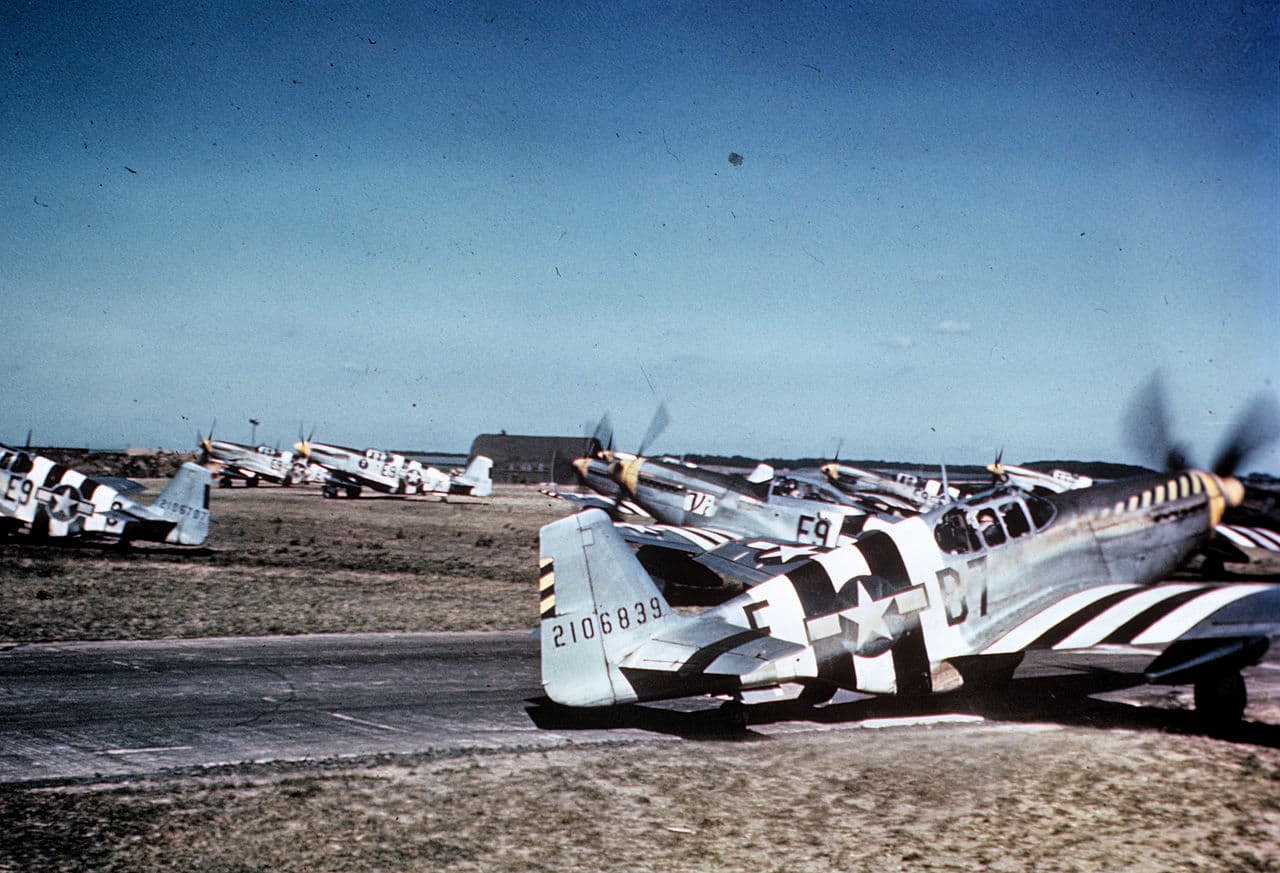
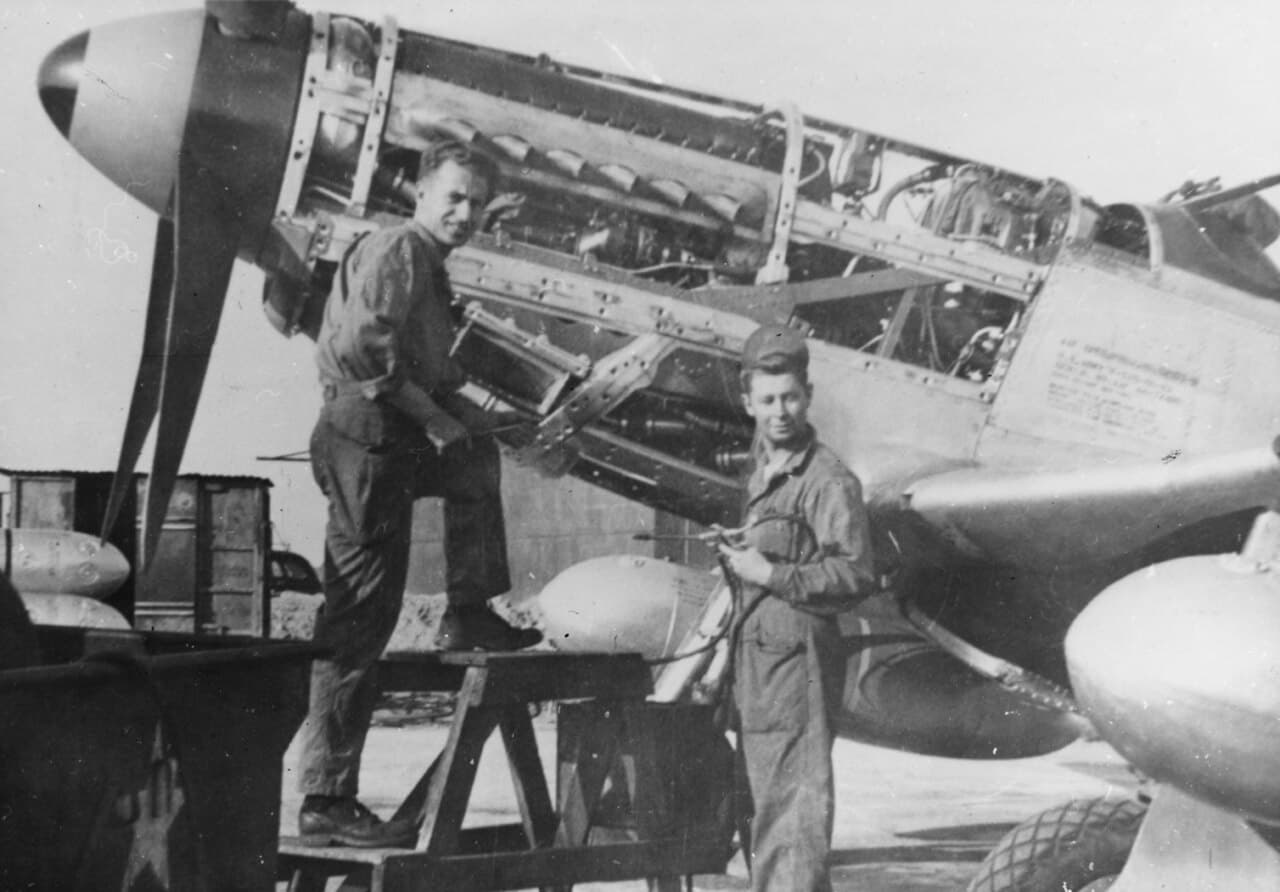
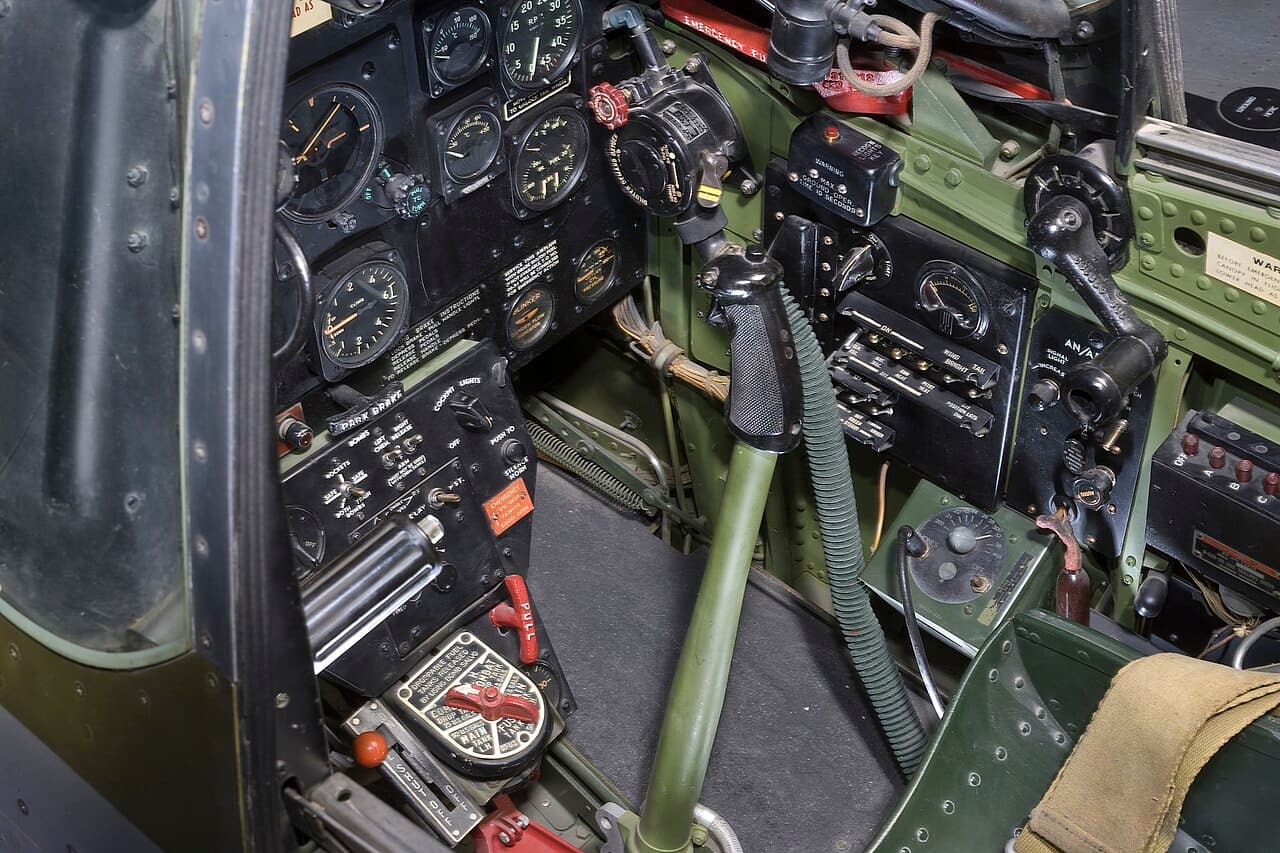
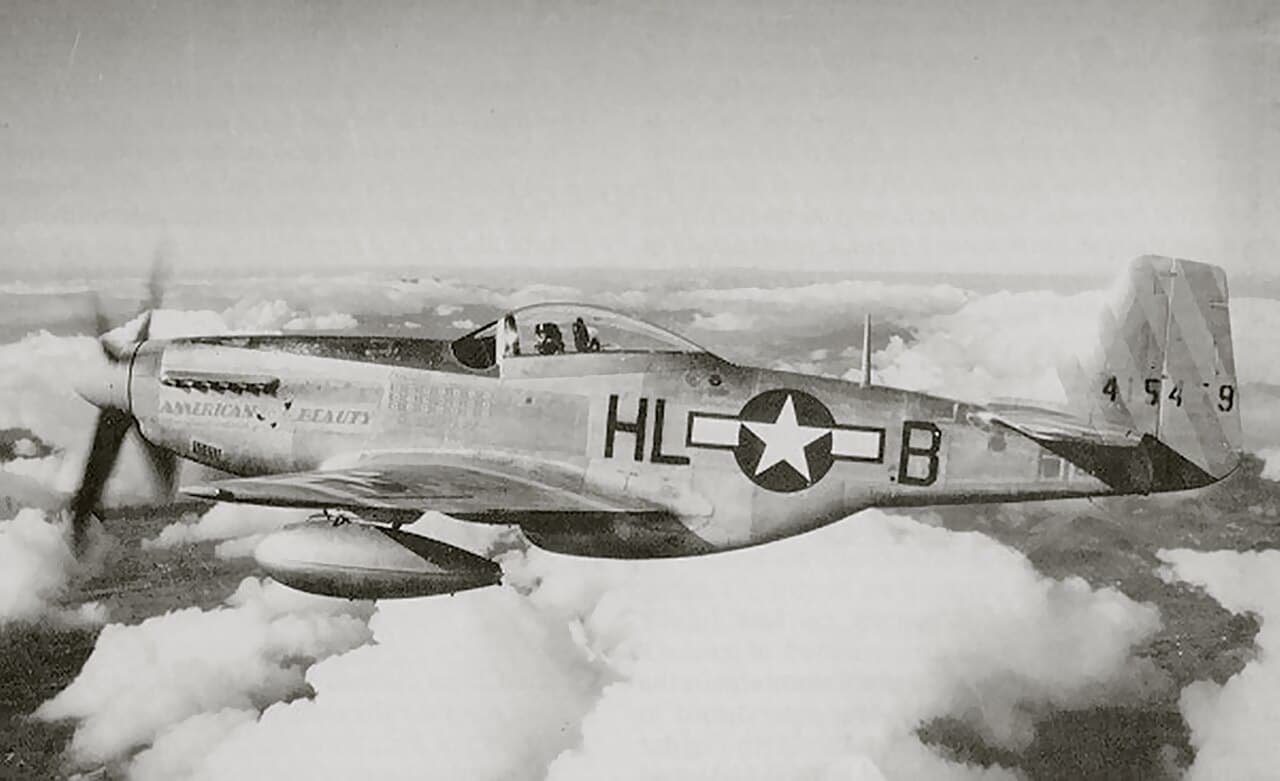
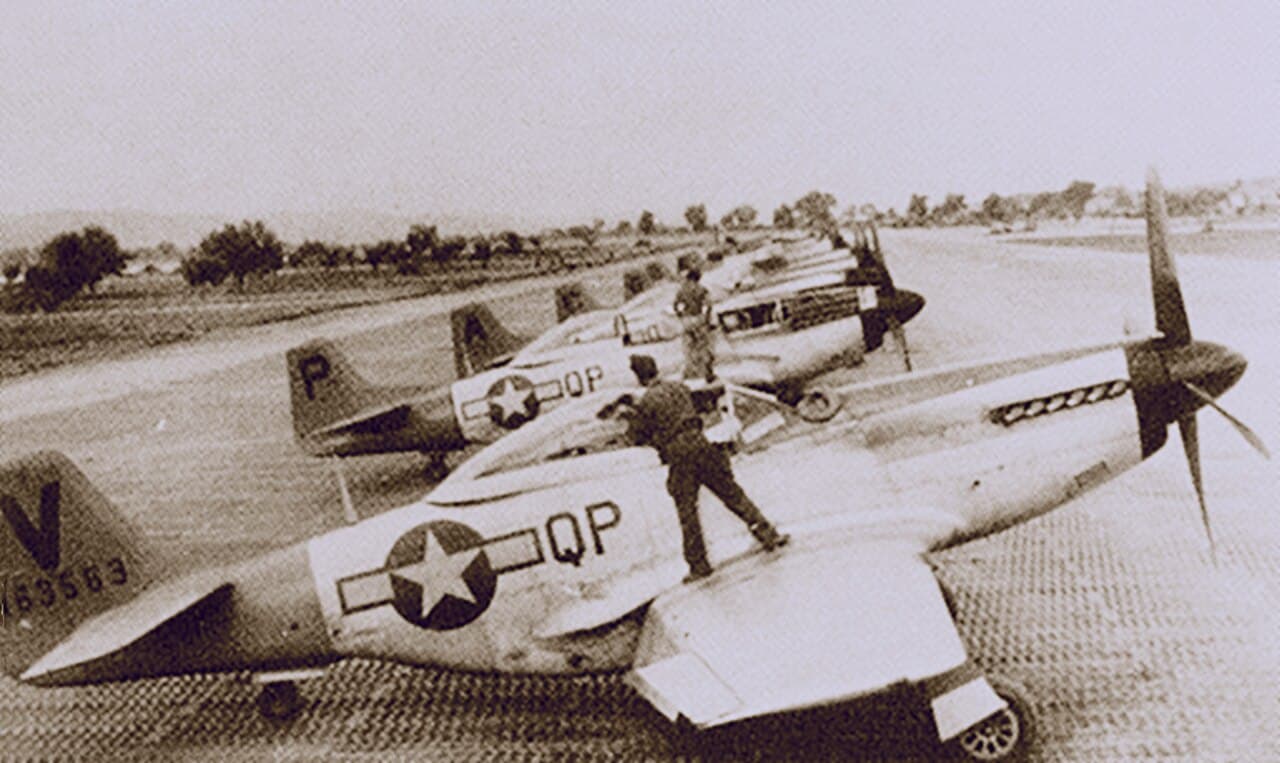
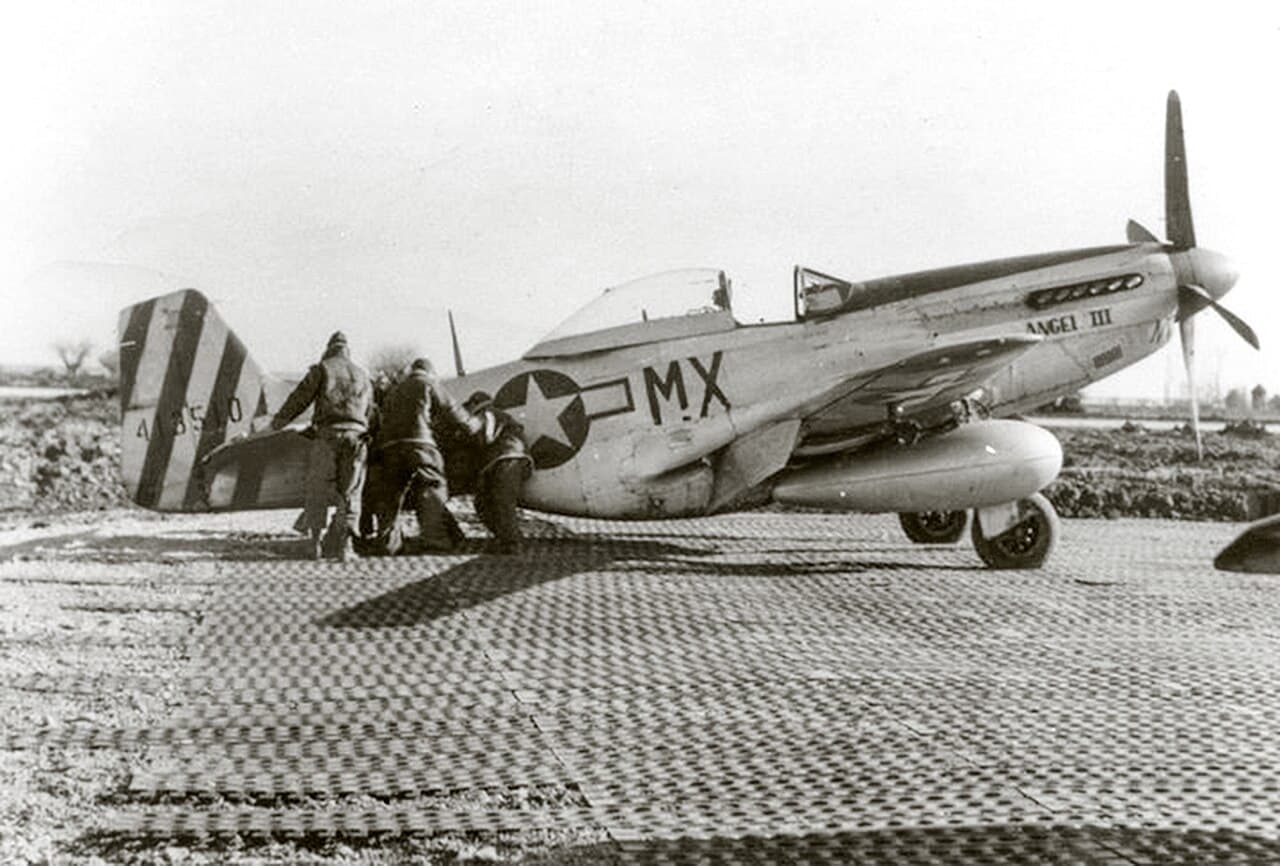
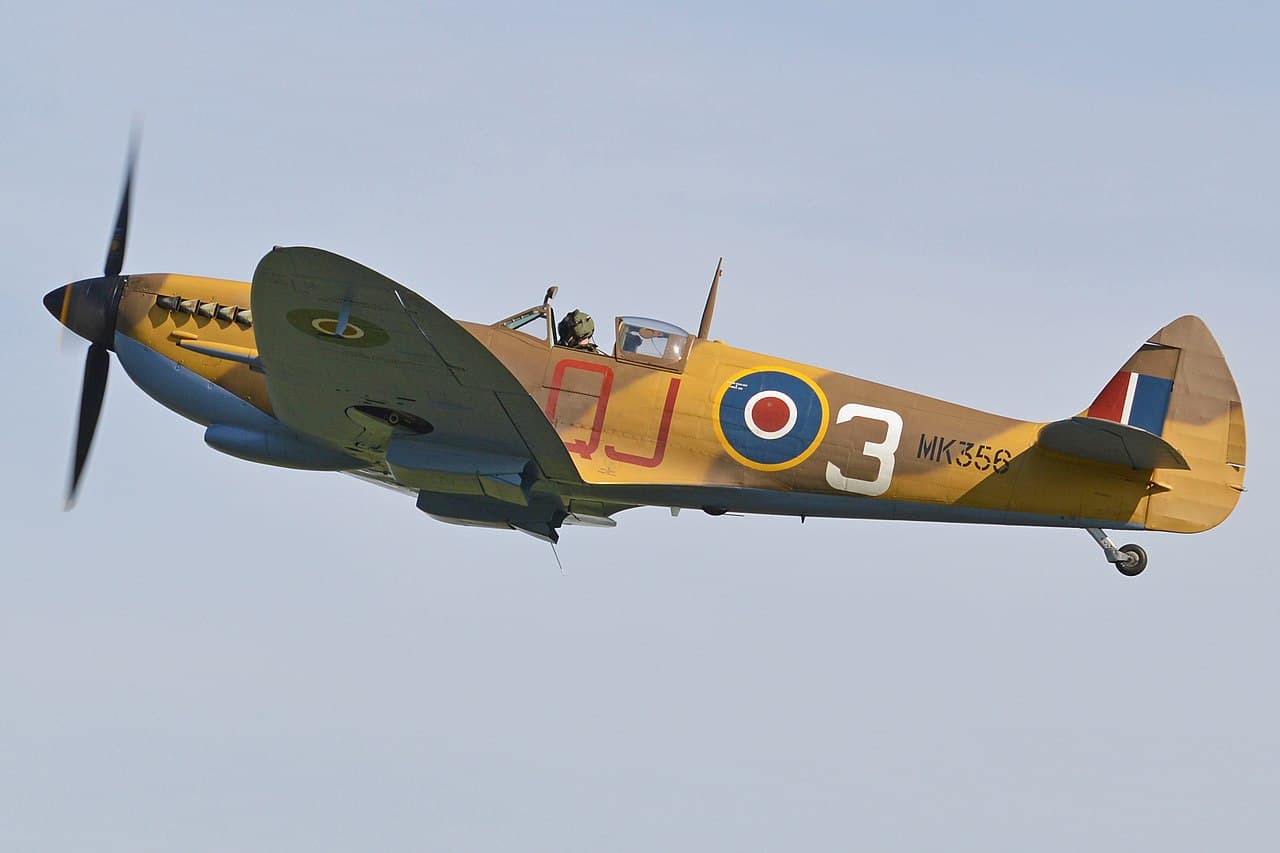
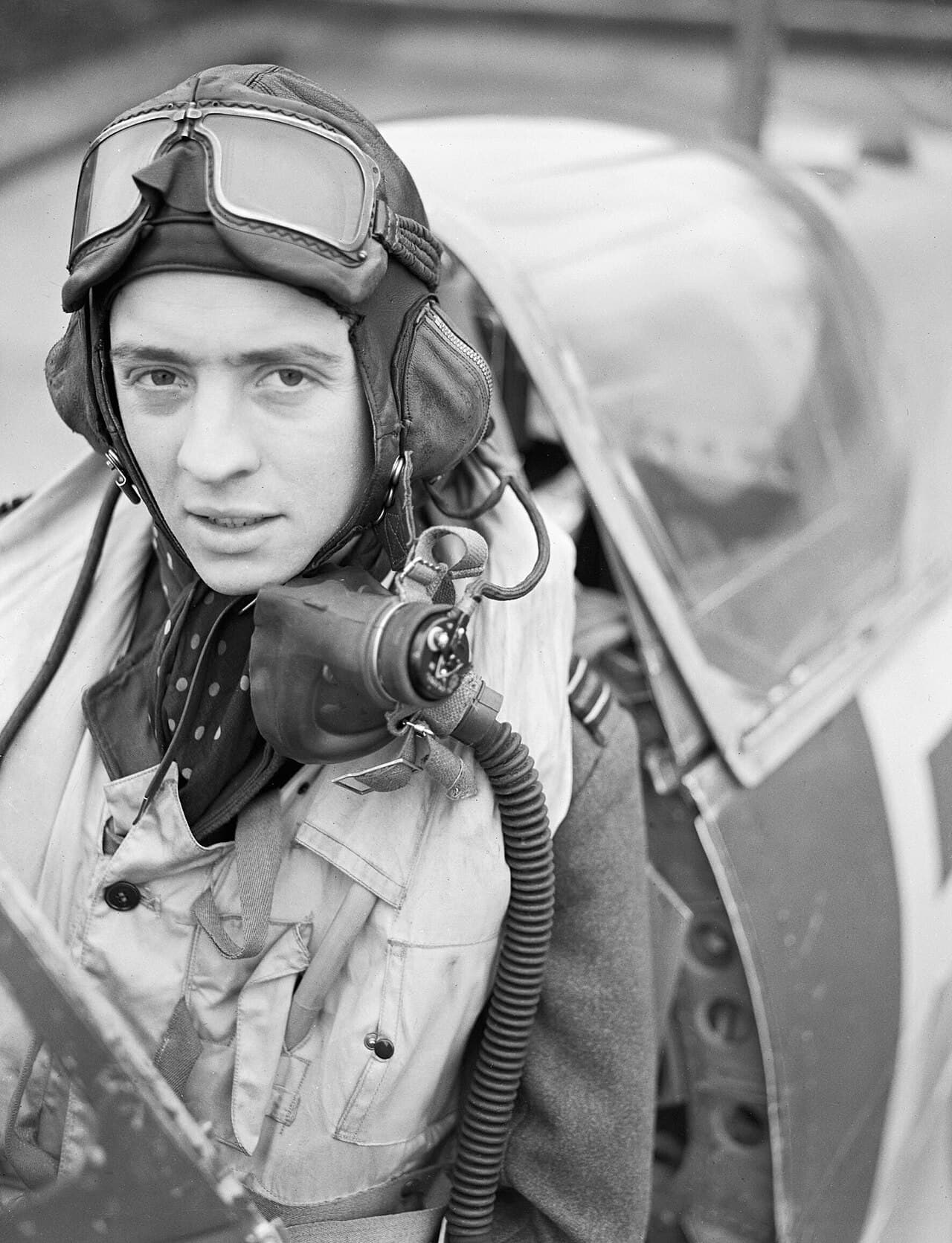
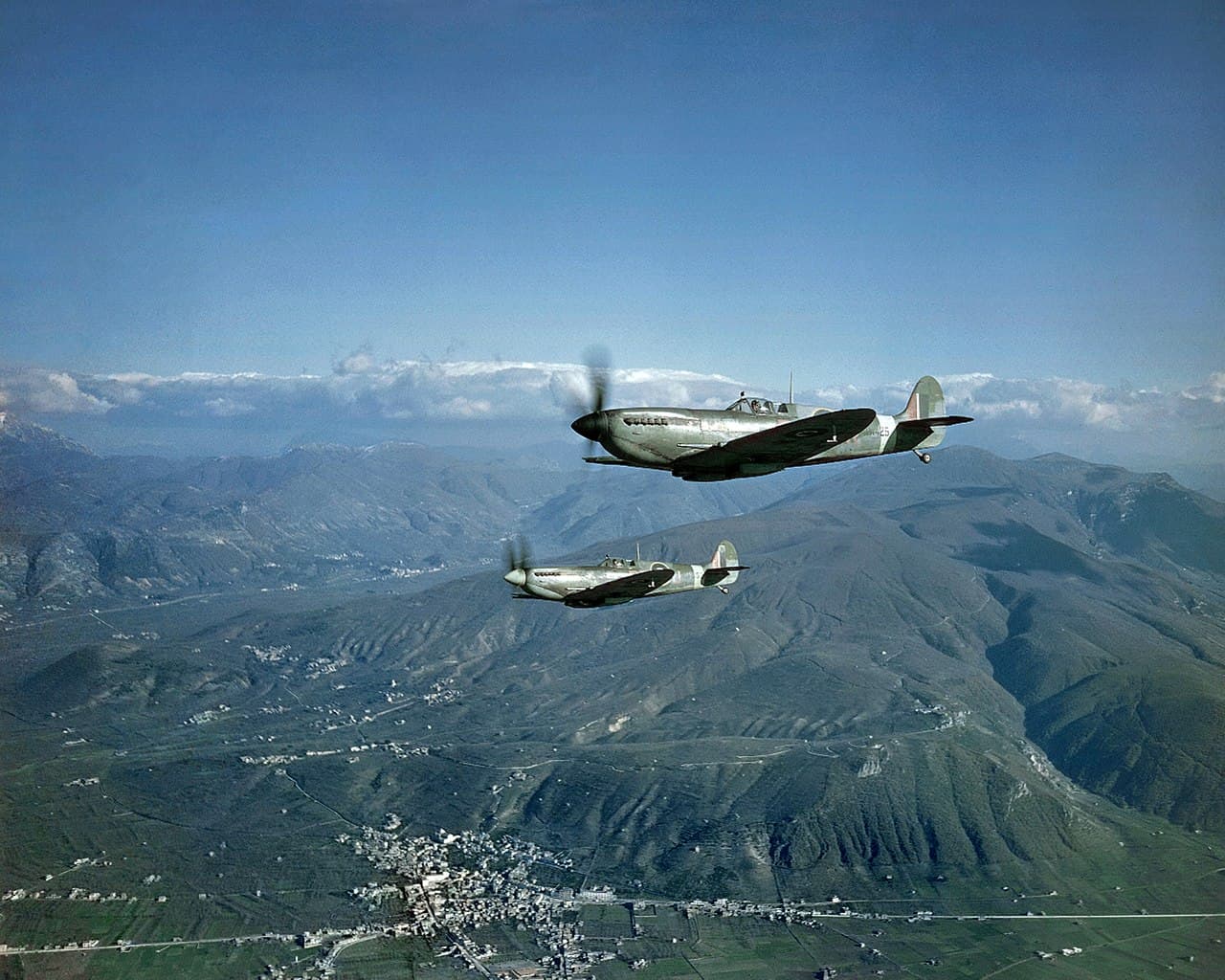
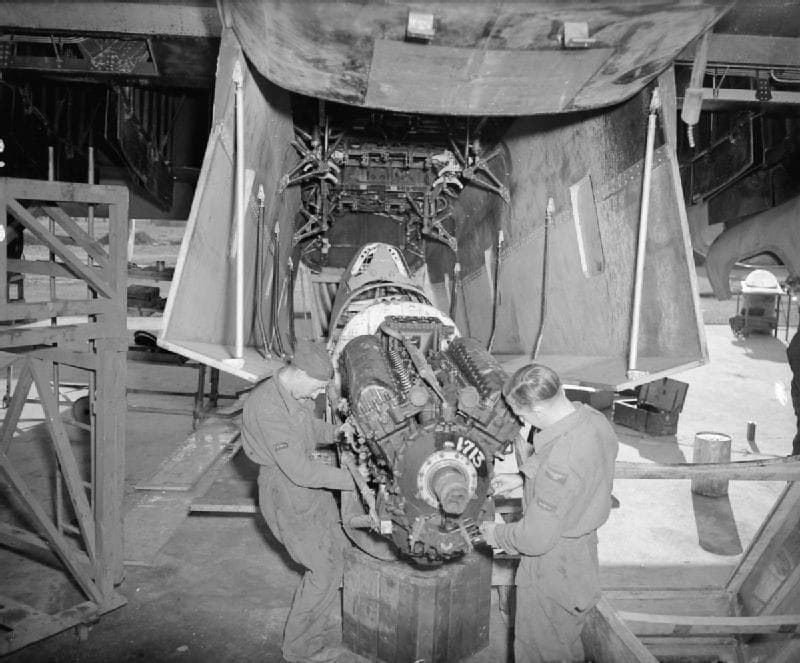
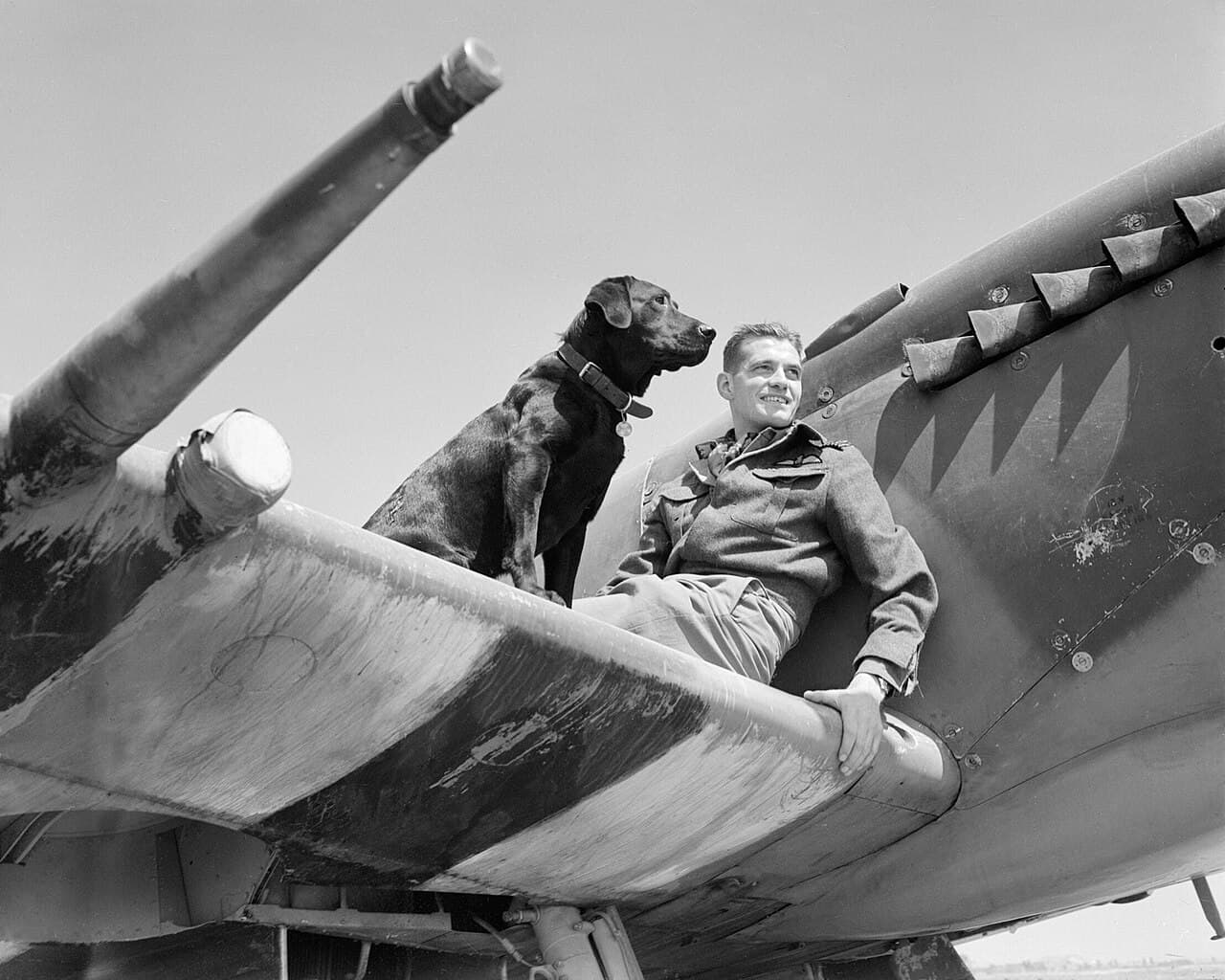
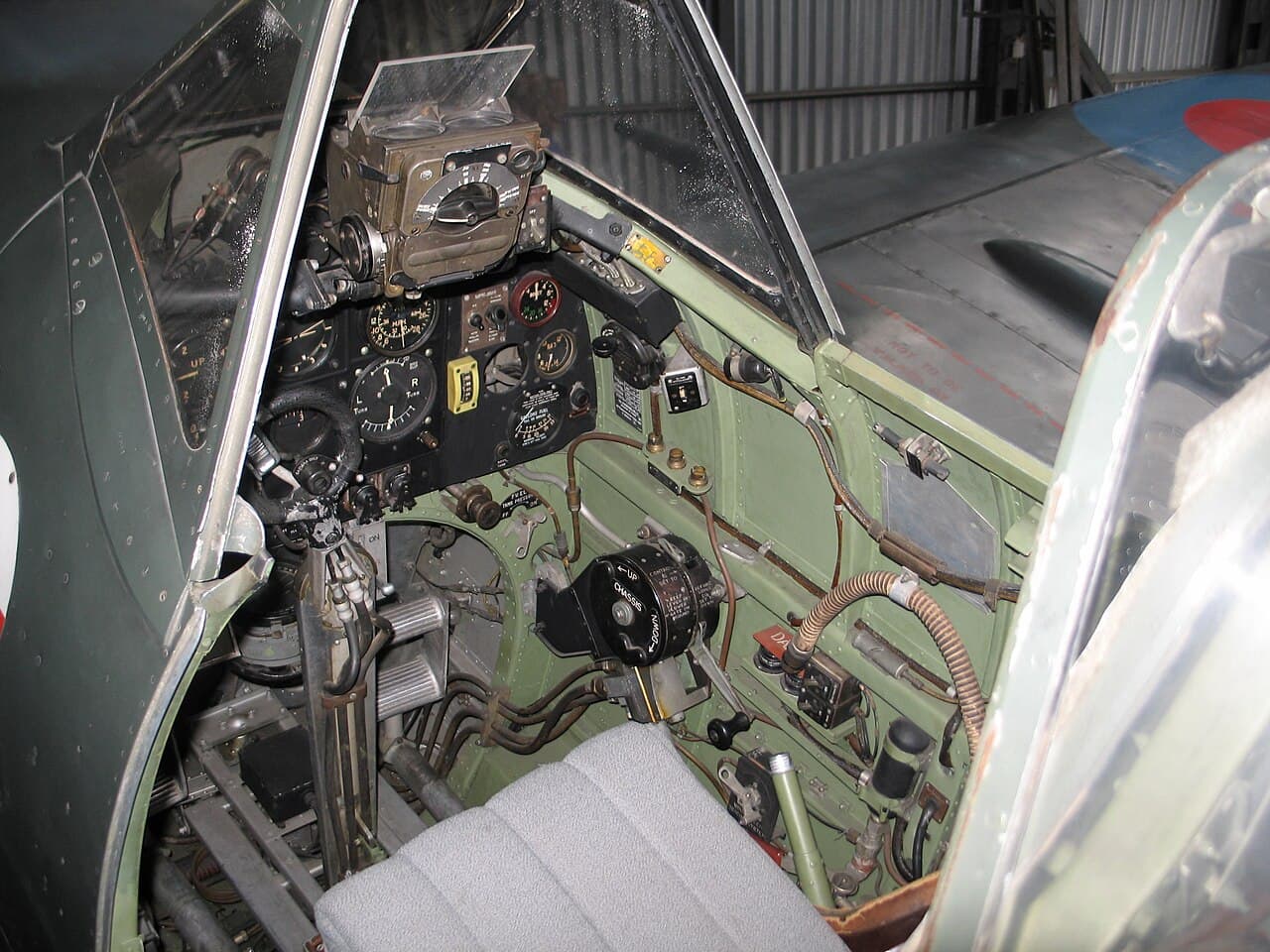
Click any photo to enlarge · 12 photos
Historical Context
The strategic backdrop that shaped both aircraft
The story of the P-51D Mustang and Spitfire Mk IX is fundamentally a story of evolution under pressure. The Spitfire had been in continuous development since 1936. By 1942, the Spitfire Mk V was being outperformed by the Focke-Wulf Fw 190A, and Supermarine urgently needed an answer. The Mk IX was born from that crisis, essentially a Mk V airframe adapted to accept the more powerful Rolls-Royce Merlin 61 with its two-stage, two-speed supercharger. What was intended as a stopgap became one of the most produced Spitfire variants, with 5,656 built.
The Mustang's journey was equally dramatic. North American Aviation designed the NA-73X in just 117 days in 1940. The early Allison-powered Mustangs were fast at low altitude but anemic above 15,000 feet. The transformation came when Rolls-Royce test pilot Ronald Harker suggested fitting the Merlin 61. This marriage of American airframe and British engine produced perhaps the finest piston-engine fighter ever built.
Both aircraft shared the same heart, derivatives of the legendary Rolls-Royce Merlin, but their designers pursued fundamentally different goals. Mitchell optimized the Spitfire for rate of climb, maneuverability, and short-range interception. The thin elliptical wing minimized drag while the relatively small fuel capacity of 85 gallons reflected its interceptor role. North American's Edgar Schmued designed the Mustang around a laminar-flow wing that sacrificed some low-speed handling for reduced drag at high speed, with an airframe large enough to carry the fuel needed for deep penetration missions.
By D-Day in June 1944, both types operated side by side in enormous numbers. The Spitfire Mk IX equipped numerous RAF and Commonwealth squadrons providing tactical air superiority over the beachheads, while P-51D groups of the Eighth Air Force ranged deep into Germany. Together, they formed the backbone of Allied fighter strength in Europe.
Notable Combat Encounters
Key engagements where these aircraft faced each other in combat
On D-Day, Allied air power flew over 14,000 sorties. Spitfire Mk IXs from 2nd Tactical Air Force provided low and medium-altitude air cover directly over the invasion beaches, flying multiple short-range sorties per day from southern England. Meanwhile, P-51D groups from the Eighth Air Force flew high cover and offensive sweeps deeper into France, preventing Luftwaffe reinforcements from reaching the beachhead.
Outcome
The Luftwaffe managed only 319 sorties against the Allies' 14,674. Allied air supremacy was total.
D-Day perfectly illustrated the complementary roles, the Spitfire's short range was no handicap over the Channel, while the Mustang's range allowed it to sanitize the deeper airspace.
Operation Market Garden saw both types supporting the largest airborne operation in history. Spitfire Mk IXs provided close escort for transport aircraft over Arnhem, Nijmegen, and Eindhoven. P-51Ds flew area patrol and offensive counter-air missions, engaging Luftwaffe fighters attempting to intercept the transport streams.
Outcome
Allied fighters largely prevented Luftwaffe interference with airborne operations, though ground forces ultimately failed to hold the Arnhem bridge.
Market Garden demonstrated the Mustang's ability to maintain sustained air presence over distant objectives while Spitfires handled closer tactical support.
Operation Bodenplatte saw over 900 Luftwaffe fighters launch a surprise dawn attack on Allied airfields. Spitfire Mk IX squadrons at Eindhoven suffered significant losses on the ground, but those airborne fought aggressively. P-51D units were also targeted, with the 352nd Fighter Group at Asch scrambling under fire.
Outcome
The Luftwaffe destroyed approximately 300 Allied aircraft on the ground but lost 271 aircraft and 213 irreplaceable pilots.
Regardless of aircraft type, both Spitfire and Mustang pilots who got airborne generally prevailed, reflecting superior training by this stage of the war.
During the Falaise Gap operations, Spitfire Mk IXs from RAF and Free French squadrons flew tactical reconnaissance and fighter sweeps at low altitude over retreating German columns. P-51Ds conducted long-range fighter sweeps across France, strafing airfields, rail lines, and transport columns.
Outcome
The Falaise Pocket became a killing ground for retreating German forces, with Allied air power contributing significantly to the destruction of two German field armies.
Both aircraft proved effective in ground attack, though the Mustang's heavier armament of six .50-caliber guns gave it an edge in strafing.
Armament & Firepower
Primary weapons, munitions capacity, and destructive capability
P-51D Loadout
Six .50-caliber M2 Browning machine guns with 1,880 rounds total. Could carry two 500 lb bombs or six 5-inch HVAR rockets.
Spitfire Mk IX Loadout
Two 20mm Hispano Mk II cannon (120 rpg) and four .303 Browning machine guns (350 rpg) in the Type C wing. Some had the Type E wing with two 20mm and two .50 caliber Brownings.
Air-to-Air Verdict
The Spitfire's 20mm cannon gave superior hitting power, a short burst could destroy an aircraft. The Mustang's .50 calibers required longer bursts but offered excellent reliability and ballistics.
Ground Attack Verdict
The Mustang was more effective for ground attack with six heavy machine guns, greater bomb capacity, and longer loiter time.
The Spitfire's 20mm cannon shells delivered substantially more destructive energy per hit than .50-caliber rounds. Against heavily constructed German fighters, the cannon's explosive impact was significantly more effective. However, the Hispano had lower rate of fire, fewer rounds, and was prone to jamming in early models.
The Mustang's six .50-caliber Brownings provided a combined rate of fire exceeding 4,800 rounds per minute with excellent reliability and superb accuracy at range. American pilots often opened fire at longer ranges, using the Browning's flat trajectory. For the escort mission, where engagements were often high-speed passes with limited firing windows, the Browning's reliability and ammunition supply were arguably more important than the cannon's hitting power.
Survivability & Protection
Armor, self-sealing tanks, pilot protection, and structural resilience
P-51D Protection
Steel armor plate behind the pilot, armored windscreen, and armor around the engine oil tank. Total armor approximately 89 lbs. The liquid-cooled Merlin was vulnerable, a single hit to coolant lines could cause engine failure within minutes.
Spitfire Mk IX Protection
Steel armor plate behind the pilot (approximately 75 lbs), armored windscreen, and armor around the glycol header tank. Also liquid-cooled and similarly vulnerable to coolant system hits.
Pilot Protection
Both provided similar pilot protection with armored seat backs and bulletproof windscreens. The P-51D's bubble canopy was more fragile but easier to bail from. The Spitfire's framed canopy was more structurally protective.
Structural Durability
Both used all-metal semi-monocoque construction. The P-51D was slightly heavier and more robust; the Spitfire lighter but with less structural redundancy.
Crash Survivability
The Spitfire was generally more forgiving in crash landings due to its wider-track undercarriage and lower landing speed. The Mustang's belly radiator scoop could catch during wheels-up landings.
Both shared the fundamental vulnerability of liquid-cooled engines. Neither had the resilience of radial-engine fighters like the F6F or Fw 190. The Mustang's larger fuel capacity meant more fire risk, though self-sealing tanks mitigated this. Overall survivability was roughly comparable.
Tactical Doctrine & Evolution
How pilots were trained to fight in each aircraft and how tactics adapted over time
P-51D Tactics
P-51D tactics centered on energy management and speed advantage. During escort missions, Mustang groups weaved above the bomber formation at 2,000-4,000 feet higher altitude. When enemy fighters appeared, flights dropped tanks, accelerated, and dove to engage.
The preferred attack was the high-speed bounce, diving from altitude, making a firing pass, then zooming back up. Colonel Don Blakeslee drilled his pilots: "Speed is life. Never slow down to fight." In the sweep role, P-51D groups used flights at staggered altitudes to create overlapping coverage, with the Mustang's range allowing sweeps deep into Germany.
Spitfire Mk IX Tactics
Spitfire Mk IX tactics evolved from the hard lessons of 1940-1941, built around the aircraft's climb rate and agility. Squadrons excelled at interception: scramble, climb rapidly using GCI radar vectoring, and engage. The Mk IX's 5,000 fpm climb could reach 25,000 feet in under six minutes.
In combat, Spitfire pilots exploited tight turning radius and rapid energy recovery. The classic tactic against Bf 109s was to force a turning fight. Against the Fw 190, pilots used vertical maneuvers where the Spitfire's power-to-weight advantage told. After D-Day, Spitfire Mk IXs operated as fighter-bombers requiring low-level jinking to avoid flak.
How Tactics Evolved
The tactical evolution reflects the Allied air war's shift from defense to offense. In 1940-1942, the Spitfire was the cornerstone of defensive air power, scramble, intercept, return. The Mustang's arrival marked the shift to offensive air superiority. Doolittle's decision to free escorts to hunt the Luftwaffe exploited the Mustang's capabilities perfectly.
By 1944, both types increasingly performed ground attack. The Spitfire's transition to 2nd TAF for battlefield support was natural given its short range. The Mustang could serve as both escort and ground attack platform in the same mission. The fundamental lesson was that no single aircraft could do everything, the Spitfire and Mustang together provided capabilities neither could deliver alone.
What the Pilots Said
Firsthand accounts from the men who flew and fought these aircraft
On the P-51D“The Spitfire was the most beautiful and finest fighter aircraft ever built. But when we needed to go to Berlin, there was only one aircraft that could take us there, the Mustang.”
On the Spitfire Mk IX“The P-51 was a great airplane. Fast, long-legged, and honest. But in a turning fight, I'd rather have a Spit under me. That airplane could turn inside anything the Germans had.”
On the P-51D“I flew the Mustang because it could go where the bombers went. That's what mattered. The Spitfire pilots could have the glory of the dogfight, we had work to do over Germany.”
On the Spitfire Mk IX“In a Spitfire you felt like the aircraft was part of you. It responded to your thoughts almost before you moved the controls. The Mustang was a wonderful machine, but the Spitfire was alive.”
By the Numbers
Statistical combat performance and historical kill ratios
Exchange Ratio
Since these aircraft fought on the same side, direct exchange ratios do not exist. The P-51 is credited with 4,950 aerial victories in Europe (more than any other Allied fighter). Spitfires of all marks accounted for approximately 4,000 victories across all theaters.
Source: USAAF Statistical Digest, RAF Combat Reports
The Mustang's extraordinary kill tally reflects both its capability and circumstances, it arrived when the Luftwaffe was defending the Reich with large formations, creating target-rich environments. The Spitfire's record spans a longer period and more theaters.
The Mk IX specifically served from mid-1942 onward and was instrumental in regaining air parity over the Fw 190A. Its defensive victories during 1942-1943 were arguably more critical than raw numbers suggest, had the RAF lost air superiority over Britain, the entire Allied strategic position would have collapsed.
Both achieved favorable kill ratios against opponents. The Mustang's ratio against Luftwaffe fighters in 1944-1945 was approximately 7:1, reflecting both its excellence and declining German pilot quality. The Spitfire Mk IX achieved similarly favorable ratios in its prime period.
Production & the Numbers Game
How industrial output shaped the strategic balance
15,586
P-51D Built
5,665
Spitfire Mk IX Built
The Spitfire's total production of over 20,000 across 24 variants reflects continuous evolution, the Mk IX used essentially the same airframe as the 1936 prototype. This maximized existing tooling. Castle Bromwich alone produced over 12,000 Spitfires.
The Mustang went from zero fighters in 1940 to nearly 16,000 by 1945. The P-51D required approximately 18,000 man-hours per aircraft, fewer than the Spitfire's complex compound curves. The Mustang's lower cost meant faster USAAF re-equipment.
Strategically, the Spitfire was available when Britain needed it most, 1940. The Mustang arrived perfectly timed for the offensive phase. Together, their production sustained Allied air power from the defensive years through the final offensive.
Advantages in This Matchup
Where each aircraft holds the edge in a head-to-head encounter
P-51D Mustang
- Unmatched combat range of 750+ miles on internal fuel made deep escort possible
- Superior high-speed performance with 437 mph top speed at 25,000 feet
- Bubble canopy provided the best all-around visibility of any WW2 fighter
- Excellent dive performance and high-speed control for boom-and-zoom tactics
- Six .50-caliber guns with 1,880 rounds, sustained firepower with excellent reliability
- Outstanding high-altitude performance above 30,000 feet
- Versatile fighter-bomber capability with bombs and rockets
Spitfire Mk IX Spitfire
- Superior climb rate of 4,580 fpm, the ultimate scramble interceptor
- Tighter turning radius and lower wing loading for decisive dogfight advantage
- Two 20mm cannon delivered devastating hitting power in short bursts
- Lighter weight and better power-to-weight ratio for superior energy recovery
- Combat-proven since 1940 with continuous refinement through operational experience
- Excellent low-altitude performance in LF Mk IX variant
- Smaller size and superb responsiveness made it harder to hit in close combat
Final Verdict
Overall Assessment
Context-Dependent
Neither aircraft holds a definitive advantage, the winner depends on the scenario.
The P-51D Mustang vs Spitfire Mk IX comparison is perhaps the most fascinating in WW2 aviation because it involves two genuinely great aircraft on the same side. The Spitfire Mk IX was the better pure fighter, it climbed faster, turned tighter, and handled more responsively. Johnnie Johnson, the RAF's leading ace with 34 victories, flew Spitfires by choice throughout the war.
The P-51D Mustang was the more important aircraft to the outcome of the war. Its ability to escort bombers to Berlin and back was so transformative that General Eisenhower reportedly named the P-51 one of the four weapons that won the war in Europe. The engineering that made this possible, Edgar Schmued's laminar-flow wing, Ed Horkey's Meredith-effect radiator, created an aircraft that could cruise at 360 mph while burning fuel at rates comparable to fighters with half its range.
Ultimately, "which was better?" misses the point. Britain in 1940 needed a short-range interceptor, the Spitfire was magnificent in that role. America in 1944 needed a long-range escort fighter, the Mustang was equally magnificent. That both used derivatives of the same Rolls-Royce Merlin is perhaps the greatest tribute to that engine and to the transatlantic partnership that defeated Nazi Germany.
Theaters of Operation
Shared Theaters
P-51D Only
Spitfire Mk IX Only
Related Matchups
P-51D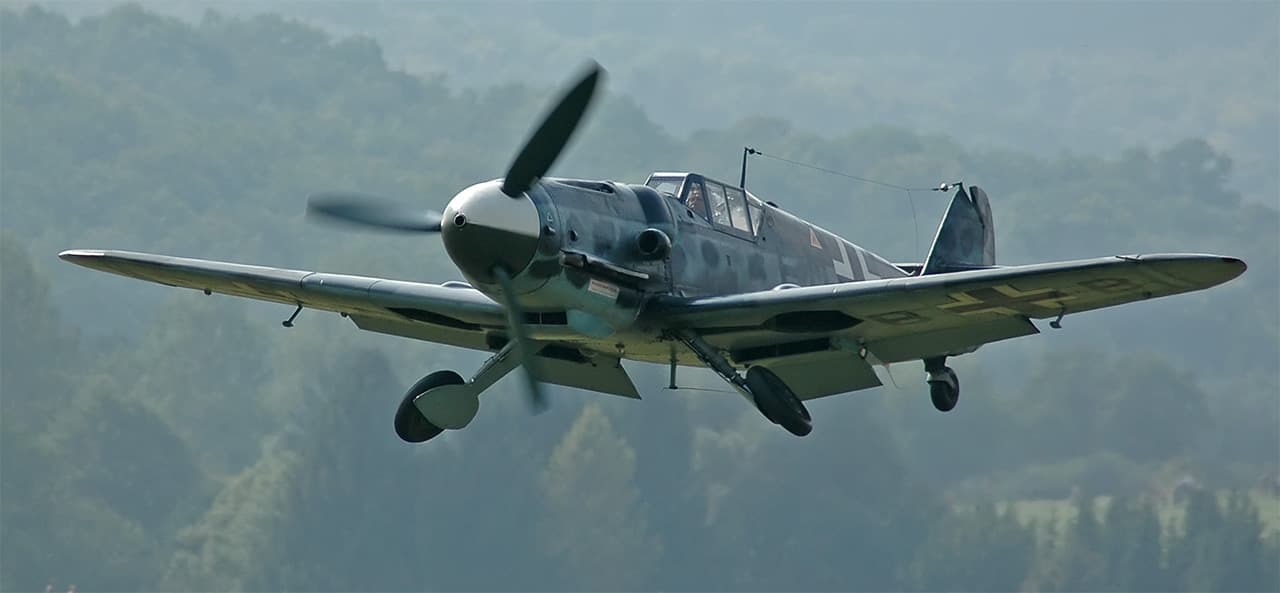 Bf 109GSpitfire Mk IXBf 109G
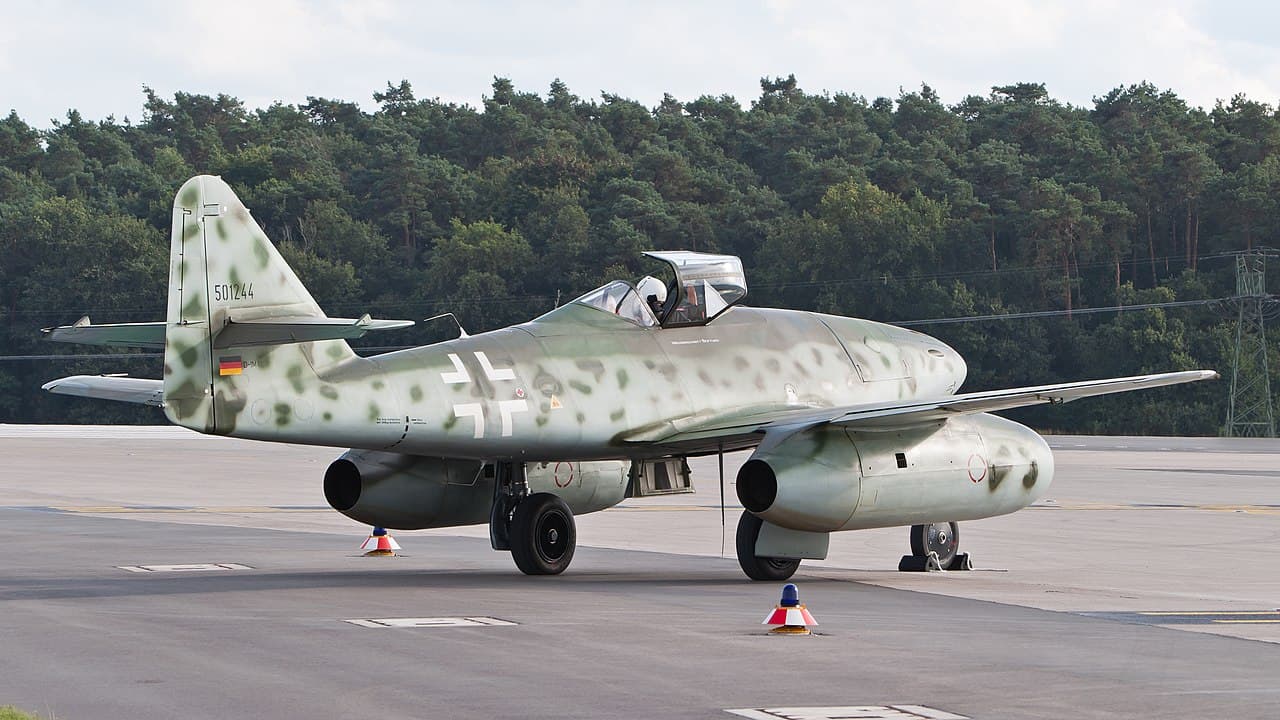 Me 262AP-51D
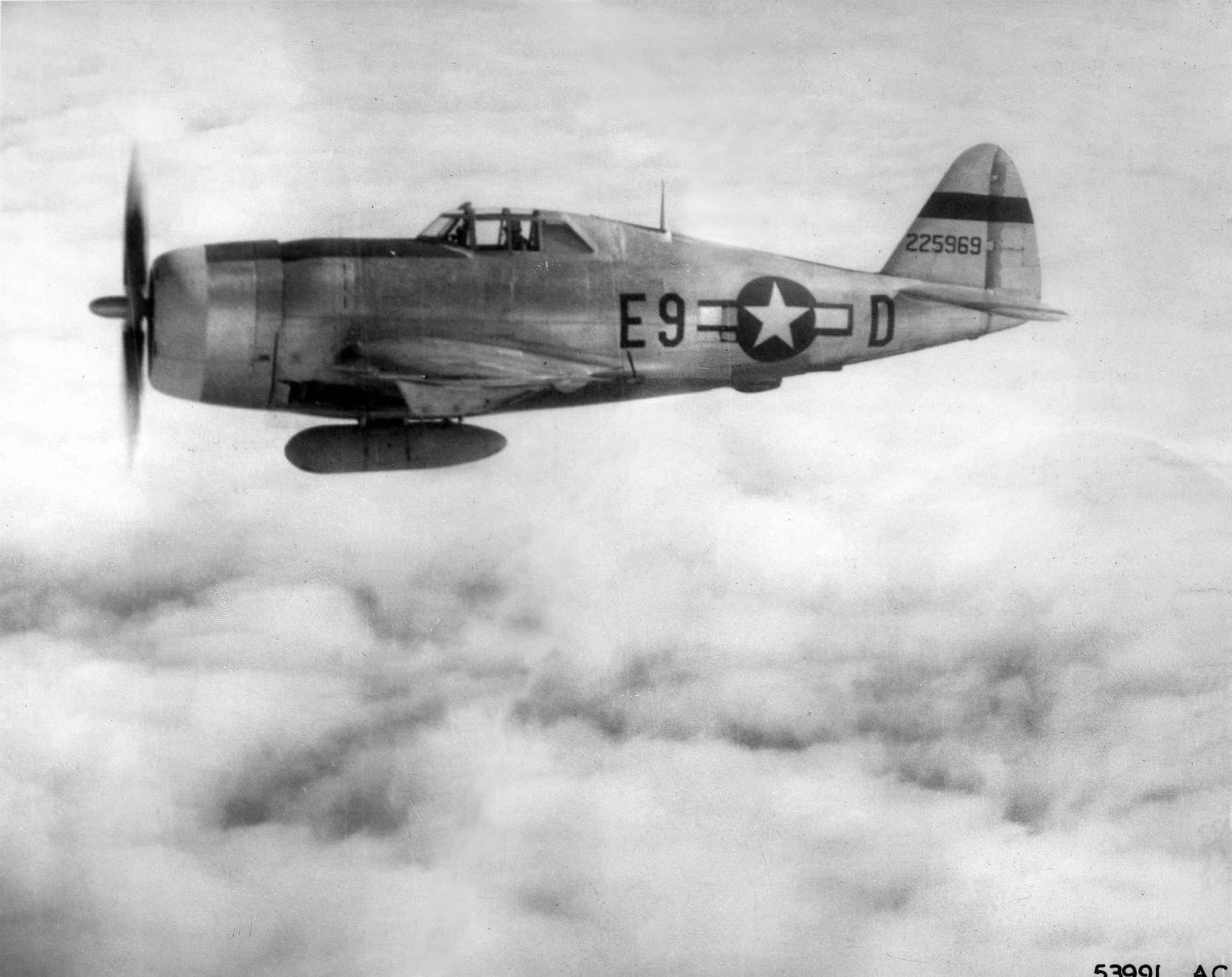 P-47DP-51DP-51DSpitfire Mk IX
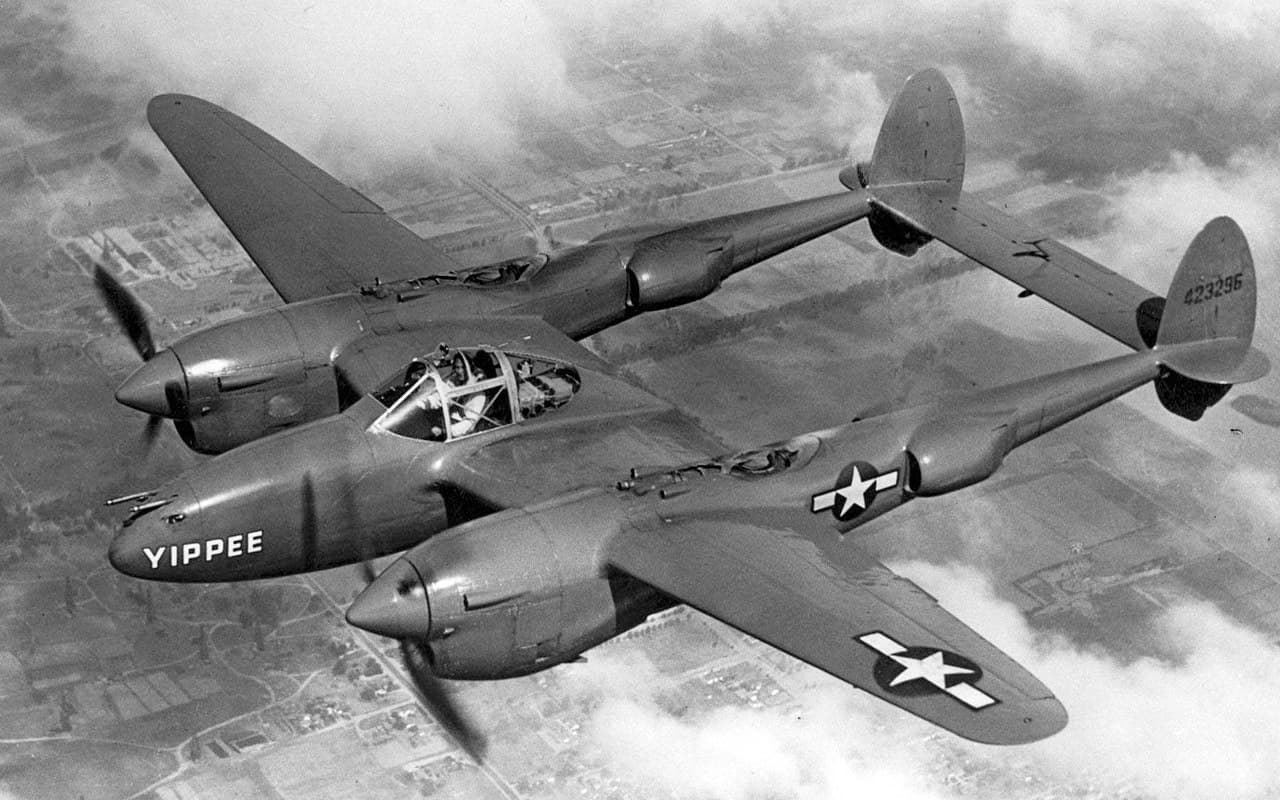 P-38JP-51DSpitfire Mk IX
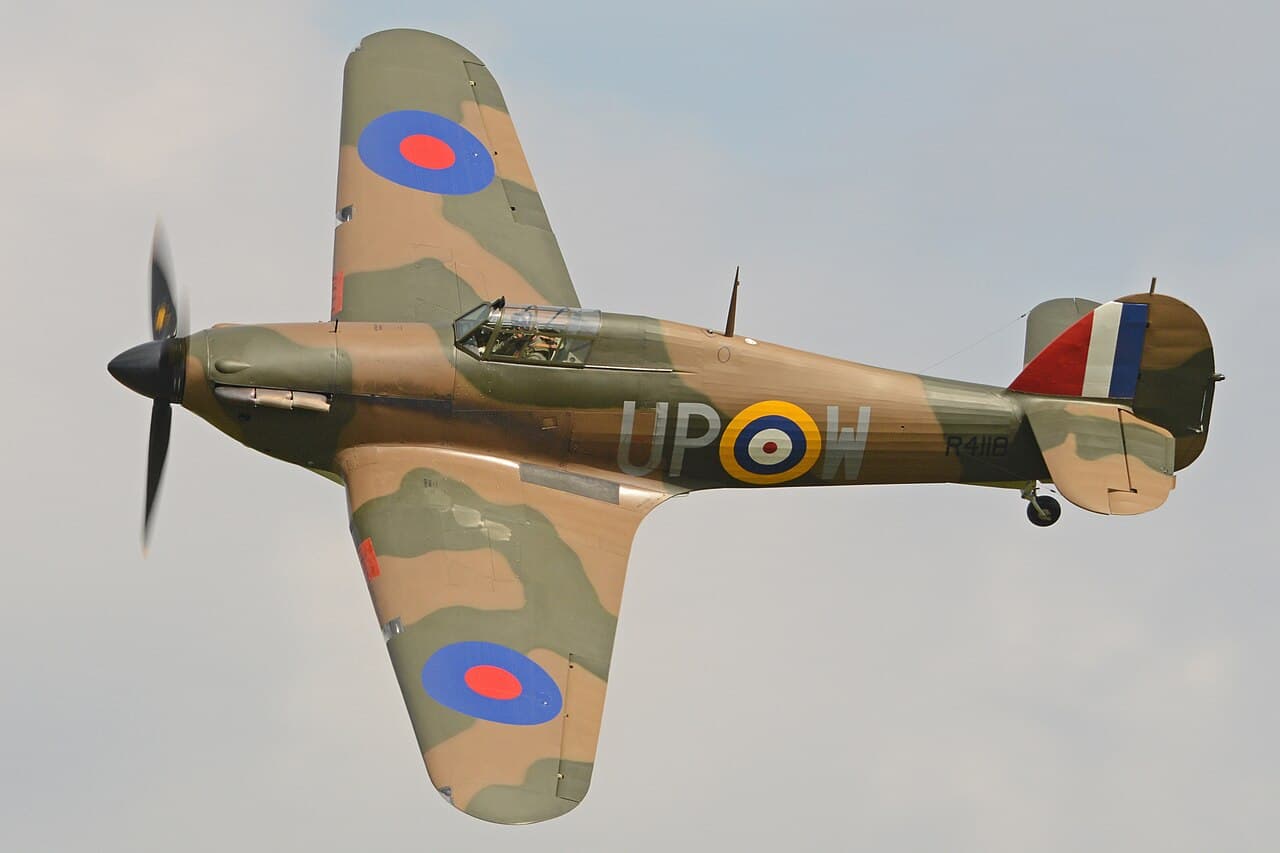 Hurricane Mk IICP-51D
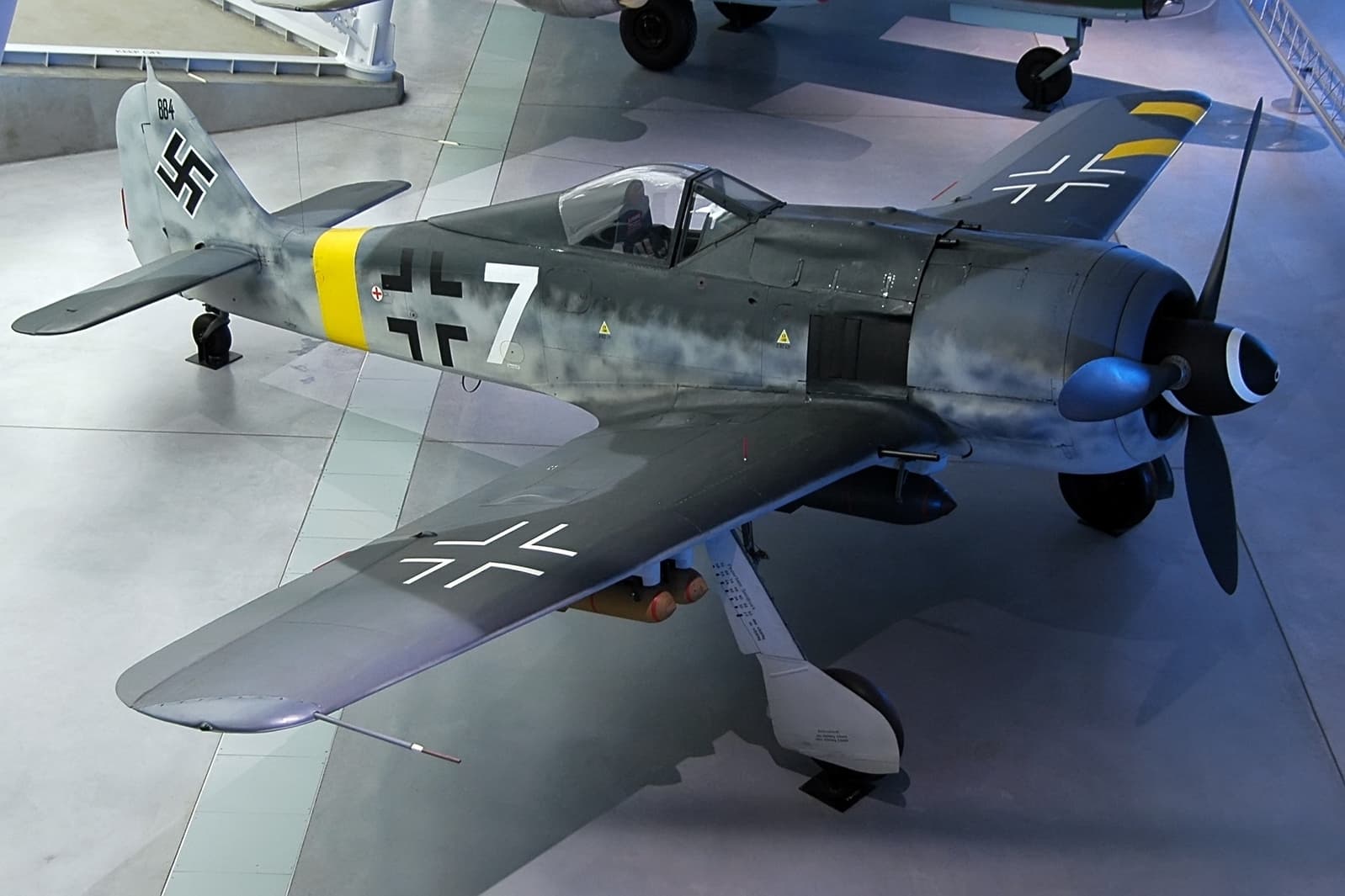 Fw 190ASpitfire Mk IXFw 190A