Skip to content
April 17:Bay of Pigs Invasion Begins65yr ago

The Night Witches: Soviet Women and Their Po-2 Biplanes

Daniel Mercer · · 12 min read
Save
Share:
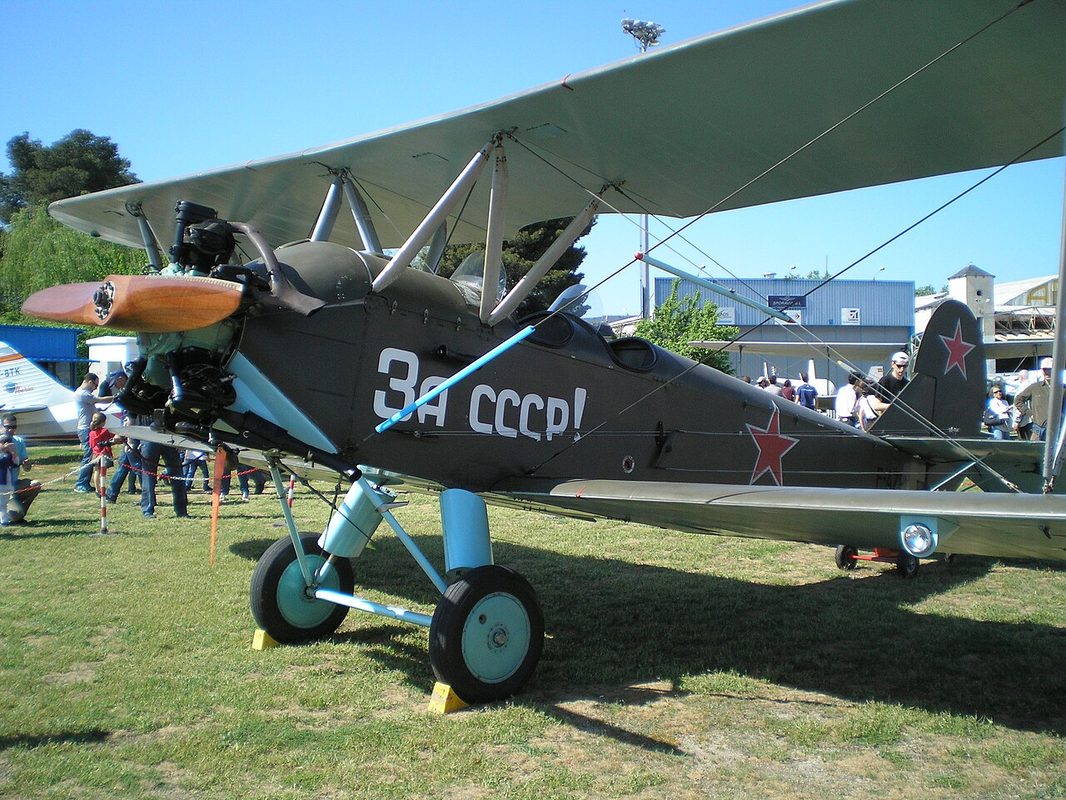
Polikarpov Po-2 biplane of the Night Witches 588th Night Bomber Regiment with crew preparing for a night mission
Daniel Mercer
Daniel Mercer

Military History Editor

Daniel Mercer writes about military history with a focus on the 20th century, including World War II, the Cold War, and Vietnam. His work looks at how decisions made decades ago still influence doctrine, planning, and assumptions today.

The Polikarpov Po-2 was never meant to be a combat aircraft. Designed in 1928 by Nikolai Polikarpov, it was a simple biplane trainer — canvas over wood, open cockpits, a five-cylinder radial engine producing 110 horsepower, a maximum speed of 94 mph, and a service ceiling so low that any fighter aircraft in the world could fly circles around it. By 1941, it was a relic. But the Soviet Union was losing a war, and Major Marina Raskova — a famous aviator and one of the few women with influence in the Soviet military establishment — convinced Stalin to authorize the formation of three all-female aviation regiments. The 588th Night Bomber Regiment received Po-2s because there was nothing else available. They turned the obsolete biplane into a weapon that terrorized the German Army for three years.

The 588th Night Bomber Regiment

The regiment was formed in October 1941 and began combat operations on June 12, 1942, from an airfield near the front lines in southern Russia. Every position in the regiment — pilots, navigators, mechanics, armorers, staff officers — was filled by women, most of them in their late teens and early twenties. Many were university students, flight club members, or civilian pilots who had volunteered after the German invasion. Their commanding officer was Major Yevdokia Bershanskaya, who led the regiment for its entire operational existence.

The regiment was later redesignated the 46th Guards Night Bomber Aviation Regiment — the "Guards" title being one of the highest honors the Soviet military could bestow on a unit, reserved for those that had demonstrated exceptional valor and effectiveness in combat. Twenty-three members of the regiment were awarded the title Hero of the Soviet Union, the country's highest military decoration.

The Machine

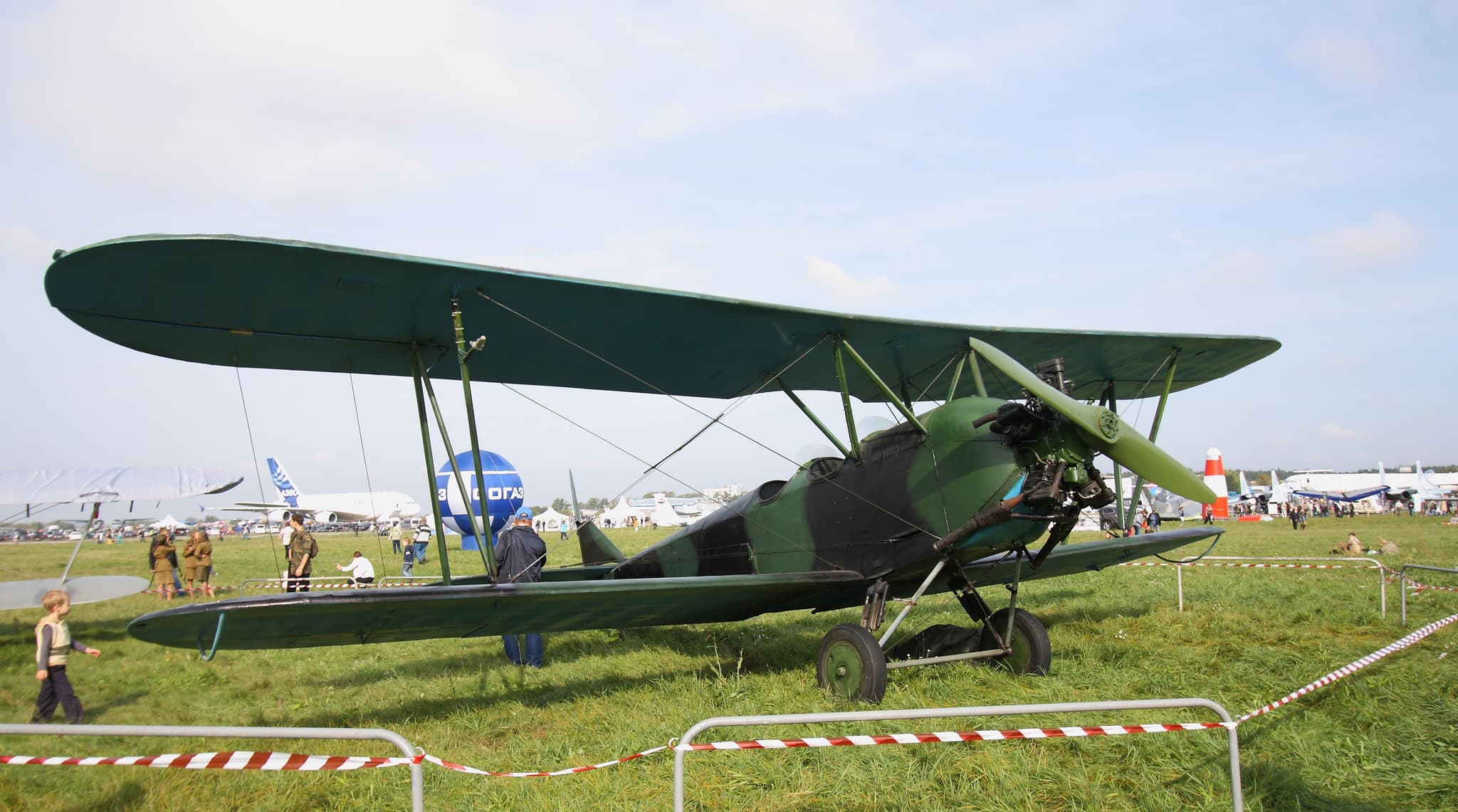
The Po-2 that the Night Witches flew into combat was extraordinarily primitive, even by 1942 standards. The airframe was constructed from plywood and fabric stretched over a wooden skeleton. The M-11 radial engine produced 110 horsepower — less than a modern motorcycle engine produces. The aircraft had no enclosed cockpit, no radio (in early operations), no radar, no self-sealing fuel tanks, and no armor. The instrument panel contained basic flight instruments and little else.

The Po-2 could carry approximately 200 kilograms (440 pounds) of bombs — typically two to six small bombs mounted on underwing racks. The navigator, sitting in the rear cockpit, released the bombs manually over the target. There was no bombsight; aiming was done by judgment, experience, and timing the release based on visual cues in the darkness below.

The aircraft's limitations were also its advantages. The Po-2's stall speed — approximately 40 mph — was lower than the stall speed of any German fighter. A Messerschmitt Bf 109 or Focke-Wulf Fw 190 could not fly slowly enough to engage a Po-2 without stalling. Night fighters that tried to attack the slow-moving biplanes frequently overshot them, unable to reduce speed to match. The Po-2's small size, wooden construction, and low speed also made it difficult for German ground radar to detect.

Polikarpov Po-2 biplane used by the Night Witches showing its open cockpit, wood-and-canvas construction, and underwing bomb racks
The Polikarpov Po-2 — a 1928 training biplane with a 110 hp engine and a top speed of 94 mph. The Night Witches turned this obsolete aircraft into one of the most feared weapons on the Eastern Front. (Soviet Air Force archives)

The Tactics

The Night Witches developed tactics that exploited the Po-2's unique characteristics while minimizing its vulnerabilities. Missions were flown exclusively at night, typically in groups of three aircraft. The first two Po-2s would approach the target area and deliberately attract searchlights and anti-aircraft fire, serving as decoys. While the German gunners were focused on the first two aircraft, the third would cut its engine and glide silently toward the target at low altitude. The only sound the Germans heard was the whisper of wind through the biplane's struts and wires — a sound that earned the regiment its terrifying nickname.

The pilot would release the bombs during the glide, then restart the engine and climb away. The decoy aircraft would then take their turn as the silent attacker, cycling through the formation so that each crew alternated between drawing fire and delivering bombs. This rotation continued throughout the night, with each crew flying as many as 15 to 18 sorties in a single night — refueling and rearming on the ground in minutes between flights.

The regiment targeted ammunition depots, supply lines, troop concentrations, fuel storage, command posts, and vehicle parks. Individual bomb loads were small — 200 kilograms was a fraction of what a conventional bomber could carry — but the cumulative effect of dozens of sorties per night, every night, for months on end was significant. The constant harassment denied German soldiers sleep, disrupted supply operations, and created a persistent atmosphere of vulnerability that ground commanders found deeply frustrating.

No Parachutes

The Night Witches flew without parachutes. The Po-2's bomb load was so limited that the weight of a parachute — approximately 10 kilograms — would have meant carrying one fewer bomb. The crews chose bombs over personal survival equipment. If their aircraft was hit and caught fire — the canvas-and-wood construction was extremely flammable — there was no way out. Several Night Witches died in burning Po-2s that they could not escape.

The danger was constant. Anti-aircraft fire was the primary threat, and searchlights were nearly as dangerous — once illuminated, a Po-2 was an easy target for ground gunners. The aircraft had no self-defense capability; if caught in searchlights, the pilot's only option was to dive and maneuver, hoping to escape the light beams before the gunners found their range. Some crews carried pistols, but these were useless against ground fire.

The Women

Nadezhda Popova was one of the regiment's most celebrated pilots, flying 852 combat sorties — one of the highest sortie counts of any combat aviator in World War II. On one mission, her Po-2 was hit by ground fire and caught fire. She managed to land the burning aircraft and escape, returning to flight status as soon as another Po-2 was available. She was awarded the Hero of the Soviet Union and continued flying combat missions until the end of the war.

Marina Raskova, the navigator and aviator who convinced Stalin to create the female regiments, was killed in a crash in January 1943 while leading a different regiment (the 587th Bomber Aviation Regiment, which flew Pe-2 dive bombers). She received a state funeral — one of the first women to be so honored in the Soviet Union — and her ashes were interred in the Kremlin Wall.

The youngest members of the regiment were 17 years old when they began flying combat missions. Many were in their late teens and early twenties — university students who had interrupted their education to fight. They maintained and repaired their aircraft in freezing conditions, navigated by map and compass in darkness without instruments, and flew open-cockpit biplanes through Russian winters where temperatures dropped below -30°C. Frostbite was endemic.

By the Numbers

The 588th/46th Guards Night Bomber Aviation Regiment flew 23,672 combat sorties between June 1942 and May 1945. They dropped approximately 3,000 tons of bombs and 26,000 incendiary shells on German positions. Thirty-two members of the regiment were killed in combat — a loss rate that, given the number of sorties flown, was remarkably low. The regiment participated in operations from the Caucasus to Belarus to Berlin, flying missions in support of every major Soviet offensive on the southern and central Eastern Front.

The Night Witches were not the only women who fought in the Soviet Air Force — the 586th Fighter Aviation Regiment (women flying Yak-1 and Yak-7B fighters) and the 587th Bomber Aviation Regiment (women flying Pe-2 dive bombers) also served with distinction. But the 588th's story — women in open-cockpit biplanes, cutting their engines to glide silently over German lines, dropping bombs by hand in the dark — remains one of the most extraordinary stories of the entire war. They took the most primitive combat aircraft imaginable and made it terrifying.

Share this article

Share:

Recommended

Ace of The Skies: Can You Identify These Military Aircraft Throughout The Years?
Test Yourself

Ace of The Skies: Can You Identify These Military Aircraft Throughout The Years?

Can you identify these aircraft?

Take the Quiz

On This Day in Military History

March 28

Operation Chariot — The St Nazaire Raid (1942)

A force of 611 British sailors and Commandos launched the "Greatest Raid of All" against the port of St Nazaire in occupied France. The obsolete destroyer HMS Campbeltown, packed with 4.5 tons of hidden explosives, rammed the Normandie dry dock — the only Atlantic dry dock capable of servicing Germany's battleship Tirpitz. The explosives detonated the next day, killing 360 Germans and rendering the dock unusable until 1948. Of 611 raiders, 169 were killed and 215 captured. Five Victoria Crosses were awarded — the most for any single British operation.

1854Britain Declares War on Russia — The Crimean War Begins

1862Battle of Glorieta Pass Concludes — Confederate Supply Train Destroyed

1969Dwight D. Eisenhower Dies

See all 10 events on March 28

Get Military News & History in Your Inbox

Join thousands of readers receiving our weekly digest of military technology, history, and analysis.

Test Your Knowledge