

World World 2 Facts: Did You Know These 29 Interesting Details?
Calvin Graham Was Youngest Decorated US Soldier at 12 Pearl Harbor Visitors Bureau “Green Boys” was a term given to soldiers who…
daniel-mercer··27 min read
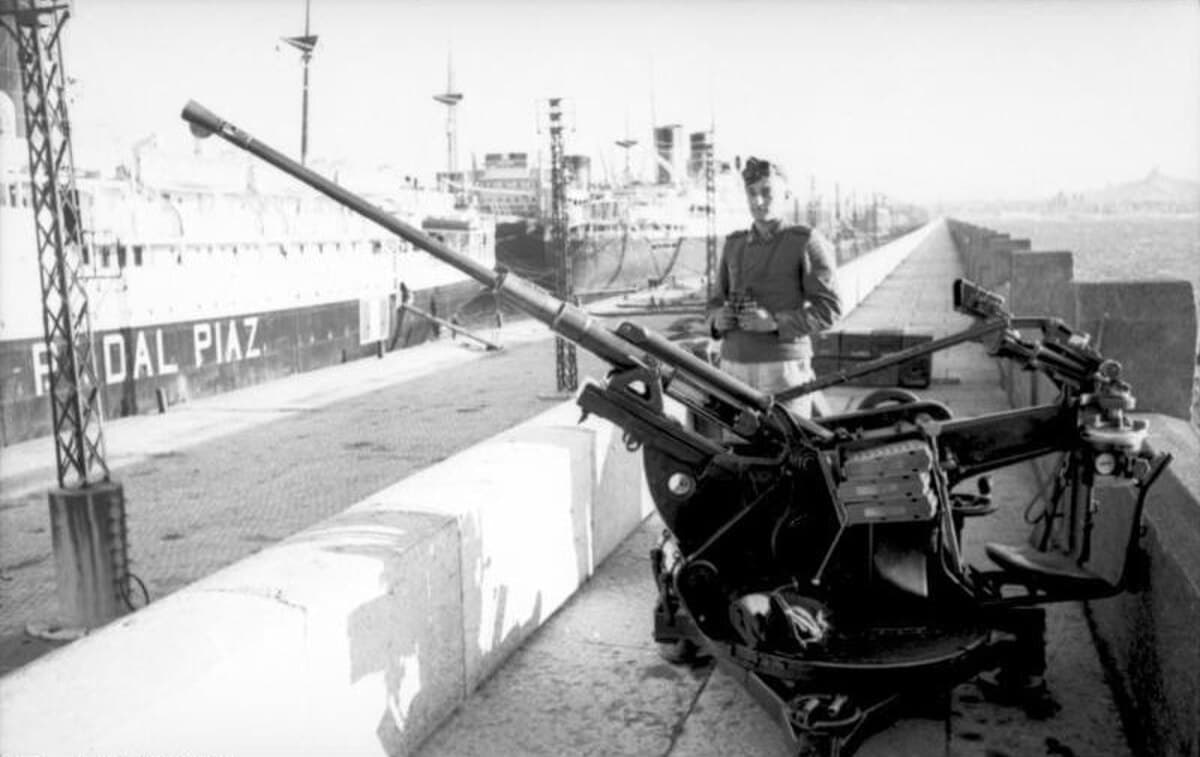
A force of 611 British sailors and Commandos launched the "Greatest Raid of All" against the port of St Nazaire in occupied France. The obsolete destroyer HMS Campbeltown, packed with 4.5 tons of hidden explosives, rammed the Normandie dry dock, the only Atlantic dry dock capable of servicing Germany's battleship Tirpitz. The explosives detonated the next day, killing 360 Germans and rendering the dock unusable until 1948. Of 611 raiders, 169 were killed and 215 captured. Five Victoria Crosses were awarded, the most for any single British operation.
Swedish King Charles XII was wounded by a musket ball through the foot during a reconnaissance near the Russian lines at Poltava. The injury forced the warrior-king to command the decisive battle from a stretcher, severely hampering Swedish coordination and contributing to the catastrophic defeat that ended Sweden's era as a great power.
Parliament passed the first of the Coercive Acts (called the "Intolerable Acts" by American colonists), closing Boston Harbor until the East India Company was compensated for tea destroyed during the Boston Tea Party. The punitive legislation galvanized colonial resistance and set the American colonies on a direct path to armed revolution.
Britain formally declared war on Russia, joining France (which had declared war the day before). The Crimean War became the first "modern" war featuring telegraphic communication, war photography, railways for logistics, and nursing reforms led by Florence Nightingale. The conflict lasted two years, cost roughly 600,000 lives, and reshaped the European balance of power.
The decisive action of the Battle of Glorieta Pass occurred when Major Chivington's 500-man flanking force descended on the unguarded Confederate supply train at Johnson's Ranch, destroying 80 wagons, spiking a cannon, and killing 500 horses and mules. Without supplies, the Confederates retreated to Texas, ending the South's ambitions in the western territories.
Nationalist forces under General Francisco Franco entered Madrid after a siege lasting nearly three years, effectively ending the Spanish Civil War. The conflict had served as a testing ground for the weapons and tactics of World War II, with Nazi Germany and Fascist Italy supporting Franco while the Soviet Union backed the Republic.
A force of 611 British sailors and Commandos launched the "Greatest Raid of All" against the port of St Nazaire in occupied France. The obsolete destroyer HMS Campbeltown, packed with 4.5 tons of hidden explosives, rammed the Normandie dry dock, the only Atlantic dry dock capable of servicing Germany's battleship Tirpitz. The explosives detonated the next day, killing 360 Germans and rendering the dock unusable until 1948. Of 611 raiders, 169 were killed and 215 captured. Five Victoria Crosses were awarded, the most for any single British operation.
On the same night as St Nazaire, 234 RAF bombers dropped 400 tons of bombs, including 25,000 incendiaries, on the medieval city of Lübeck, creating the first successful firestorm against a German city. The raid proved the viability of incendiary bombing and set the template for the strategic bombing campaign. Hitler was so enraged he ordered retaliatory "Baedeker raids" against historic British cities.
B-29 Superfortresses launched the first mining sorties of Operation Starvation, dropping influence mines into Japan's harbors and shipping lanes. By war's end, the campaign sank or damaged 670 ships totaling over 1.25 million tons, more than all other anti-shipping efforts combined. Thirty-five of Japan's 47 essential convoy routes were abandoned, strangling the island nation's war economy.
General of the Army Dwight David Eisenhower, Supreme Commander of the Allied Expeditionary Force and 34th President of the United States, died at Walter Reed Army Medical Center at age 78. He had planned and directed D-Day, the largest amphibious invasion in history, unified diverse Allied forces to defeat Nazi Germany, and later served as the first Supreme Allied Commander of NATO.
Related articleA partial meltdown occurred at the Three Mile Island nuclear power plant near Harrisburg, Pennsylvania, the worst nuclear accident in American history. While not a military event, the accident profoundly affected the U.S. Navy's nuclear propulsion program by intensifying public scrutiny of nuclear technology and validating Admiral Rickover's insistence on extreme safety standards.

Lieutenant General, Confederate States Army
One of the wealthiest men in the antebellum South who personally financed Hampton's Legion and rose to command the Army of Northern Virginia's cavalry corps after J.E.B. Stuart's death. Despite no prior military training, he proved a natural cavalry commander, fighting at First Bull Run, Brandy Station, and Gettysburg, where he was severely wounded leading a charge against Custer's forces.

Major, Soviet Air Force
The first woman to become a professional navigator in the Soviet Air Force who convinced Stalin to authorize three all-female combat aviation regiments, the only such units in military history. Among them was the 588th Night Bomber Regiment, the "Night Witches," who flew over 23,000 combat sorties. Given the first state funeral of the war when she was killed in January 1943.

General of the Army (five-star), U.S. Army
Supreme Commander of the Allied Expeditionary Force who planned and directed D-Day and led the liberation of Western Europe. Later served as first NATO Supreme Commander and 34th President of the United States. His last words were: "I want to go; God take me." He remains one of the most consequential military leaders in American history.
Wear the Timeline
10 military events occurred on March 28, spanning multiple centuries. Key events include: Operation Chariot, The St Nazaire Raid (1942), Britain Declares War on Russia, The Crimean War Begins (1854), Battle of Glorieta Pass Concludes, Confederate Supply Train Destroyed (1862), Dwight D. Eisenhower Dies (1969).
The most significant military event on March 28 is Operation Chariot, The St Nazaire Raid (1942). A force of 611 British sailors and Commandos launched the "Greatest Raid of All" against the port of St Nazaire in occupied France. The obsolete destroyer HMS Campbeltown, packed with 4.5 tons of hidden explosives, rammed the Normandie dry dock, the only Atlantic dry dock capable of servicing Germany's battleship Tirpitz. The explosives detonated the next day, killing 360 Germans and rendering the dock unusable until 1948. Of 611 raiders, 169 were killed and 215 captured. Five Victoria Crosses were awarded, the most for any single British operation.
Notable military figures born on March 28 include Lieutenant General Wade Hampton III (1818–1902), Major Marina Raskova (1912–1943).
Events on March 28 span World War II, the Interwar Period, the Civil War, the Cold War, the Colonial & Revolutionary era, covering 10 events across 3 centuries of military history.
Events on March 28 involve 4 branches of the U.S. and allied armed forces, reflecting the global scope of military operations throughout history.
Explore military history from the day you were born.
June 6
The Allied invasion of Normandy, the largest amphibious assault in history.
December 7
Japan attacks the U.S. Pacific Fleet, bringing America into World War II.
September 11
The deadliest terrorist attack in history transforms U.S. national security.
August 6
The first atomic bomb is dropped on a city, ushering in the nuclear age.
May 8
Nazi Germany surrenders unconditionally, ending World War II in Europe.
November 11
Armistice Day marks the end of World War I and honors all who served.
June 4
The turning point of the Pacific War as the U.S. Navy destroys four Japanese carriers.
July 4
The Declaration of Independence is adopted, sparking the American Revolution.
Calvin Graham Was Youngest Decorated US Soldier at 12 Pearl Harbor Visitors Bureau “Green Boys” was a term given to soldiers who…
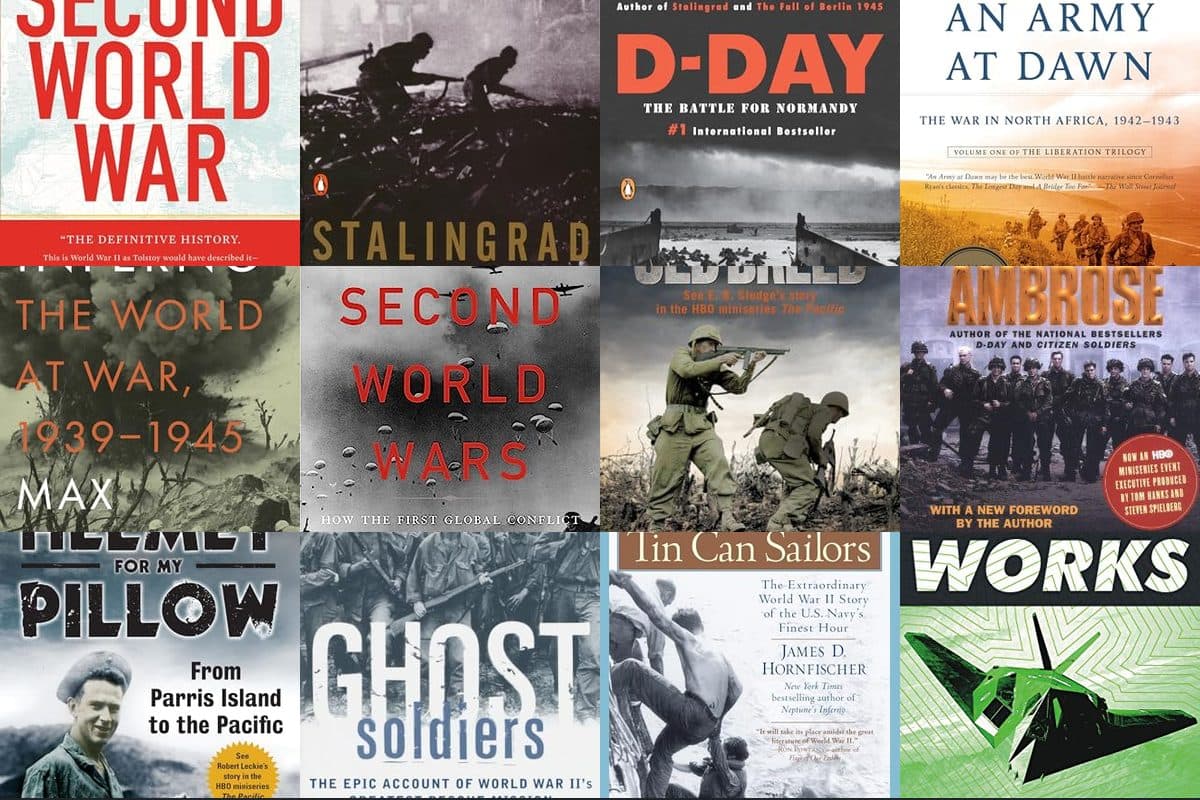
15 essential WW2 books covering every theater. Narrative histories, memoirs, and visual references ranked.
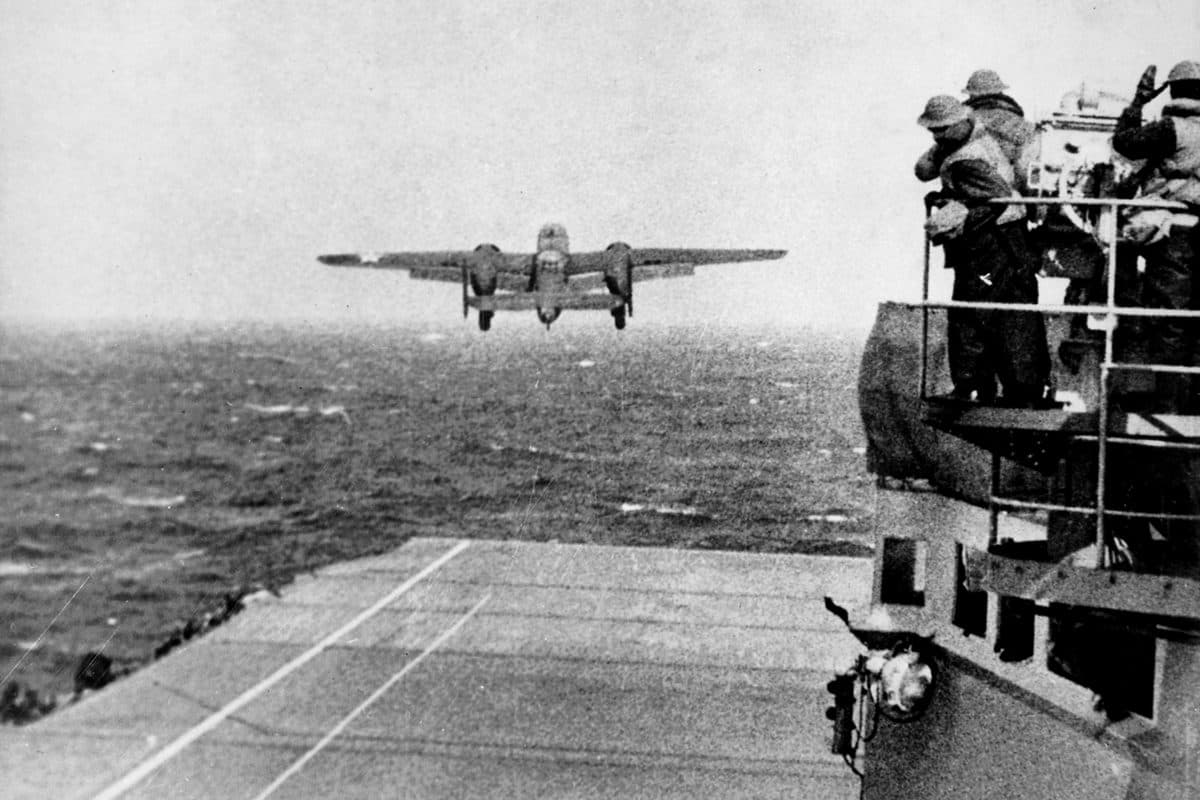
On April 18, 1942, sixteen B-25 Mitchell bombers did something no one thought possible: they launched from the deck of an aircraft carrier, flew 650 miles to Japan, and bombed Tokyo. Every aircraft was lost. The damage was negligible. The consequences changed the war.
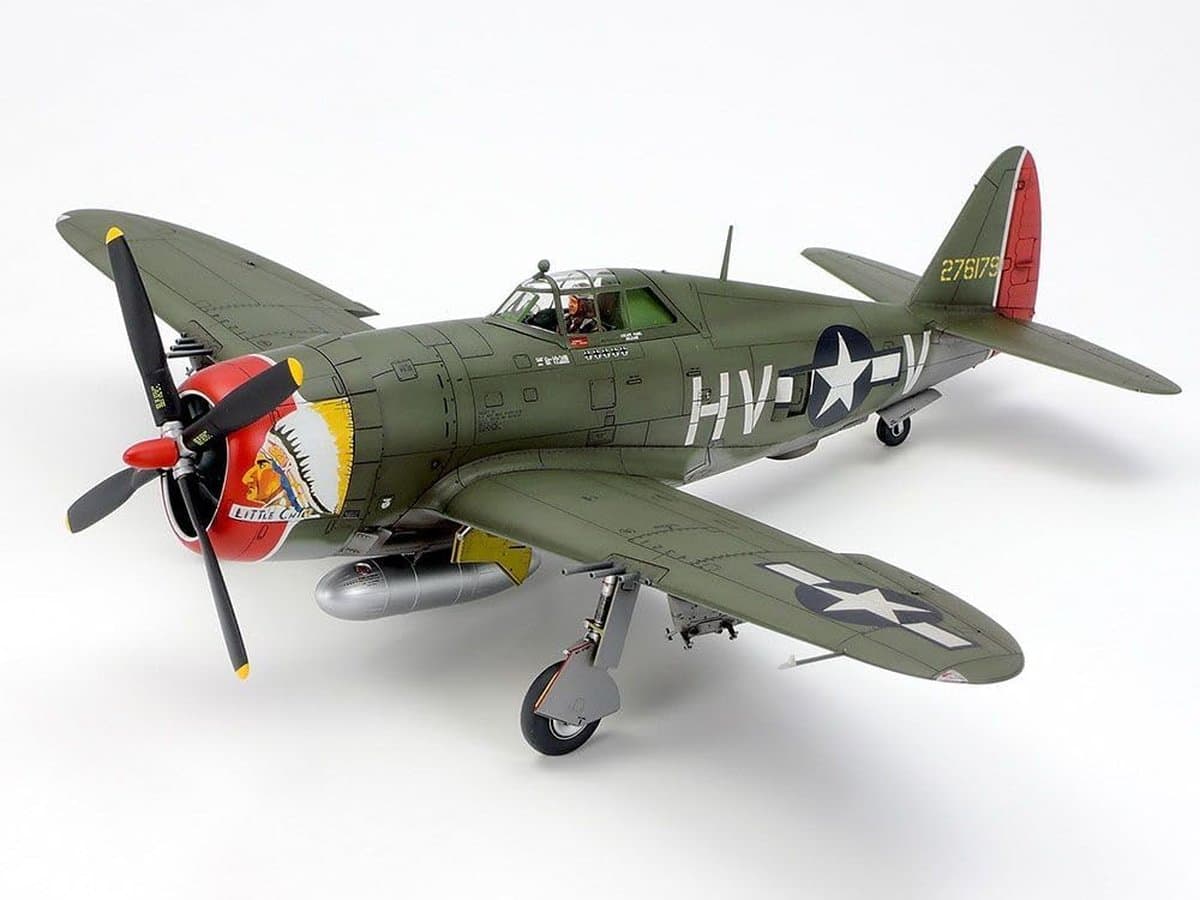
Compare 85+ WW2 scale model kits across aircraft, tanks, and ships. Beginner builds from $9 to museum-grade showpieces at $580. Covers Tamiya, Eduard, HK Models, Trumpeter, and more with honest reviews, trade-offs, and pricing.