
A Helicopter the Size of a Transport Plane
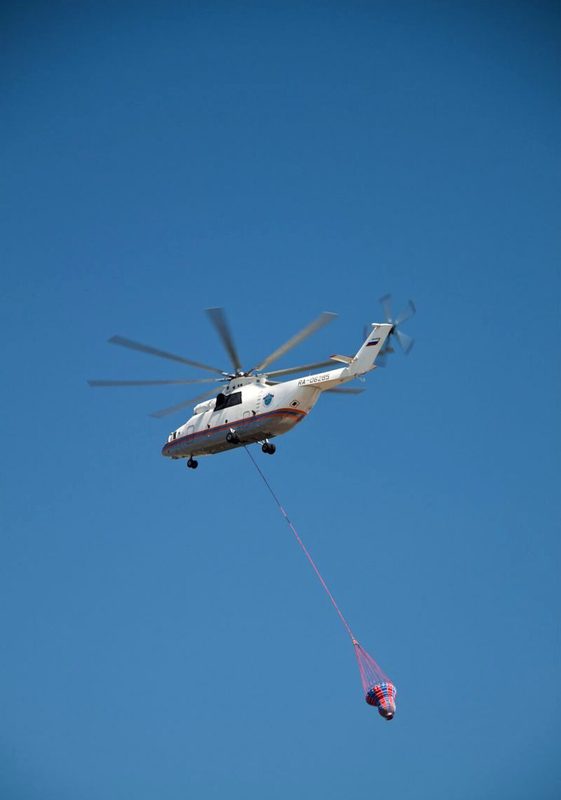
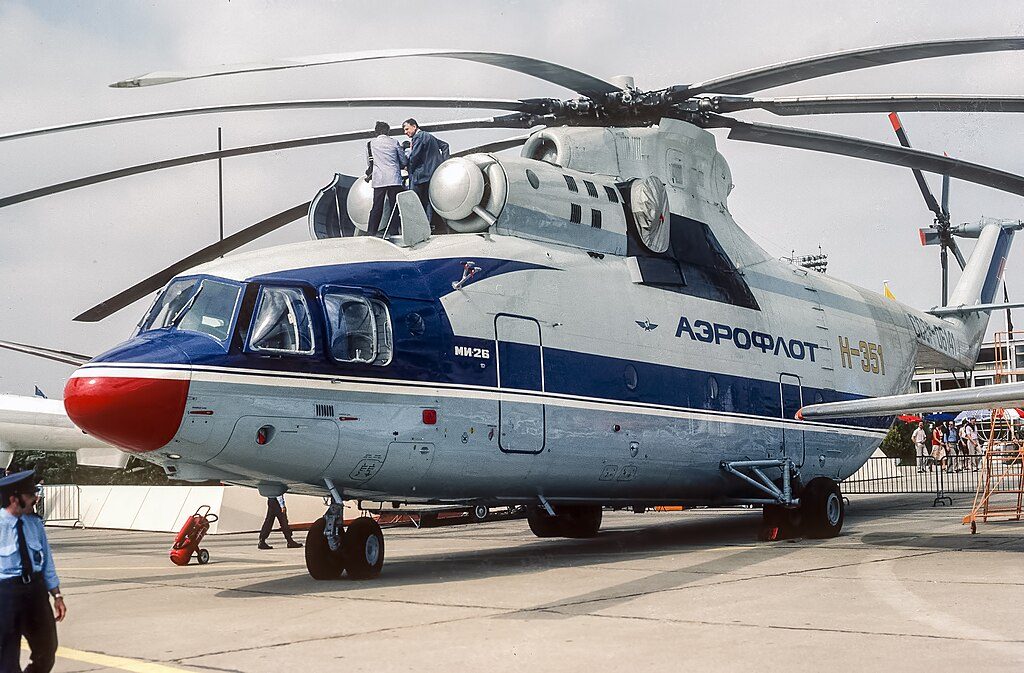
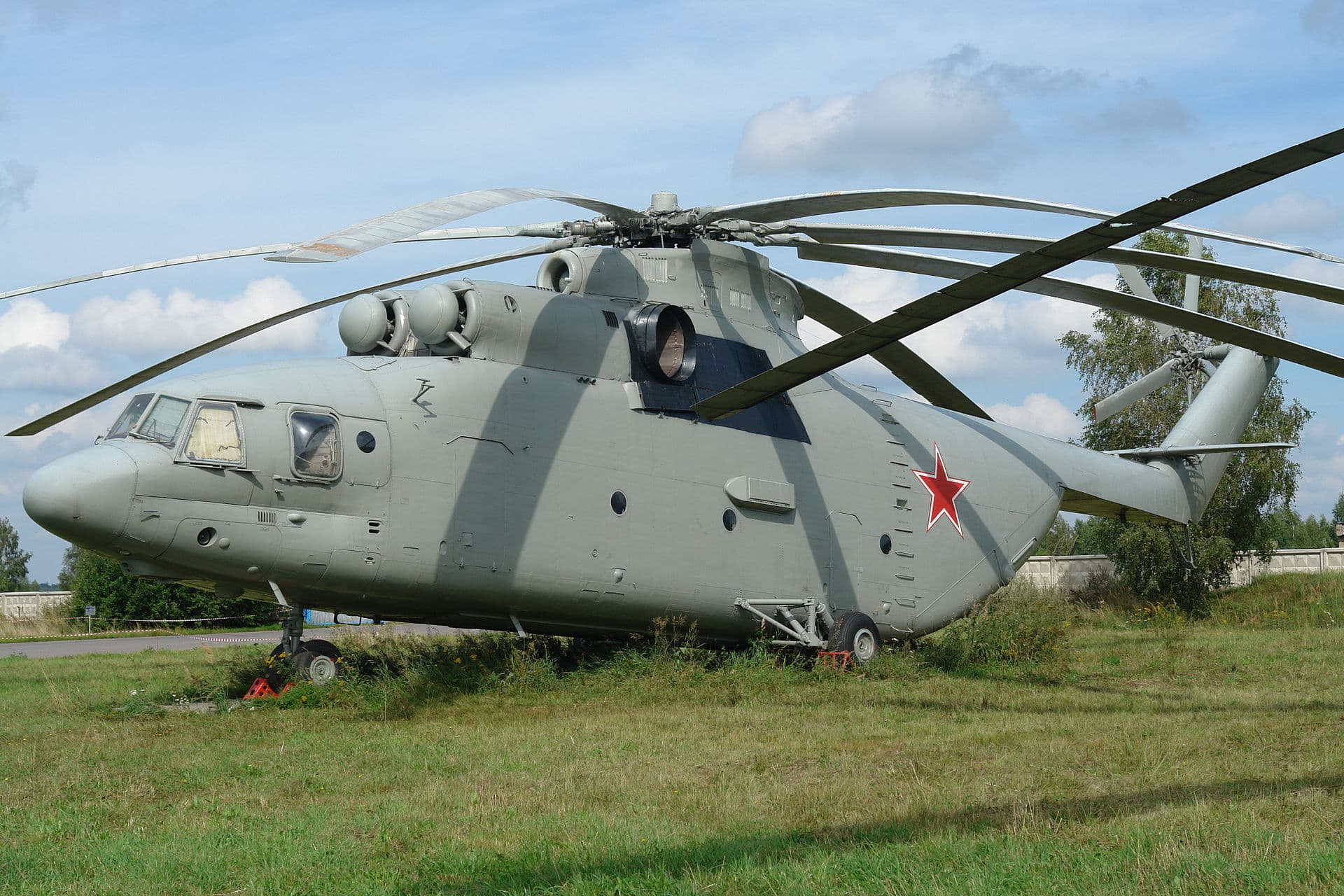
The Mil Mi-26 Halo is not just the world's largest helicopter. It exists in a weight class that no other rotary-wing aircraft has ever occupied. With a maximum takeoff weight of 123,500 pounds, the Mi-26 is heavier than a loaded C-130 Hercules. Its eight-blade main rotor spans 105 feet across, wider than the wingspan of a Boeing 737. The cargo cabin measures 39 feet long, 10.7 feet wide, and 9.8 feet tall, dimensions that match the cargo hold of a medium tactical transport aircraft.
The Halo was designed in the early 1970s to replace the Mi-6, which had been the world's largest helicopter since 1957. The Soviet military needed a heavy-lift helicopter that could transport ballistic missile components, armored vehicles, and heavy engineering equipment to locations where fixed-wing aircraft could not land. The Mi-26 first flew on December 14, 1977, and entered service with the Soviet Air Force in 1983.
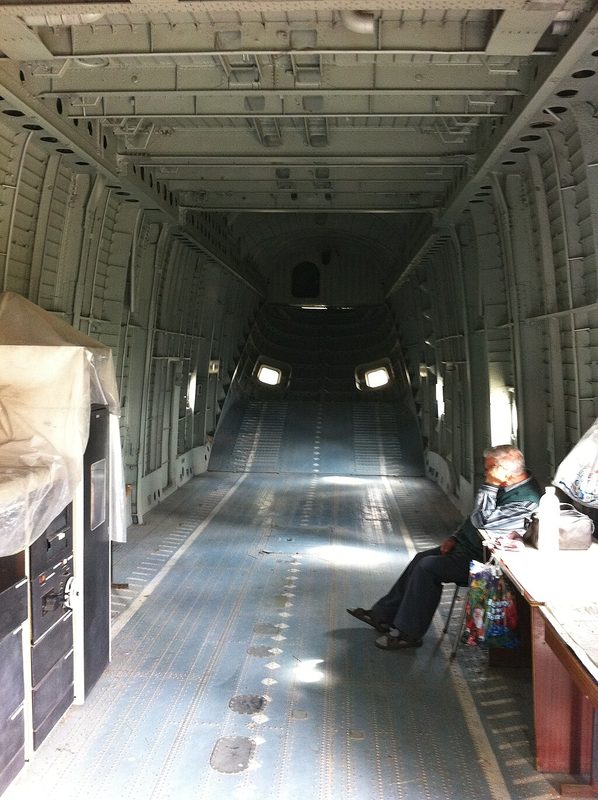
From the outset, the Mi-26 was designed for payloads that seemed impossible for a helicopter. Its internal cargo cabin can accommodate 20 metric tons (44,000 pounds) or 80 fully equipped combat troops seated on fold-down benches along the walls. An overhead cargo rail and two electric winches rated at 5,500 pounds each allow rapid loading of palletized cargo through the rear clamshell doors and integral ramp.
Power and Engineering
Two Lotarev D-136 turboshaft engines power the Mi-26, each producing 11,400 shaft horsepower for a combined output of 22,800 shaft horsepower. These are the most powerful turboshaft engines ever fitted to a production helicopter. They drive the main rotor through a massive gearbox. The VR-26 main reduction gearbox alone weighs nearly 8,000 pounds and is one of the most complex mechanical assemblies in any rotary-wing aircraft.