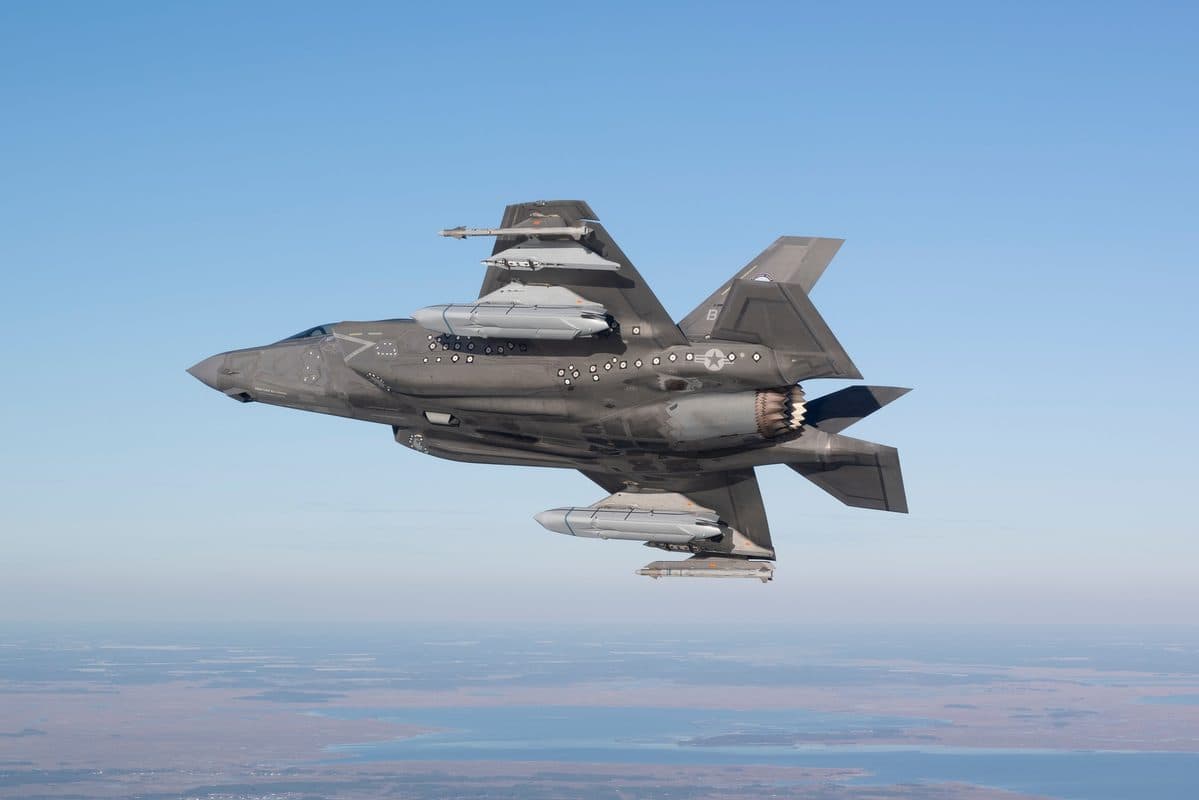

The AGM-158 JASSM, or Joint Air-to-Surface Standoff Missile, is the weapon that allows American fighters and bombers to kill targets they cannot safely approach. Built by Lockheed Martin, the JASSM is a stealthy, precision-guided cruise missile designed to be launched from beyond the range of enemy air defenses, fly autonomously to its target using GPS and an infrared seeker, and penetrate hardened facilities with a 450-pound warhead. The extended-range JASSM-ER variant can strike targets 575 miles from the launch aircraft. At roughly $1.3 million per round, less than a Tomahawk and a fraction of the cost of losing a manned aircraft, the JASSM has become the single most important standoff weapon in the American arsenal.
Why Standoff Matters
Modern integrated air defense systems, like the Russian S-300 and S-400 and increasingly Chinese systems, can engage aircraft at ranges exceeding 200 miles. Any fighter or bomber that enters that engagement envelope risks being shot down before it can deliver its weapons. For decades, the solution was to suppress enemy air defenses first, sending specialized aircraft to destroy radar sites and missile launchers before the strike package could safely pass through.
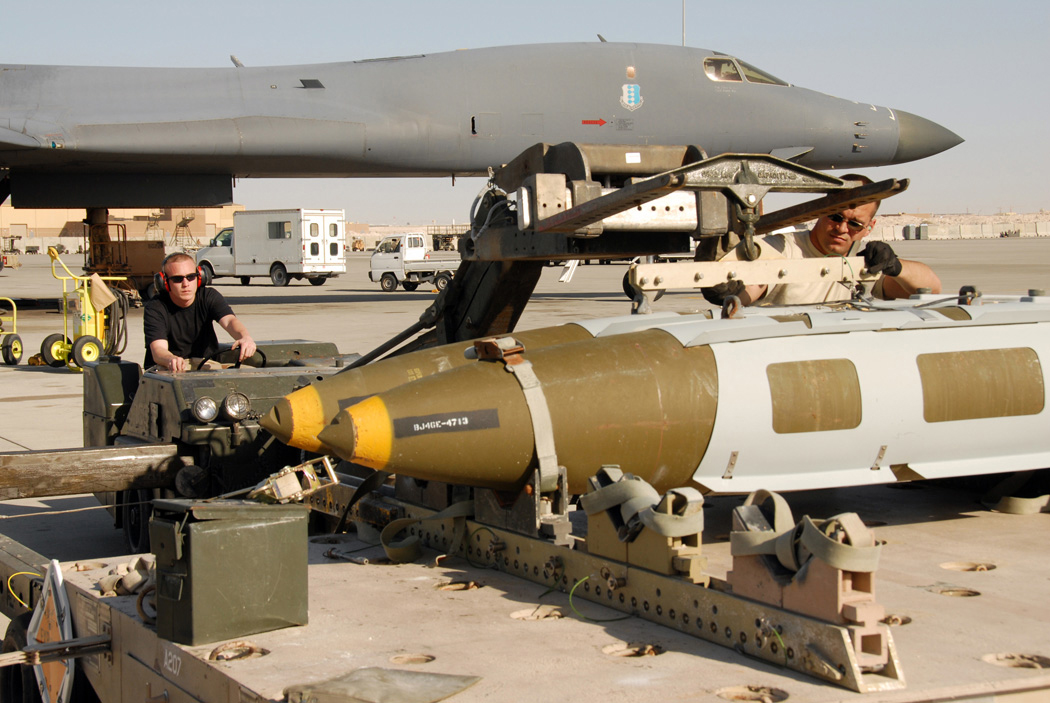
The JASSM offers a different solution: don't enter the envelope at all. A B-1B Lancer carrying 24 JASSMs internally can launch its entire payload from 575 miles away, well outside the range of any current air defense system. The missiles fly autonomously to their targets while the bomber turns for home. No crew is put at risk. No suppression of enemy air defenses is required. The JASSM turns every capable launch platform into a standoff strike aircraft.
How It Works
The JASSM uses a combination of GPS/INS (Global Positioning System / Inertial Navigation System) for midcourse guidance and an imaging infrared seeker for terminal guidance. The infrared seeker provides autonomous target recognition. The missile matches the scene it sees against a stored image of the target, enabling precision strikes even if GPS is jammed or degraded. This dual-mode guidance makes the JASSM significantly more difficult to defeat through electronic warfare than a GPS-only weapon.